-
Rich As Stink by Alice Munro Short Story Analysis
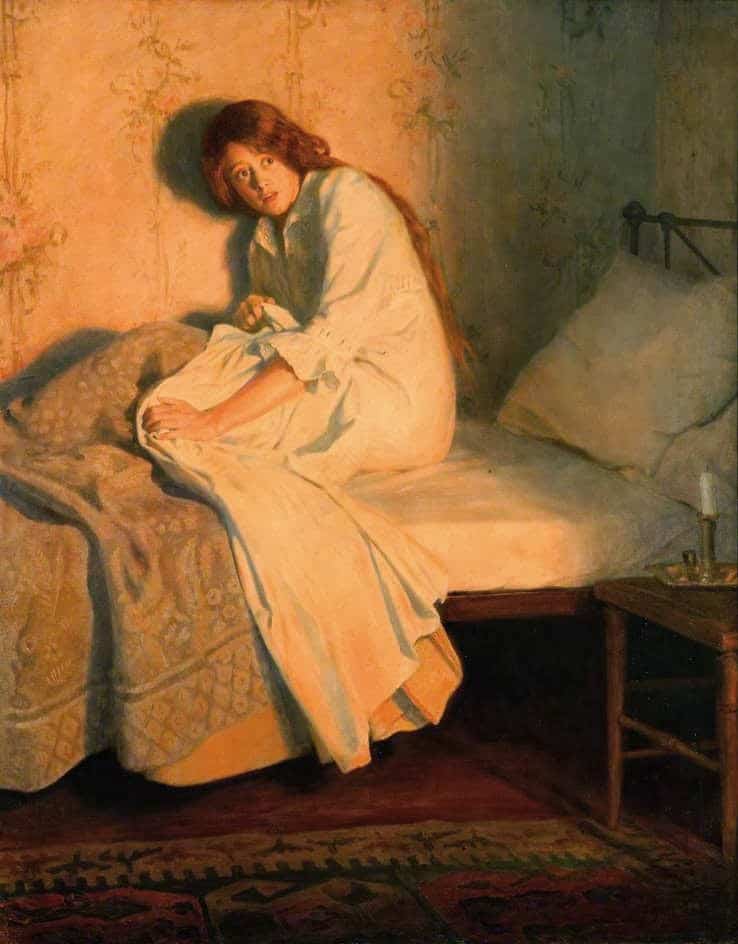
Rich as Stink is a short story by Canadian writer Alice Munro included in the 1998 collection The Love Of A Good Woman. Gaslighting, parentification, spousification, self-objectification, coercive control… People living in 1974 did not have ready access to the language of psychology and found it difficult to describe emotionally abusive relationships, let alone talk
-
Symbolism of the Maze and Labyrinth
I hate being lost. I’m not the only one. Before the age of cities, suburbs and GPS, it really was dangerous to separate from your tribe. Professor Kenneth Hill has studied the psychological effects of getting lost, and was interviewed by Jim Mora on the RNZ Sunday morning radio show. Jim asks, why do people
-
Parties in Art and Fiction
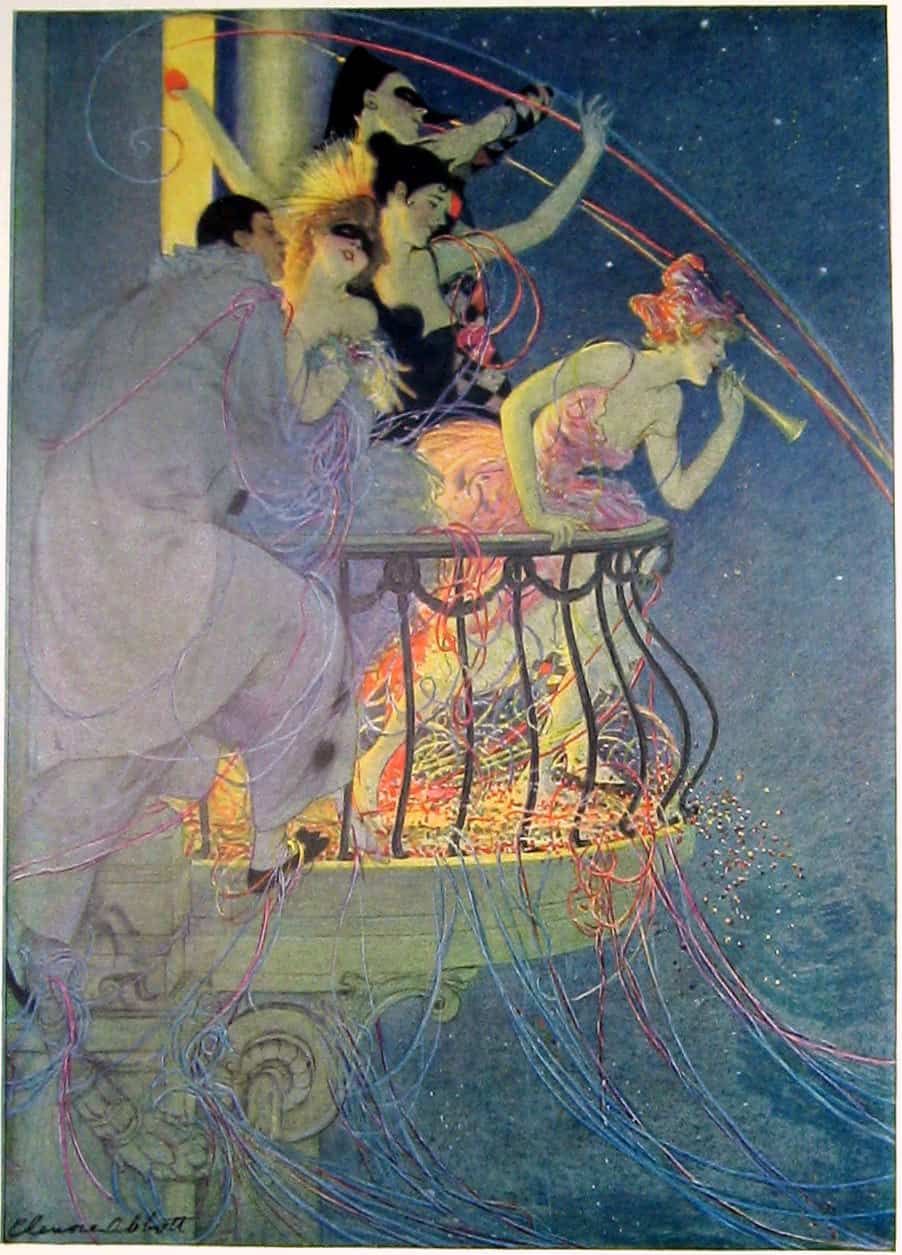
Parties provide an excellent setting for getting people together. And when people are together this creates conflict, the backbone of any story. Like other high-stress, socially critical events such as competitions and staged performances, parties also often happen at the climax of a story. Events leading up to the party garner suspense due to the
-
Cannonball Simp by John Burningham Analysis
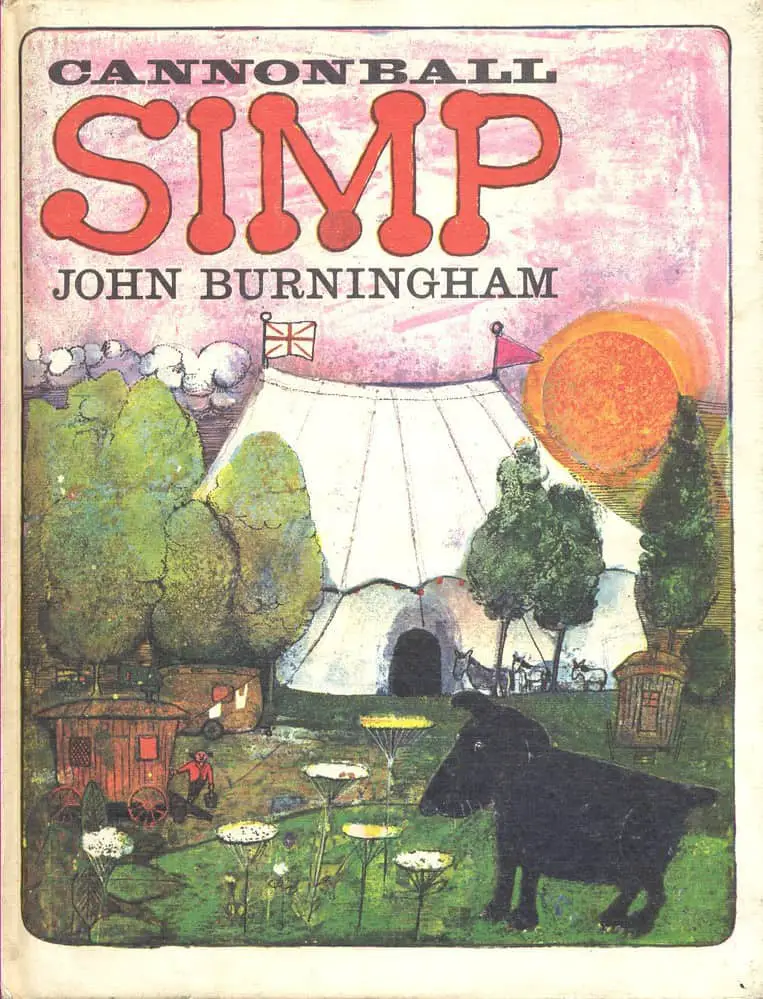
Cannonball Simp is a picture book written and illustrated by John Burningham, first published 1966. This is a story from an earlier Golden Age of children’s literature, one in which ending up in a circus is a good outcome, and also, well, words sometimes change. It’s shame that the 2020 meaning of the word ‘simp’
-
Pettson and Findus Pancake Pie by Sven Nordqvist
Pancake Pie (1984) is a Swedish picture book written and illustrated by Sven Nordqvist, and is the first in the Pettson and Findus series starring a man and his cat who live together on a rustic farm, along with many little creatures who make the setting seem alive.
-
The Storybook Police Archetype
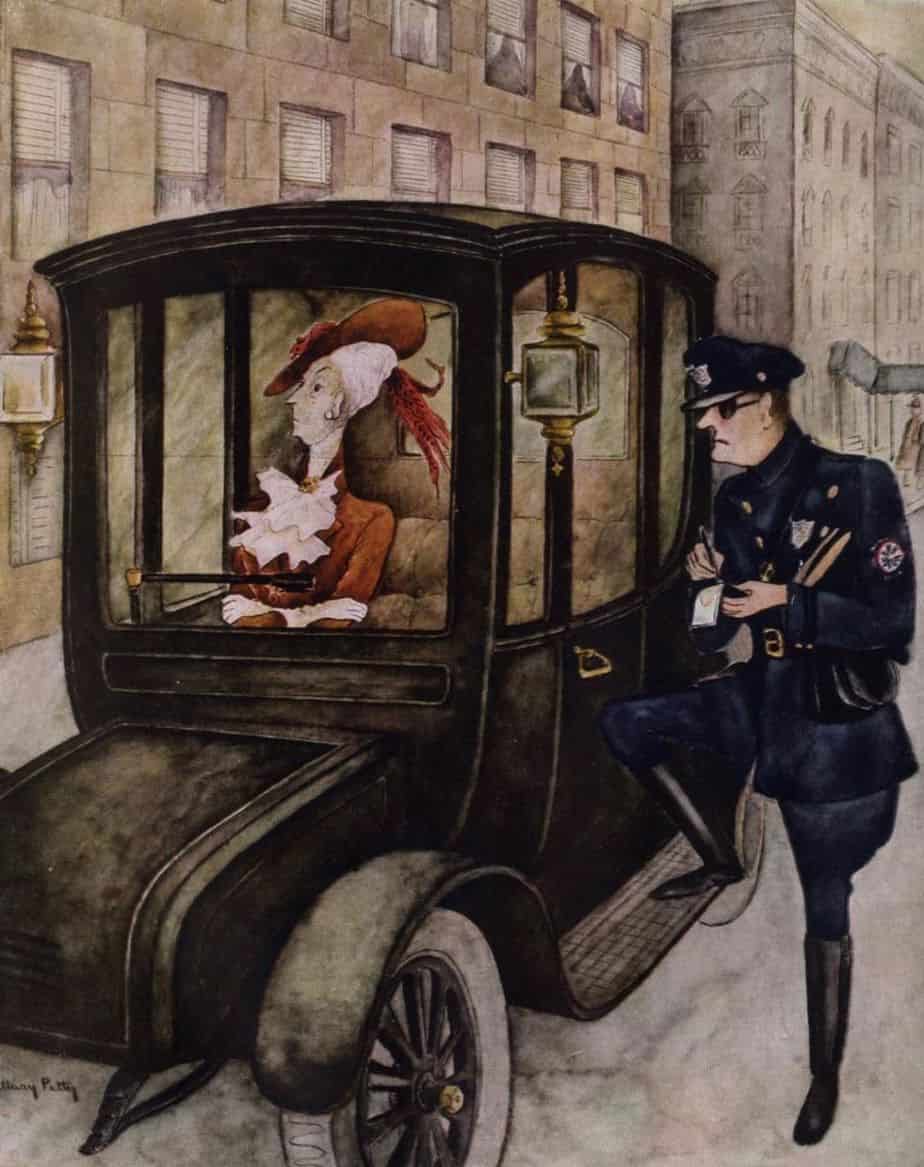
Australia has a uniquely trusting relationship with its police force. We might say the image of police here in Australia is based on a storybook image, one which is cultivated in white kids from the time we start reading children’s books. The only feelings mankind has inspired in policemen are indifference and scorn. UN FLIC
-
Holidays and Camping In Art And Picturebooks
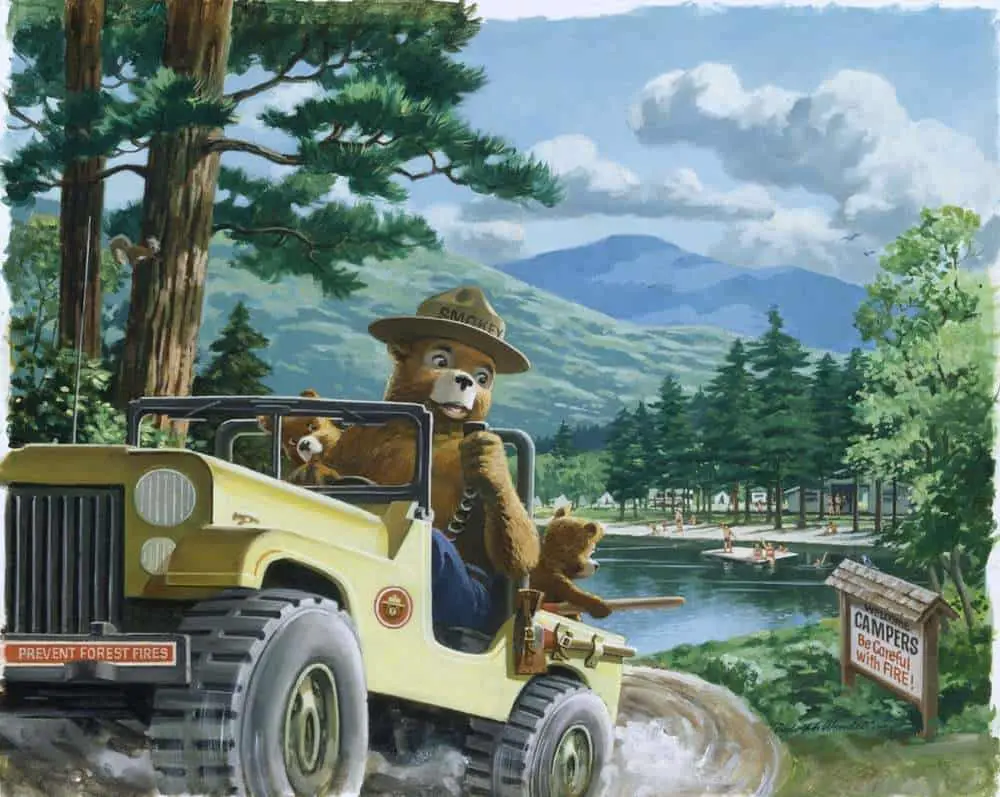
Scholars who study holidays and tourism classify holidays into five broad types. Which type(s) do you prefer? And how are holidays commonly depicted across children’s literature?
-
Rupert Can Dance by Jules Feiffer Picture Book Analysis
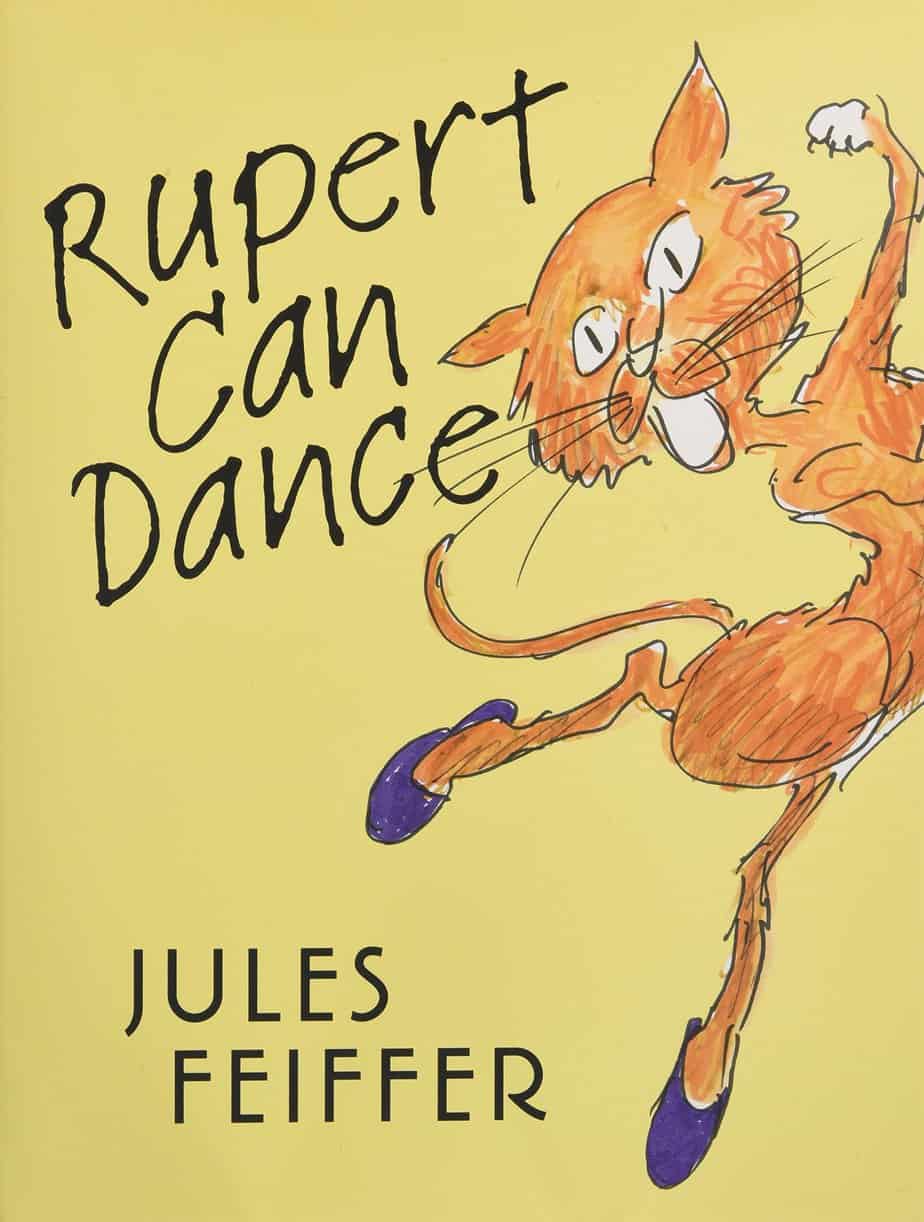
Rupert Can Dance is a 2014 picture book written and illustrated by Jules Feiffer, who loosely makes use of a T.S. Eliot cat archetype in his depiction of alovably combatative relationship between a secretive mystery cat and a girl.
-
Wait Till The Moon Is Full by Wise Brown and Williams Analysis
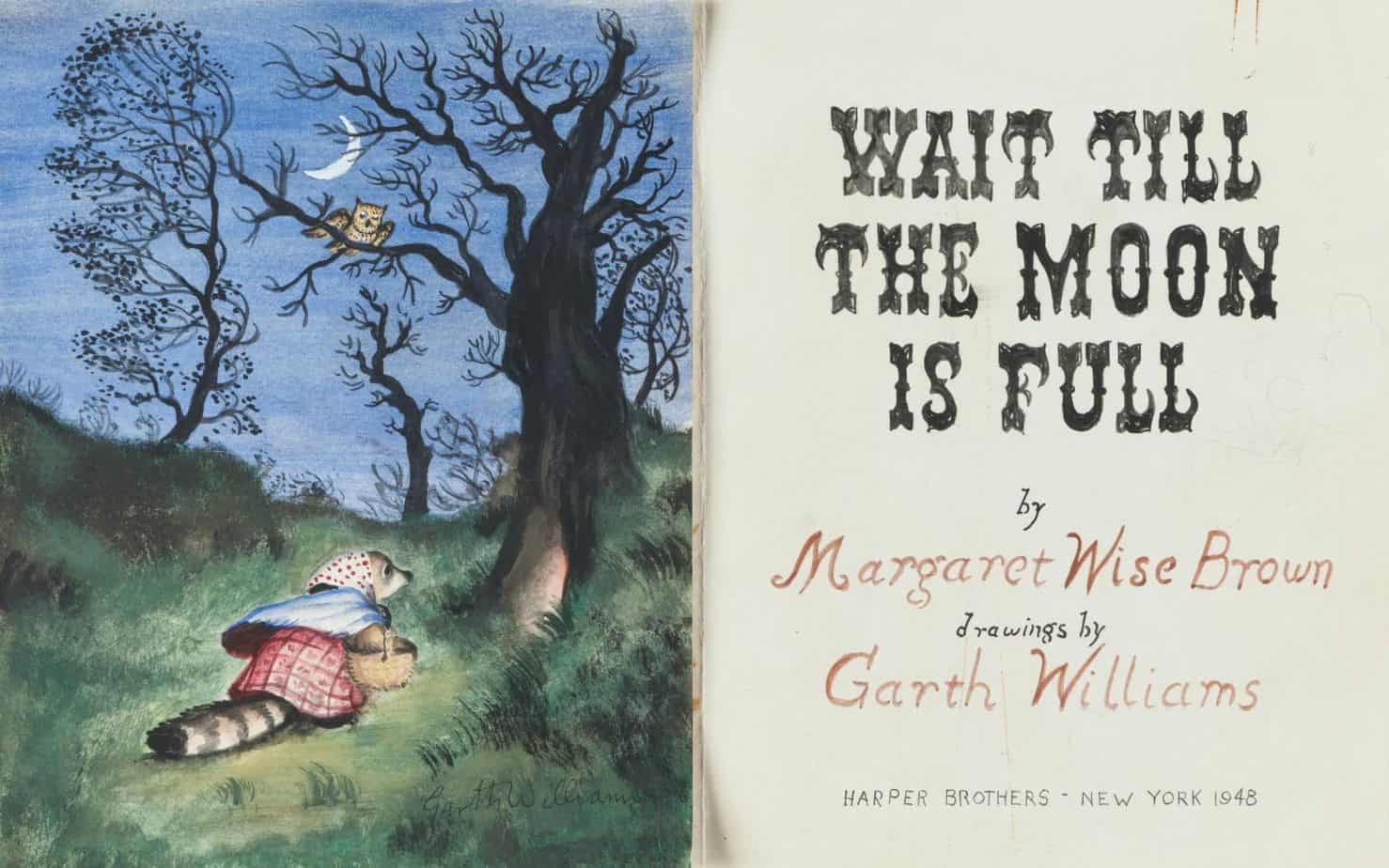
Wait Till the Moon Is Full is a 1948 picture book written by Margaret Wise Brown with pictures by Garth Williams. The story has carnivalesque elements, a gentle utopian storyline and a well-drawn mother figure, who is safe and warm but who also joins her son in his imaginative play.
-
Pitschi by Hans Fischer (1948)
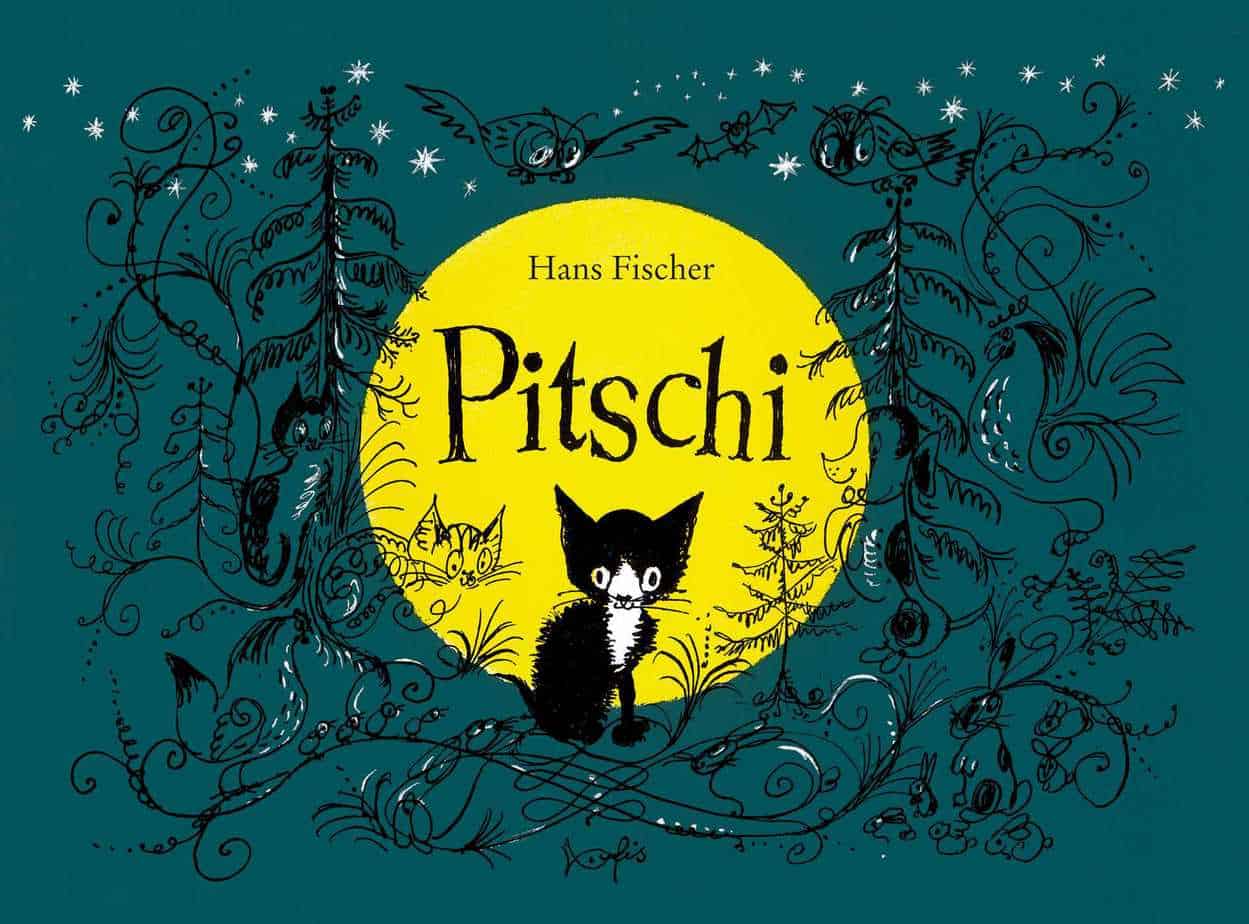
Pitschi is a picture book written and illustrated by Swiss storyteller Hans Fischer, first published in 1948. Pitschi is a good example of a post war children’s book: dangerously cosy with a stay at home message.
-
The Ugly Duckling by Hans Christian Andersen Fairy Tale Analysis
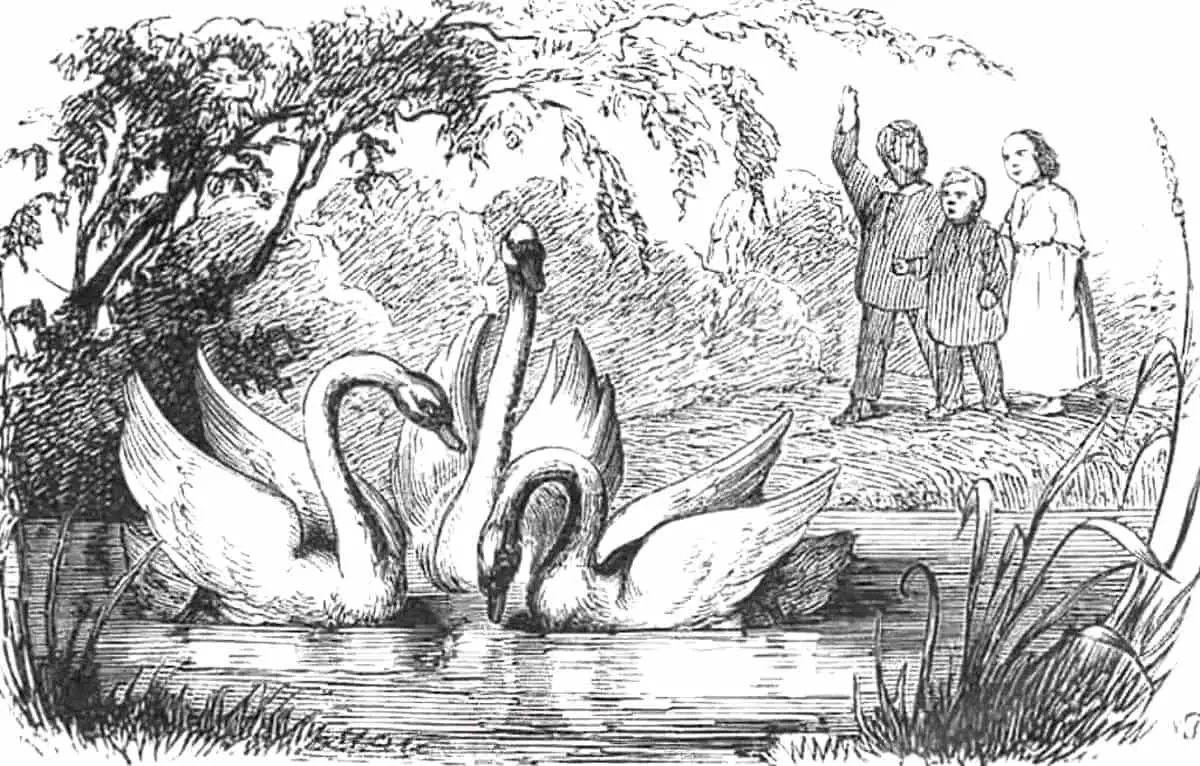
A character is different from their family/tribe and feels utterly alone. Eventually they find their ‘people’ who accept them for who they really are. Understanding they are not alone in the world after all, the main character accepts themselves. Now they can be happy.
-
Emotion In Storytelling: Catharsis and Crying
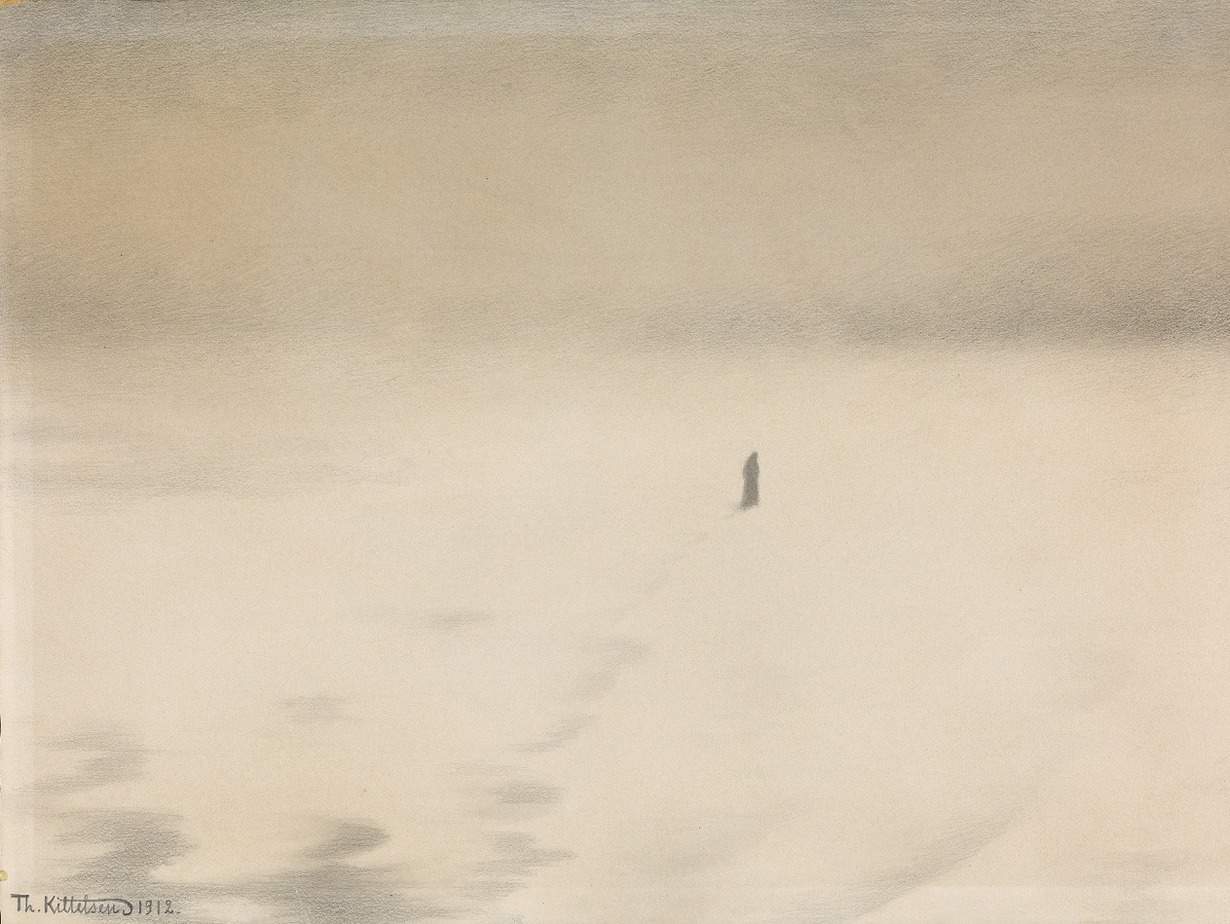
Does a story (especially a movie) that makes us cry really offer an audience cathartic healing? Researchers say not. Studies show no improvement in mood after this kind of crying. I’m not sure which is worse: intense feeling, or the absence of it. Margaret Atwood Professor Jennie Hudson is the director at the Centre for
-
The Crows of Pearblossom by Huxley and Cooney Analysis
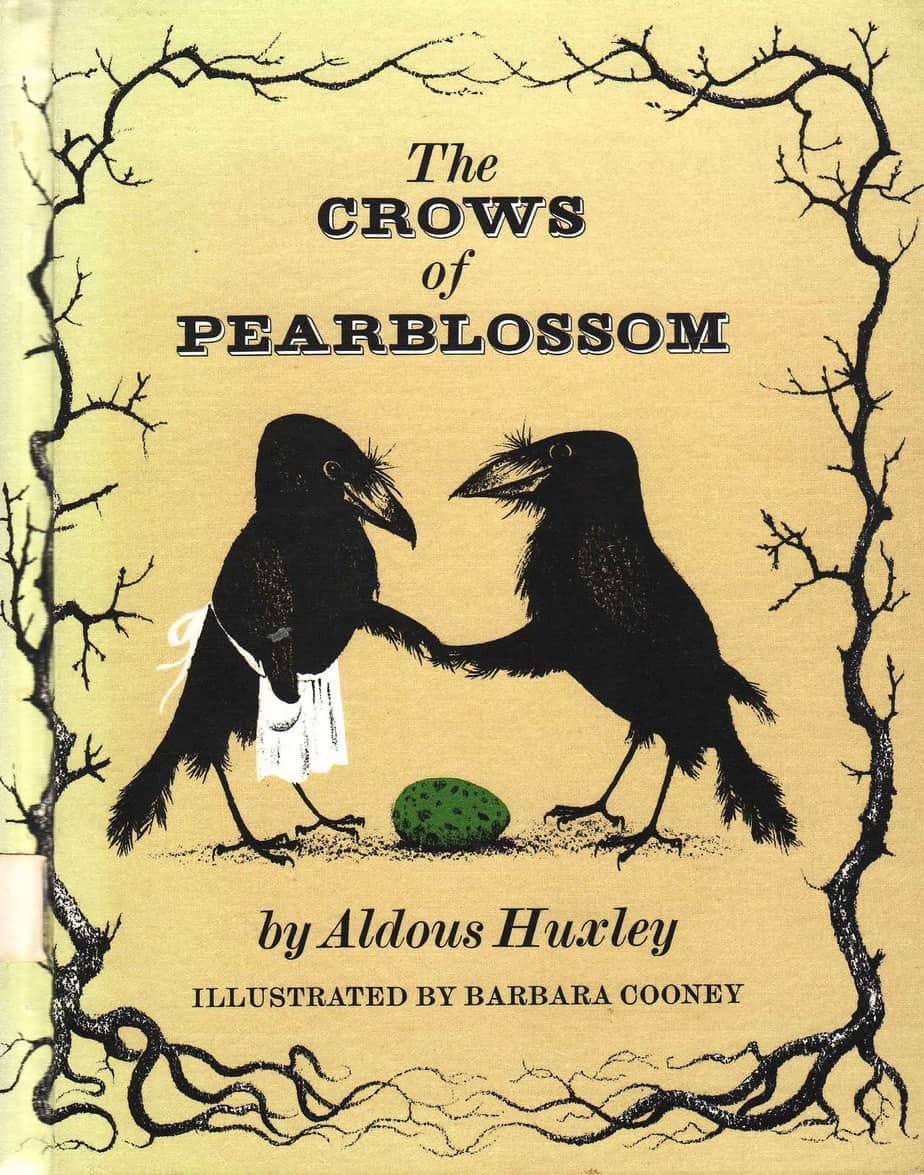
The Crows of Pearblossom by Aldous Huxley illustrated by Barbara Cooney (1917-2000) published in 1967