-
The Fog by Maclear and Pak
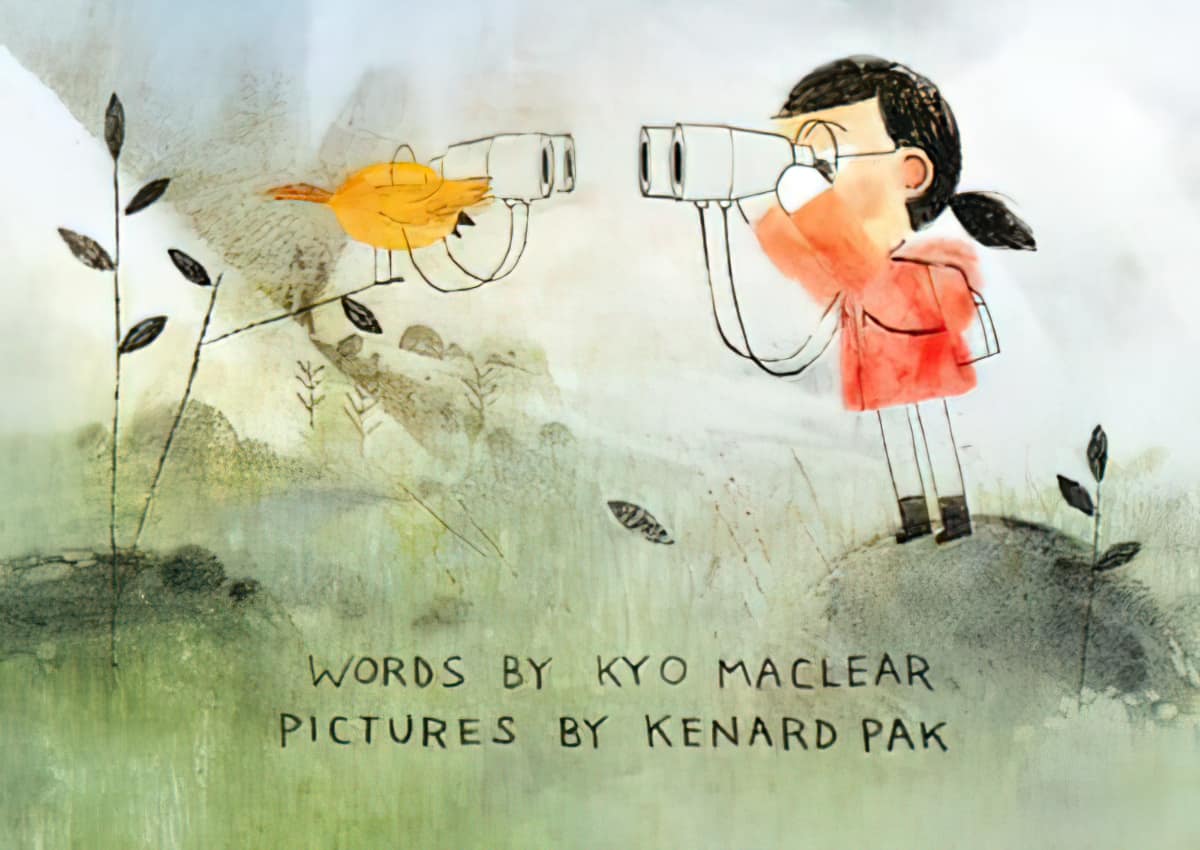
The Fog is a picture book by written by Kyo Maclear and illustrated by Kenard Pak. This is an example of a story for children that starts out in comical fashion, but you soon realise there’s a horrifying environmental message. The metaphor of fog serves double duty as a symbol of climate change and as
-
Gaston by DiPucchio and Robinson Analysis
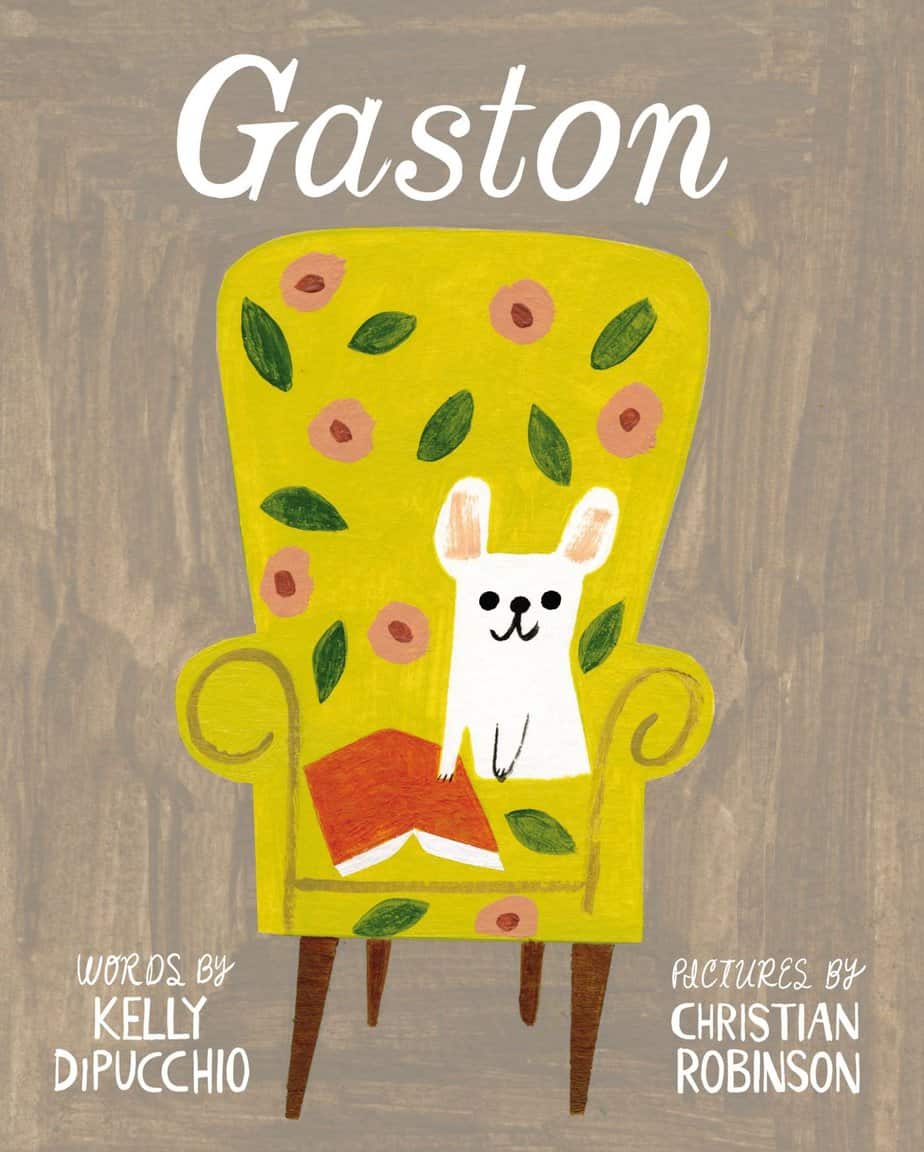
Gaston is a picture book written by Kelly DiPucchio and illustrated in beautiful naive style by Christian Robinson. The colour palette is gorgeous. I liken Gaston to another popular contemporary picture book: Drew Daywalt’s The Day The Crayons Quit. The plots are not at all similar, but they share the same ideological problems, intending to
-
Creepy Carrots by Reynolds and Brown Analysis
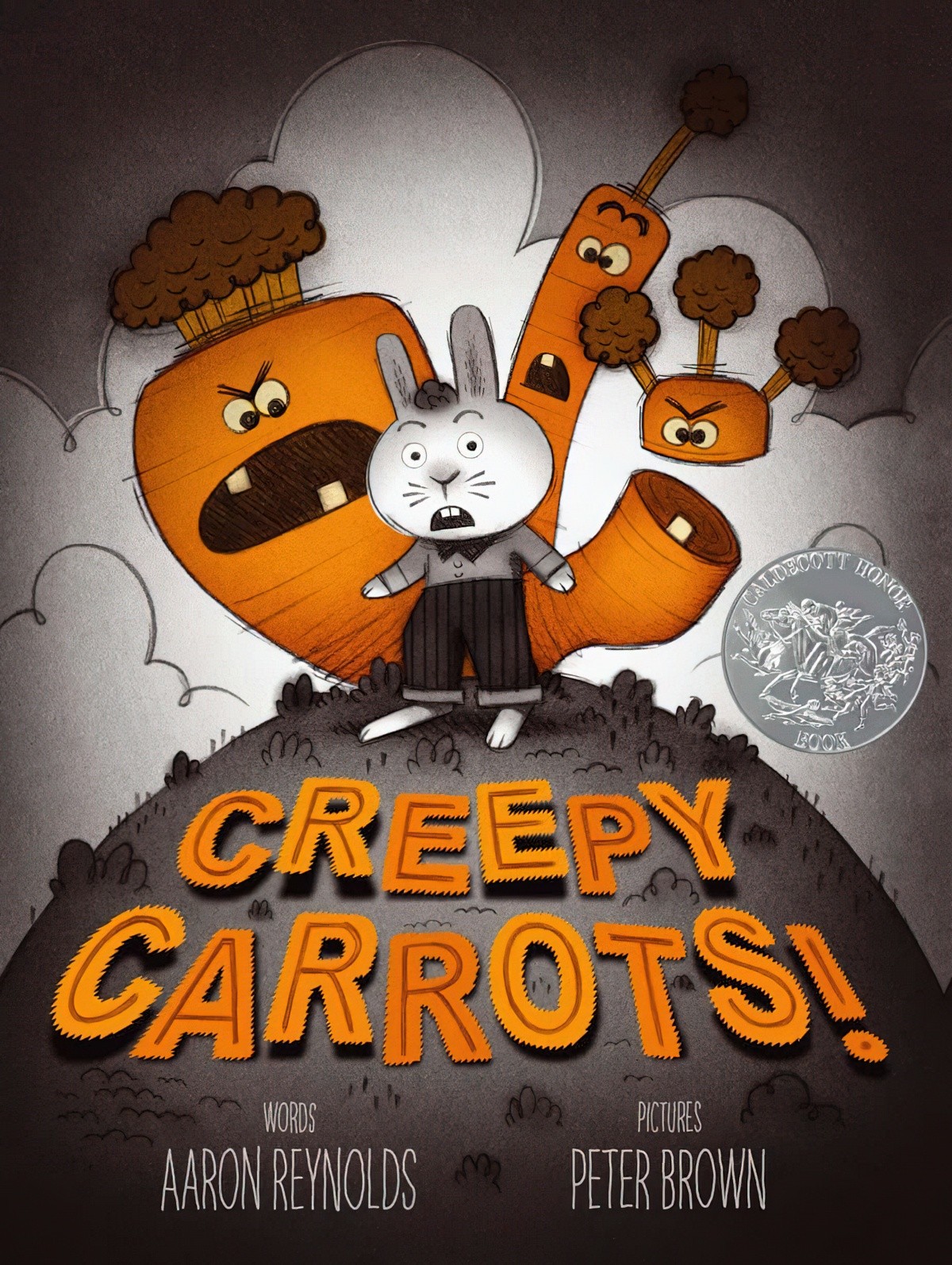
Creepy Carrots (2012) is a picture book written by Aaron Reynolds and illustrated by Peter Brown. For anyone wondering how to create a scary book for the very young reader without keeping them awake all night, this book is our masterclass in the horror-comedy blend. First of all, the story is about carrots — a
-
Illustrating Rain, Droplets and Rainclouds
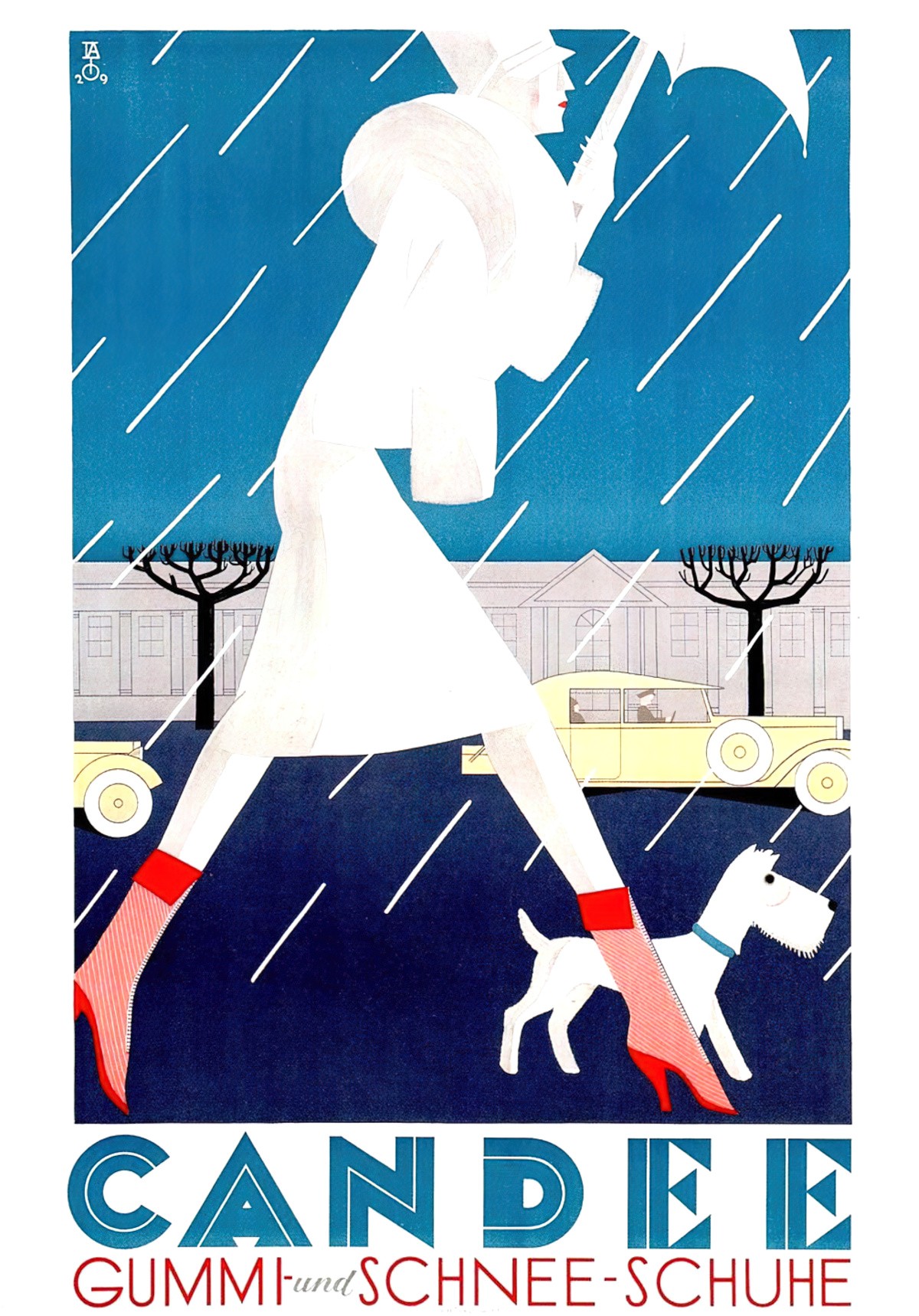
A collection of art featuring rain, some realistic, some cartoonish, some stylised.
-
Danny The Champion Of The World by Roald Dahl Novel Study
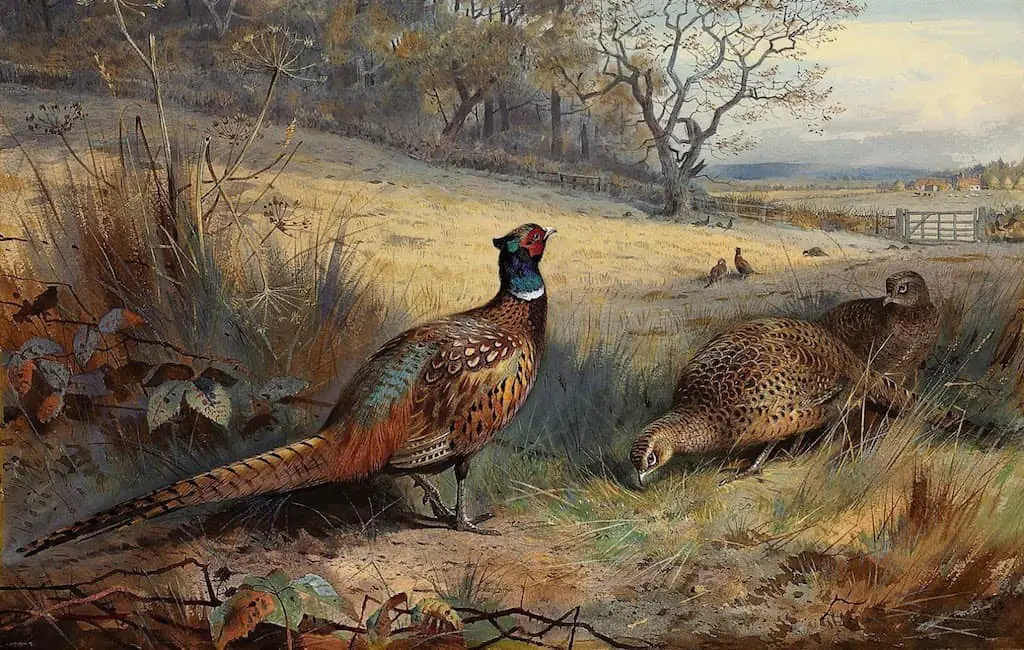
As an English speaking child of the 80s I grew up on a heavy diet of Roald Dahl. Danny The Champion Of The World (1975) stands out in my adult memory my favourite Dahl story, perhaps only bested by the frisson of horror left by The Witches (in which I actually examined my J2 teacher,…
-
Moving Molly by Shirley Hughes Analysis
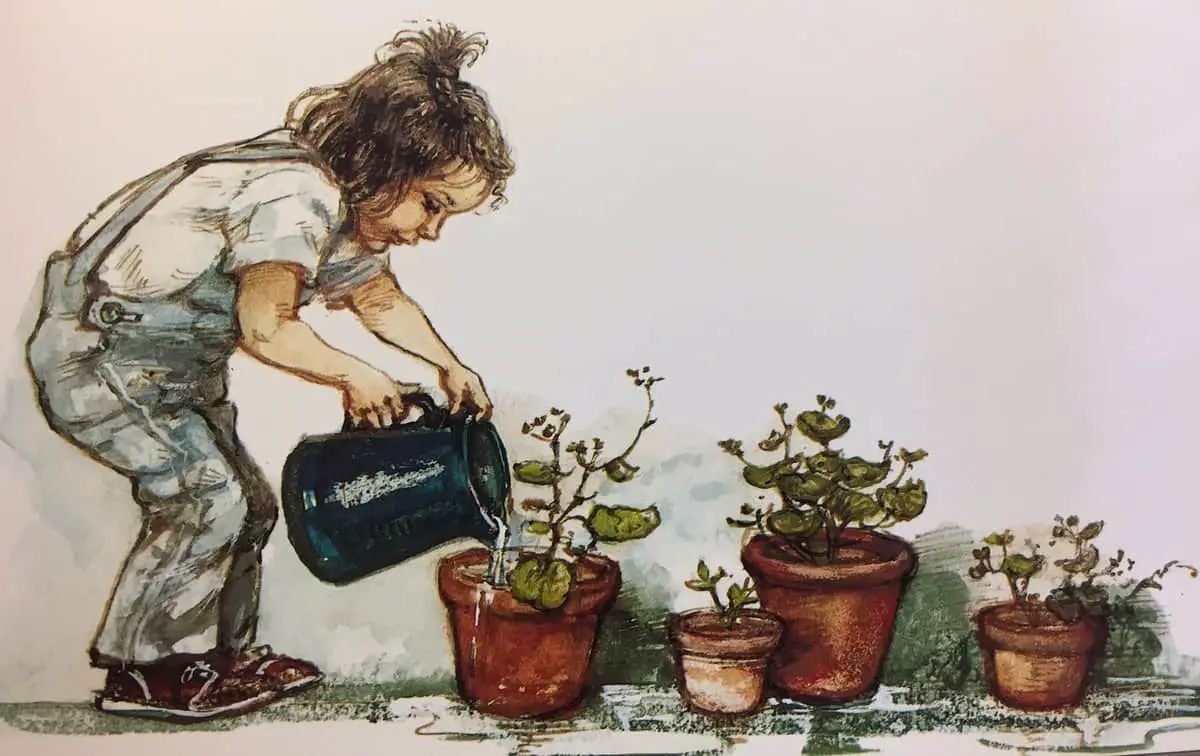
Moving Molly may sound like a drug dealer’s handbook but is also a children’s picture book written and illustrated by Shirley Hughes (1981). Shirley Hughes is one of the big name picture book storytellers from my childhood. Another favourite is Dogger. I’ve also analysed Up and Up on this blog. I know that Shirley Hughes’s
-
The Hare and the Tortoise
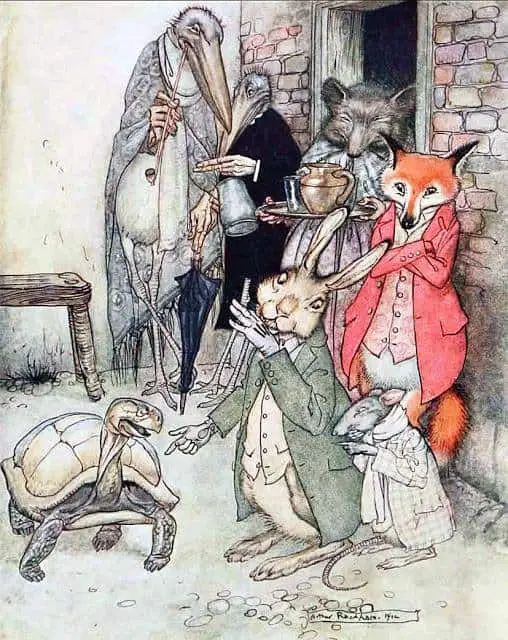
You win some, you lose some. Aesop was an equal opportunity storyteller and the tortoise of fables sometimes gets a raw deal. But not this particular tortoise. Sometimes it’s “The Hare and the Tortoise”, sometimes it’s “The Tortoise and the Hare”. This tortoise just goes about his business and wins the day. I’ve never once
-
The Doll House Picture Book by Karas and Riches Analysis
The Doll House is a 1993 picture book written by Jacqueline Karas and illustrated by Judith Riches. Yesterday I took a close look at a short horror story by M.R. James called “The Haunted Dolls’ House” so today I thought I’d take a closer look at how picture book storytellers deal with the trope of
-
The Haunted Dolls’ House by M.R. James Short Story Analysis
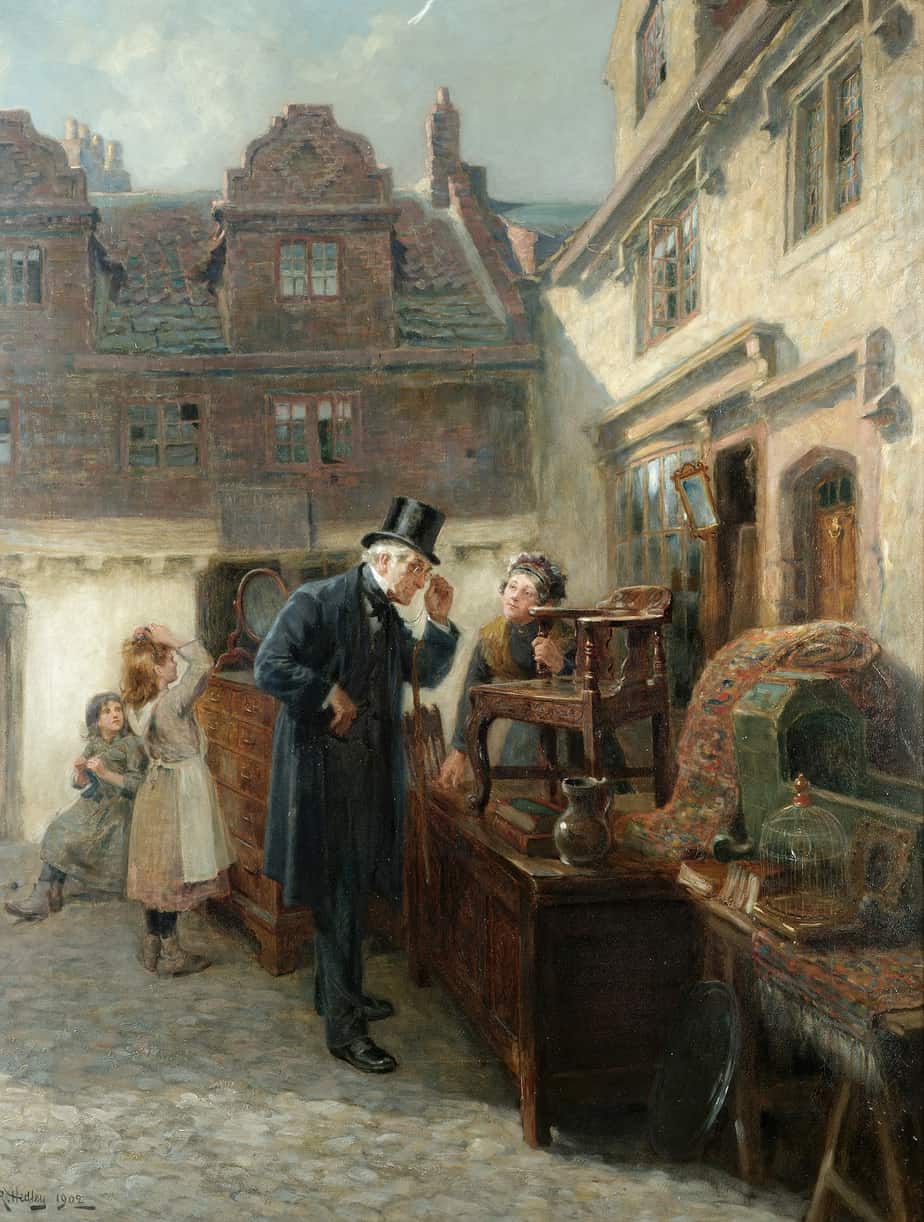
“The Haunted Dolls’ House” (1923) is a short ghost story by Montague Rhodes James. Being out of copyright, you can read it at Project Gutenberg. WHERE TO LISTEN You may be able to unearth the BBC dramatization of this short story somewhere e.g. on YouTube. “The Haunted Dolls’ House” was broadcast 1 January 1998. Here’s
-
Little House On The Prairie Analysis
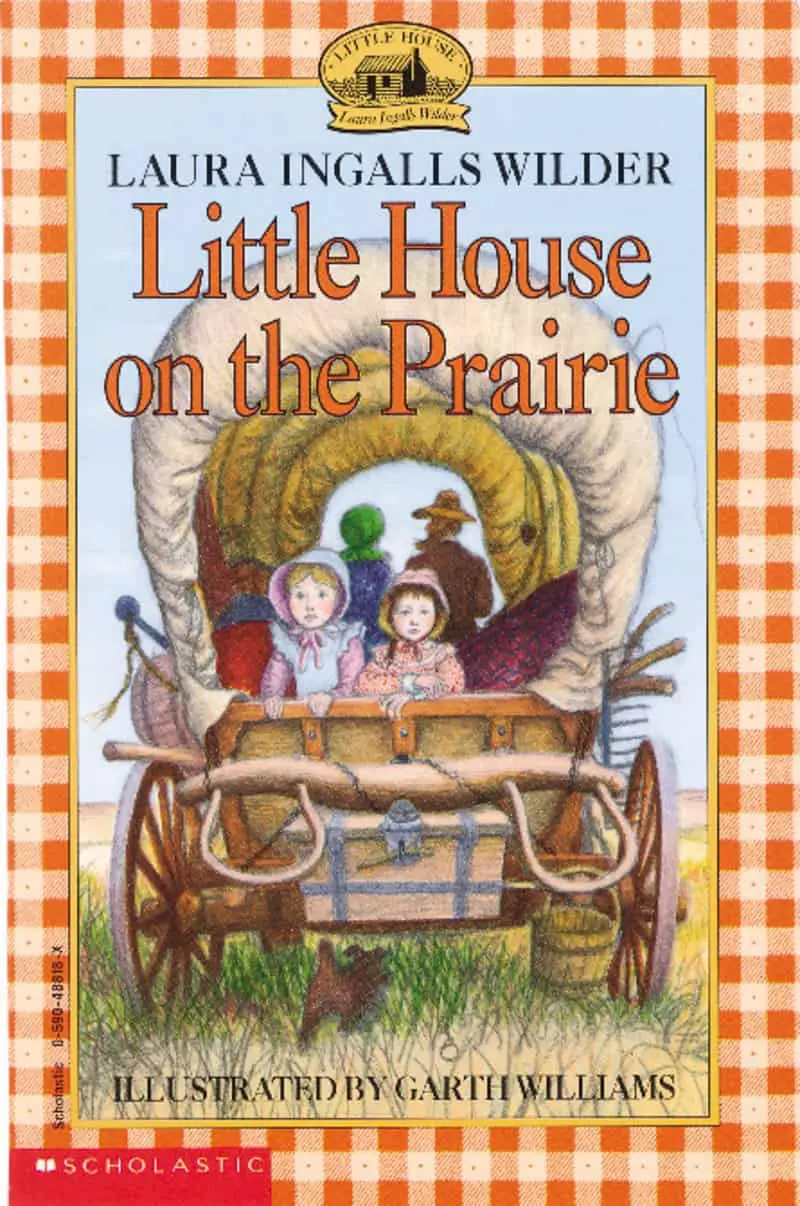
Should parents expose our modern kids to Little House On The Prairie, given the uncomfortable realities?
-
Mister Magnolia by Quentin Blake Analysis
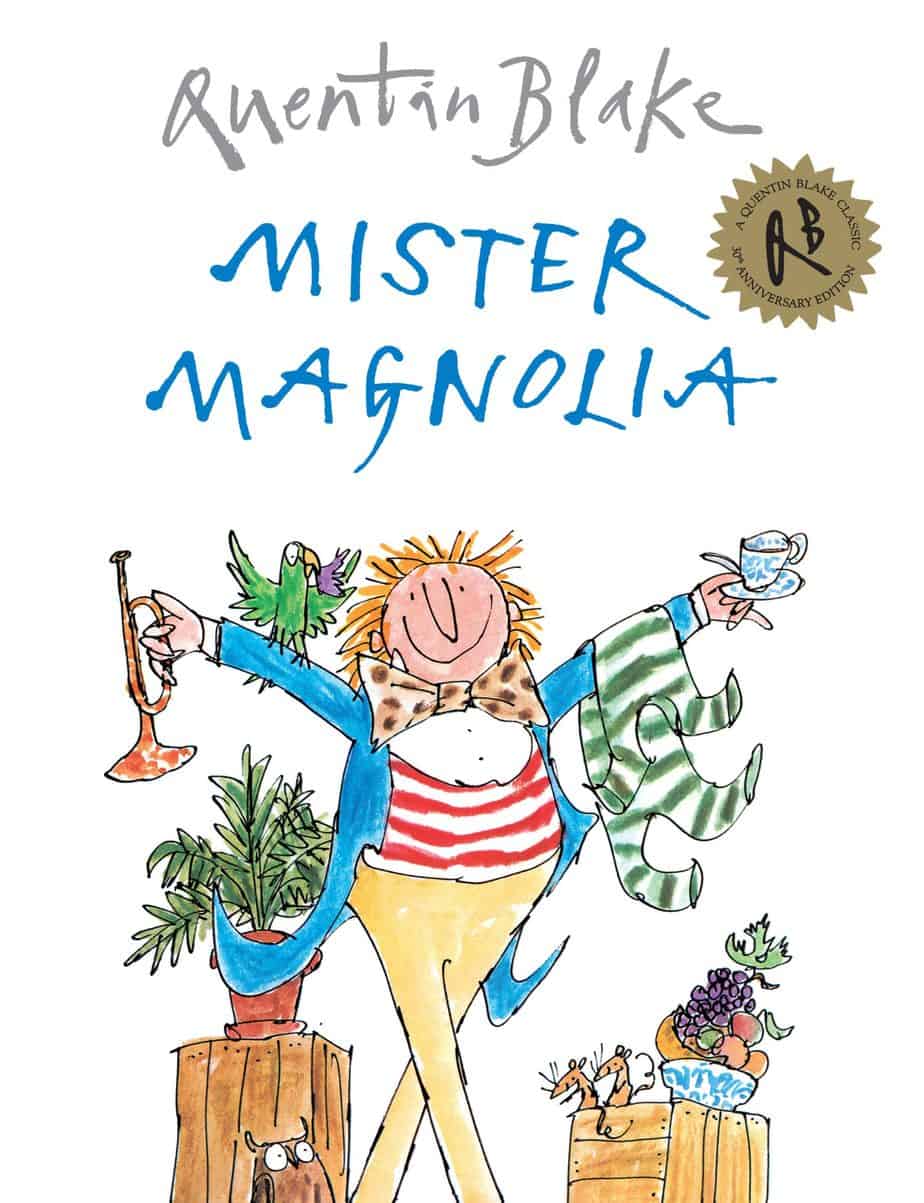
Mister Magnolia is a picture book written and illustrated by Sir Quentin Blake. It won the Kate Greenaway Medal in 1980, and the Red House Children’s Book Award in 1981. This story is an excellent lesson in simplicity.
-
Tigers, Lions and Other Big Cats
LIONS How tf did lions become the symbol of bravery? They are the biggest and the strongest and they use that strength to eat the weaker animals. What exactly makes them brave?? Existential Comics (@existentialcoms) November 17, 2019 Tiger is big. Tiger is tough. And Tiger has an important note for you. Dear Reader,WATCH OUT
-
Rocks, Stones, Brick, Paving and Concrete In Art
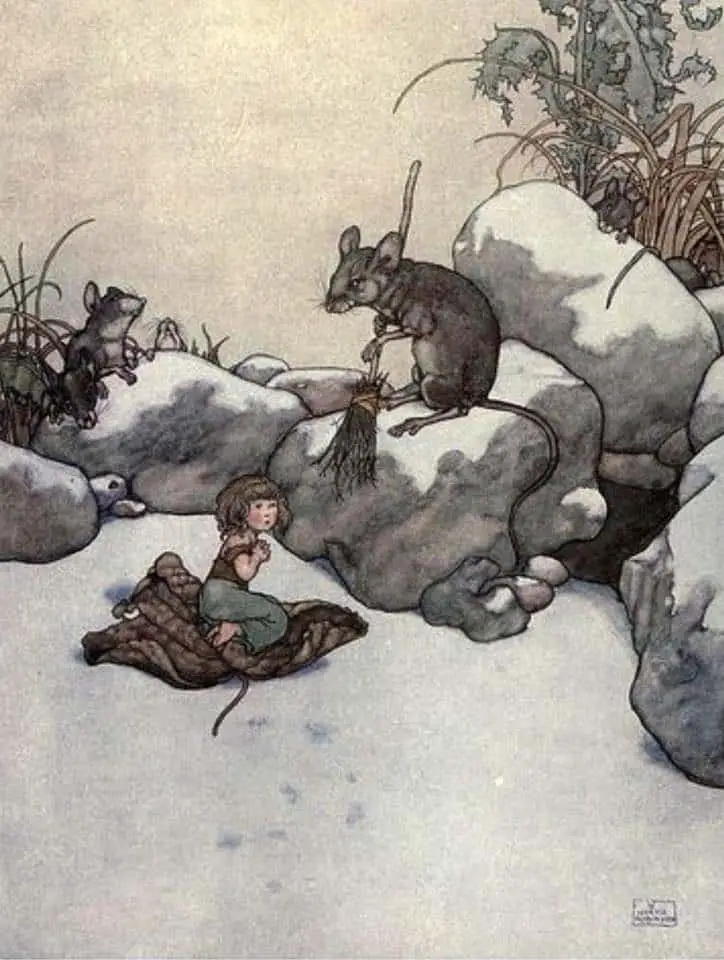
I grew up in Christchurch, New Zealand, and occasionally visited The Christchurch Art Gallery. In the viewing room to the left of the entrance hall there was an especially memorable painting. Every now and then I come across a piece of art which takes my breath away, and this was one of the first. When
-
The Home Hearth in Art and Storytelling
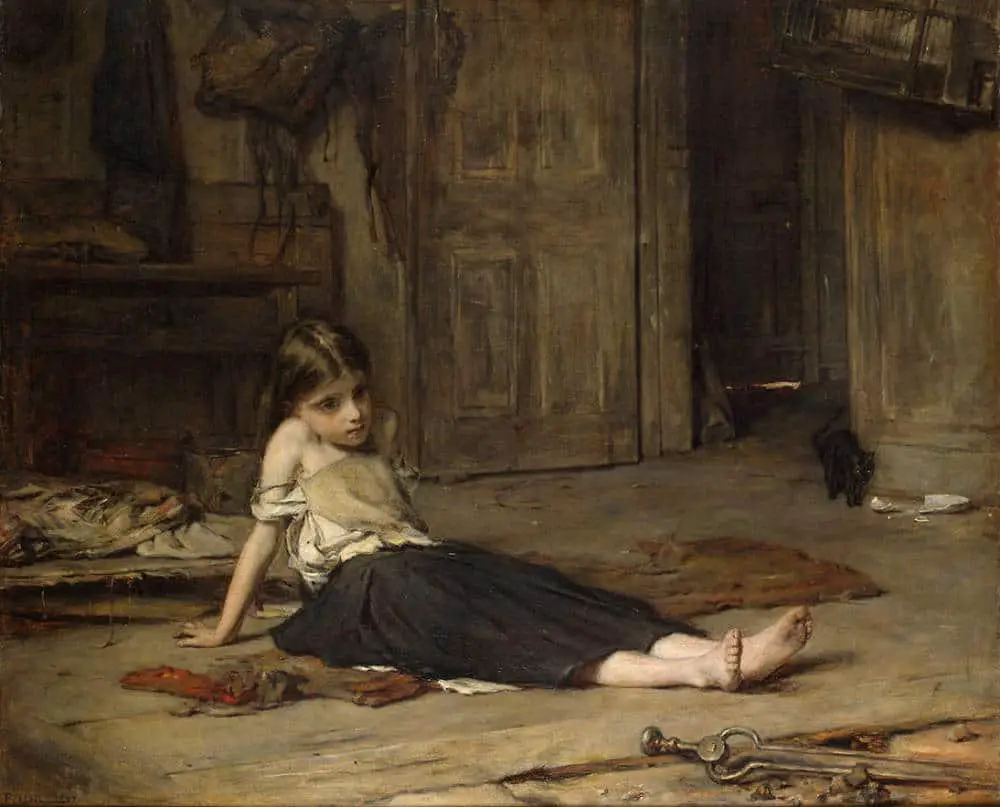
In his book Home, Witold Rybczynski describes a typical European house: Heating was primitive. Houses in the sixteenth century had a fireplace or cookstove only in the main room, and no heating in the rest of the house. In winter, this room with its heavy masonry walls and stone floor was extremely cold. Voluminous clothing,