-
Just A Dream By Chris Van Allsburg Analysis
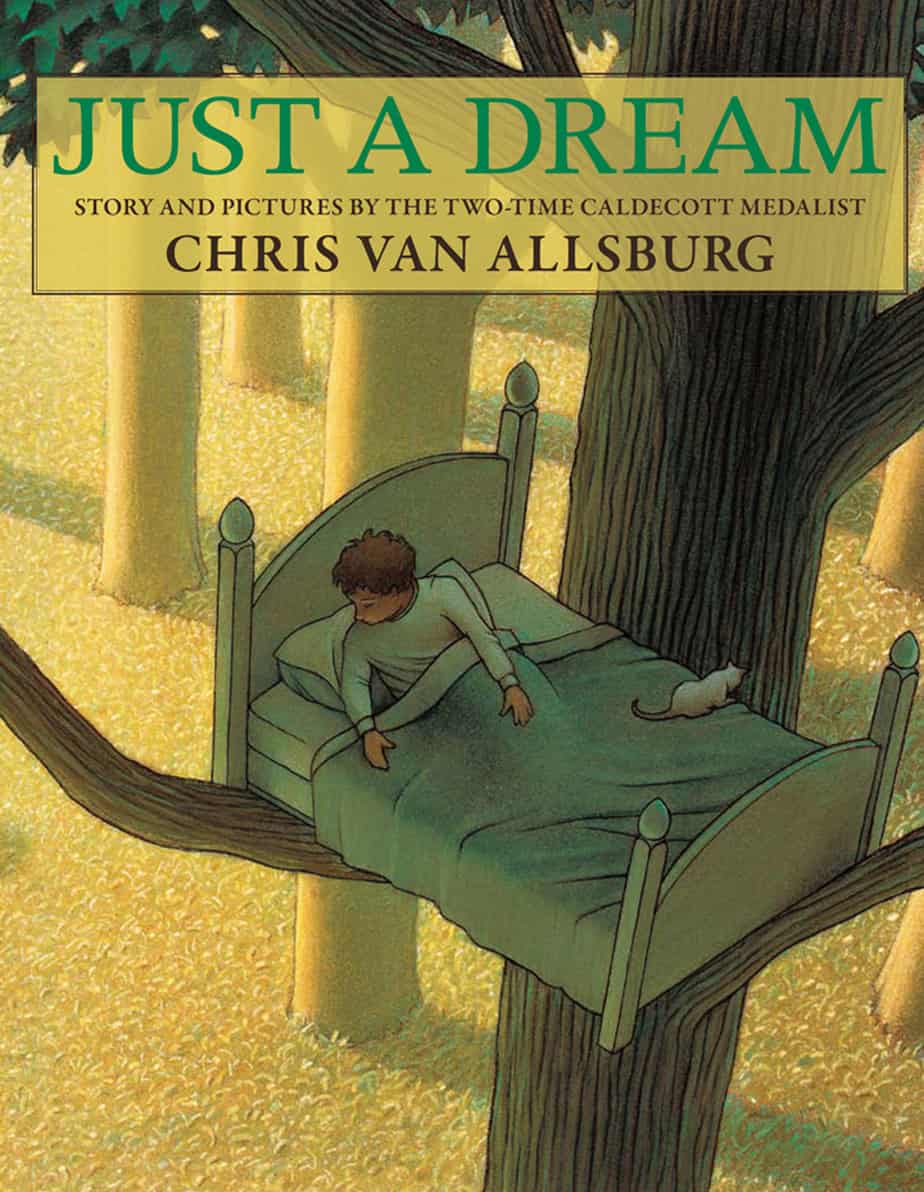
Just a Dream by Chris Van Allsburg (1990) is a picture book with an environmental message typical of its era. As part of the corpus of children’s literature with environmental messages, the 1990s offered many excellent children’s book examples of the now-outdated ‘personal responsibility’ message. Around this time children received the ‘good people recycle’ message. This replaced the ‘good people…
-
The Cider Duck by Joan Woodberry Analysis
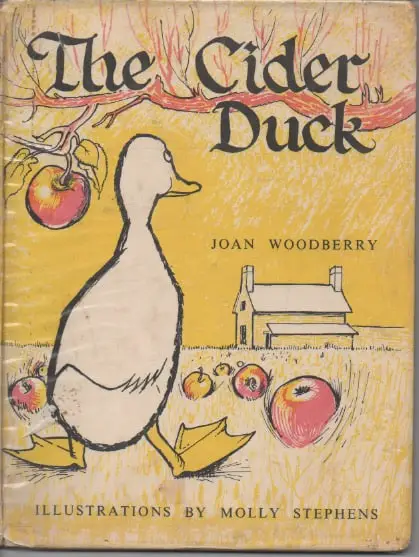
The Cider Duck (1969) is an Australian picture book written by Joan Woodberry and illustrated by Molly Stephens. ABOUT THE AUTHOR AND ILLUSTRATOR Joan Woodberry (1921-2010) was an influential, widely-travelled Tasmanian feminist whose efforts made women’s lives palpably better in Tasmania. Finding information on Molly Stephens is a little more difficult partly because she was also known as Molly Pascall,…
-
The Tale Of Pigling Bland by Beatrix Potter Analysis
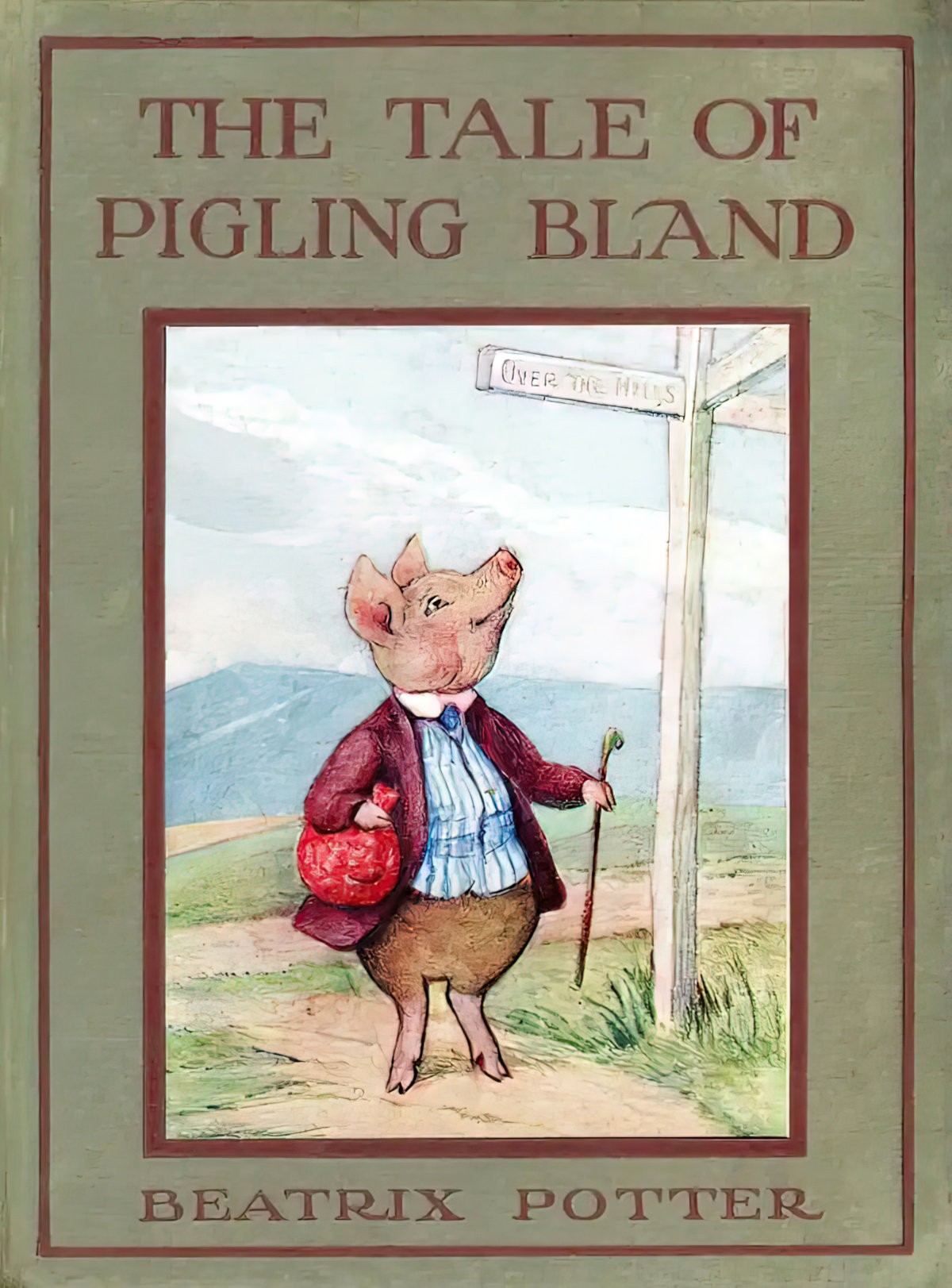
As you read “The Tale of Pigling Bland” (1913) imagine Beatrix Potter sitting in a pig shed with her art gear and muck boots on, because that’s how she spent one summer, diligently rendering pigs (and then decking them out in clothes). Apparently she struggled to knock this one out. She’d had a big year.
-
The Adventures Of Beekle by Dan Santat Analysis
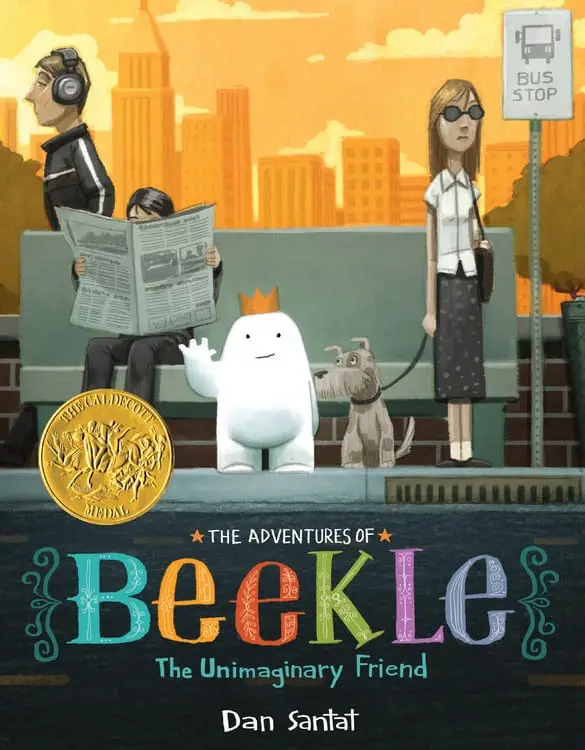
The Adventures of Beekle is a picture book by Dan Santat and winner of the 2015 Caldecott Medal. Santat’s picture books make excellent close-reading examples for discussion about colour as it relates to emotion. The New York Times compares Beekle to Where The Wild Things Are by Maurice Sendak. I see many similarities between Beekle and Australia’s own The Lost…
-
A Couple Of Boys Have The Best Week Ever by Marla Frazee Picture Book Analysis
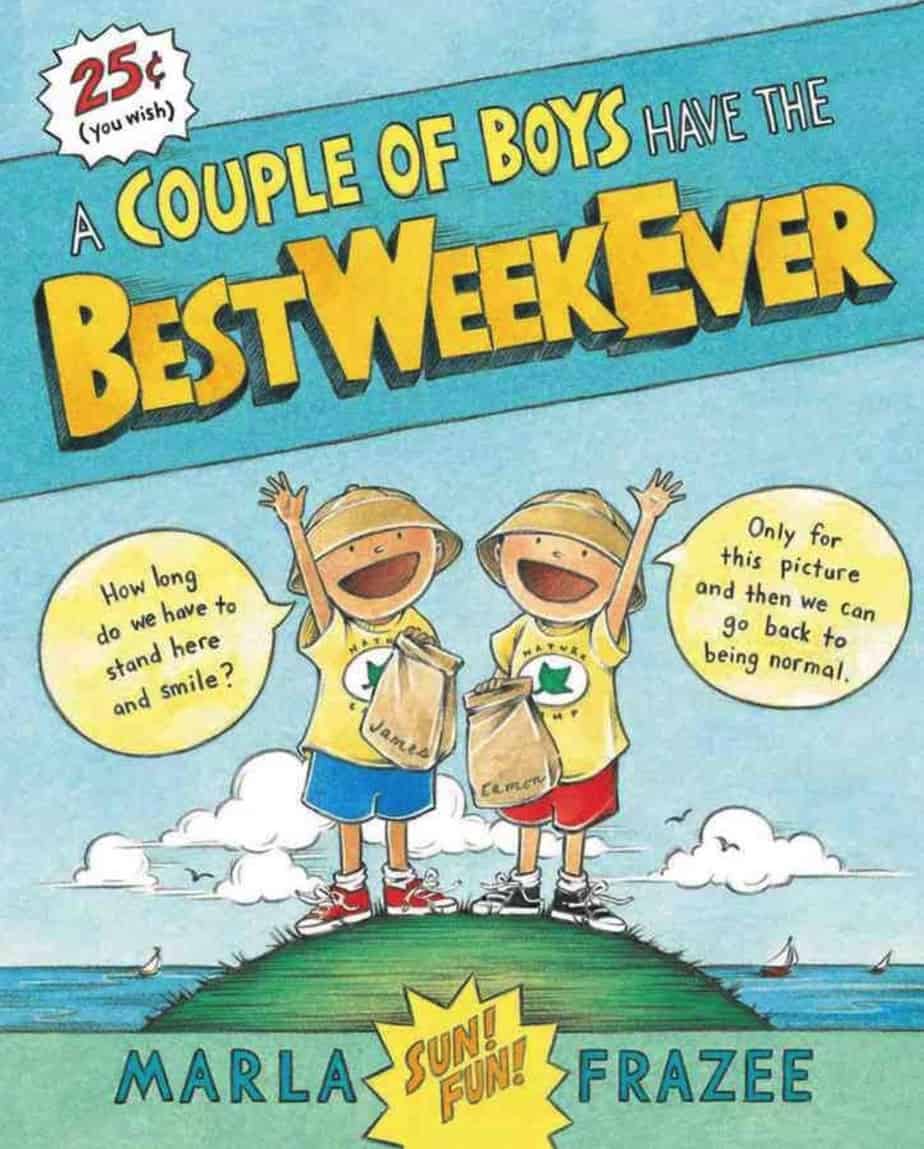
A Couple Of Boys Have The Best Week Ever (2008), written and illustrated by Marla Frazee, was a Caldecott Honor book and garnered starred reviews from the big hitters. Today I’m taking a close look at what makes this book so good. A PICTURE BOOK FOR PICTURE BOOK ENTHUSIASTS It starts with the cover. This is a picture book for…
-
Mercy Watson Thinks Like A Pig by Kate diCamillo Analysis
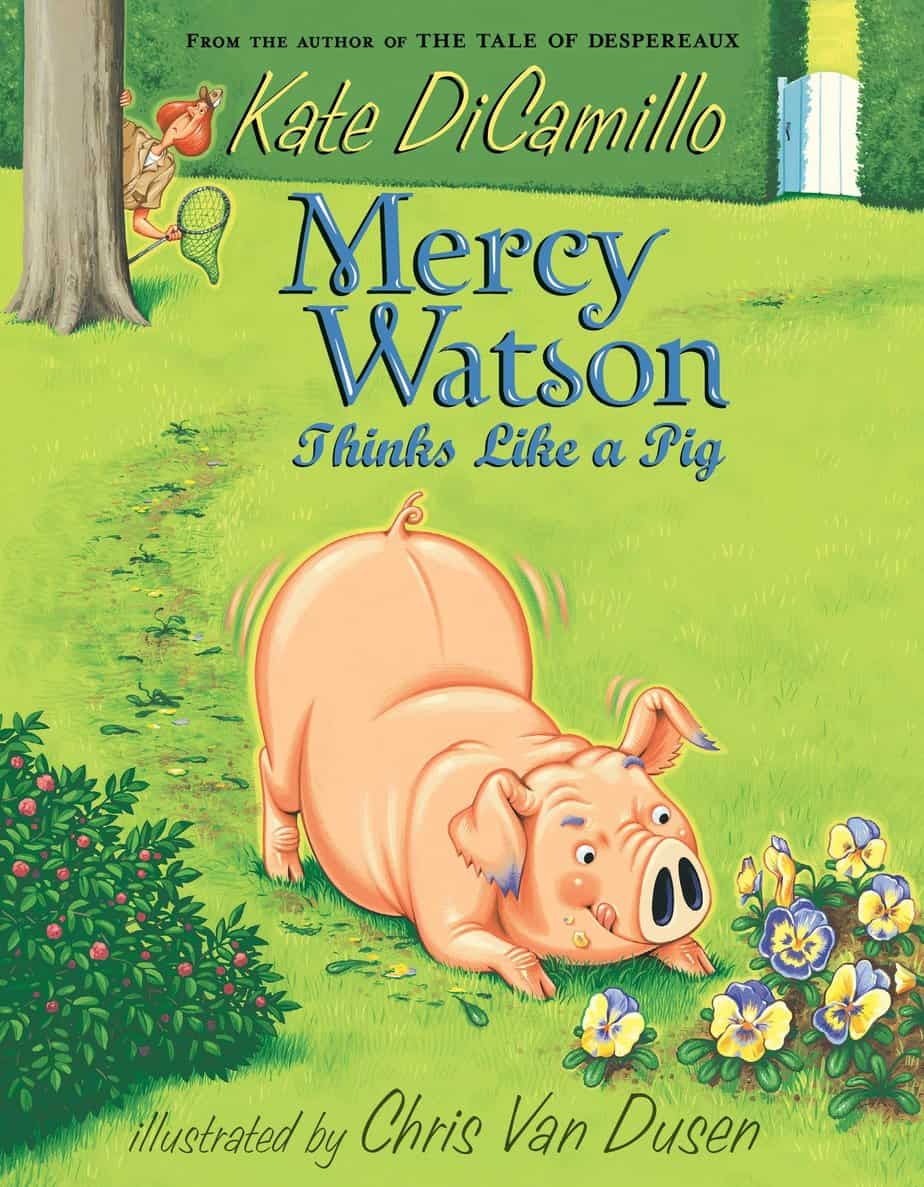
Kate diCamillo’s Mercy Watson series are genius examples of funny, endearing, broad-audience picture books. There’s so much to learn. Today I take a deep dive into Mercy Watson Thinks Like A Pig. Eugenia and Baby Lincoln may live next door to a pig, but that doesn’t stop them from living a gracious life. And the amiable Mercy Watson is equally…
-
Mercy Watson Fights Crime by Kate diCamillo Analysis
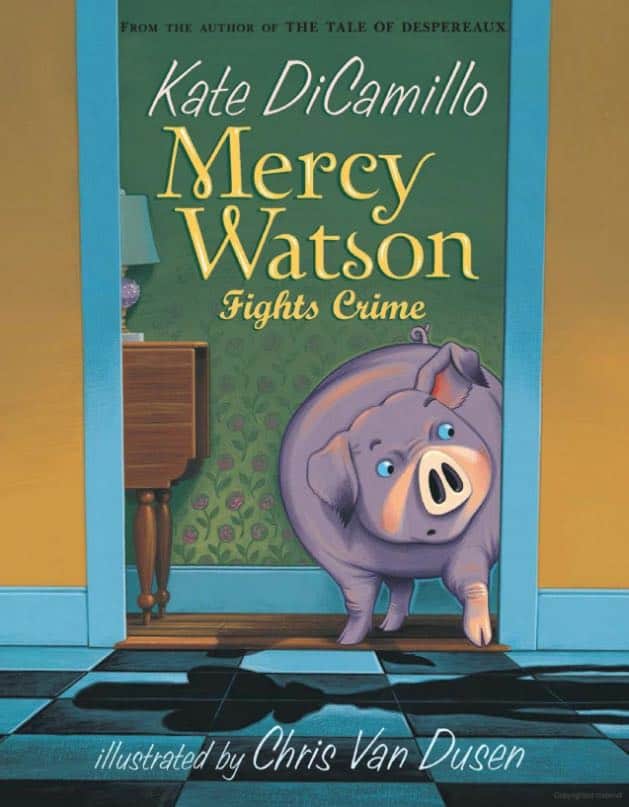
“Mercy Watson Fights Crime” is book number three in the Mercy Watson series by Kate diCamillo, first published 2006. This series is beautifully illustrated by Chris Van Dusen. SETTING OF MERCY WATSON FIGHTS CRIME Where in America is this series set? Based only on fictional representations, this feels Southern to me. (Do Americans get that? I have to guess.) ERA…
-
The Tale of Mr Jeremy Fisher by Beatrix Potter Analysis
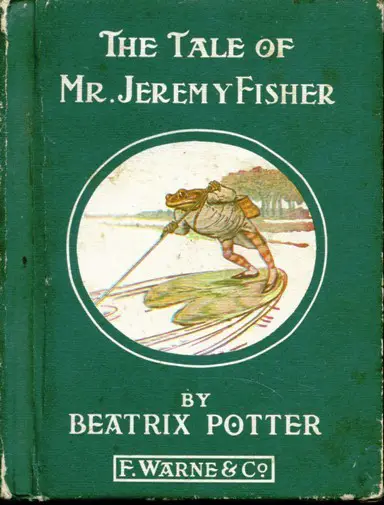
The Tale of Mr. Jeremy Fisher (1906) is one of Beatrix Potter’s more popular stories, and is an excellent example of how to write a sympathetic main character. Publishers had been telling Potter since she wrote it in 1893 for her last nanny’s son that frogs aren’t cute and fluffy enough to warrant main character status in children’s literature. This…
-
Mrs Tiggy-Winkle by Beatrix Potter Analysis
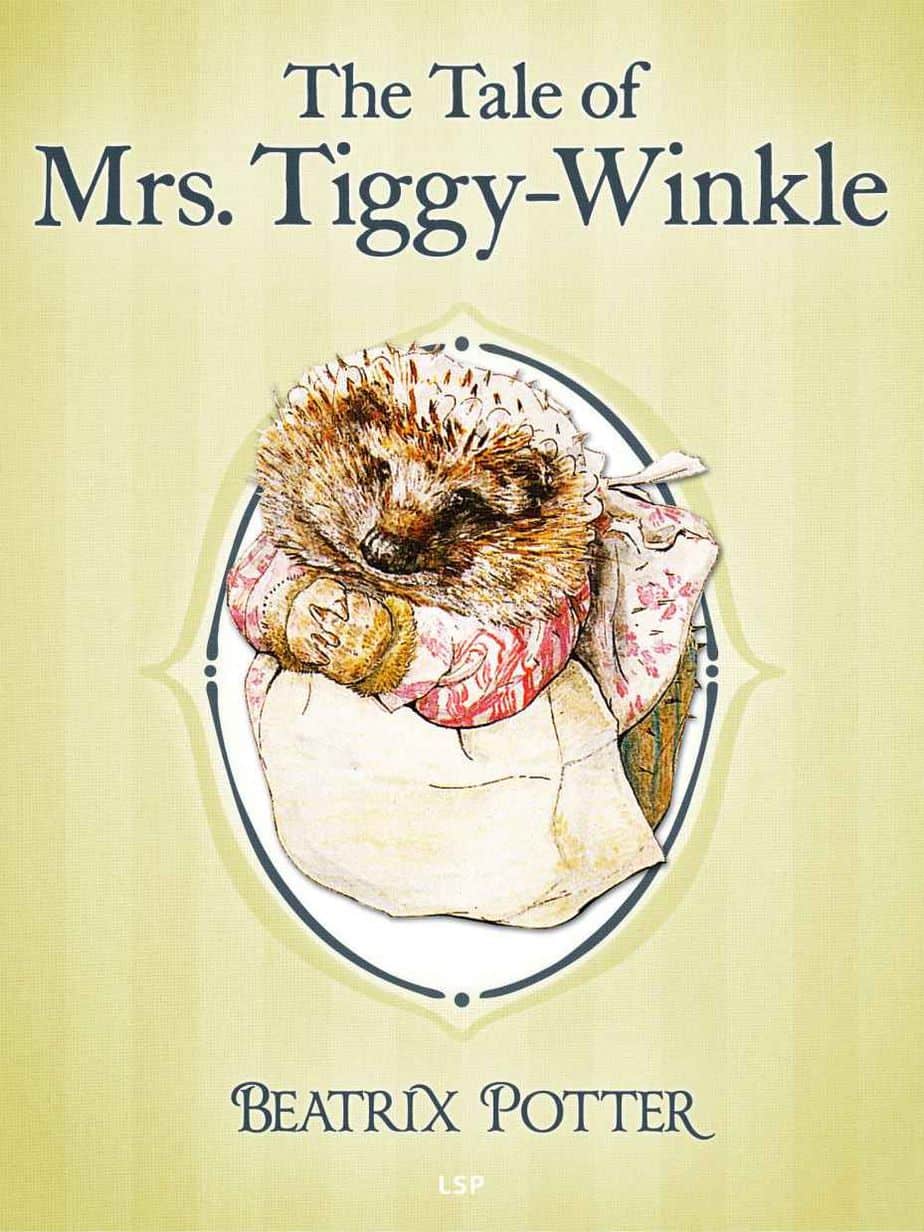
Beatrix Potter wrote Mrs. Tiggy-Winkle specifically to appeal to girls. She thought that Lucie’s feminine garb, with its emphasis on the lost clothing items (o, calamity!), would appeal to girls especially. Even today, authors and publishers are creating children’s books for the gender binary* e.g. this book will appeal to boys because X; this will appeal to girls because Y.…
-
The Tale of Timmy Tiptoes by Beatrix Potter Analysis
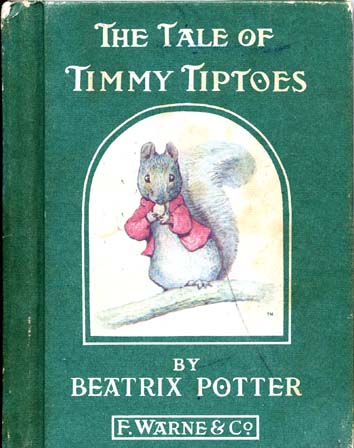
Beatrix Potter was already popular by the time she published The Tale of Timmy Tiptoes (1911). The introduction to our 110th anniversary copy says the tale was created specifically to appeal to a new, American audience, with the inclusion of chipmunks. Unfortunately, Beatrix had never seen a chipmunk in real life. She must have relied upon photos when illustrating the…
-
The Tale of Mr Tod by Beatrix Potter Analysis
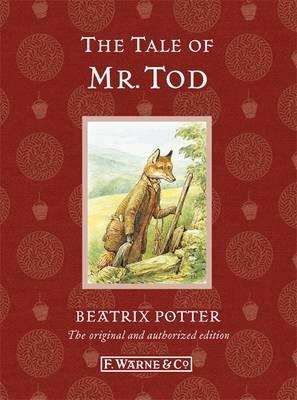
The Tale of Mr. Tod by Beatrix Potter (1912) is a child-in-jeopardy crime thriller. See my post on thrillers and also my post on secrets and scams.
-
The Tale of Ginger and Pickles by Beatrix Potter Analysis
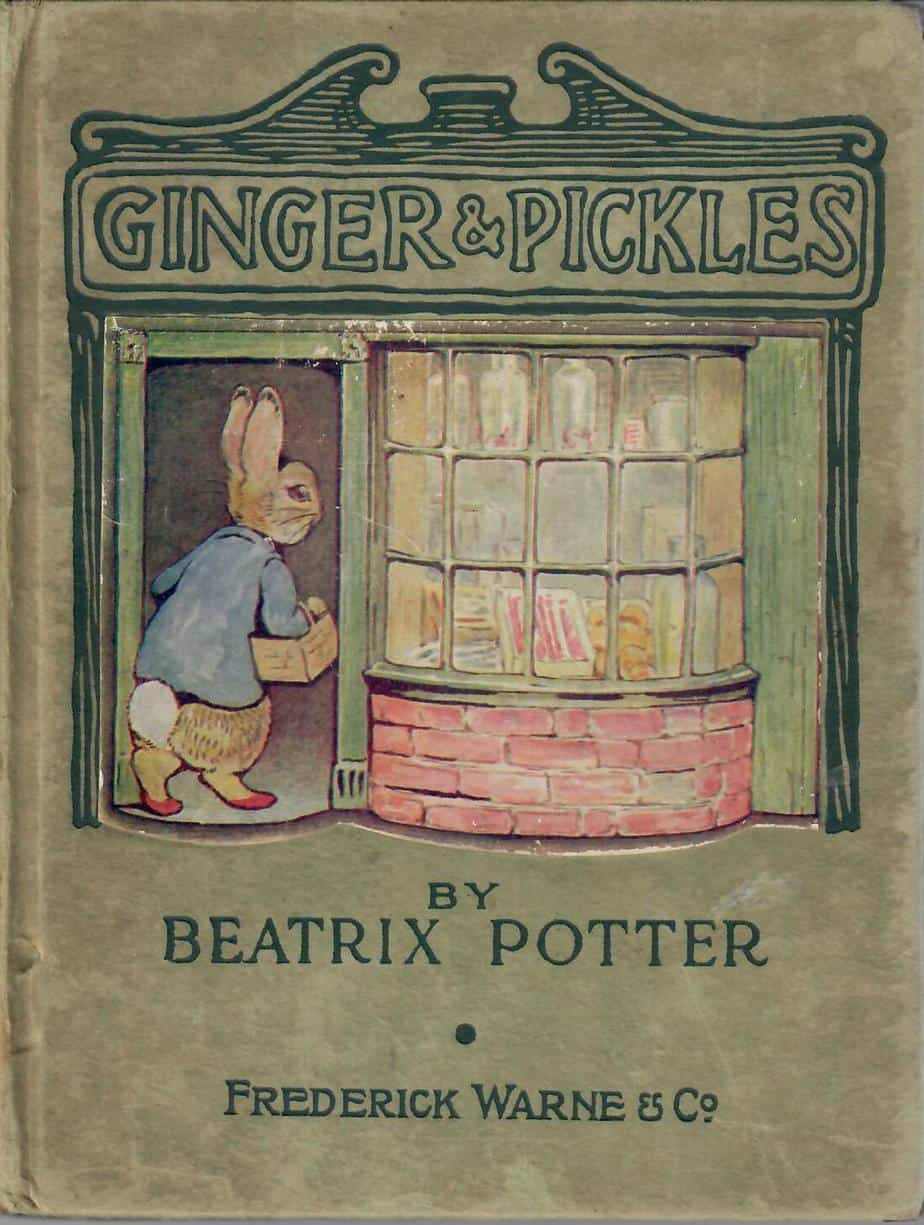
The Tale of Ginger and Pickles by Beatrix Potter is a story of utopian, idealised capitalism, first published 1909. This is how we’d all like capitalism to work — small local businesses provide goods and services; those friends providing the best goods and services win out, those ill-suited to small business find other, more suitable occupations. All is fair and…
-
The Headless Bust by Edward Gorey Analysis
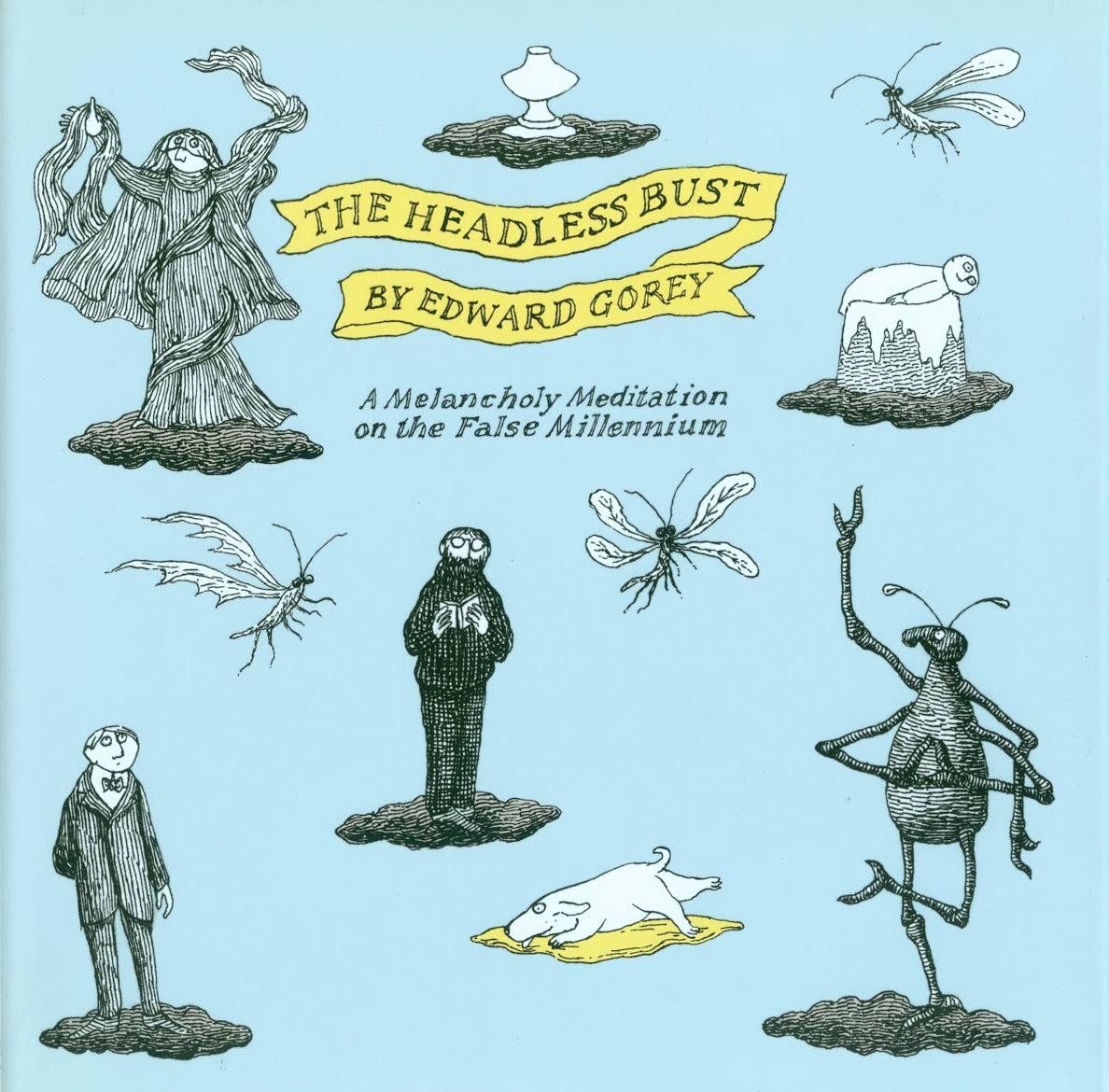
“The Headless Bust” is the sequel to “The Haunted Tea-Cosy”, which I tried to decipher the other day (with limited success). This one is actually a little easier to understand and we are basically given a pass for not understanding it anyway:
-
Don’t Let The Pigeon Drive The Bus! by Mo Willems Analysis
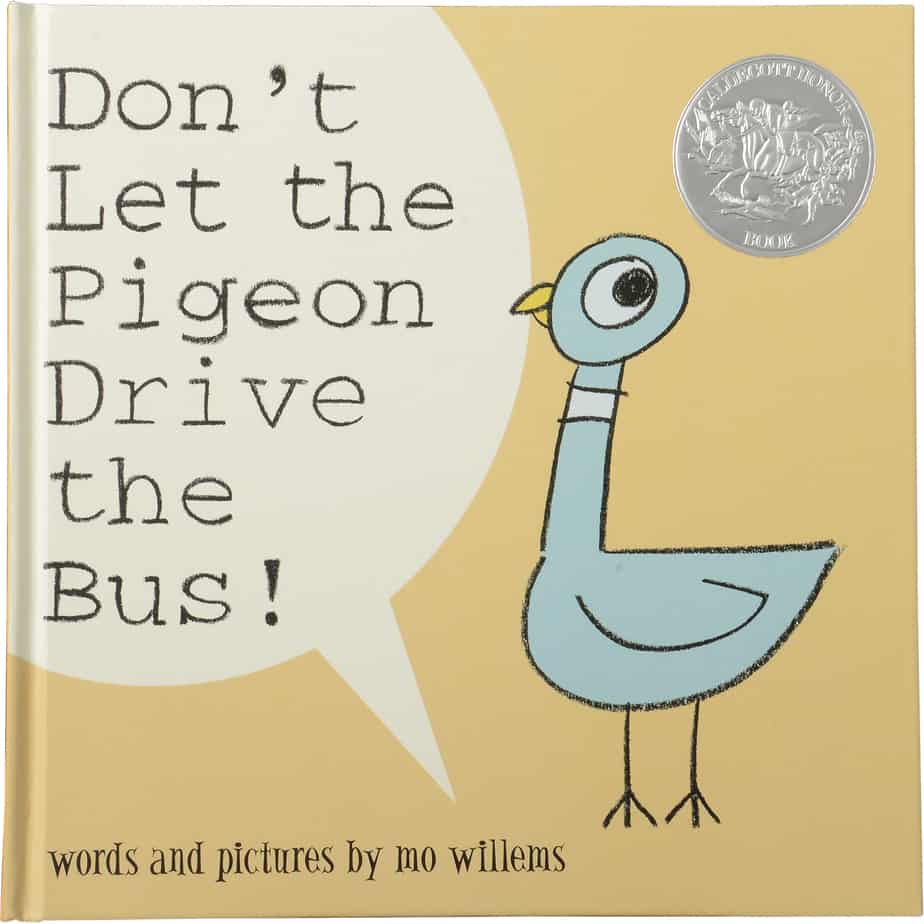
A comparison between Mo Willems’ Don’t Let The Pigeon Drive the Bus! and another from the same series, The Pigeon Wants A Puppy, highlights certain shared comedy writing techniques found in both. TECHNIQUES OF NOTE Directly addressing the young reader A main character who eventually tries to trick the reader A big struggle scene featuring a tantrum A circular ending…
-
The Haunted Tea-Cosy by Edward Gorey Analysis
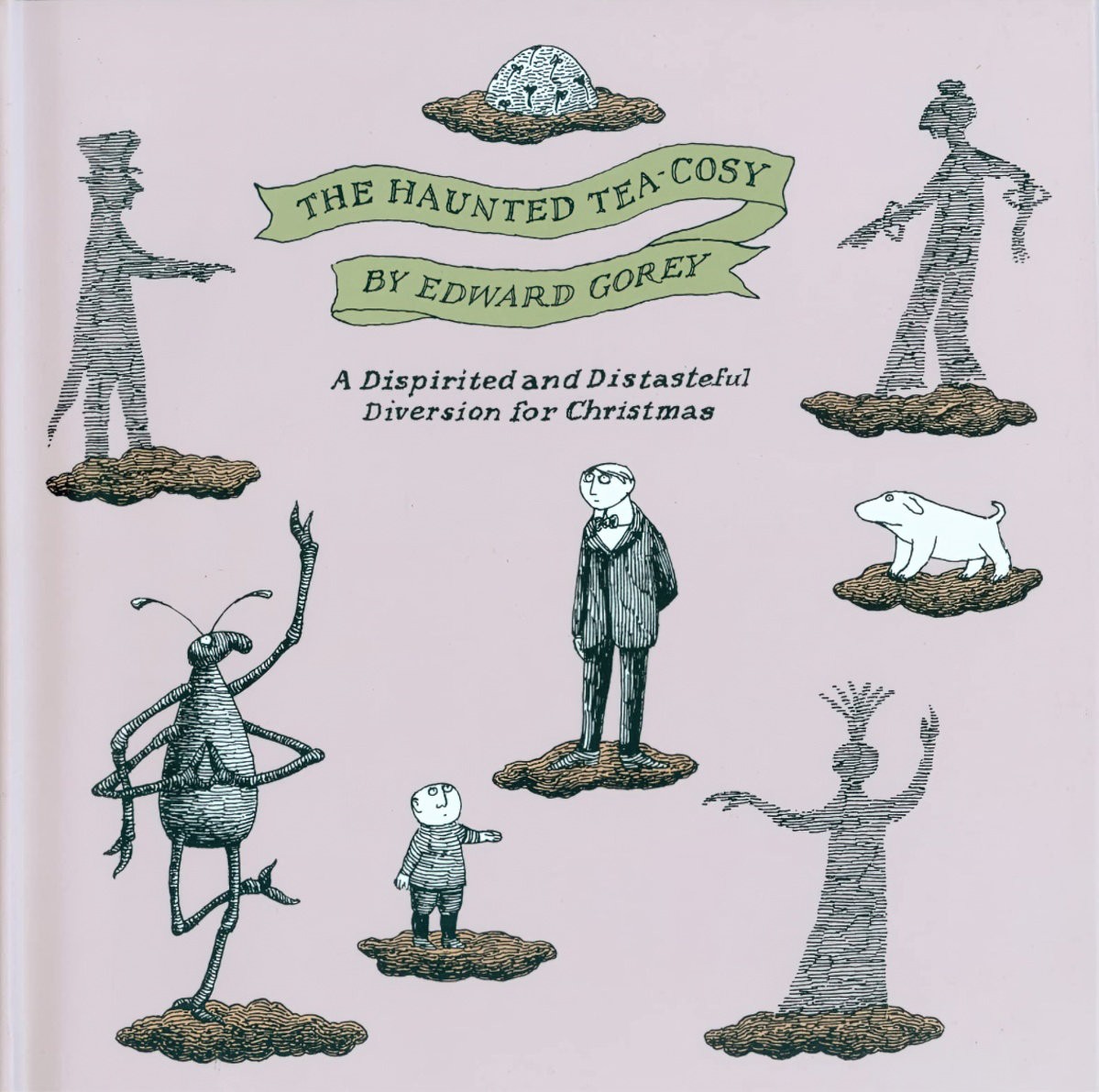
Edward Gorey was an American writer and illustrator who died in the year 2000. The Haunted Tea-Cosy: A Dispirited and Distasteful Diversion for Christmas is a picture book for adults, based on the cartoons first published in the December issue of the New York Times Magazine, 1997. Bloomsbury picked it up in an early-Internet era to introduce Gorey to British…