-
Piper by Emma Chichester Clark Analysis
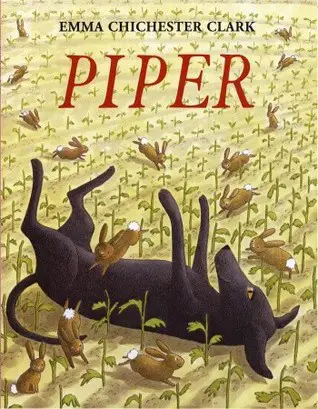
This month I wrote a post on Teaching Kids How To Structure A Story. Today I continue with a selection of mentor texts to help kids see how it works. Let’s look closely at a picture book called Piper by Emma Chichester Clark. Piper is a bit of a maudlin tale, and Piper the dog is similar to characters like Oliver (by…
-
Frog Went A Courtin by John Langstaff Analysis
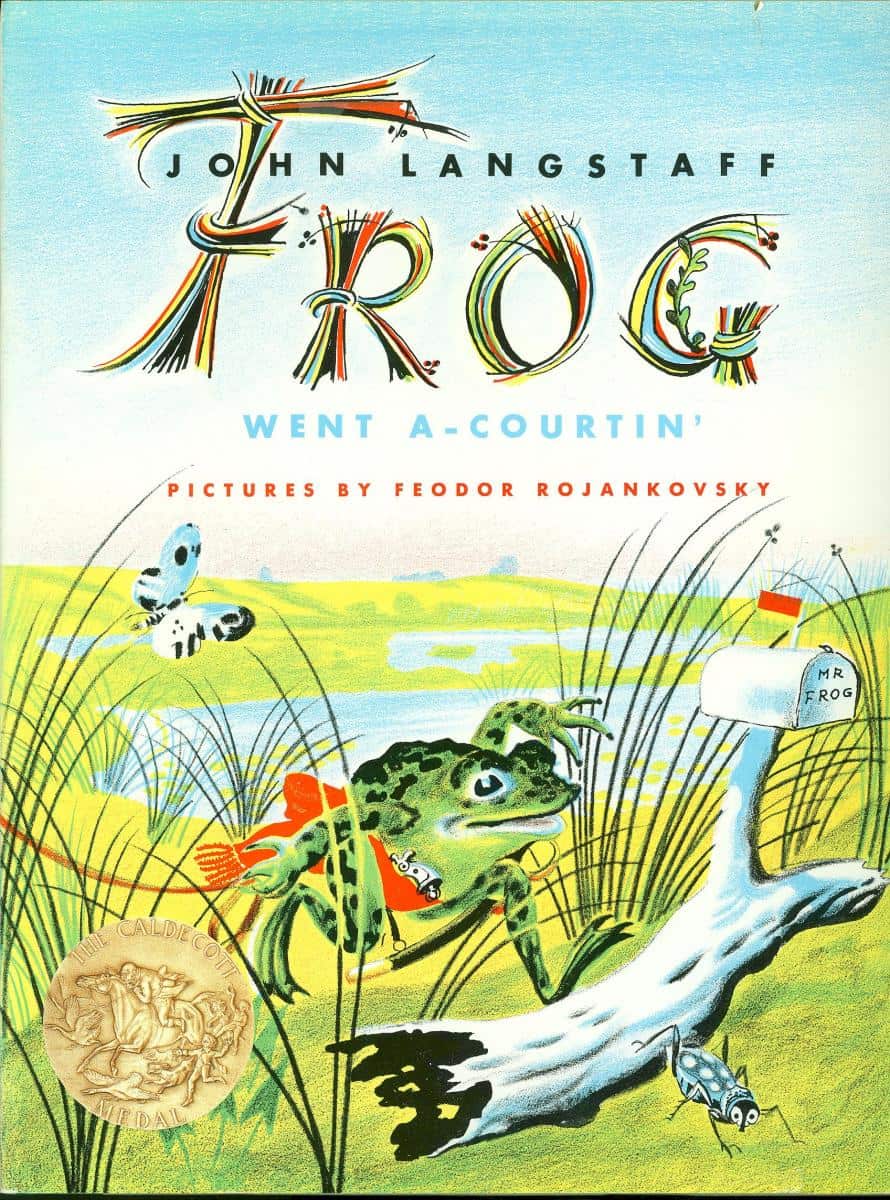
This month I wrote a post on Teaching Kids How To Structure A Story. Today I continue with a selection of mentor texts to help kids see how it works. Let’s look closely at Frog Went A-Courtin, a Scottish folk song from the 1500s, which was turned into an iconic picture book for children written by John Langstaff in 1955. There’s a…
-
Father Christmas by Raymond Briggs Analysis
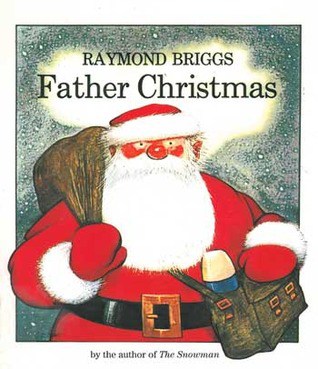
Some say that the very first British graphic novel was True Love (1981) by Posy Simmonds. Others would say it was Father Christmas by Raymond Briggs. This month I wrote a post on Teaching Kids How To Structure A Story. Earlier in the month I looked at a wordless picture book, The Snowman by Raymond Briggs. Today I continue with a…
-
Diary of a Wombat by Jackie French and Bruce Whatley Analysis
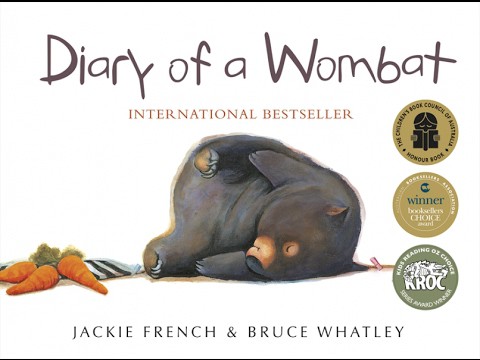
This month I wrote a post on Teaching Kids How To Structure A Story. Today I continue with a selection of mentor texts to help kids see how it works. Yesterday I analysed the structure of an Australian bush ballad. Today I stay in Australia, with the modern picture book classic Diary of a Wombat by Jackie French and Bruce…
-
The Chicken Book by Garth Williams Analysis
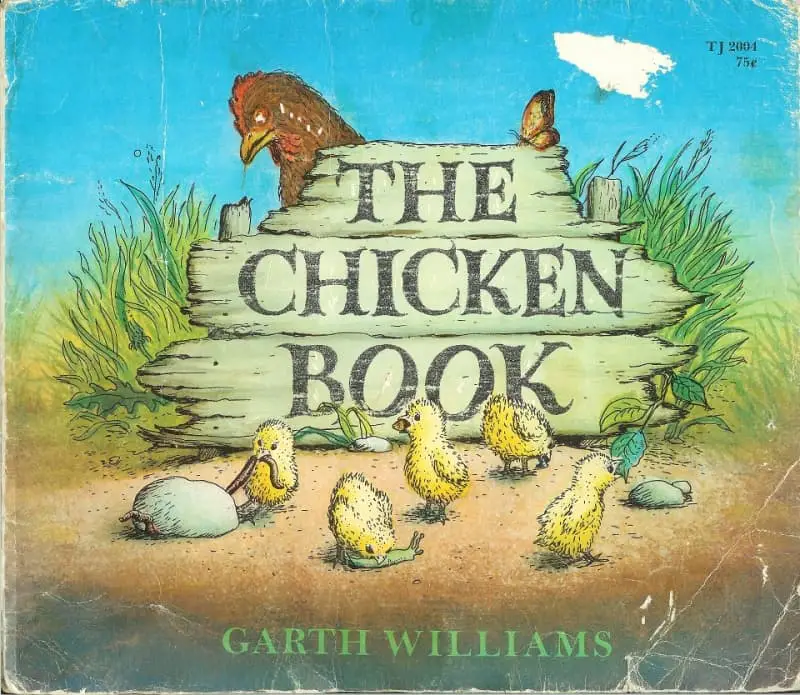
This month I’m blogging a series aimed at teaching kids how to structure a story. This seven-step structure works for all forms of narrative. It works for picture books, songs, commercials, films and novels. Today I take a close look at a story so simple you’d wonder how it could include all seven steps. Yet it does, between words and pictures.…
-
After The Fall by Dan Santat Story Analysis
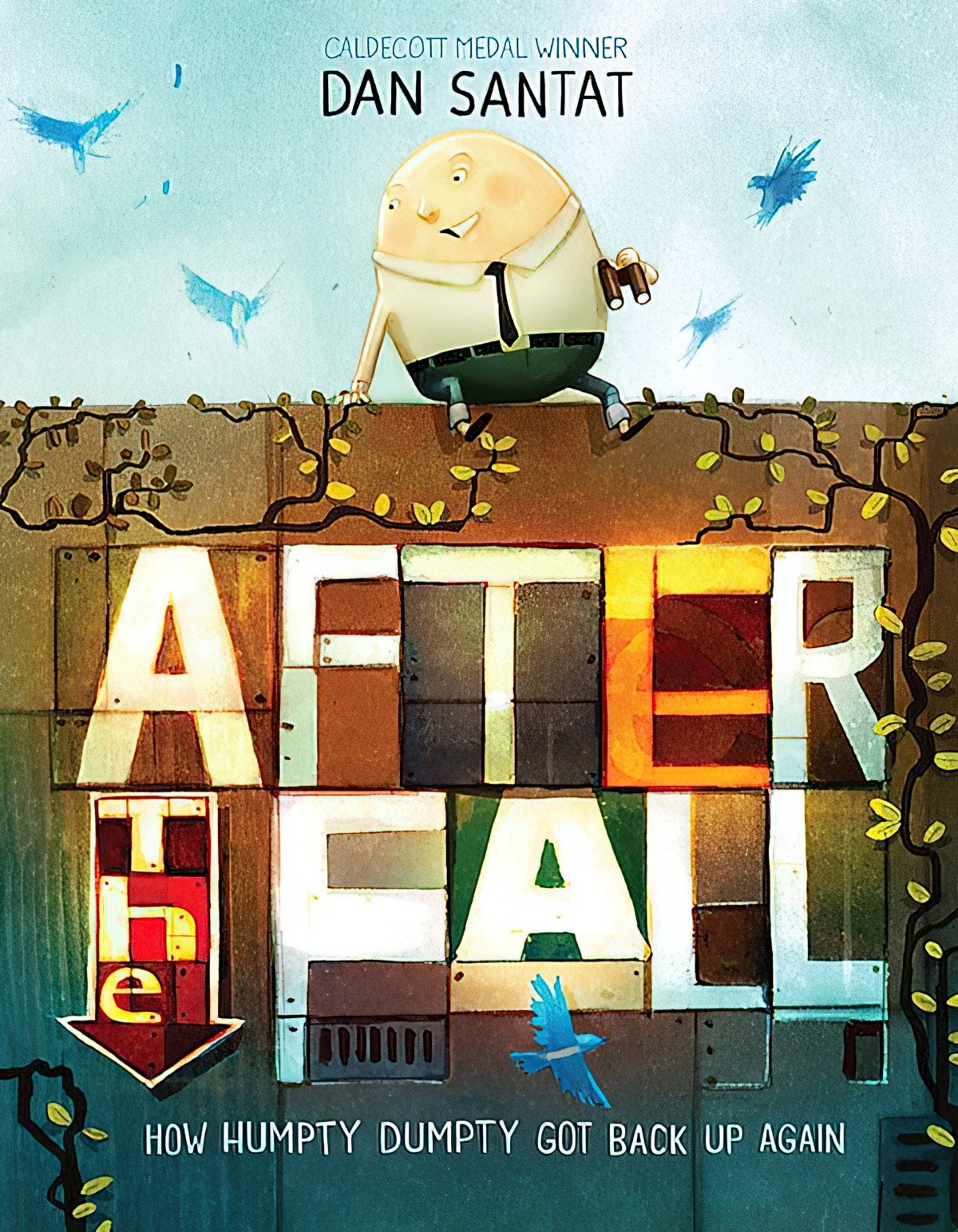
Earlier this month I wrote a post on Teaching Kids How To Structure A Story. Today as case study let’s look at Dan Santat’s After The Fall, a metaphorical picture book with a very simple storyline and a strong message. Still, this isn’t a didactic (preachy) message. Why not? Because it’s metaphorical. If you have a strong message you sure can…
-
The Really Ugly Duckling by Jon Scieszka and Lane Smith Analysis
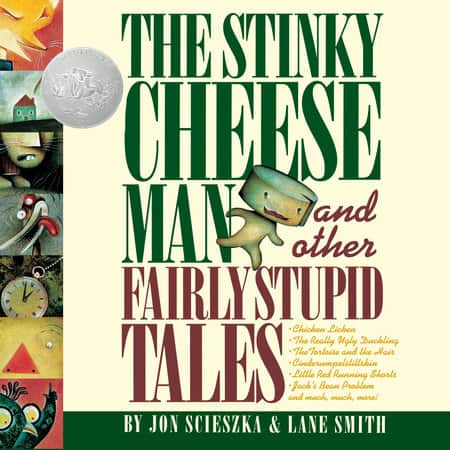
Earlier this month I wrote a post on Teaching Kids How To Structure A Story. Earlier this week I looked closely at Mac Barnett and Jon Klassen’s Sam and Dave Dig A Hole to show how this classic story structure can be turned upside down, ironically. Today ‘s story is The Really Ugly Duckling. The Stinky Cheese Man and Other Fairly Stupid Tales…
-
We Found A Hat by Jon Klassen Analysis
Earlier this month I wrote a post on Teaching Kids How To Structure A Story. Yesterday I looked closely at Mac Barnett and Jon Klassen’s Sam and Dave Dig A Hole. Today’s picture book is We Found A Hat, which is similar to Sam and Dave Dig A Hole. In both stories, a dream sequence flings the two characters into space,…
-
Sam and Dave Dig a Hole Picture Book Study Analysis
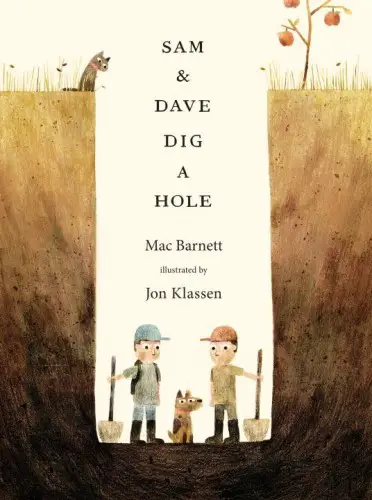
Earlier this month I wrote a post on Teaching Kids How To Structure A Story. Mac Barnett and Jon Klassen’s Sam and Dave Dig A Hole is useful as mentor text because it appears at first glance to break all the rules. This story does follow the rules of storytelling, but in an ironic way. Jon Klassen is a favourite picture…
-
Green Eggs and Ham by Dr Seuss Analysis
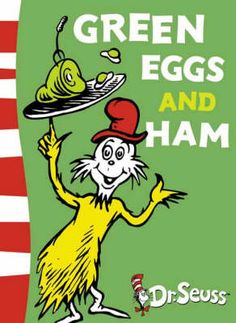
This month I’m blogging a series aimed at teaching kids how to structure a story. This seven-step structure works for all forms of narrative. It works for picture books, songs, commercials, films and novels. Today I take a close look at another Dr Seuss early reader, Green Eggs and Ham. Green Eggs and Ham is buddy comedy from the late 1950s…
-
I Had Trouble In Getting To Solla Sollew Analysis
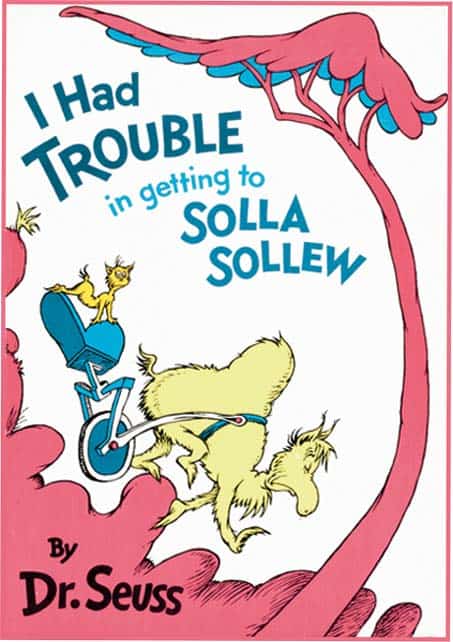
This month I’m blogging a series aimed at teaching kids how to structure a story. This seven-step structure works for all forms of narrative. It works for picture books, songs, commercials, films and novels. Today I take a close look at I Had Trouble In Getting To Solla Sollew by Dr Seuss. Solla Sollew is plotted using classic mythic structure. A character…
-
The Gruffalo by Julia Donaldson and Axel Scheffler Analysis
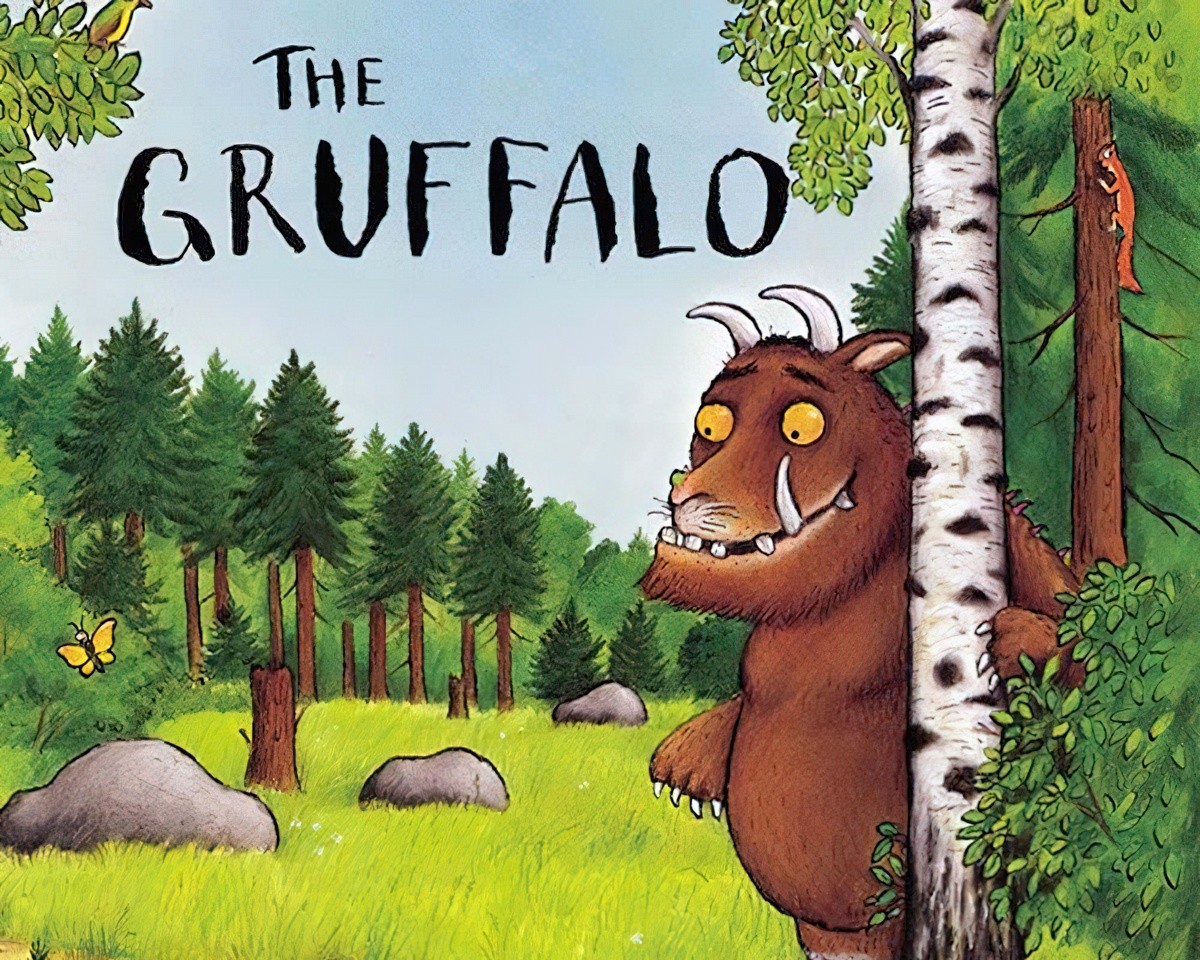
The Gruffalo is an example of mythic structure, which has been super successful as a story structure across cultures for the last 3000 years.
-
The Farmer and the Clown by Marla Frazee Analysis
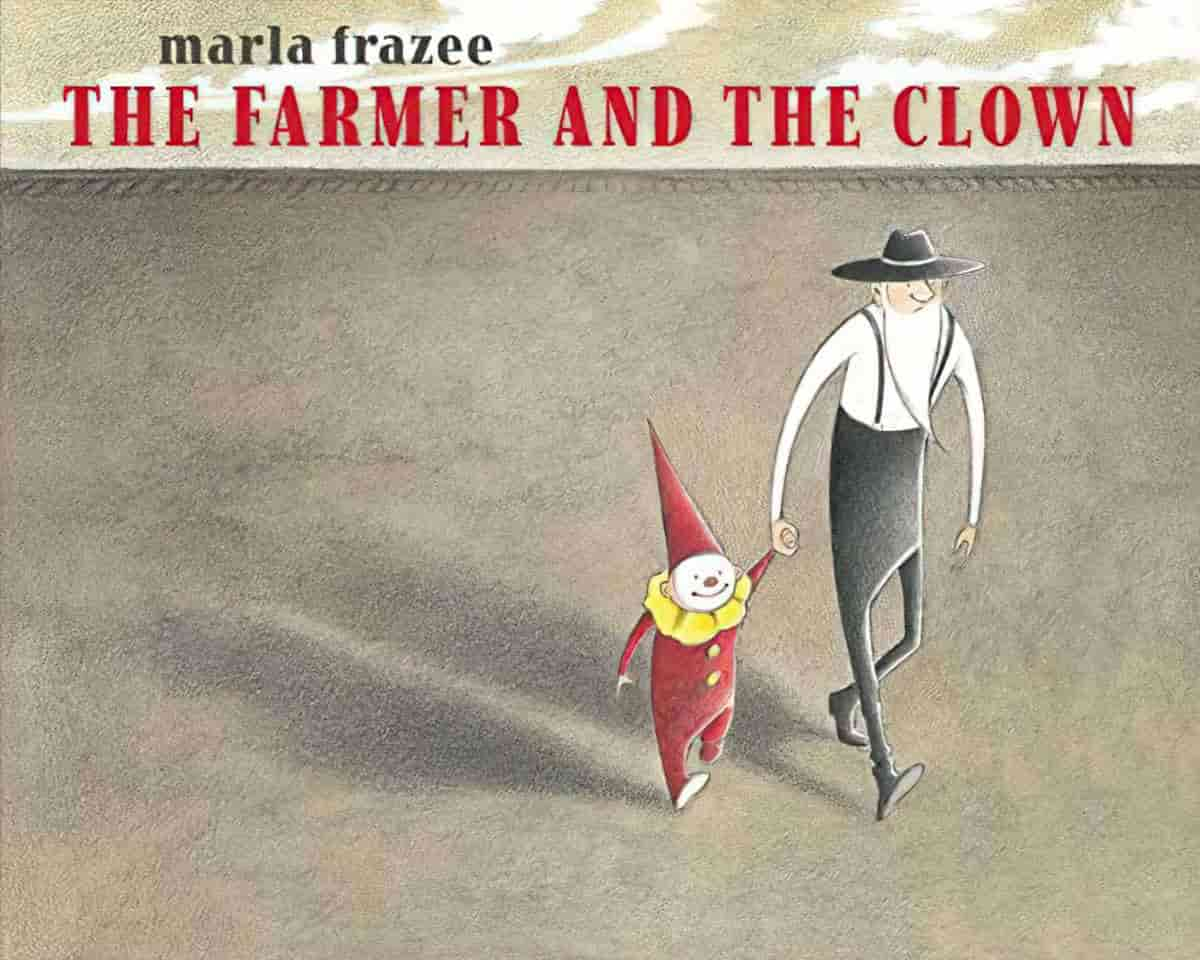
This month I’m blogging a series aimed at teaching kids how to structure a story. This seven-step structure works for all forms of narrative. It works for picture books, songs, commercials, films and novels. Today I take a close look at The Farmer and the Clown by Marla Frazee to show how universal structure exists behind all good stories, even…
-
Alexander and the Terrible, Horrible, No Good, Very Bad Day Analysis
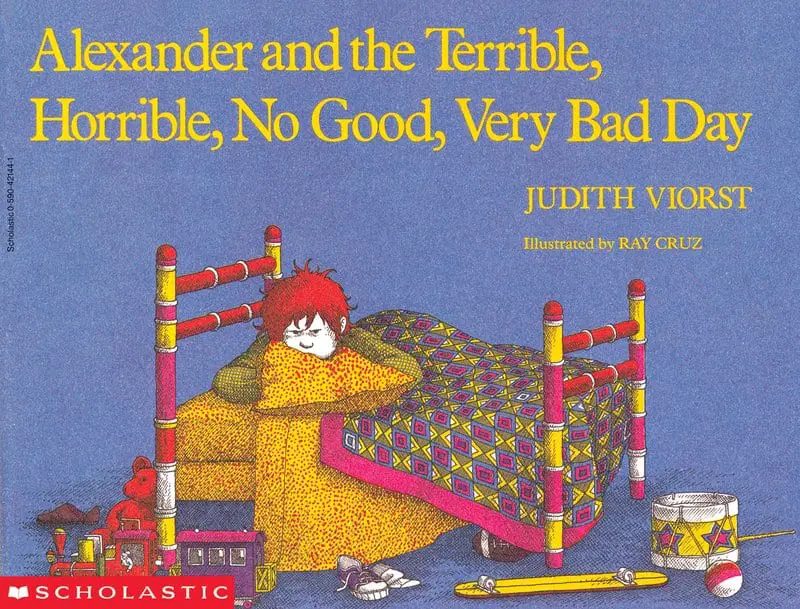
Alexander and the Terrible, Horrible, No Good, Very Bad Day is an American picture book written by Judith Viorst, published 1972. This was the first in the Alexander series, followed by: Alexander, Who Used to be Rich Last Sunday Alexander, Who Is Not (Do You Hear Me? I Mean It!) Going to Move Alexander, Who’s Trying His Best to Be…
-
Elephant and Piggie Comedy Techniques Analysis
The Elephant and Piggie books, invented by Mo Willems, are favourites of my 9-year-old daughter, who is otherwise long past beginner readers. She has asked for more Elephant and Piggies for her tenth birthday. She feels a lot of similar level stories are ‘too babyish’ for her but an enduring interest in the Elephant and Piggie series demonstrates the extraordinarily…