-
Big Foot Courage The Cowardly Dog
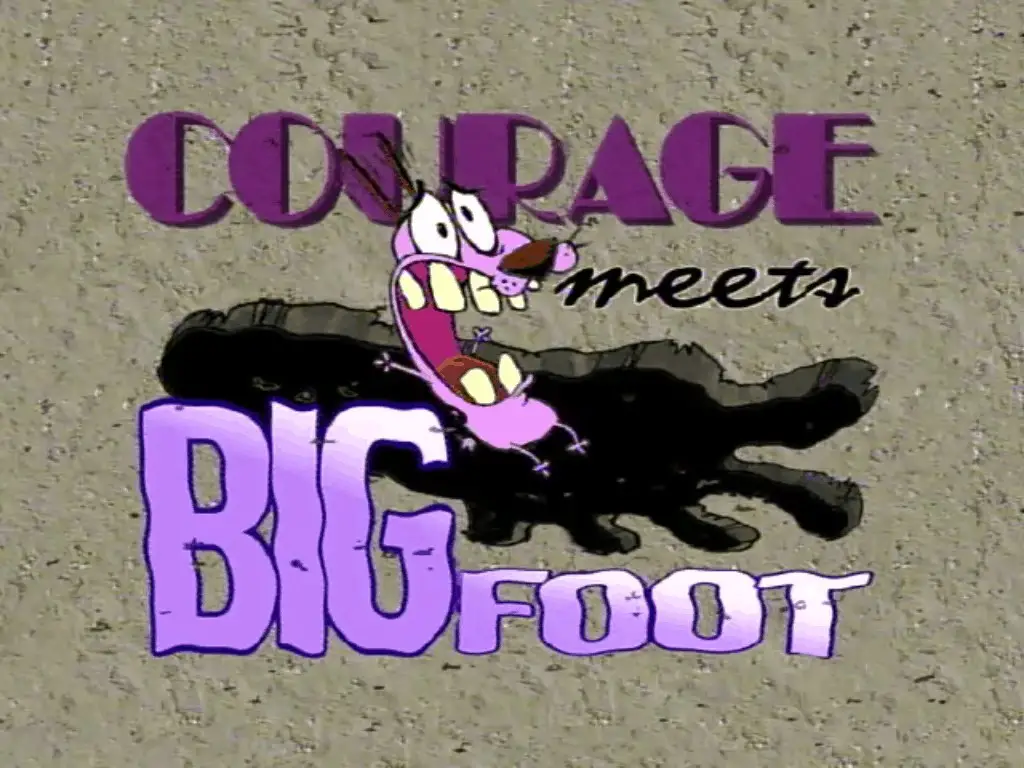
In the “Big Foot” episode of Courage The Cowardly Dog we have a story which makes use of the legend of Big Foot. The great thing about the horror comedy genre is that writers not only have access to a treasure trove of metaphors and symbols — they also have access to urban legends and
-
The Shadow Of Courage, Courage The Cowardly Dog
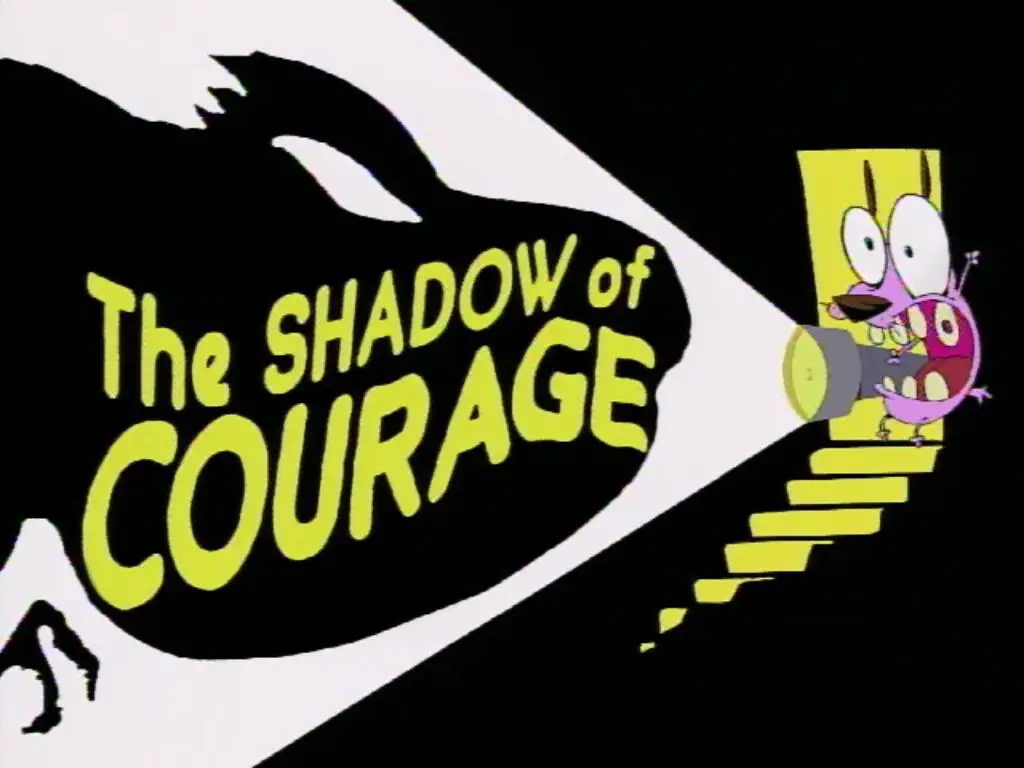
At first I wondered if the title “The Shadow Of Courage” were a riff on The Red Badge Of Courage but no — apart from the grammatical structure and perhaps some of the themes (of bravery vs cowardice) this plot line borrows little from the classic American novel. Shadows who disentangle themselves from their bodies
-
At The Katz Motel (Pilot) Courage The Cowardly Dog: A Night
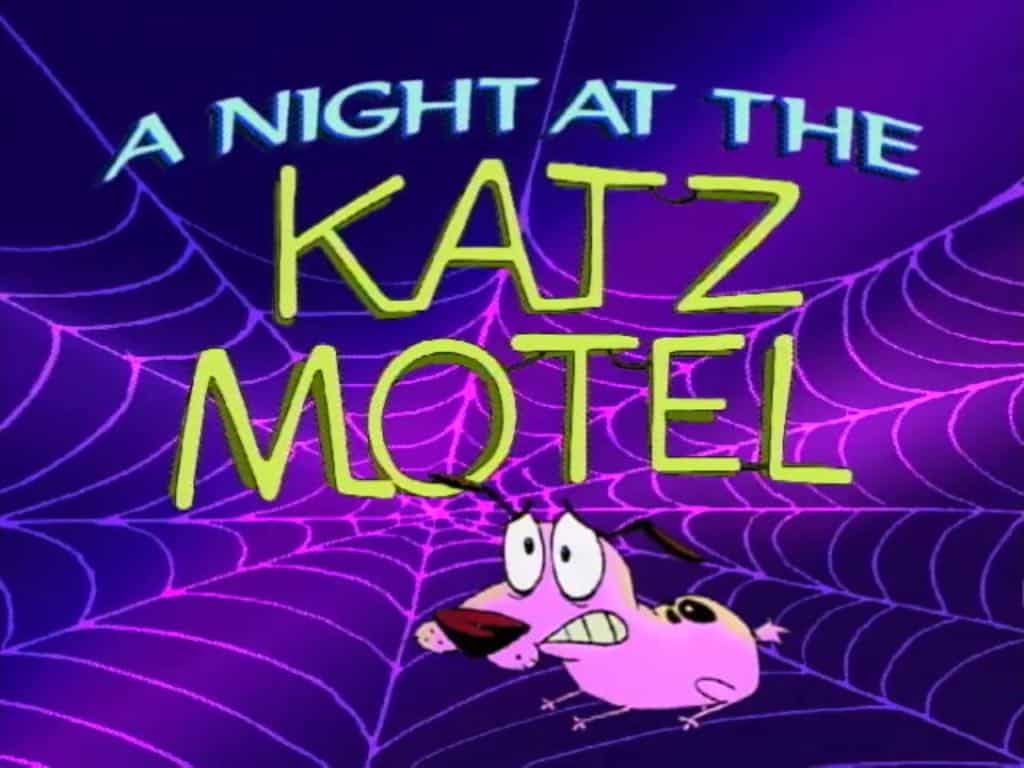
“The Katz Motel” is the wonderful pilot episode of horror comedy for kids, Courage The Cowardly Dog. If you’re anything like me you can’t stand anything on the Cartoon Network for too long. A lot of those shows seem like ill-conceived, overly chatty, highly-polished but vapid productions designed to sell toys. Courage The Cowardly Dog
-
The Rule Of Three In Storytelling
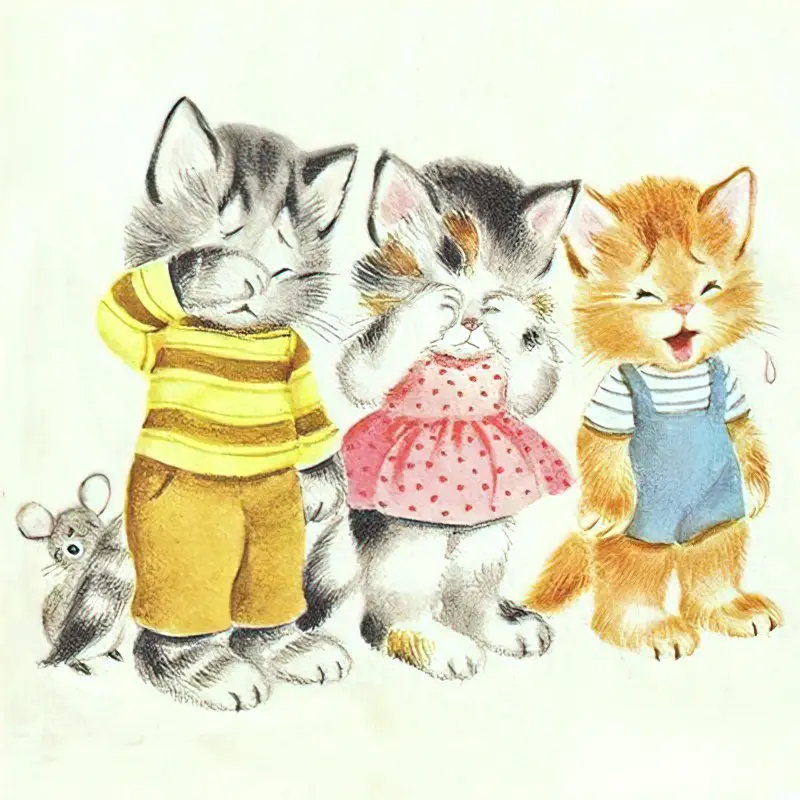
The rule of three in storytelling has several uses. The first works like this:
-
Genius Characters in Fiction
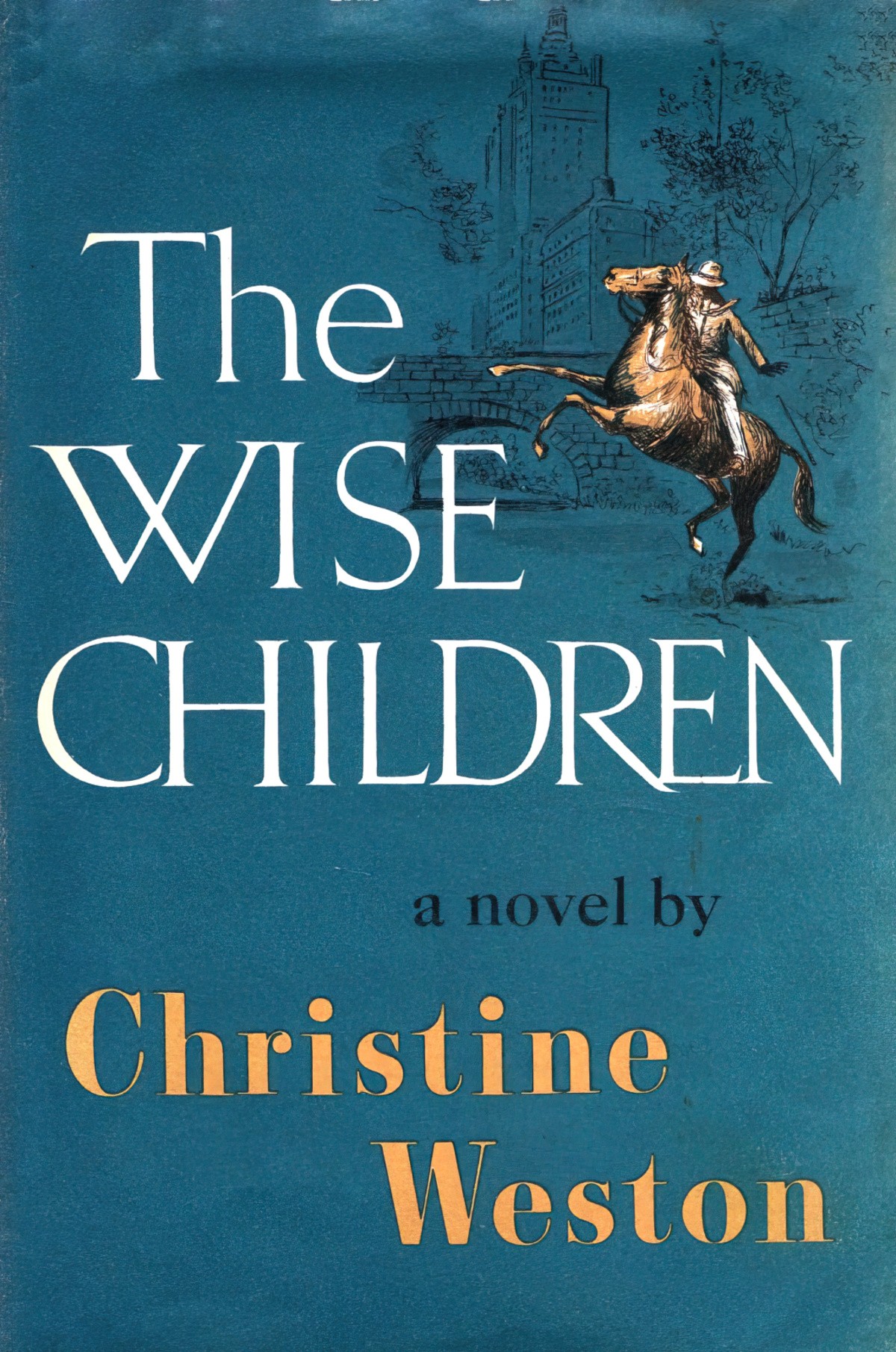
In stories it isn’t always the smartest or the strongest who become heroes — it is often the character who perseveres or works hardest. The villain is often smarter and stronger than the hero. What about really smart characters? Ironically in storytelling, the genius character is often the underdog. Their genius is also their shortcoming, or
-
In Medias Res (In The Middle Of Things)

Have you ever been told by a teacher, or by someone in your writing group, that your story must open with action, not description? If they’re being fancy about it, they might advise you to begin in medias res. But certain genres demand the establishment of a norm, e.g. The fish out of water story.
-
A Fish Out Of Water by Helen Palmer Analysis
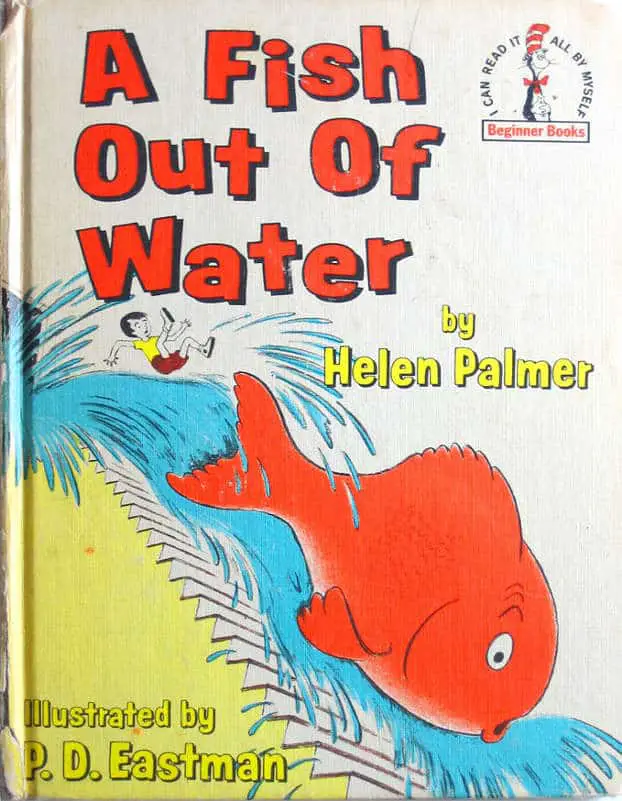
The story of Helen Palmer is — from the outside, certainly — a sad one. Helen is ‘the woman behind the man’ in the Dr Seuss duo. It was Helen who encouraged her husband Theo to start writing picture books. When the marriage ended and Theo embarked upon a second relationship, Helen suicided. It would
-
The English Country Garden In Picture Books
The Secret Garden This is perhaps the most famous, and certainly the most analysed, of the English country gardens in children’s literature. Below is an illustration by the wonderful Inga Moore, also well-known for her illustrations of The Wind In The Willows. Though Inga Moore is a modern illustrator, her style has a classical style
-
Garth Pig And The Ice Cream Lady By Mary Rayner
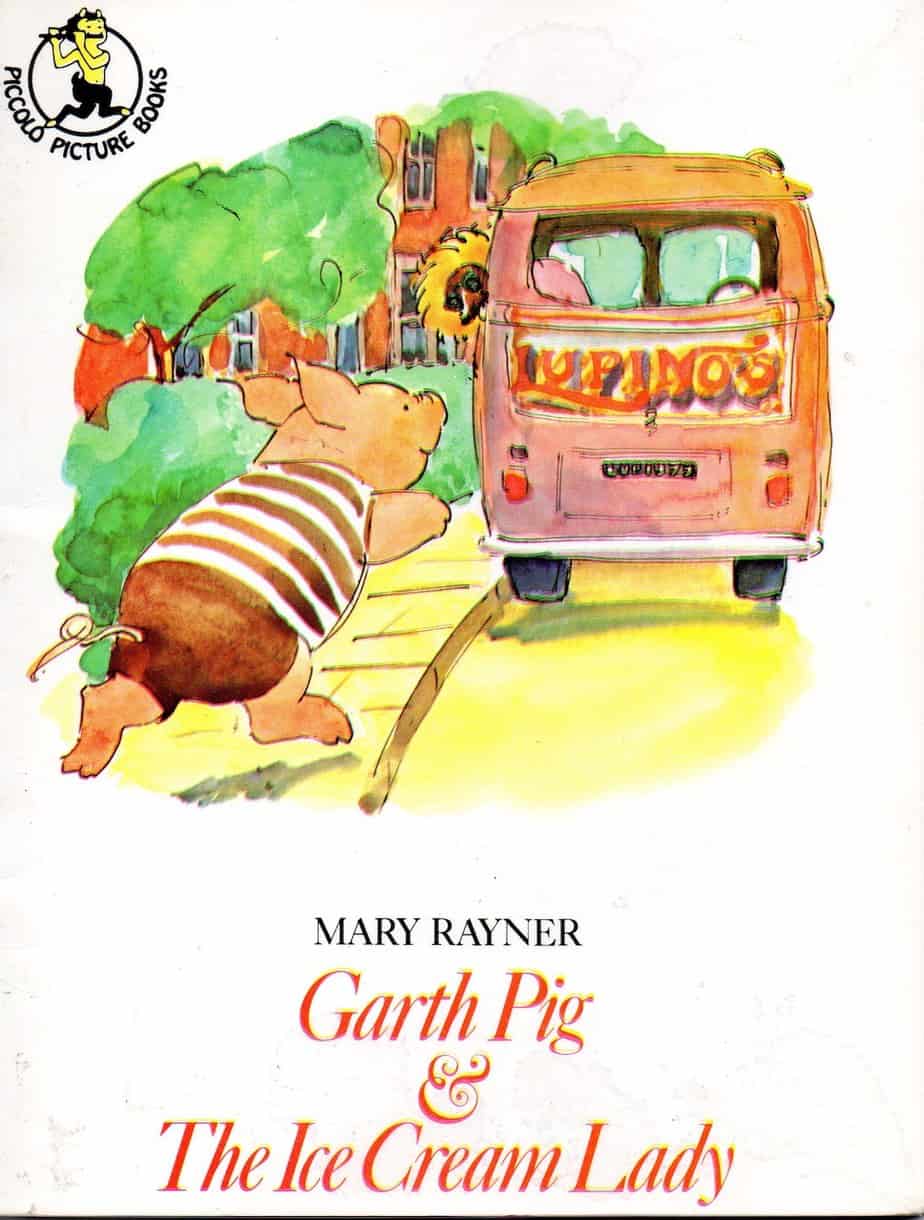
Garth Pig and the Ice Cream Lady is a British picture book written and illustrated by Mary Rayner in 1977. The story is part fairytale, part 1977 modernity. ABOUT THE AUTHOR Mary Rayner was born in 1933 in Mandalay, Burma of British parents. She was 8 years old when Japanese troops invaded Burma. Her mother
-
River Symbolism In Storytelling
here there is a river there is symbolism. At least, in stories. The nature of rivers also differs between cultures.
-
Doctor De Soto by William Steig (1982) Analysis
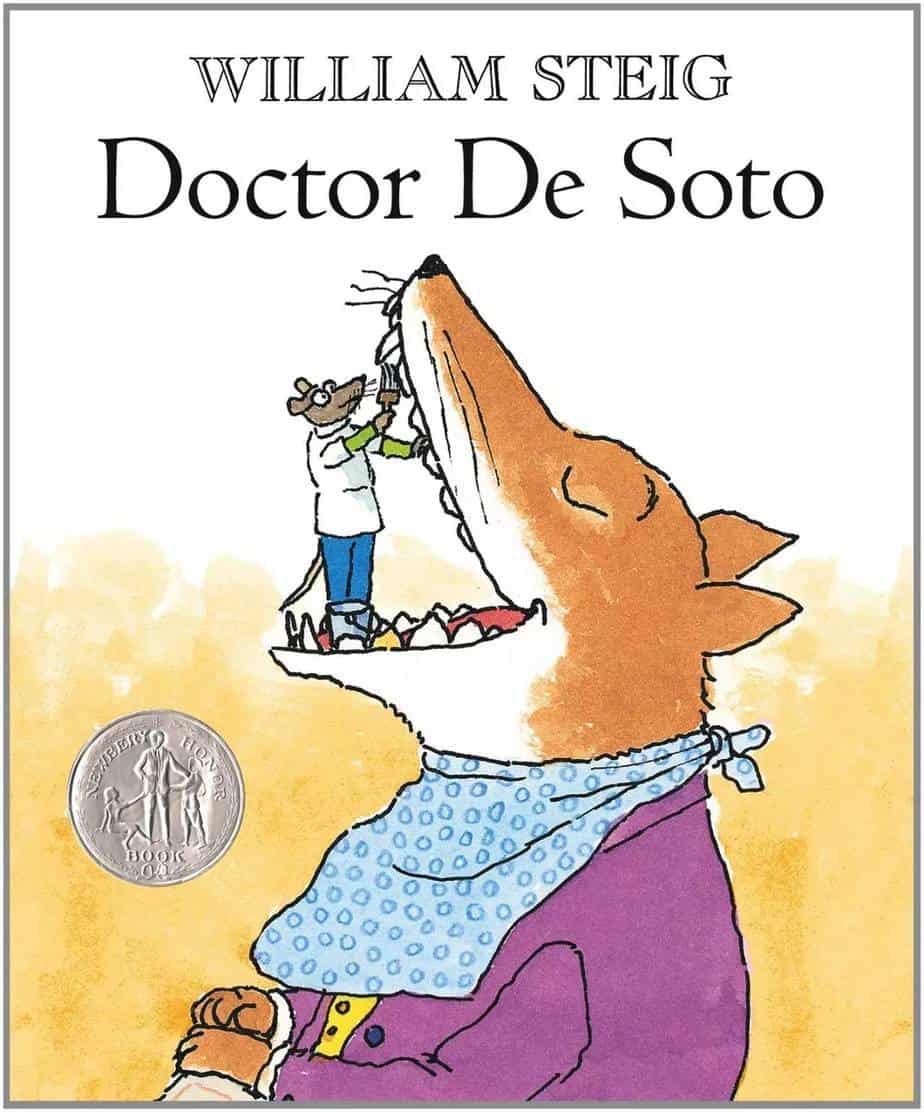
Doctor De Soto is an example of a picture book that owes a lot to Aesop, with the characterisation of the mice and the fox already firmly in place. Mice don’t play as prominent part in the fables as you might think, but foxes are one of the main five, along with countrymen, dogs, donkeys
-
Symbolism Of The Forest In Storytelling
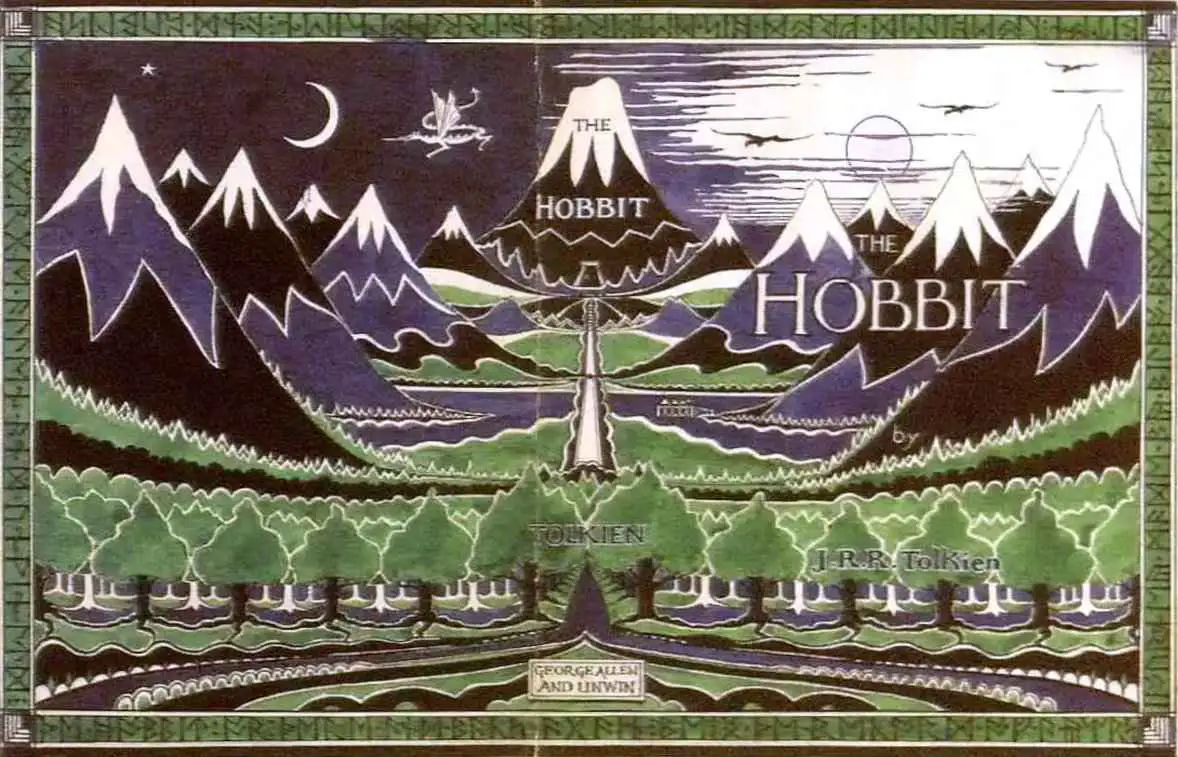
Be it woods or forest, when a character enters the trees in fiction, beware! We learned this from fairytales, but is fear of the forest innate, or taught to us via fiction?
-
Hygge is the word English needs to describe children’s literature
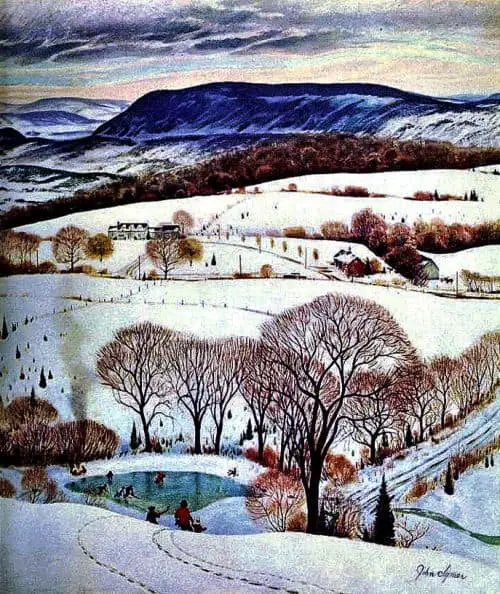
Danes are scratching their heads about why an everyday word they’ve been using privately for generations is suddenly taking the English-speaking world by storm.
-
Storybook Farms
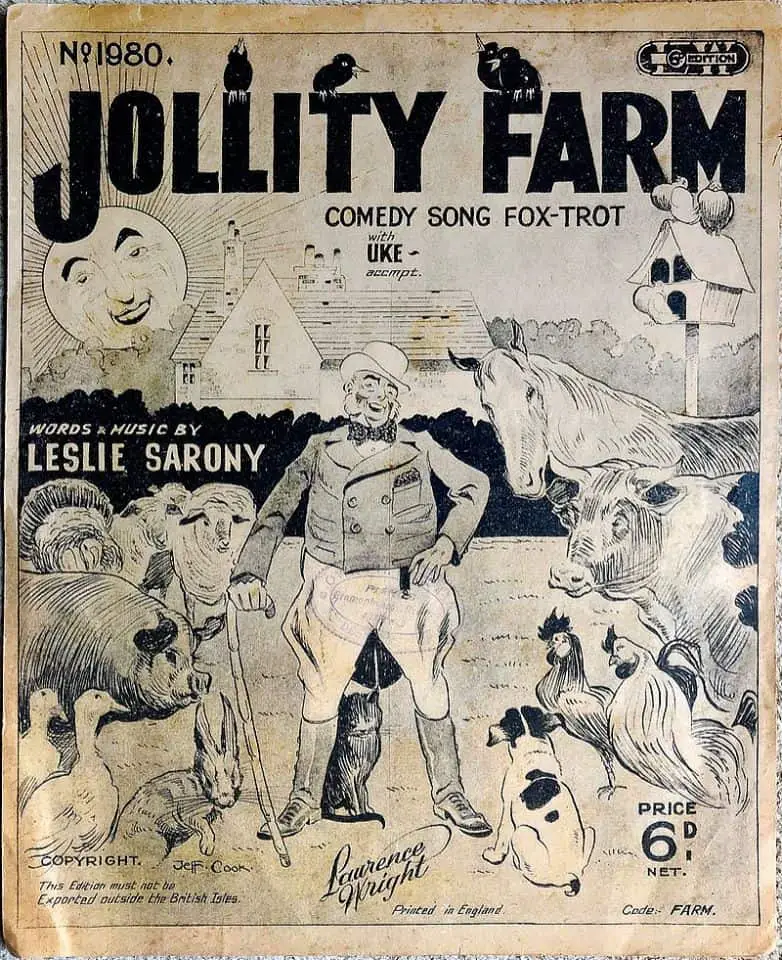
Farms in children’s literature are often a kind of utopia. Often these are animal utopias, and the reader is not supposed to even think of what the animals are really there for. Writing of the book Hepzibah Hen, a Children’s Hour favourite from 1926, is described by Margaret Blount as ‘the antithesis of Animal Farm‘,