-
The Three Little Pigs Illustrated by Leonard Leslie Brooke Fairy Tale Analysis
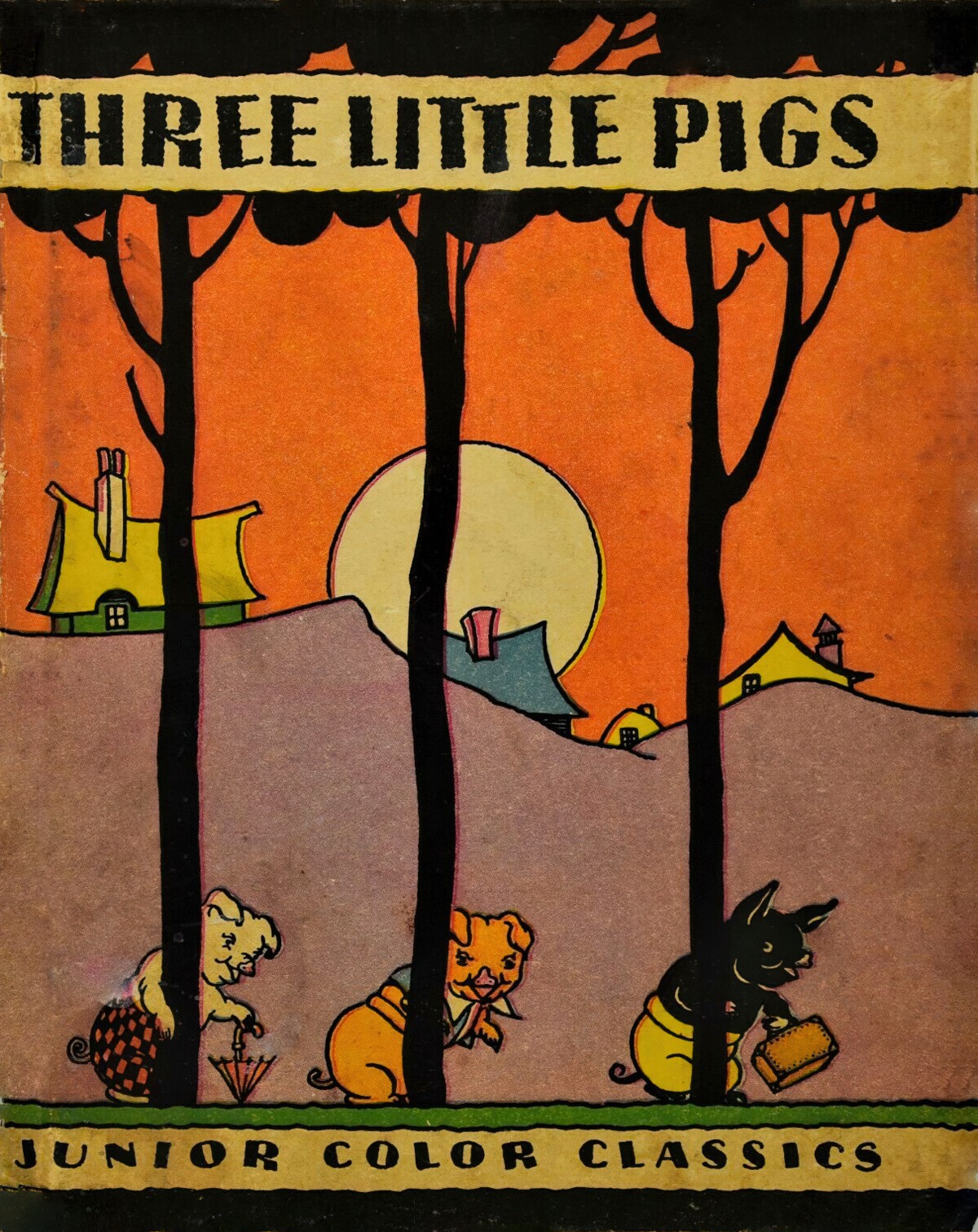
The Three Little Pigs is one of the handful of classic tales audiences are expected to know. Pigs are handy characters: They can be adorable or they can be evil. You can strip them butt naked and let the reader revel in their uncanny resemblance to humans. Or, you can dress them in jumpers and they’re
-
Why children’s stories have to be dual audience now
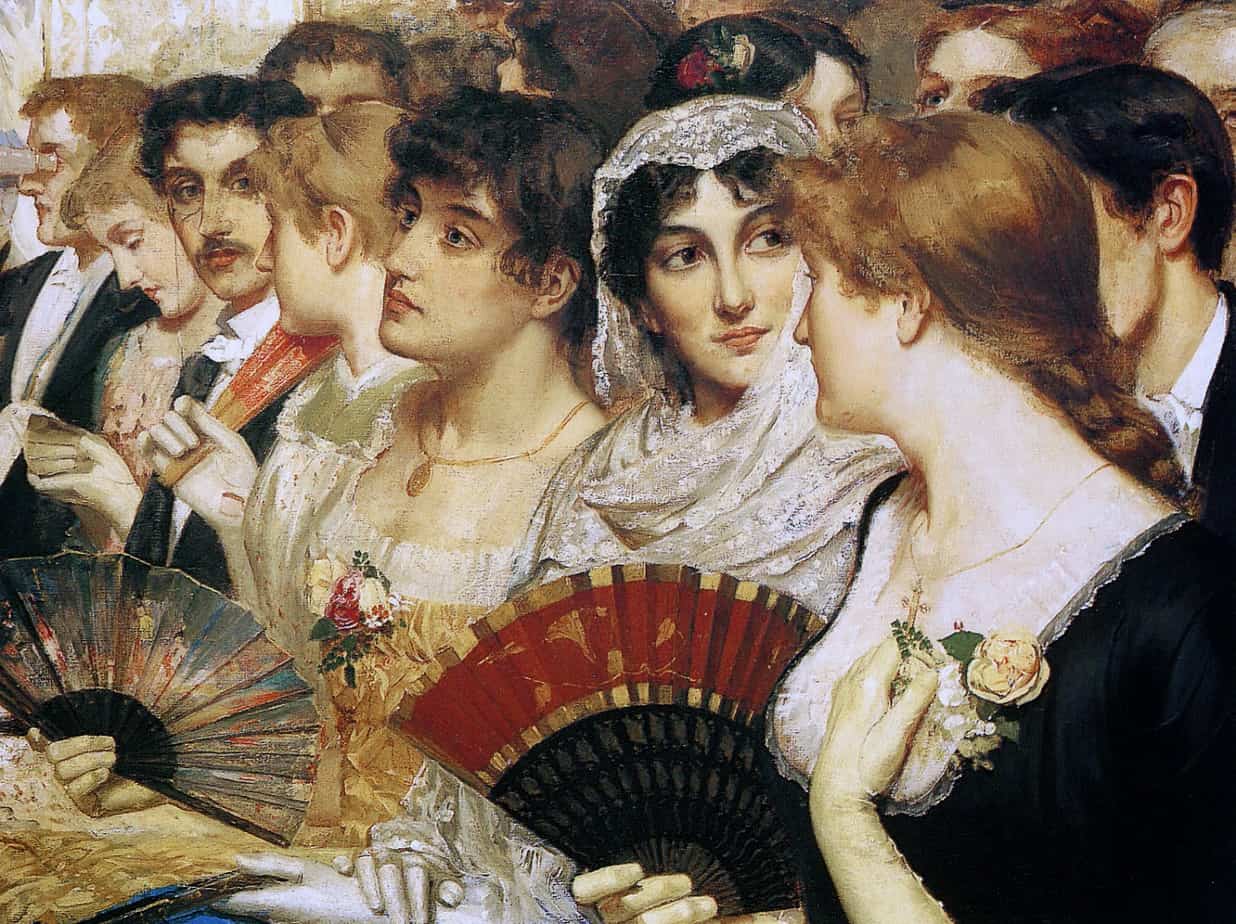
Modern children’s books — picture books in particular — are required to appeal to adults as well as to children. This is known as a ‘dual audience’ story.
-
The Girl Title Trend In Children’s Books
The girl title trend in publishing is interesting because it is popular despite some pushback against using the word ‘girl’ to refer to grown-ass women. Author Emily St John Mandel wrote this week about why so much of the bestselling fiction this year has ‘girl’ in the title. Those are my takeaway points but the entire article
-
If I Stay by Gayle Forman Storytelling Tips
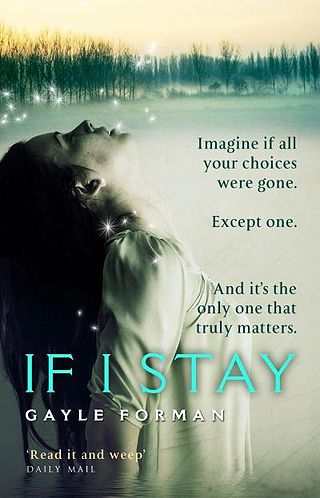
If I Stay by Gayle Foreman is a young adult novel published 2009. This book is beautifully plotted, and makes an excellent case study if writers are planning a story with an ‘alternating’ plot. WELCOME TO THE THIRD GOLDEN AGE This book is an excellent example of ‘The Third Golden Age Of Children’s Literature’, as described by
-
The Male Gaze In Children’s Literature
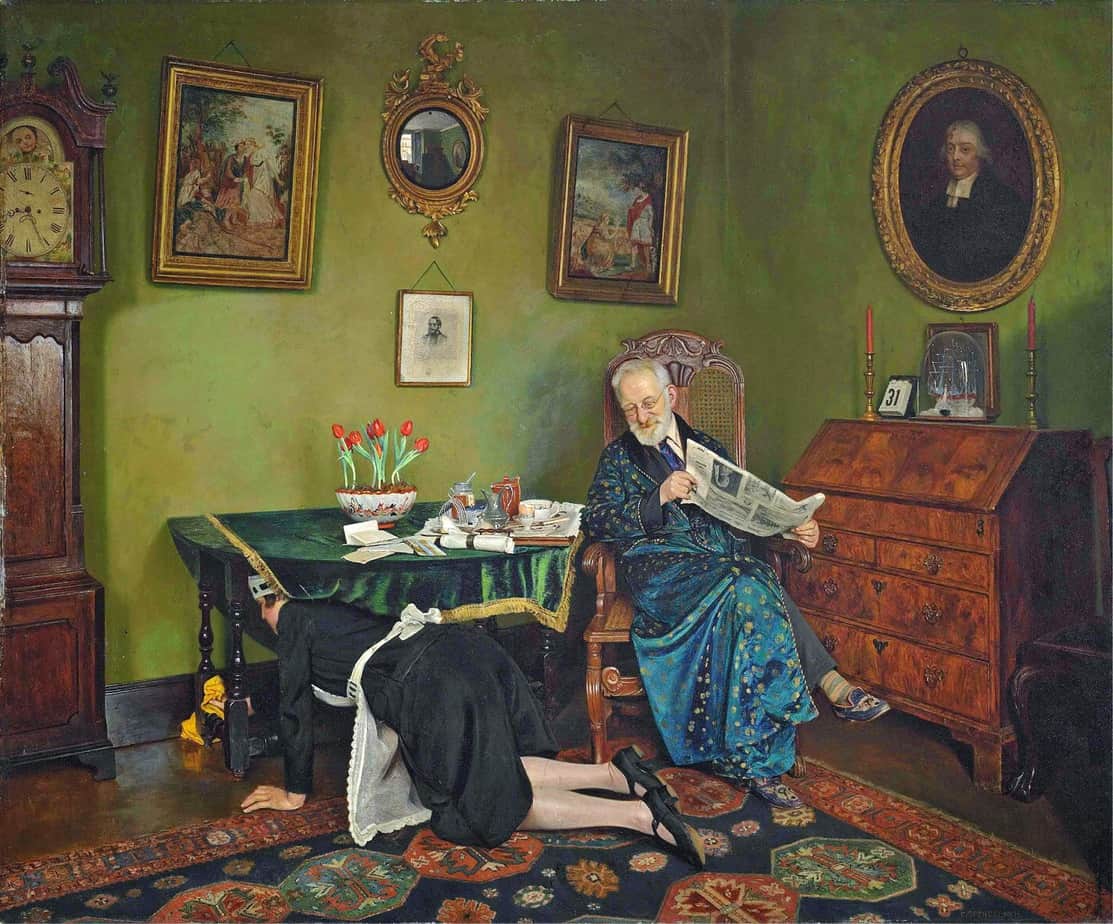
Meg Elison has written a McSweeneys post about The Gaze which strikes a chord. IF WOMEN WROTE MEN THE WAY MEN WRITE WOMEN. At The Guardian, Lindesay Irvine (incidentally, a man) responded to this spoof gender reversal with: Anyone who’s ever had a brush with cultural studies will be familiar with Laura Mulvey’s influential theory
-
A Very Brief History Of Science Fiction
WHAT IS SCIENCE FICTION? Along with fantasy, horrors and Westerns, science fiction is one of the highly metaphorical categories of story. THE UNIVERSAL EPIC Science Fiction is about human evolution, literally the universal epic. Science fiction stories often use the myth form, not only because myth is about the journey but also because myth is
-
Rats In Children’s Literature
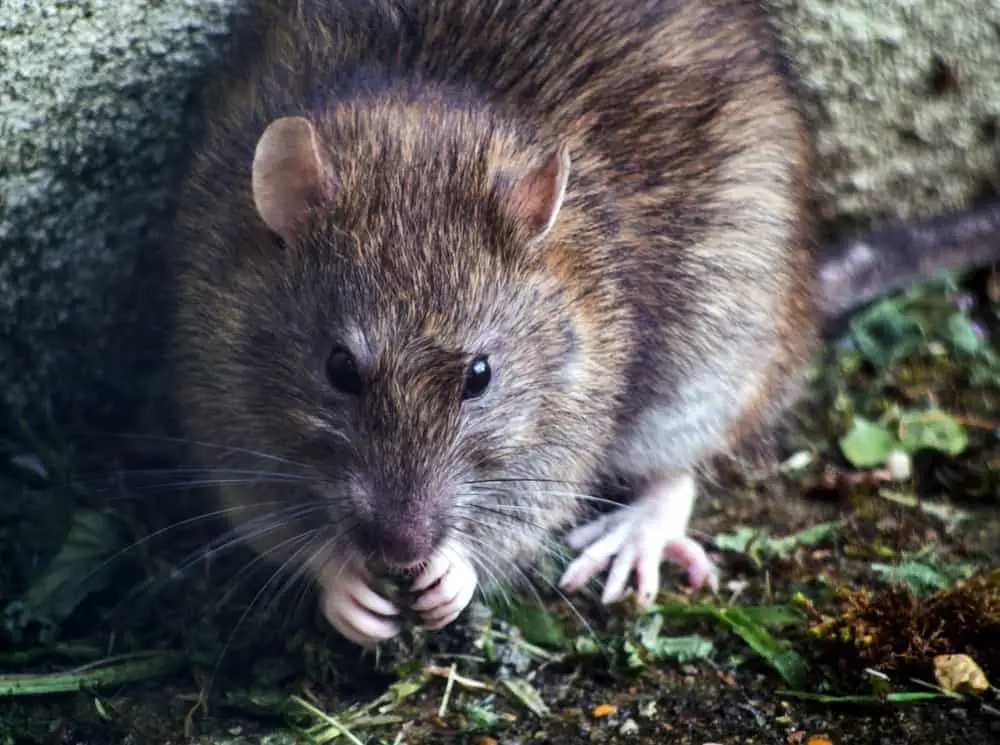
I’m reminded of modern children’s literature, in which an underdog, much maligned character has his/her own back. It’s pretty funny until you read the top commenter, pointing out that the rat probably has toxoplasmosis, a disorder of the brain. On the other hand, mice and rats alike aren’t timid at all when you consider how small
-
Pig Tale by Helen Oxenbury (1973) Analysis
Pig Tale is a 1973 picture book by Helen Oxenbury. I’ve already taken a close look at The Three Little Wolves and the Big Bad Pig, which is one of my favourite picturebooks of all time. That was written by Eugene Trivizas and illustrated by Helen Oxenbury, probably because she already had a reputation for
-
The Three Billy Goats Gruff Fairytale Analysis
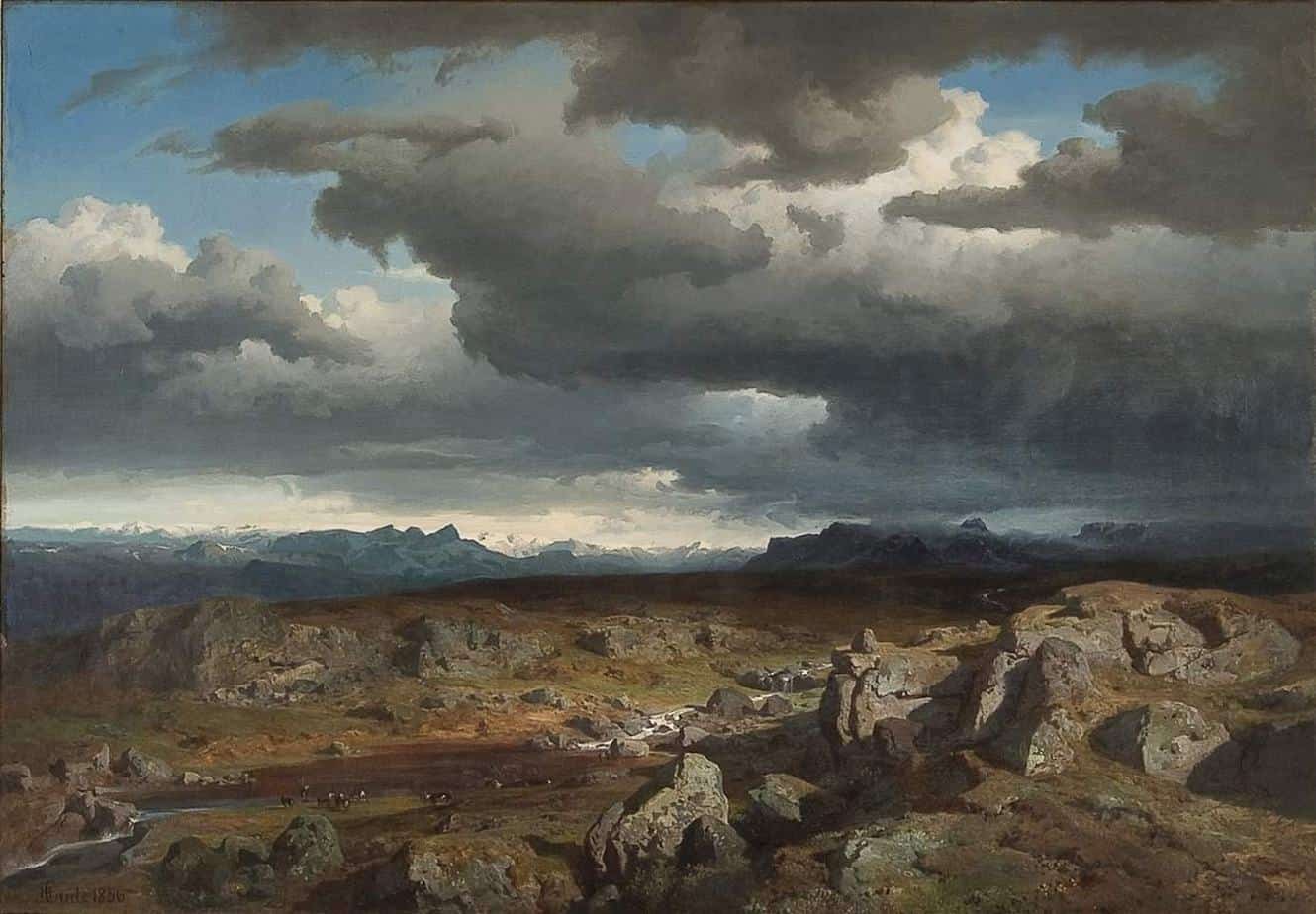
Can you guess which country this “eat-me-when-I’m-fatter” produced this fairytale? I’ll drop some clues: Yes, it’s Norway. Rudin has a good sense of rhythm, and has retained all the things that are fun about this story as a read-aloud, but I feel the point of it is lost. WHERE TO HEAR THIS STORY I also recommend
-
The Useless Donkeys by Lydia Pender and Judith Cowell (1979) Analysis
The Useless Donkeys is a 1979 picture book written by Lydia Pender and illustrated by Judith Cowell. At first I thought The Useless Donkeys was going to be a more realistic, earlier version of Walter The Farting Dog in which an adult threatens to get rid of a family pet, but over the course of
-
The Best Quiet Children’s Films
By ‘quiet’ I mean the anti-DreamWorks of yak-yak. The following films will help a child to feel calm rather than revved up. These quiet movies are set close to nature, feature classical soundtracks relatively little (if any) dialogue. (For some reason the mother is usually absent.) Please bear in mind that by ‘quiet’ I don’t necessarily
-
Writing Activity: Describe A Living Room
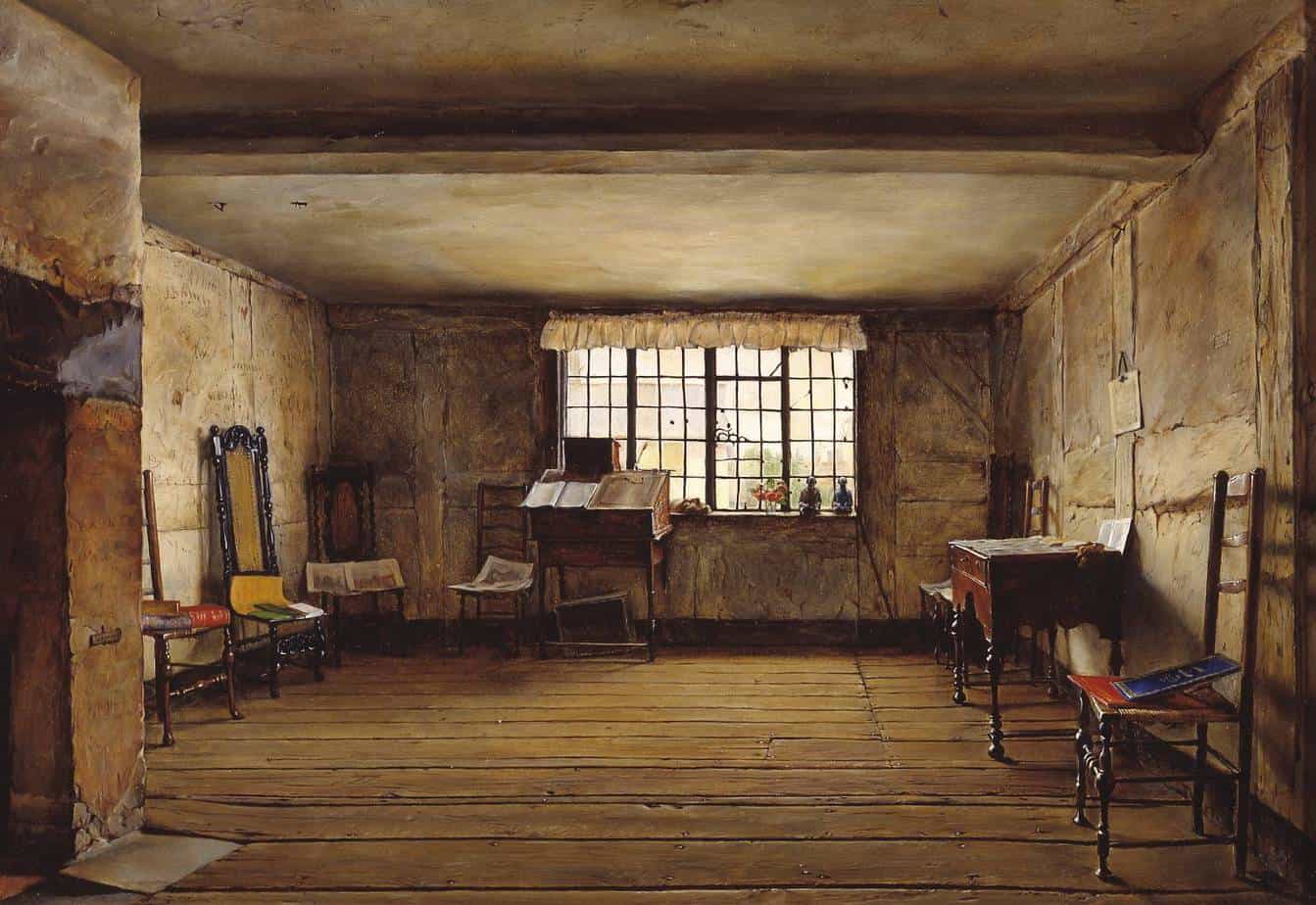
As a writing exercise, describe your own living room, or the living room of someone you know. For inspiration, I offer the following examples from literature. EXAMPLE OF A LIVING ROOM DESCRIBED BY DAPHNE DU MAURIER We were all sitting in the long, low room at Farthings, darker than usual because of the rain. The
-
Jack And The Flumflum Tree by Julia Donaldson and David Roberts Analysis
Jack and the Flumflum Tree is a picture book by Julia Donaldson and illustrated by David Roberts. The title suggests this may be a retelling of Jack and the Beanstalk but it’s not really — this is an original tale based on mythic structure with elements of Little Red Riding Hood (the sick grandma) and pirate
-
The Paper Bag Princess by Robert Munsch and Michael Martchenko Analysis
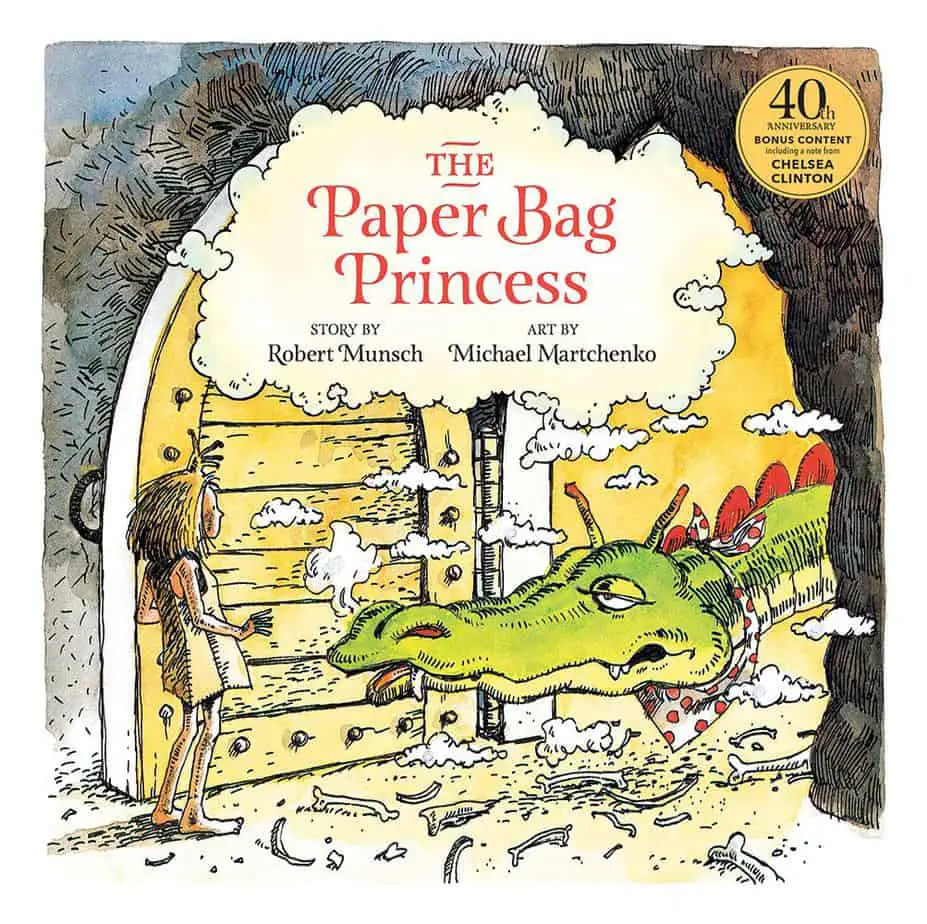
The Paper Bag Princess by Robert Munsch is another feminist picturebook from the 1980s in which a scruffy princess does not end up marrying the prince. In fact, it must be one of the earliest of its kind. It’s published in 1980 and remains one of Munsch’s most popular books.
-
Princess Smartypants by Babette Cole Analysis
Princess Smartypants is an example of a children’s picture book which uses gender reversal to tell a story that would never really happen. What if women of high socio-economic status could choose their own marriage/non-marriage partners? The ending plays into the stereotypically MRA fear — if women were allowed autonomy they may choose not to include men at all.