-
Dance In America by Lorrie Moore Short Story Analysis
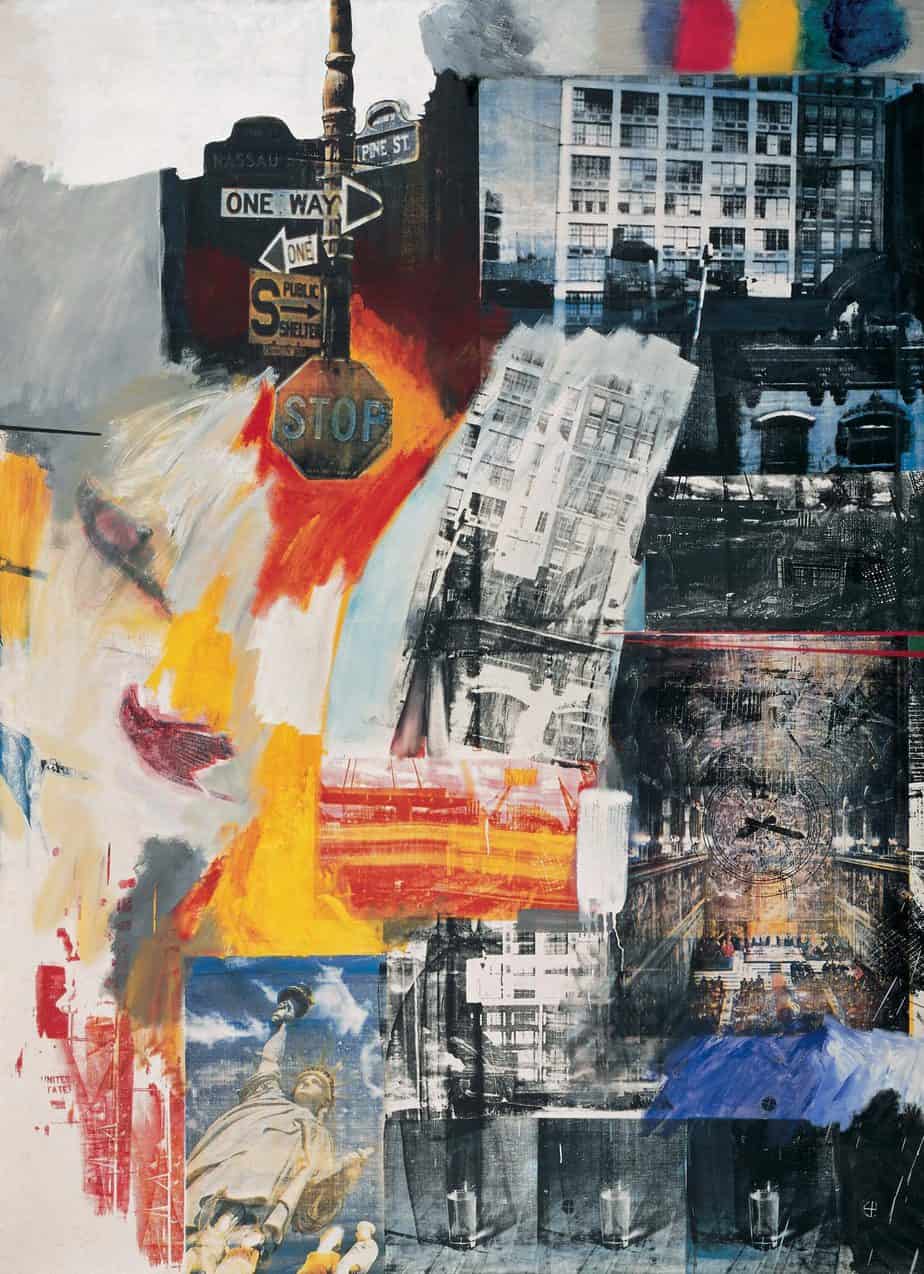
“Dance In America” is a short story by Lorrie Moore and can be found in the collection Birds Of America, published in 1998. Find it also in The Collected Short Stories. “Dance In America” first appeared in The New Yorker in 1993. Louise Erdrich reads Lorrie Moores short story “Dance in America” and discusses Moore
-
Bravado by William Trevor Short Story Analysis
If you think you’re too old to write about contemporary young characters, take your cue from Irish short story master William Trevor, who wrote “Bravado”, about young people and night-clubbing culture, at almost 80 years of age.
-
The Illustrations of Charles Keeping
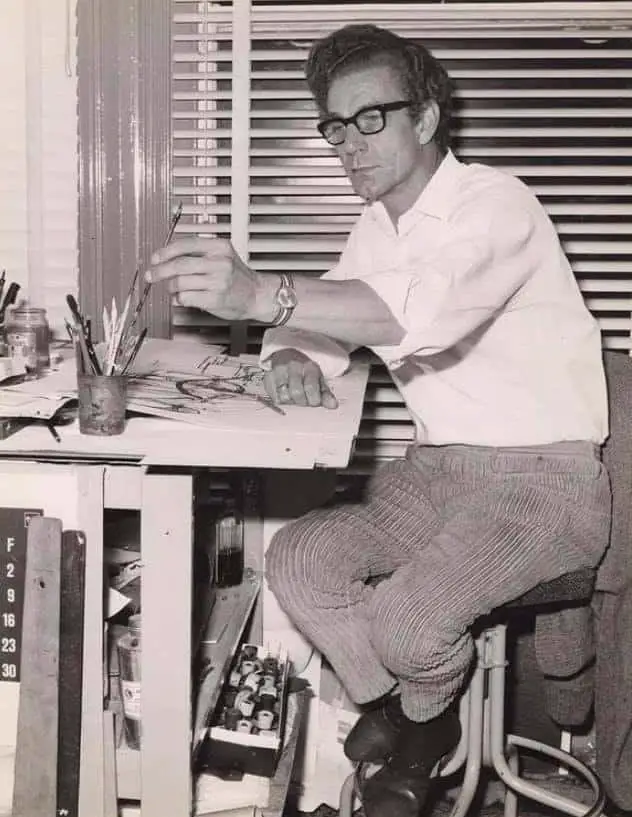
Charles Keeping (1924 – 1988) is one of my favourite 20th century illustrators. He rose to prominence by illustrating Rosemary Sutcliff’s historical novels for children: I have always had a strong feeling that Charles was a true genius… it is my belief that he came to maturity very slowly (not in terms of technique, at
-
A Sound of Thunder by Ray Bradbury Analysis
“A Sound of Thunder” is a science fiction short story by American writer Ray Bradbury, first published in 1952. He set this story 100 years into his future, and just 30 years into ours.
-
Defamiliarisation and the Estrangement Effect in Literature
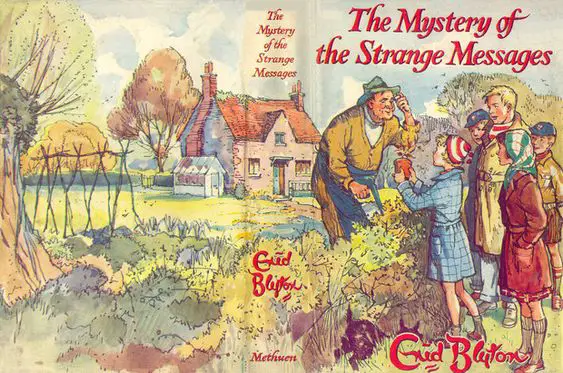
If writing novels—and reading them—have any redeeming social value, it’s probably that they force you to imagine what it’s like to be somebody else. Margaret Atwood, Second Words Strangeness is a necessary ingredient in beauty. Charles Baudelaire Don’t Forget How Strange This All Is from Raptitude WHAT IS DEFAMILIARISATION? [Defamiliarisation is] taking something and trying
-
Narrative Structure of a Miracle Story
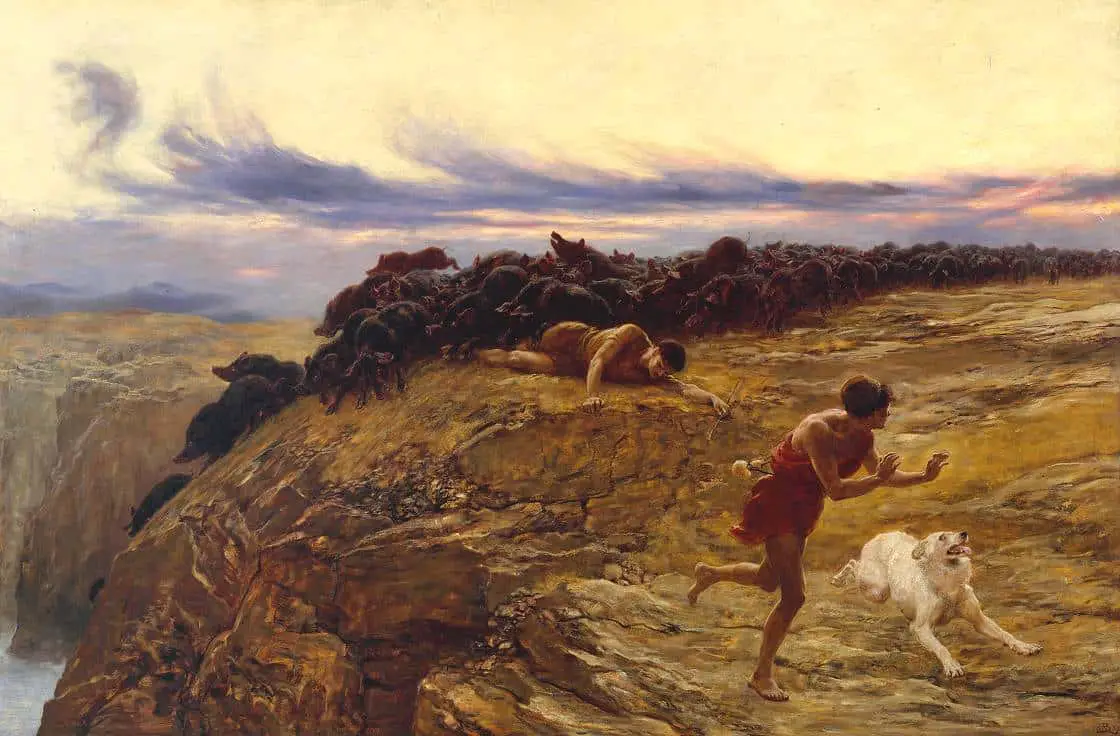
LITTLEWOOD’S LAW Around once per month, each of us experiences a “miracle” (an event with odds of one in a million). Across the world miracles are literally happening all the time, but because there are so many of them we perceive them as mundane. @G_S_Bhogal No luck was dumb because luck was just another name
-
Fire in Art and Storytelling
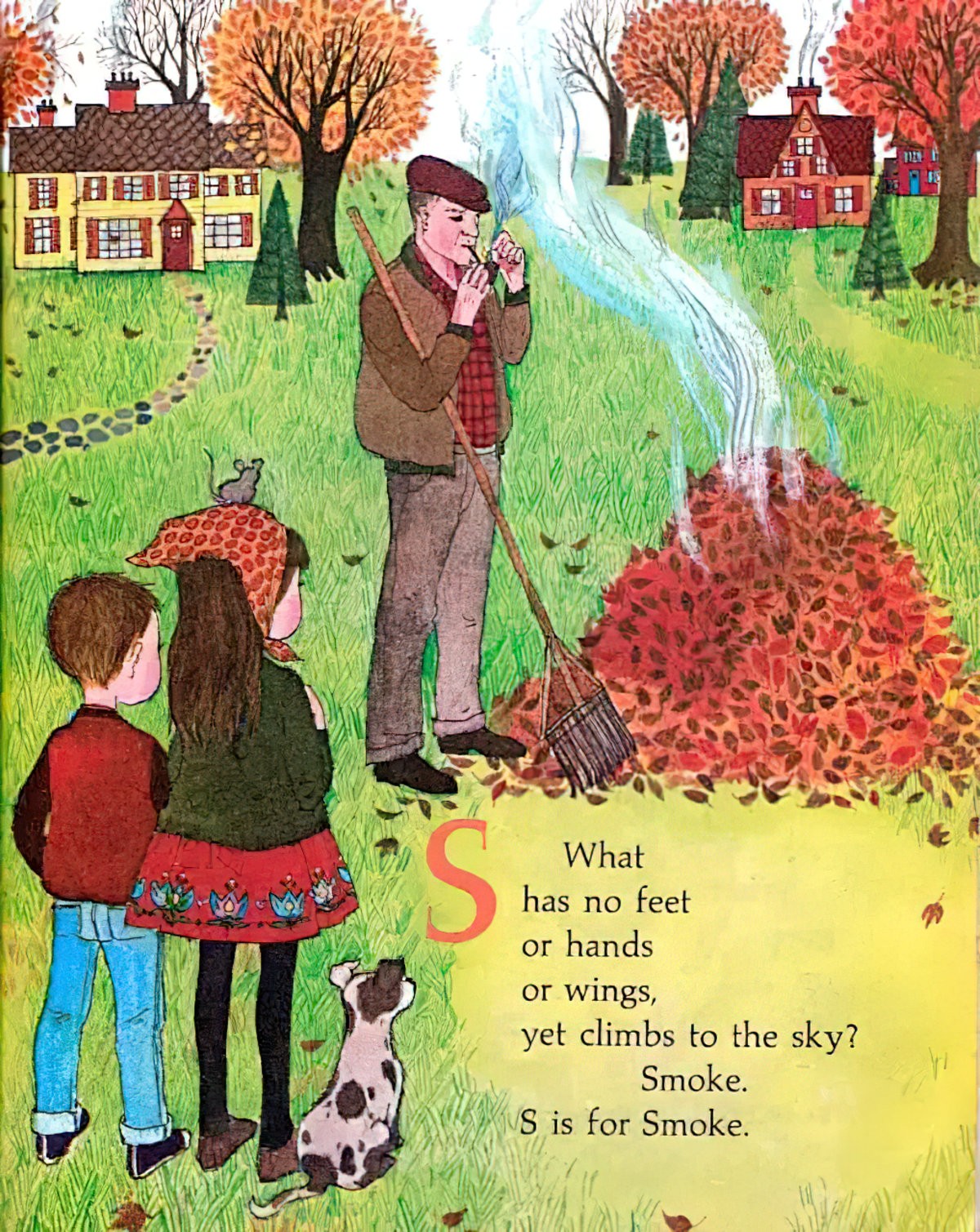
Effulgent: (literary) shining brightly; radiant Lambent: (literary) (of light or fire) glowing, gleaming, or flickering with a soft radiance. Lucent: (literary) glowing with or giving off light. Refulgent: (literary) shining very brightly
-
Amos and Boris by William Steig Analysis
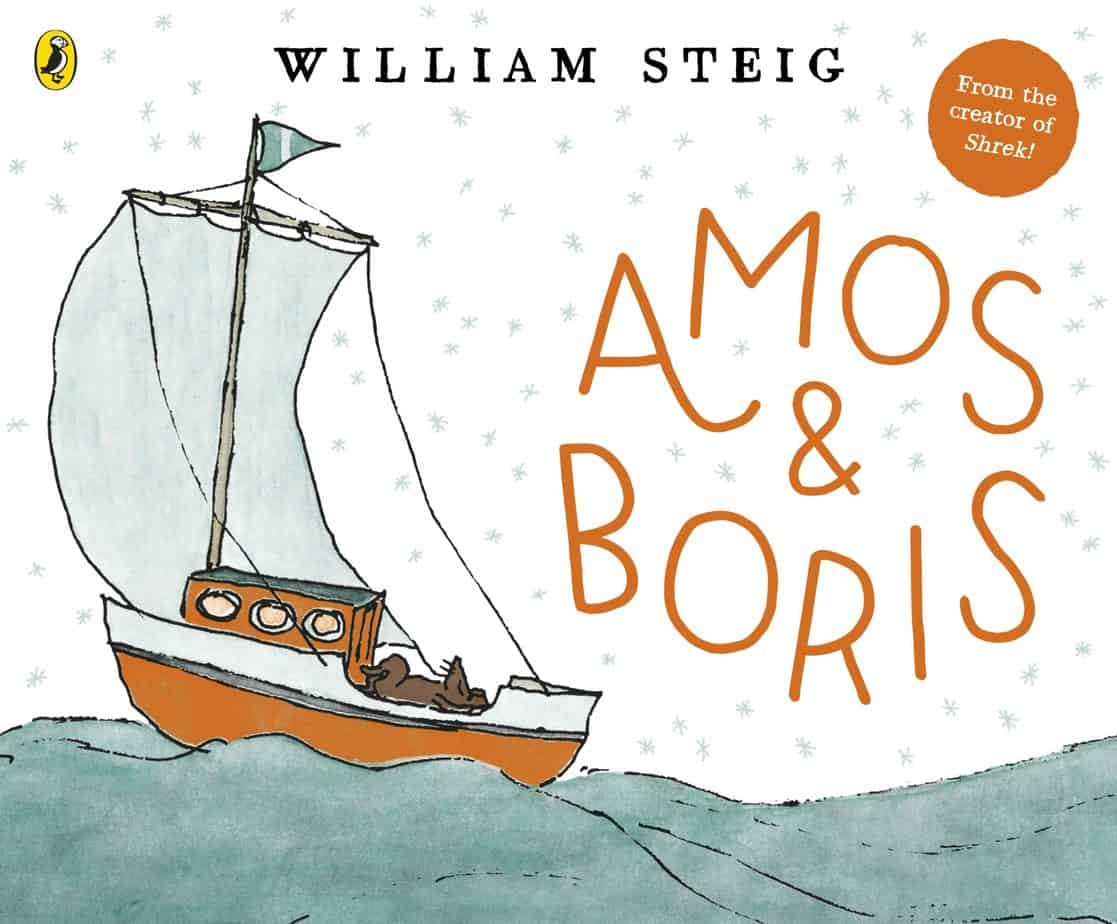
Some picture books have an Aesop fable at their base. Amos and Boris is one such picture book, written and illustrated by William Steig (1971).
-
Dischism, False Interiorization, White Room Syndrome
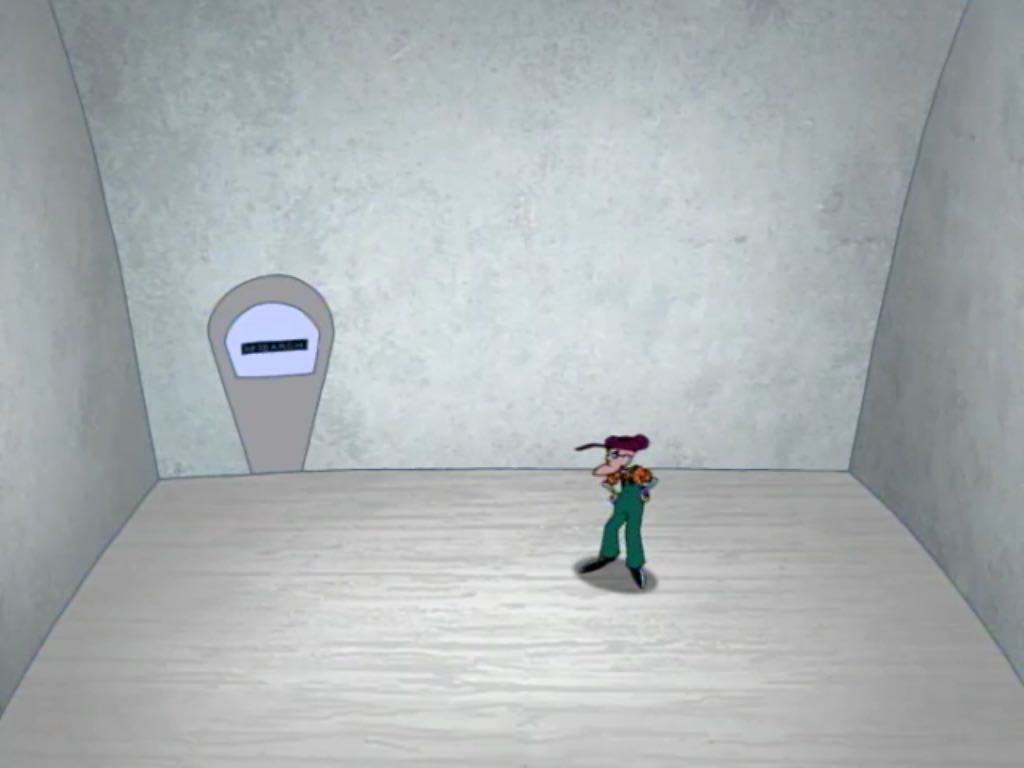
Dischism: Intrusion of author’s physical surroundings or mental state into the narrative.
-
The Snowy Day by Ezra Jack Keats Analysis
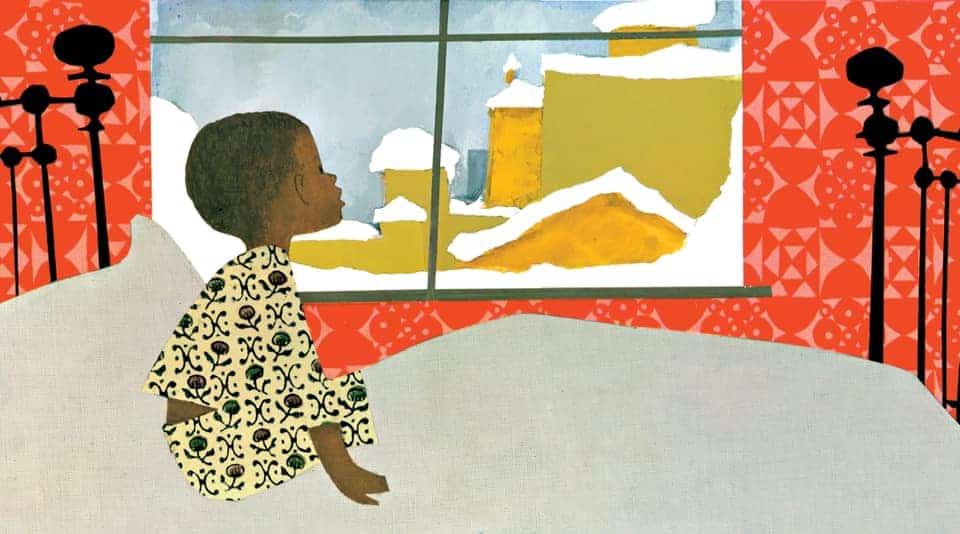
The Snowy Day (1962) is a famous American picture book by American author Ezra Jack Keats.
-
A Glossary of The Underworld
Since we’re all going to hell (by someone’s rules), here is a glossary of terms you may need before you get there. I’d provide a map, but that is coming. ACHERON One of the Five Rivers of the Realm of Hades, according to Ancient Greeks. This is an actual river located in northwest Greece. The
-
Foxes In Children’s Literature
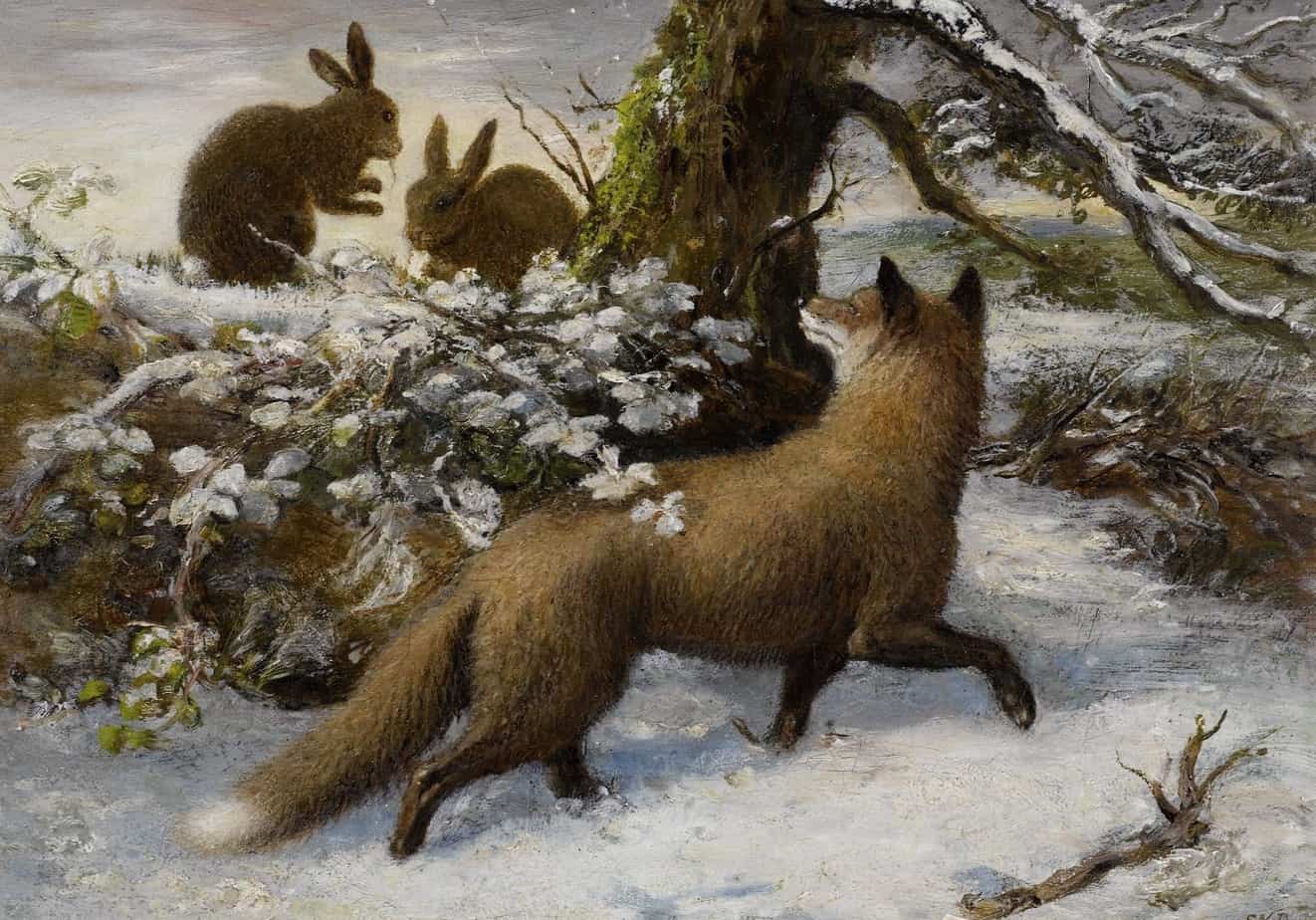
A fox is a wolf who sends flowers. Ruth Weston FOXES IN FOLKTALES These summaries are from Baughman’s Type and Motif Index of the Folktales of England and North America by Ernest Warren Baughman, 1966. Read through these story summaries and you’ll get a good idea of how coats have been used throughout history. Can you see patterns? Arthur
-
Fear of Engulfment in Storytelling
There’s a very good reason why girls should be told the truth about baby-making as soon as they ask: If she’s old enough to be asking, she’s old enough to be worrying.
-
Storms, Cyclones and Wind in Art and Storytelling
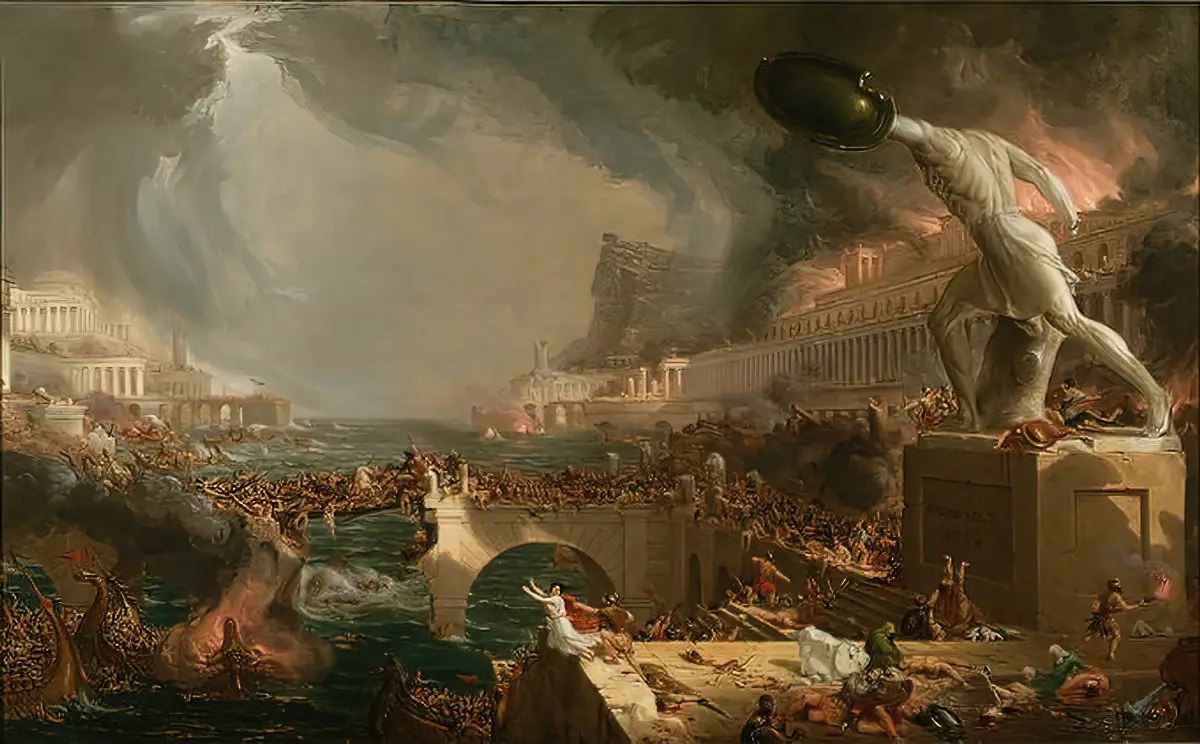
The wind blew as ’twad blawn its last; The rattling showers rose on the blast; The speedy gleams the darkness swallow’d; Loud, deep, and lang, the thunder bellow’d: That night, a child might understand, The Deil had business on his hand. Robert Burns “STORM” BY SARAH WEATHERALL In some parts of the world, wind is
-
In A Dark, Dark Room And Other Scary Stories
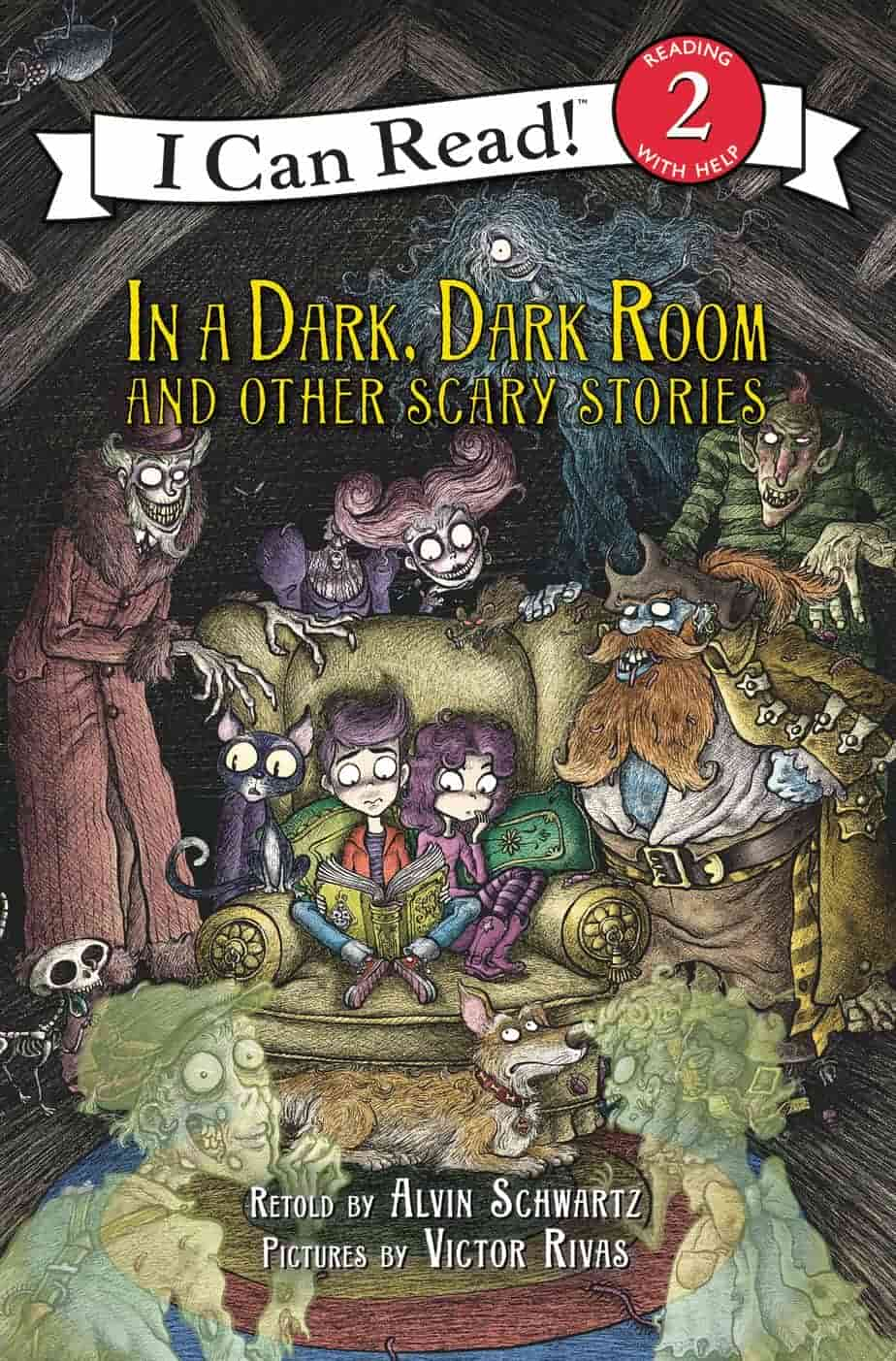
In A Dark, Dark Room and Other Scary Stories written by Alvin Schwartz was first published in 1971 for emergent readers ready for scary… but not too scary. I recently looked closely at a modern picture book called Creepy Carrots, another excellent example of a ‘scary’ story perfectly pitched at 4-6 year olds. This collection