-
Mr Gumpy’s Outing by John Burningham Analysis
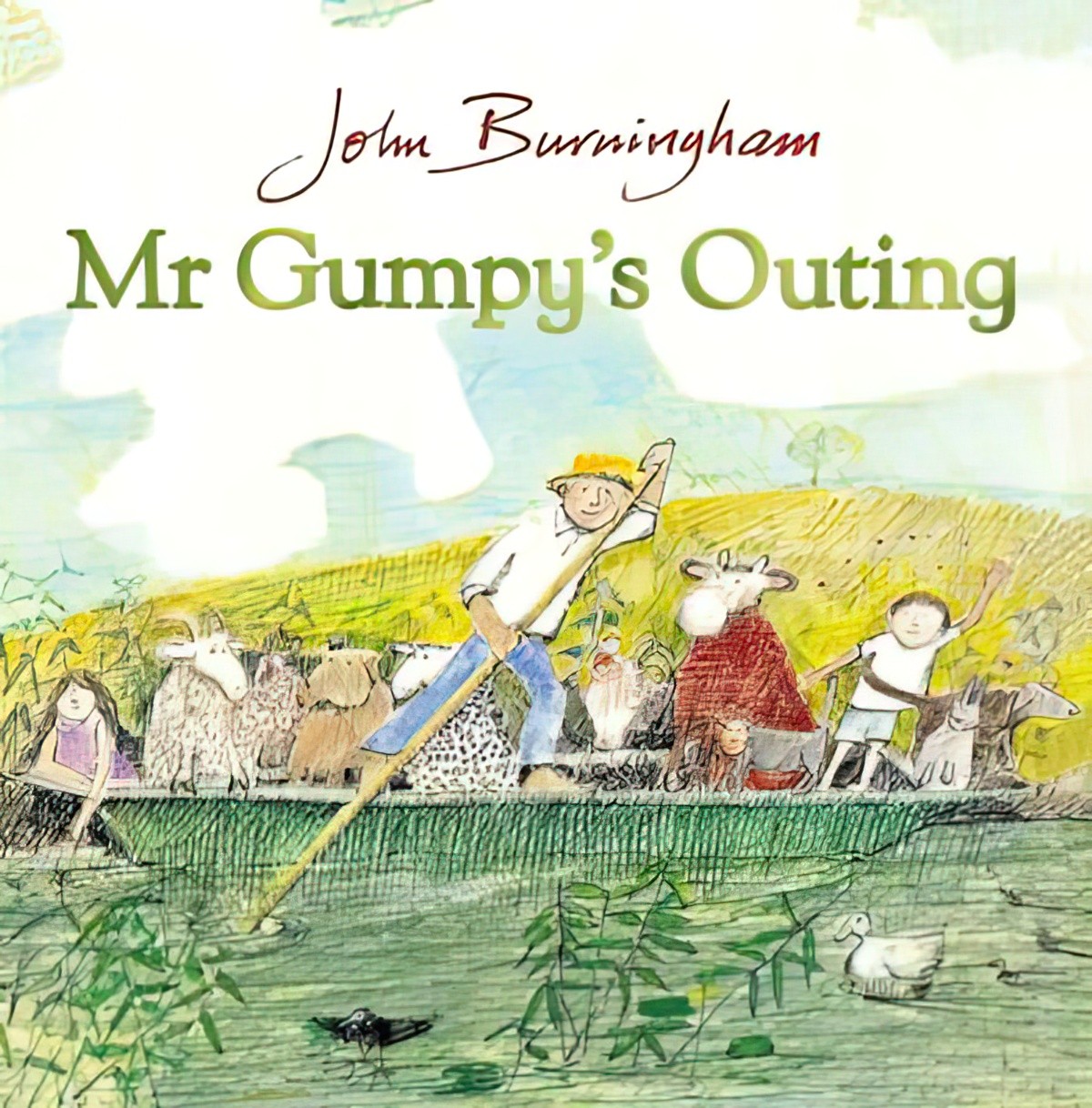
Mr Gumpy’s Outing is a picture book for young readers who are still learning English — a variety of verbs are introduced in a way that will help toddlers to remember them.
-
Where’s Spot? concept picture book by Eric Hill Analysis
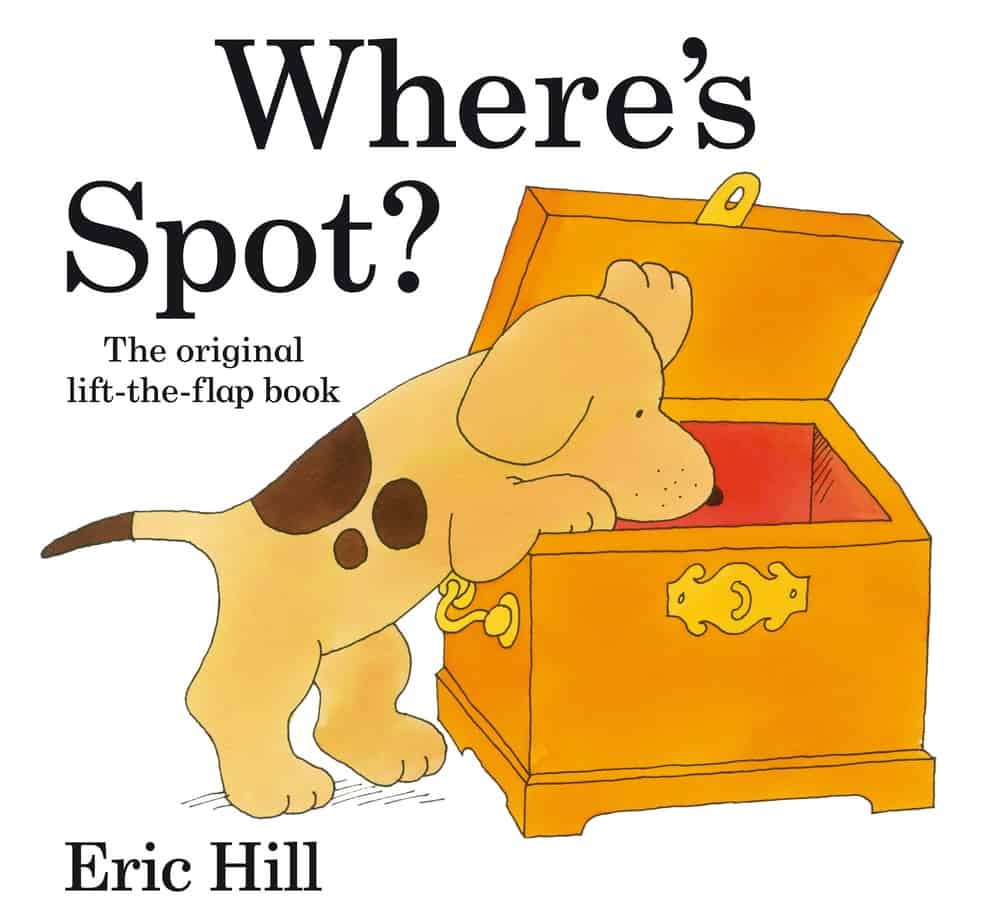
Concept books exist partly to teach young children basic concepts: ABCs, numbers, colours, opposites, time, size, and in this book, prepositions. Concept books are most often unmemorable. I can tell you at various times our bookshelf has housed cardboard books with the name of a colour on each page, but I got rid of those. Where’s Spot on the other…
-
The Difference Between Folklore and Fable
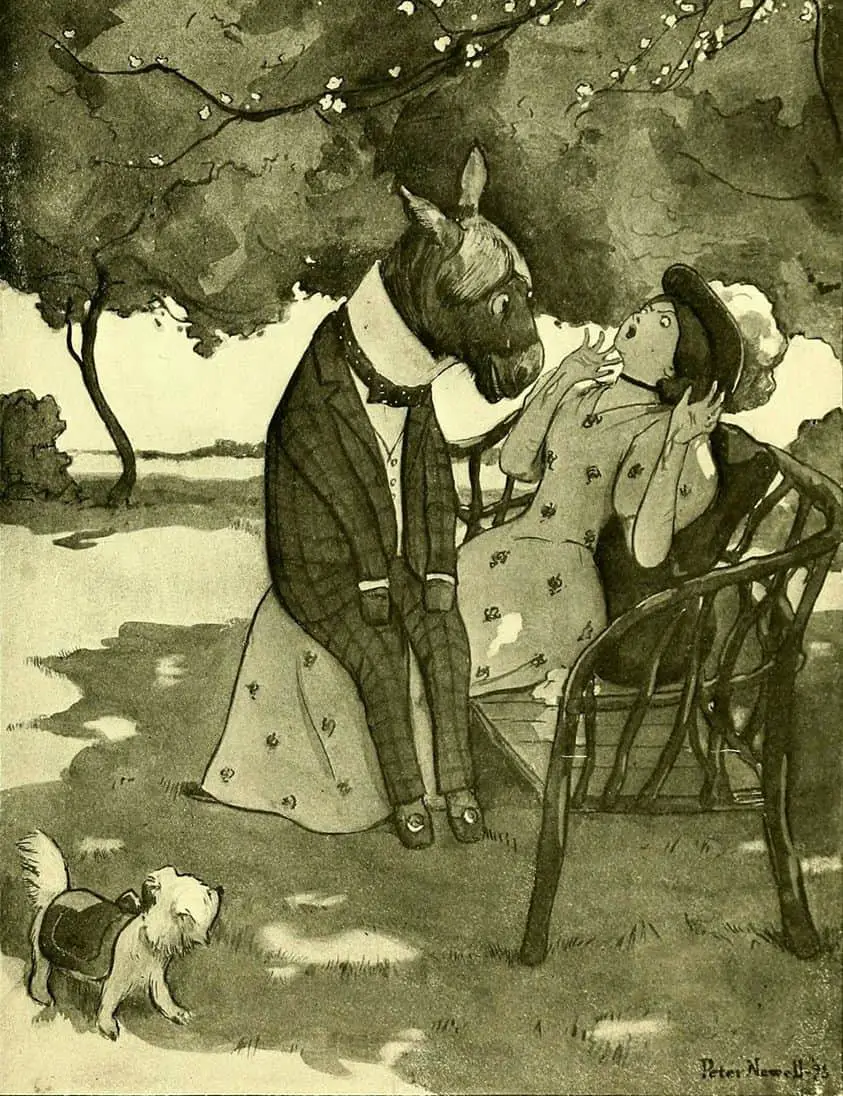
Folklore refers to the traditional beliefs, customs, and stories of a community, passed through the generations by word of mouth. No one knows the origins of folklore. Fables are parables which star non-humans (animals). Contemporary speakers rarely make this distinction. Mostly nowadays ‘fable’ is sometimes used instead of ‘parable’. Commentators know the lines have blurred and will now sometimes use the word…
-
An Animal Gets Into Trouble And Out Again
Dogs (and wolves and foxes) are popular choices for protagonists in this sort of story, I suppose because dogs are inclined to get themselves into trouble. (Our own border collie is no exception.) But here we have a wide selection of animal spanning the categories of birds, insects and lesser-known mammals. This kind of story is generally a type of…
-
The Story Of The Little Mole Who Knew It Was None Of His Business by Holzwarth and Erlbruch Analysis
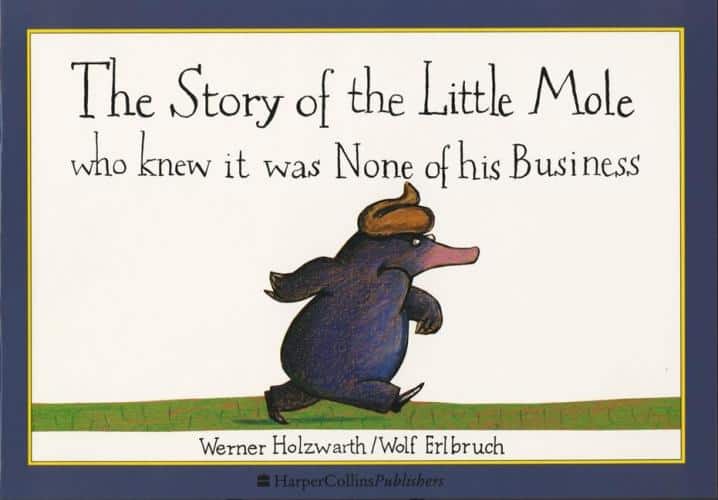
Whoever said ‘it’s impossible to rub a mole the wrong way’ had never met this little mole, who gets very salty and vengeful. Mind you, can’t say I’d be happy if someone pooped on my head, either. The Story of the Little Mole who knew it was None of his Business is a very popular picture book originally published in German.…
-
It’s The Bear! by Jez Alborough Analysis
It’s The Bear! by Jez Albrough is one of our daughter’s favourite picture books. She loved it when she was three, and still loves it even though she is now seven. It’s The Bear! is the second of Jez Alborough’s three hugely successful bear books from the 1990s. Published in 1996, It’s The Bear came out two years after the…
-
Animal Stories In Art and Storytelling
Why are there so many animal characters in children’s literature? A better question might be: Why so many humans? As Barbara Ehrenreich observes when writing about a 1940s discovery of cave paintings, early humans spent much more time rendering their cave wall paintings of animals. The humans are ‘humanoid’: crude stick figures. If the Paleolithic cave painters could create such…
-
I Want My Hat Back by Jon Klassen Analysis
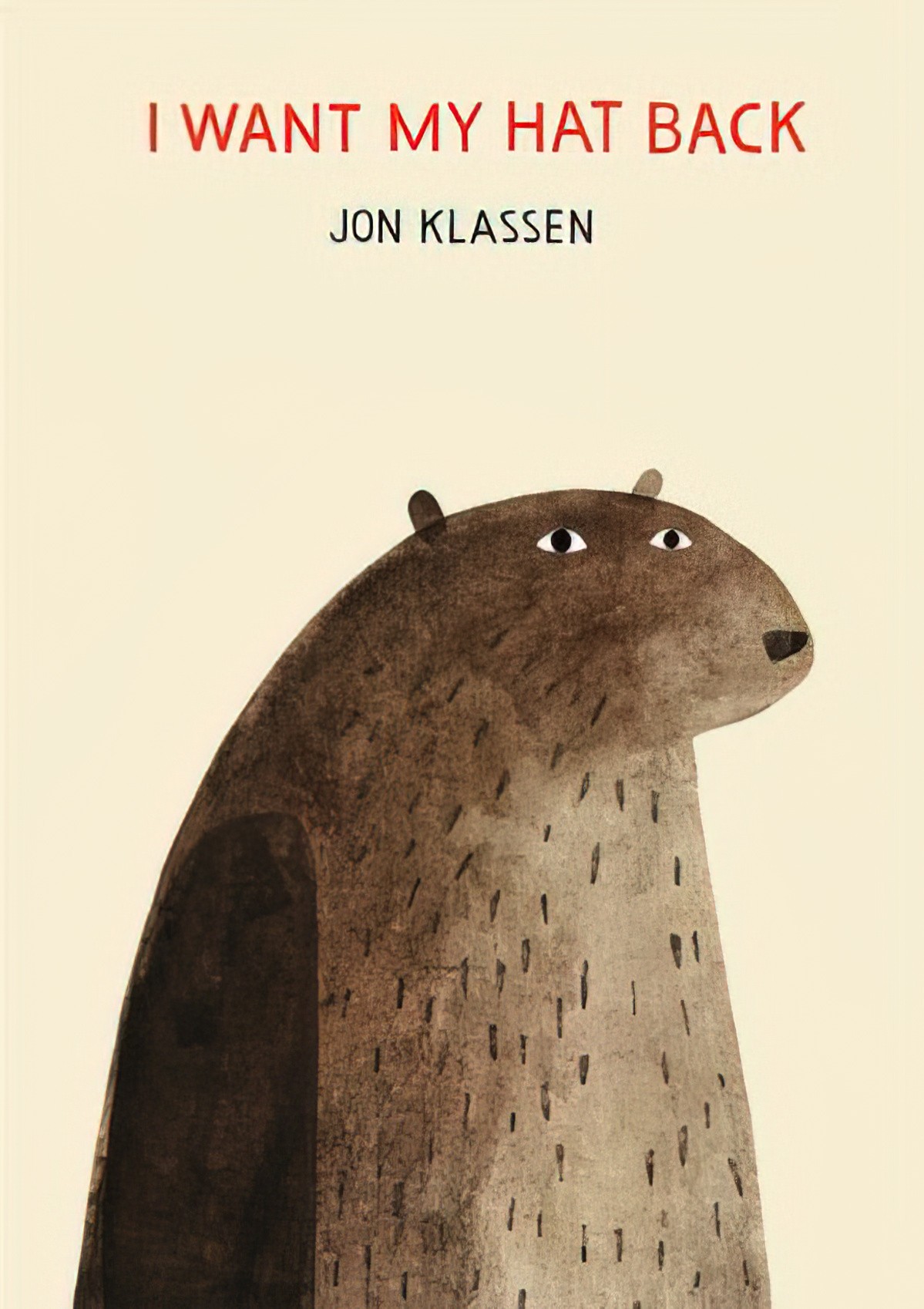
I Want My Hat Back (2011) is one of a trilogy of books written and illustrated by Jon Klassen. The plots are not linked and the characters are different. But they all feature hats. The other two are This Is Not My Hat and We Found A Hat. Holly Storck-Post at SLJ recommends these Jon Klassen books for use with…
-
Mog The Forgetful Cat by Judith Kerr Analysis
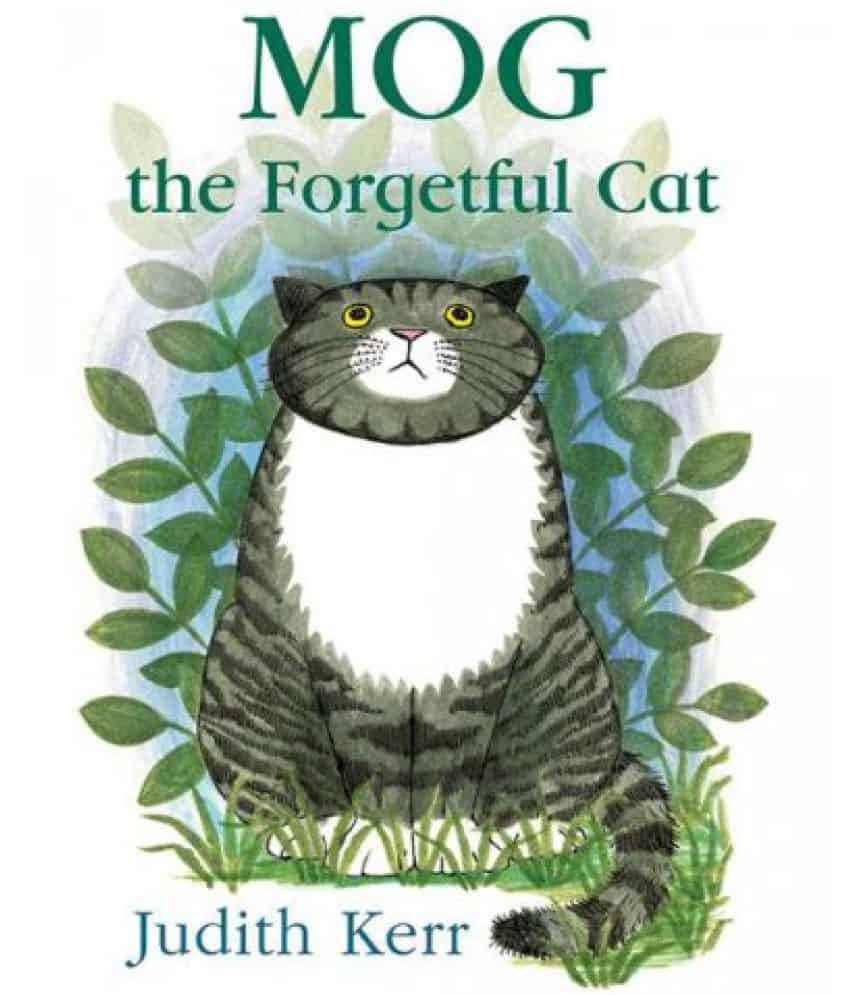
Mog The Forgetful Cat is the story that introduced Mog to young readers at the beginning of the 1970s. You’ll see from the illustrations that this is a book of its time, with 1970s fashion and a traditional nuclear family set-up, including a population that, compared to modern day London, is overwhelmingly white. If there is a spectrum of personification…
-
The Tiger Who Came To Tea by Judith Kerr Analysis
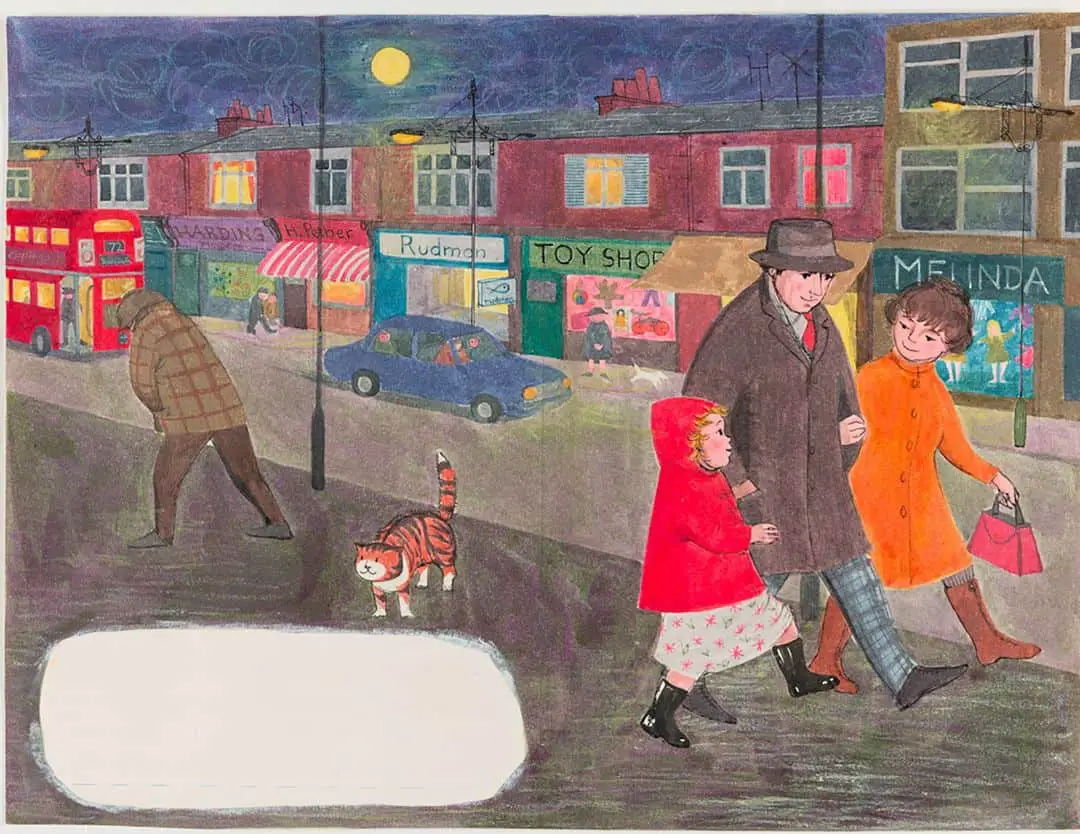
The Tiger Who Came To Tea (1968) is a picture book written and illustrated by British storyteller Judith Kerr.
-
Harry The Dirty Dog by Gene Zion and Margaret Bloy Graham Analysis
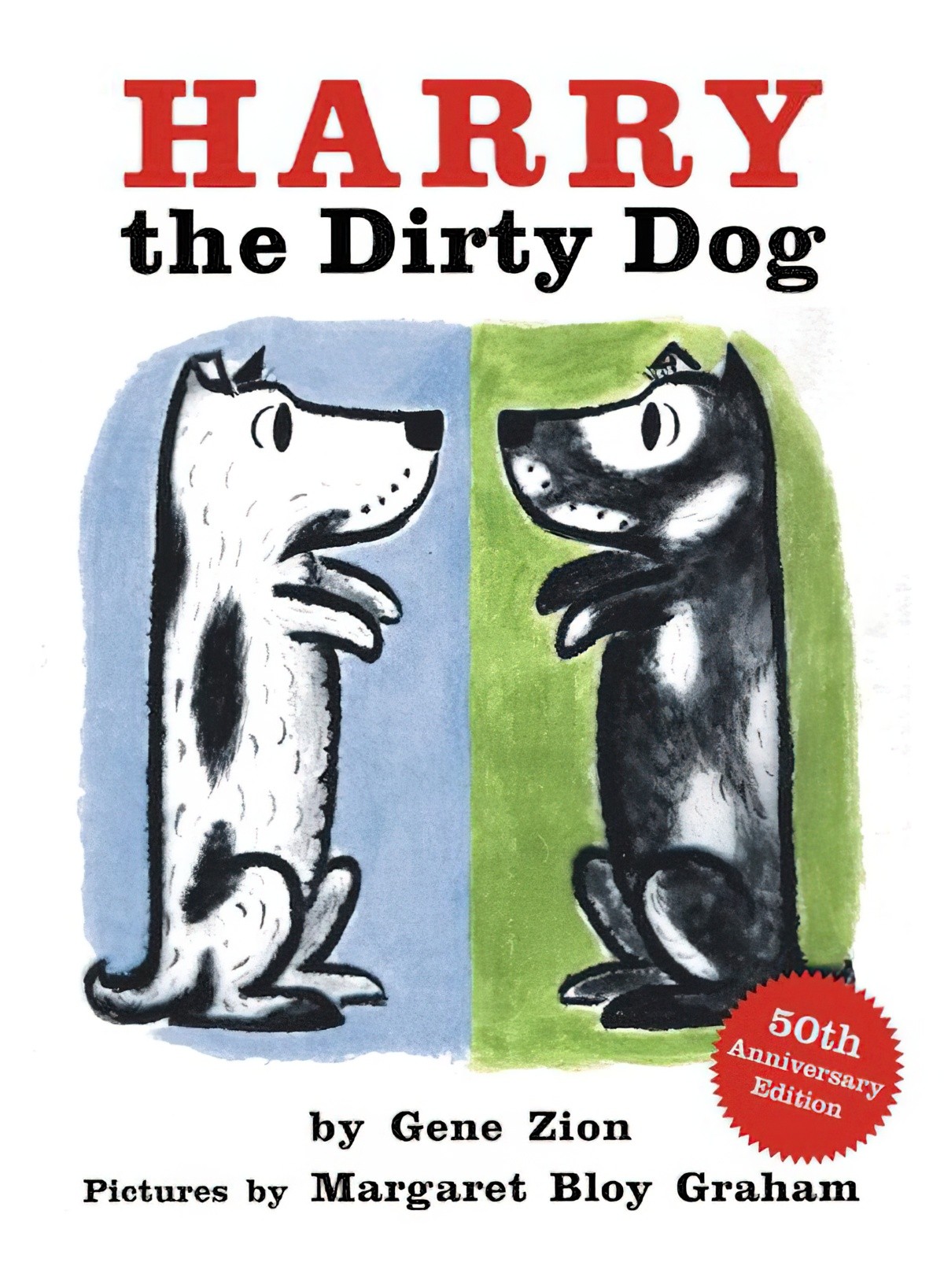
Harry The Dirty Dog (1956) is a good example of what Bakhtin termed ‘the material bodily principle‘ — the human body and its concerns with food and drink (commonly in hyperbolic forms of gluttony and deprivation), sexuality (usually displaced into questions of undress) and excretion (usually displaced into opportunities for getting dirty). This book is also an example of an ‘interrogative…
-
Possum Magic by Mem Fox and Julie Vivas
Possum Magic is a classic Australian picture book by Mem Fox. https://www.youtube.com/watch?v=BboBeS-vhjg WHAT HAPPENS IN THE STORY OF POSSUM MAGIC Grandma Poss uses bush magic to make a child possum (Hush) invisible so that Hush won’t be eaten by snakes. (I’m going to put aside the fact that snakes seem to ‘see’ via vibrations, so an invisibility superpower wouldn’t necessarily…
-
Just Me And My Puppy by Mercer Mayer Analysis
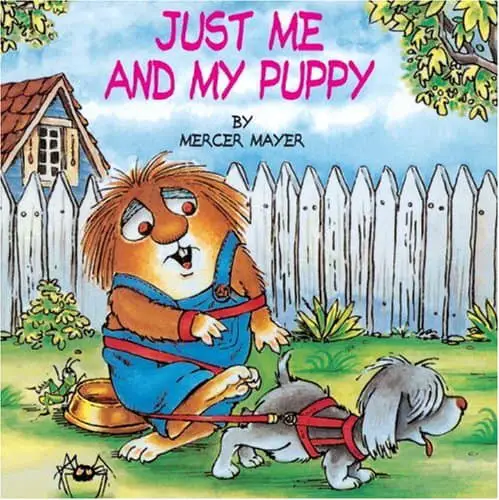
Just Me And My Puppy by American author-illustrator Mercer Mayer is worth a close look because, like many others in this long-running series, it is a wonderful example of ‘counterpoint irony’ in picture books. Though the title may annoy purists, the grammar of the title foreshadows a story told from the point of view of a toddler-aged creature. As a…
-
Bears In The Night by Stan and Jan Berenstain Analysis
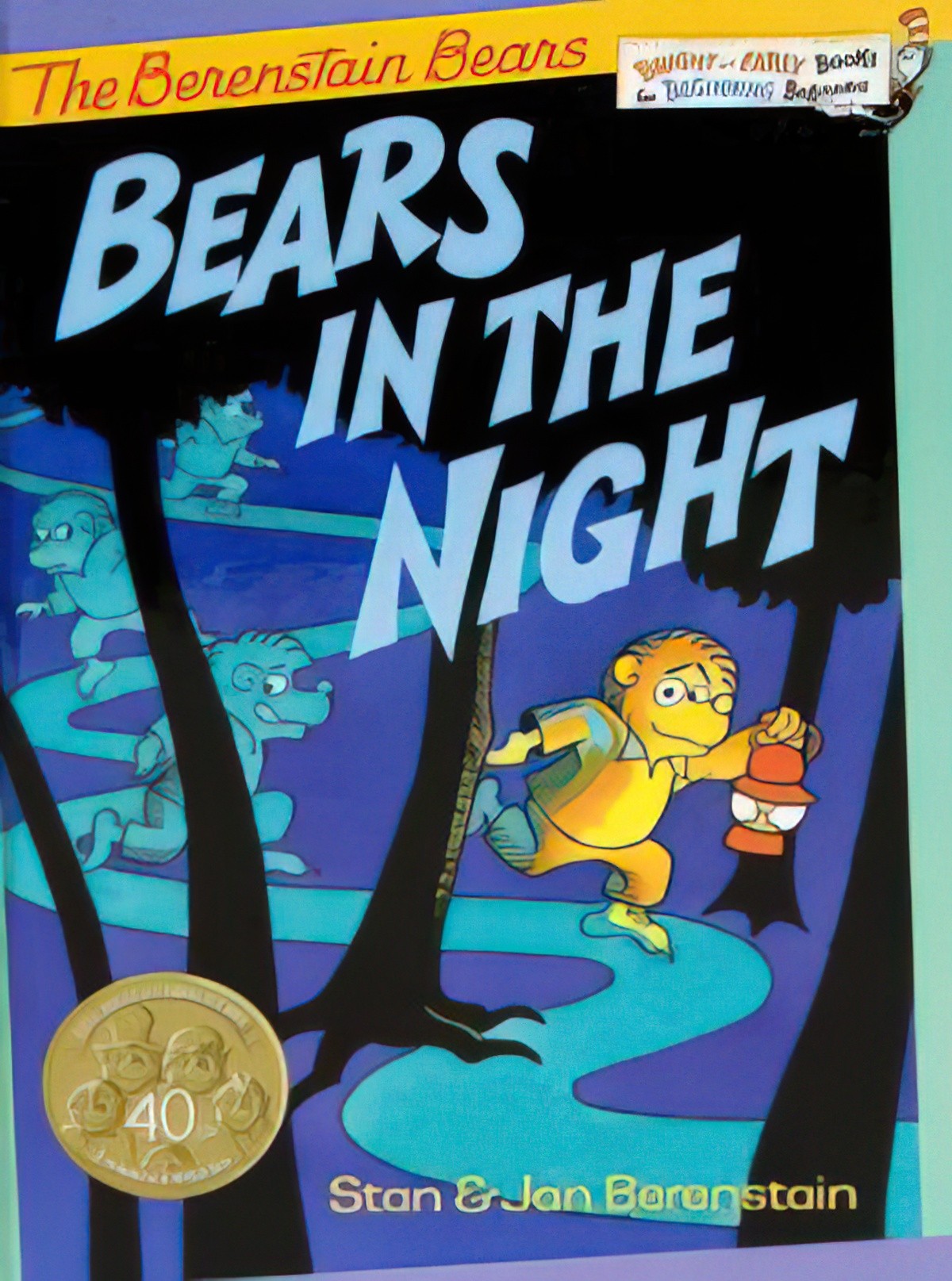
Anyone who has helped an emergent reader with assigned readers knows the difference between an interesting early reader and a ‘slog’. Bears In The Night by the Berenstains is an early reader with a focus on positional words. This book is an example of a successful early reader because the story is engaging and children will want to return to its…
-
Bears In Art and Storytelling
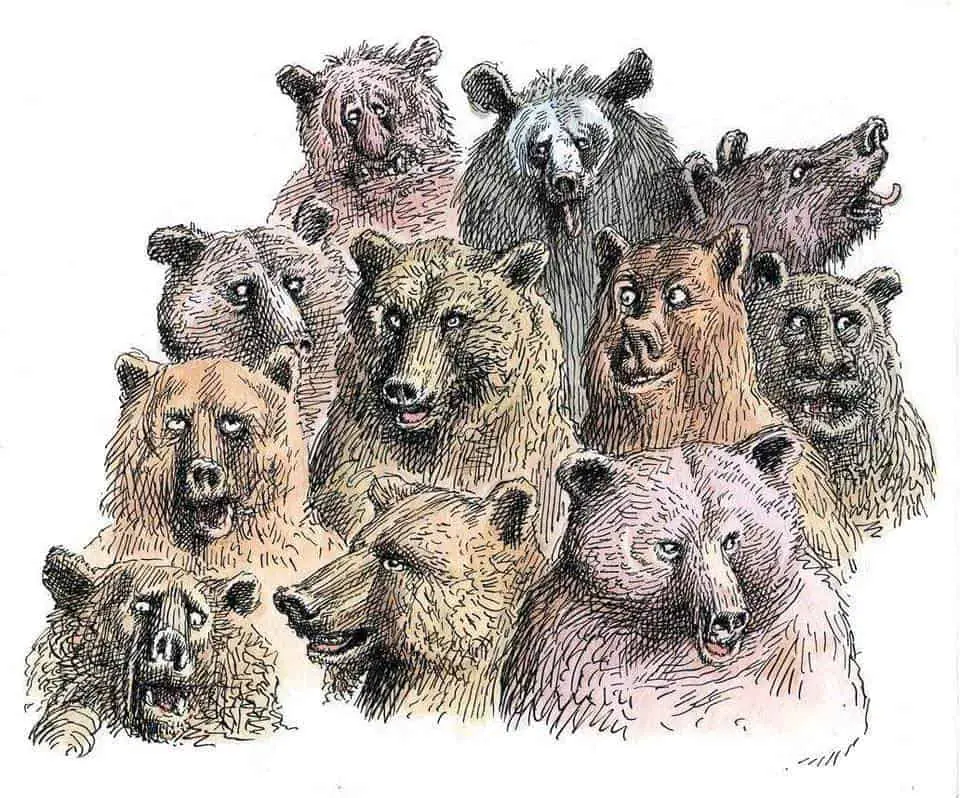
Perhaps you know a little person who absolutely love bears. I know one of those. She loves stories about bears. Fortunately they are in no short supply.