-
Magic Words and Spells
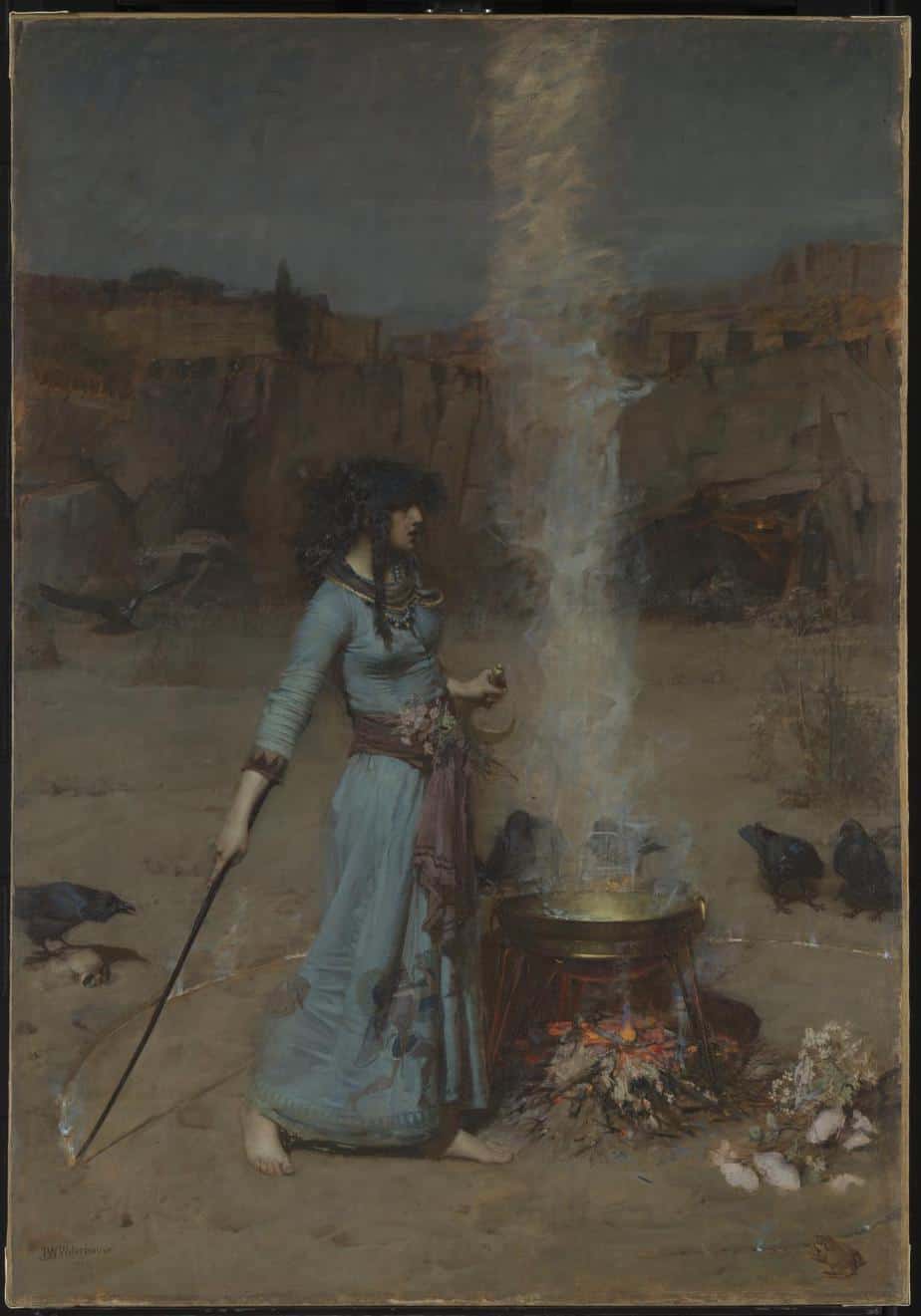
In children’s fantasy, enchanted realism and magical realism, there is often an arc word (leitwort) which enters popular lexicon, or sticks in the mind long after the reader leaves the story. These magic words sometimes become a part of the child’s own imaginative play, an improvised version of early childhood fan fiction. Where Do Magic
-
Symbolism Of Ships and Boats In Literature
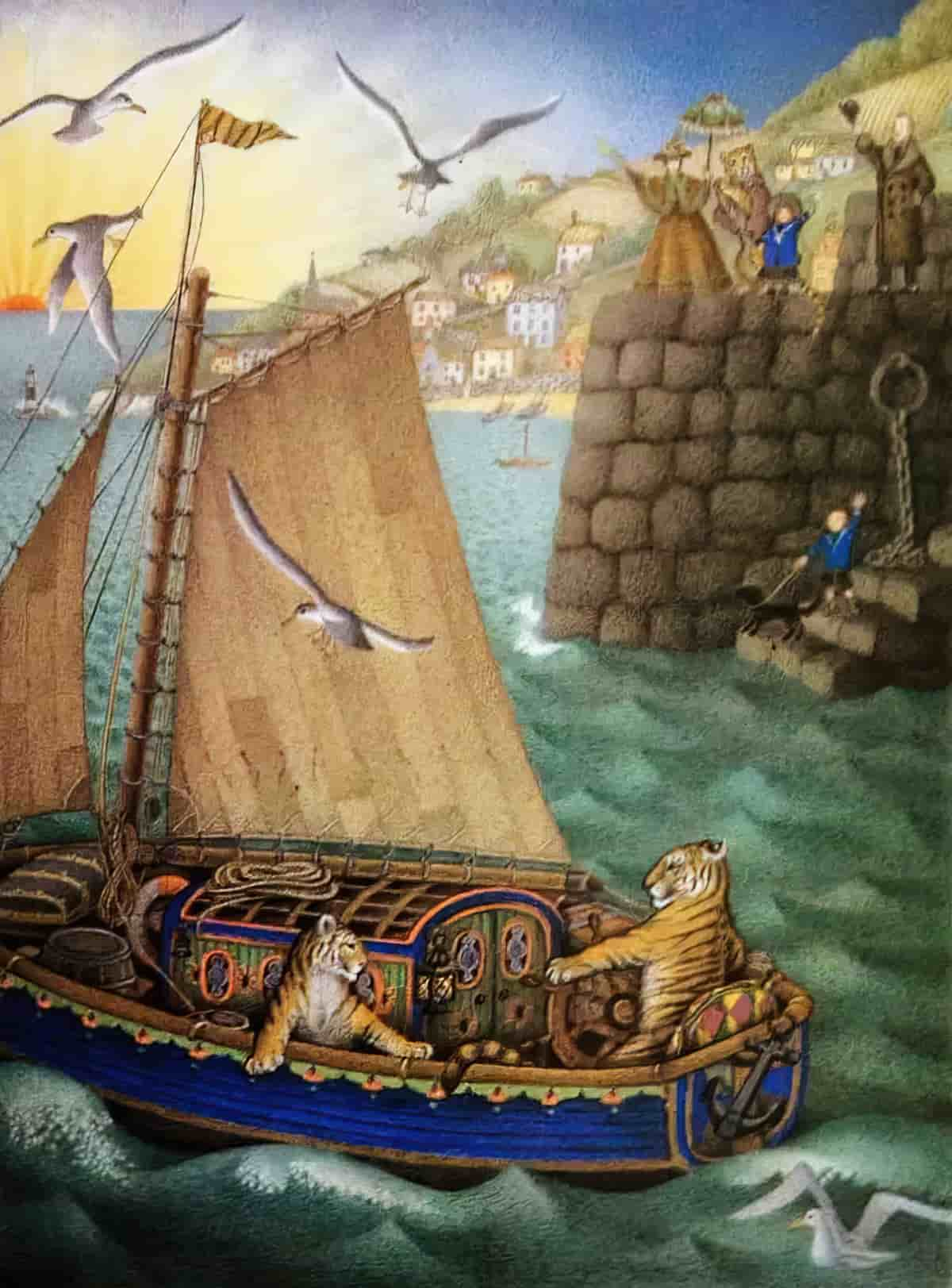
Ships, boats and other sea vessels are symbolically significant across literature. How are they used and what do they symbolise?
-
Frogs and Toads in Art and Storytelling
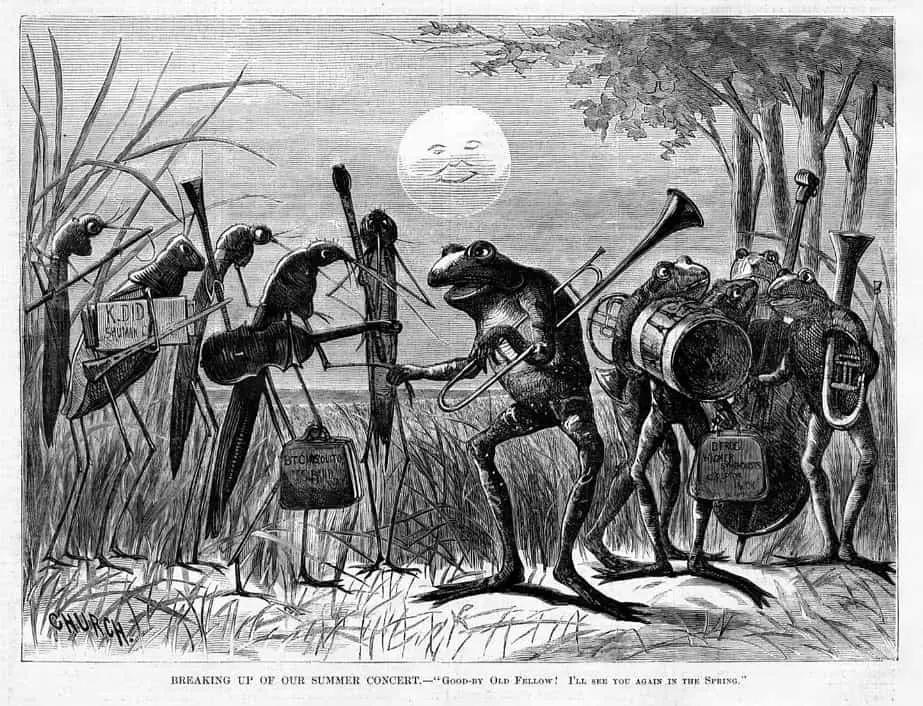
In stories, mice are to rats as frogs are to toads. Unlike hares and rabbits, toads and frogs are actually the same category of animal, but one has garnered a better reputation. I’ve heard ‘toad’ used as an insult, but I’ve only ever heard ‘froggy’ to describe the shape of someone’s mouth. Neither is especially
-
The Little Governess by Katherine Mansfield Short Story Analysis
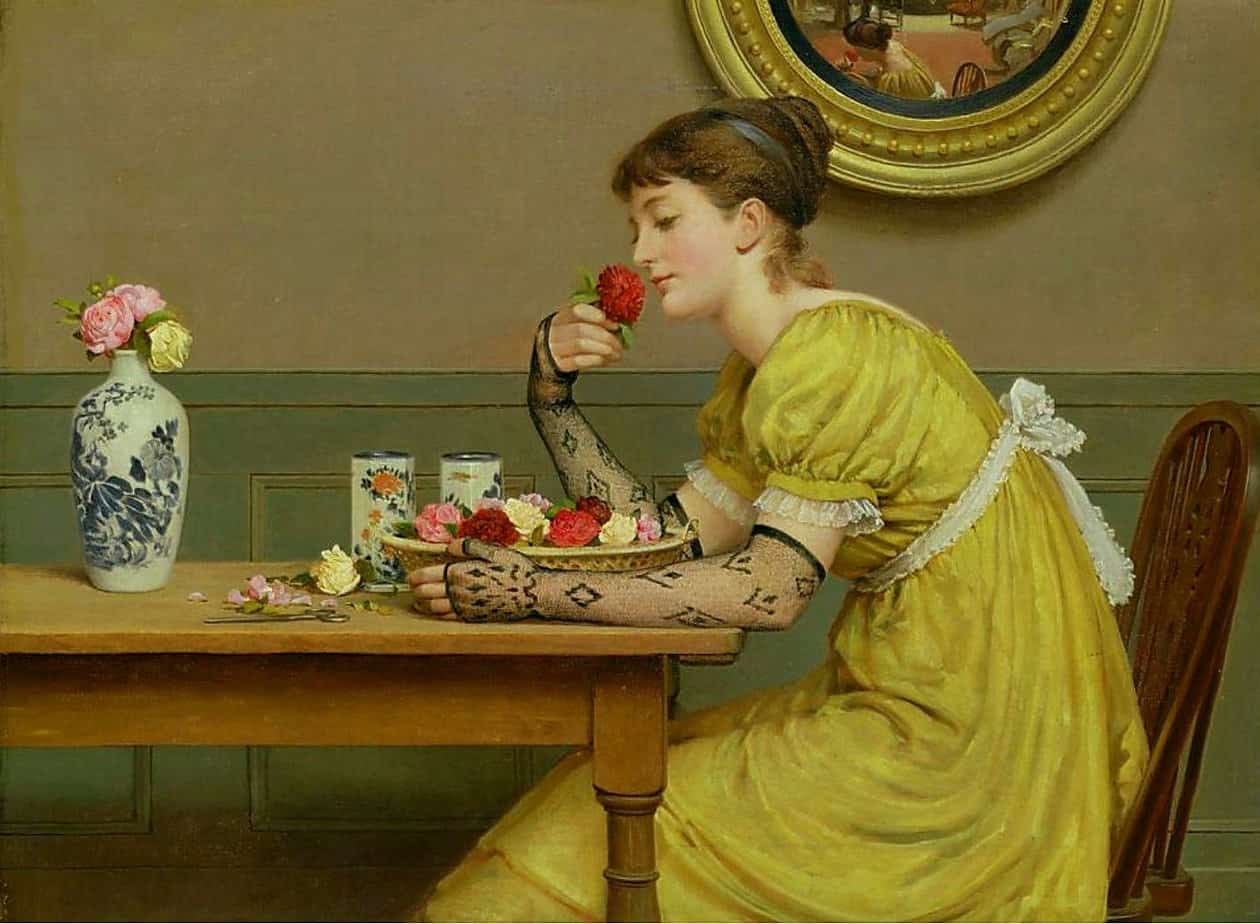
Katherine Mansfield wrote. It’s a cautionary tale without the Perrault didacticism. It’s Little Red Riding Hood, but social realism. This story exists to say, “You’re not alone.” It’s a gendered story, about the specifically femme experience of being alone in public space. Some critics find the ending inadequate. This is a stellar example of a…
-
Zoo by Anthony Browne (1992) Analysis
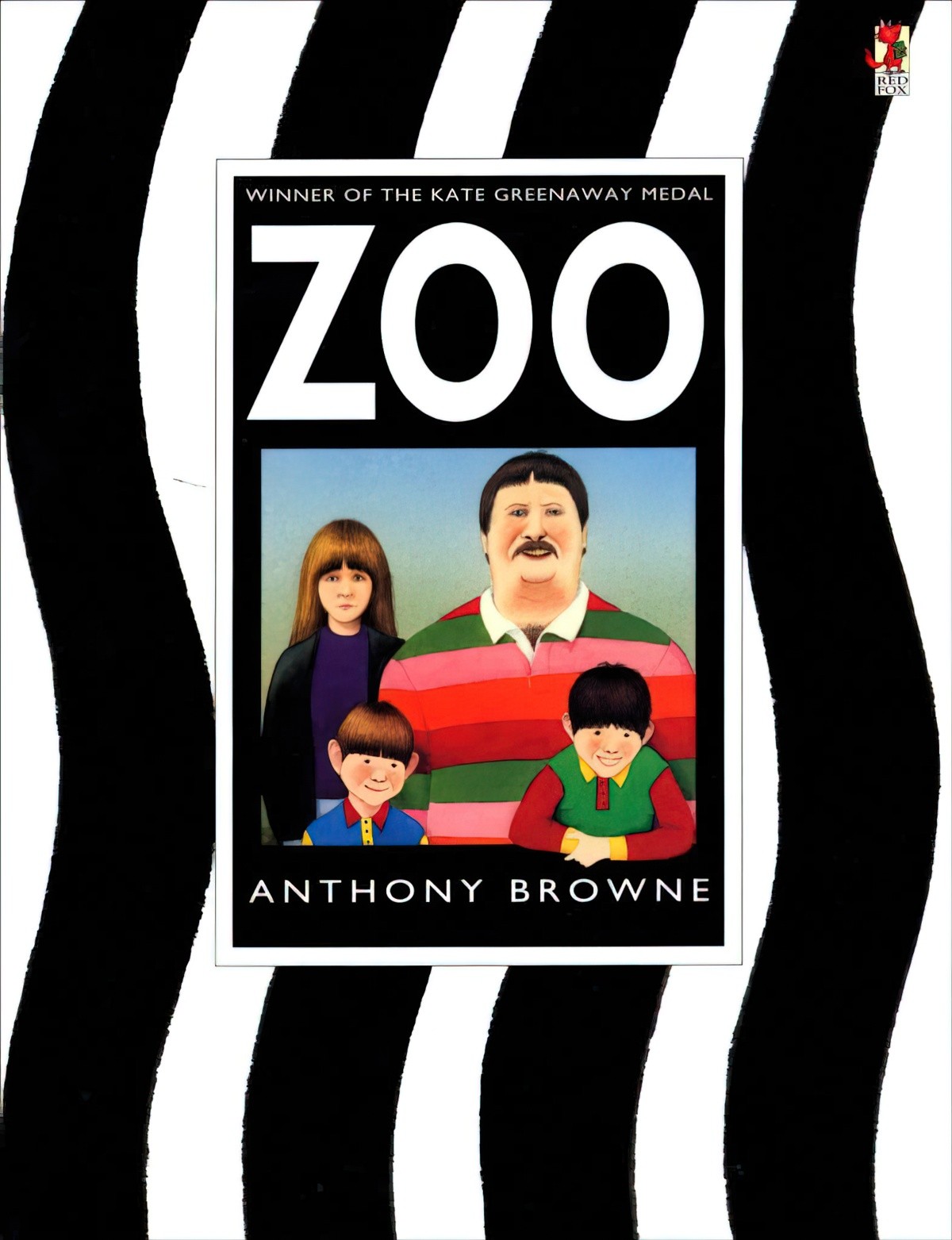
Zoo is a postmodern picture book written and illustrated by Anthony Browne, first published in 1992.
-
Why Does Spirited Away Feel So Weird To Westerners?
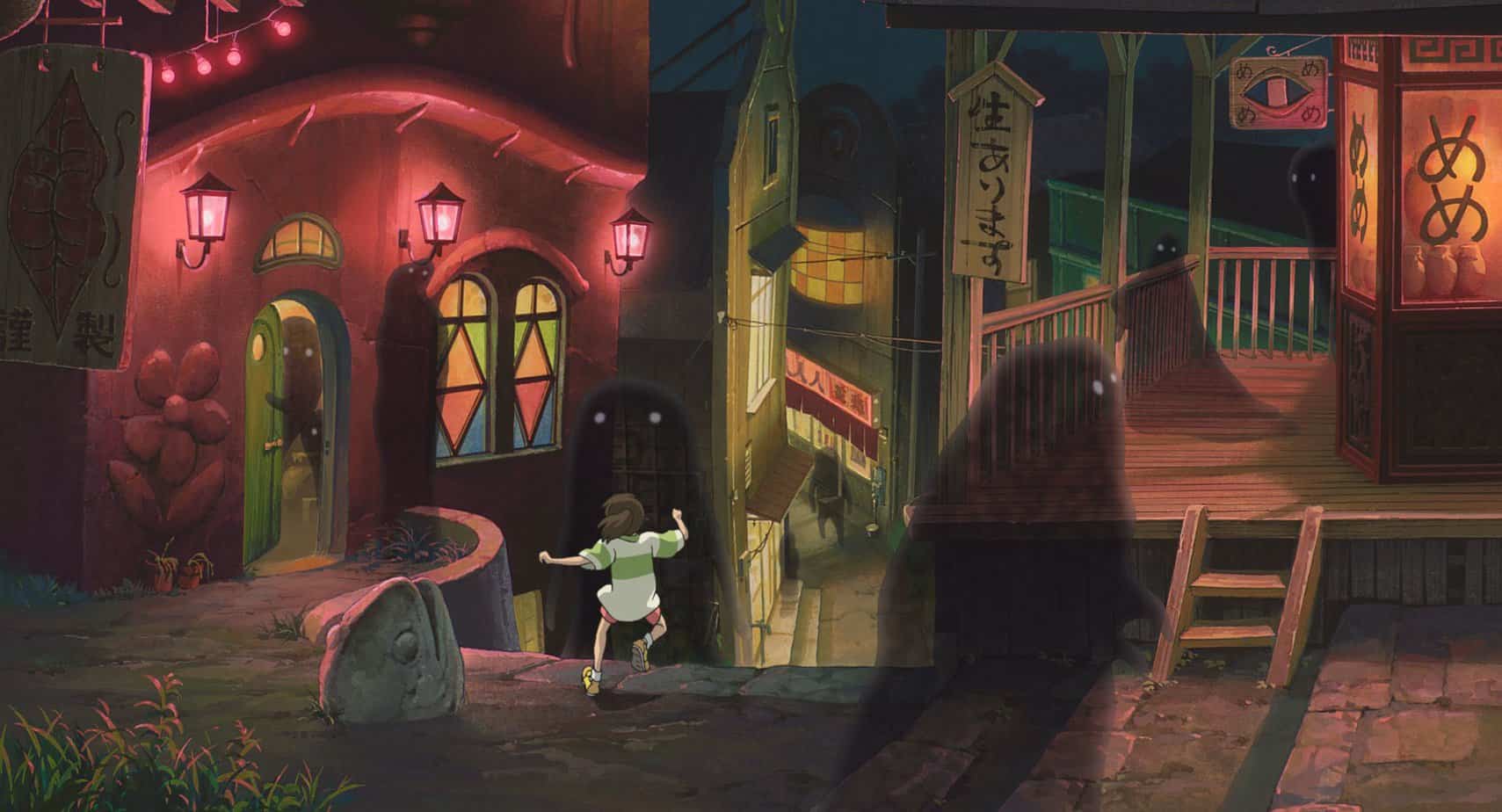
Spirited Away draws from sources as diverse as: When Spirited Away was released back in 2001 I was teaching Japanese and English literature in a New Zealand high school. Bridging both subjects, I’ve shown the DVD of Spirited Away to a large number of students. It’s an annoying 2h 5m — ideally teachers want a
-
Castles In Art and Storytelling
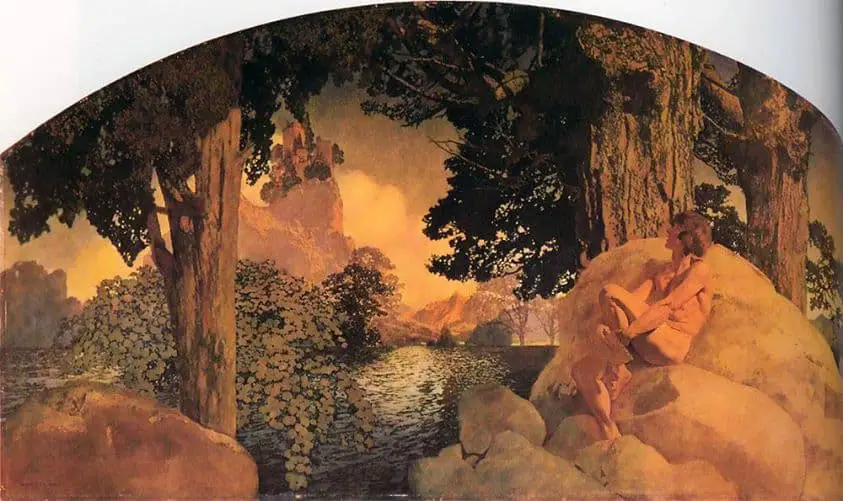
The castle is a feature of Gothic storytelling, and commonly makes appearances in ghost stories of all kinds. Dragons and castles also go together. As kids my friends and I played King of the Castle. There’s not much to it. We used a pile of dirt, left by some builders. One person climbs to the
-
The Influence of Lotte Reiniger
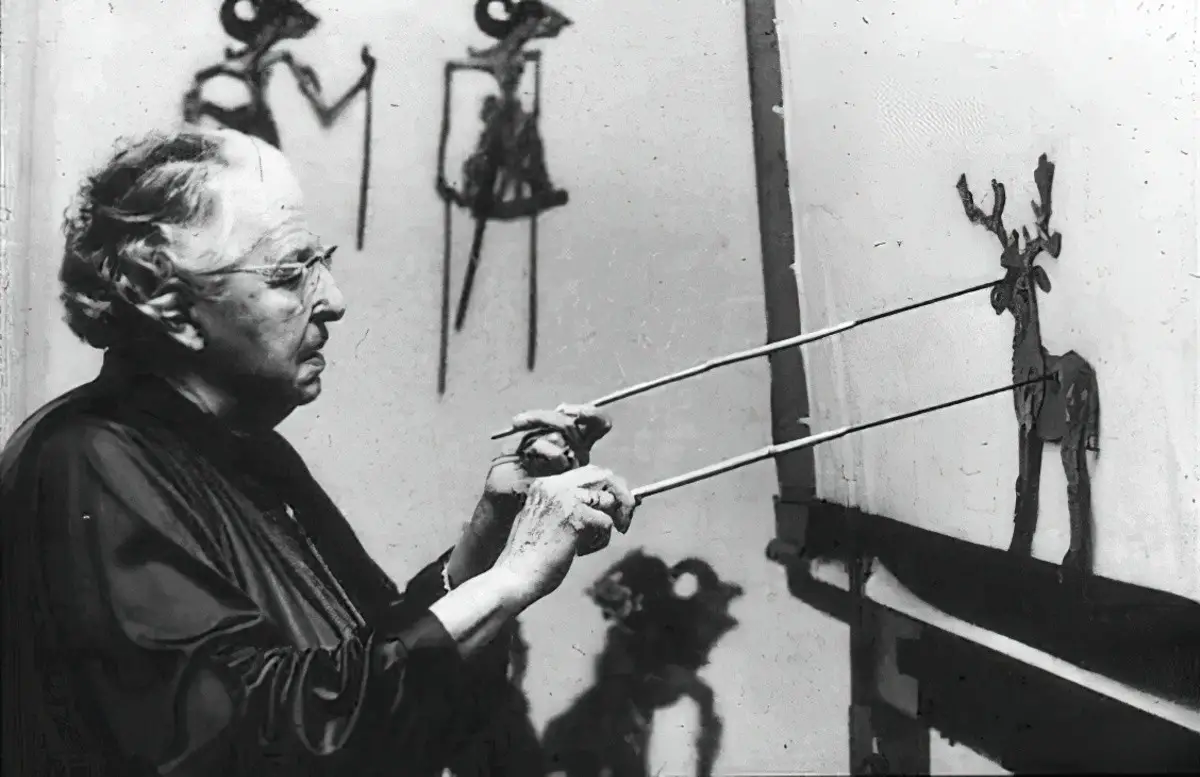
Lotte Reiniger (1899 – 1981) was a German animator who should be more widely remembered for her influence on art and animation. Reiniger was a pioneer of silhouette animation. She made over sixty films. Eleven are considered lost and fifty have survived.
-
The Mark Twain Wink In Children’s Stories
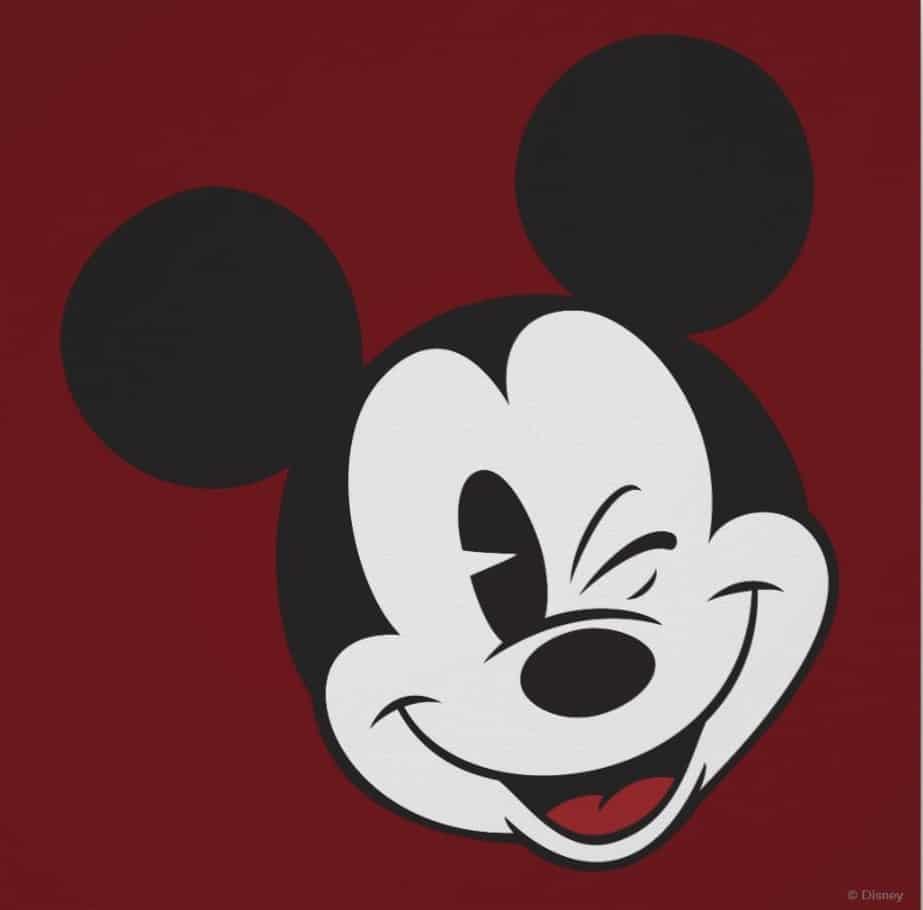
The word ‘wink’ is sometimes used in relation to children’s literature. Below I take a look at how authors ‘wink’ at their audiences, and also compare the 20th century paternal wink to a more modern version, which includes the youngest readers rather than going over their heads. You may notice that each of the examples
-
A Brief History of Home Lighting
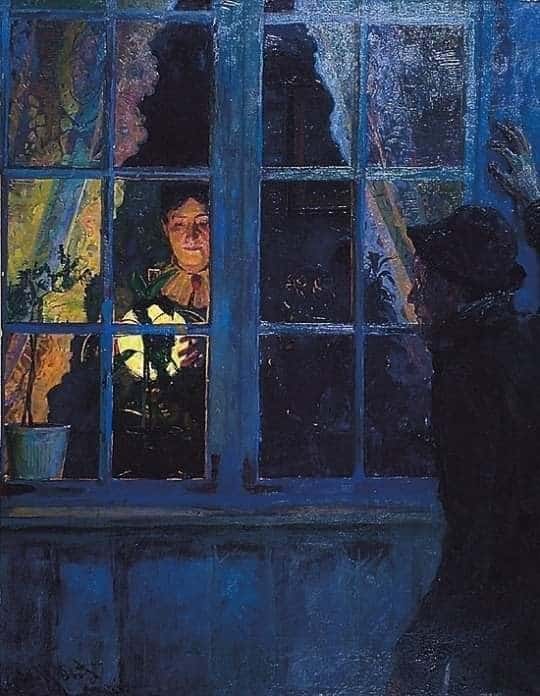
With the invention of electric light human lives changed suddenly. This change was reflected immediately in art, first by the Impressionists. Impressionist painters were the first to enjoy the freedom of painting without reliance upon the sun, in plein air. Artists from the 1960s to today use light sources to express ideas, concepts and to
-
How to become invisible
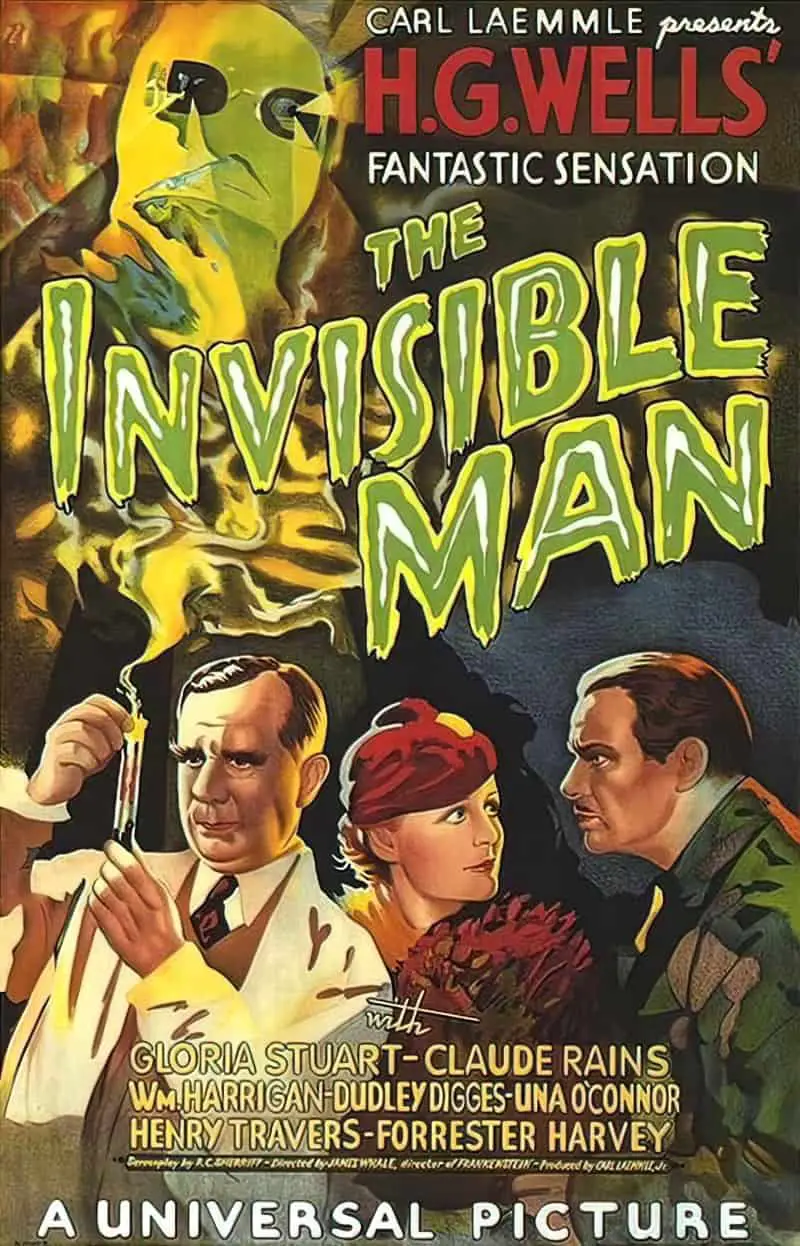
For this one you must go to Iceland. Once in Iceland, get your hands on a magical text full of spells and suchlike, a.k.a. Icelandic grimoires. But to save you the trouble, refer to the recipe below.
-
Rufus and the Blackberry Monster by Lisa Stubbs Analysis
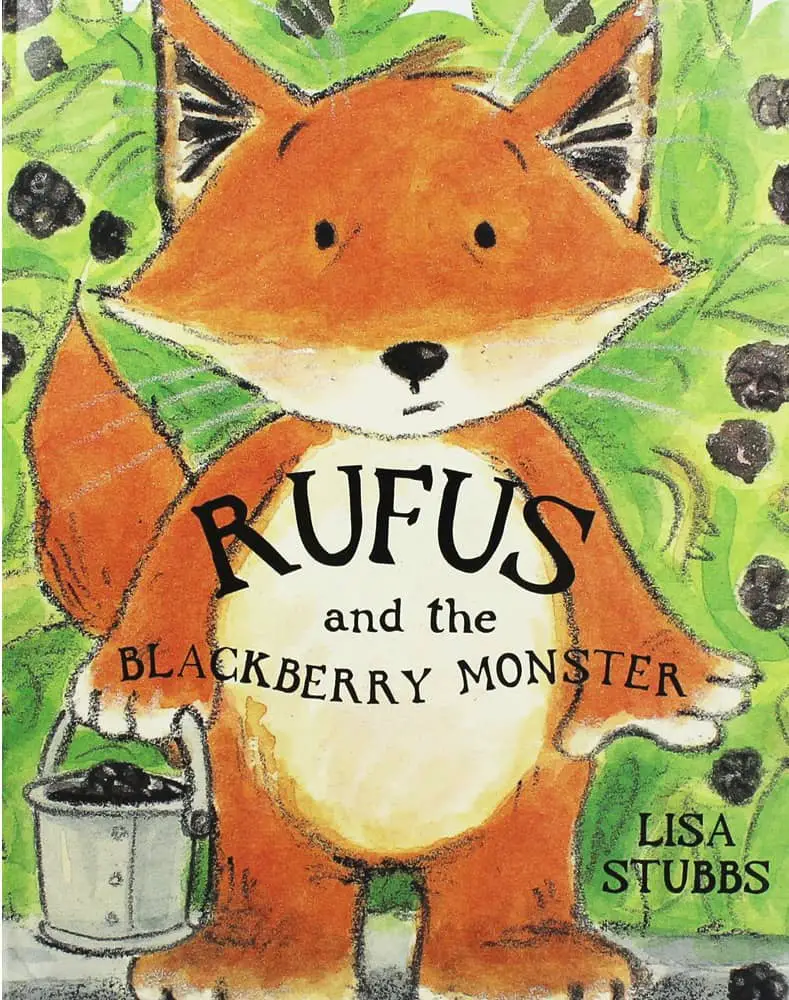
1999 in picture books was the year of monsters in the forest. Jez Alborough was finishing up his bear series about a massive toy bear, actually harmless. Julia Donaldson and Axel Scheffler released their phenomenal hit The Gruffalo. Rufus and the Blackberry Monster by Lisa Stubbs is part of the same family. Comparisons between this
-
Fairy Cup Legends In Modern Children’s Stories
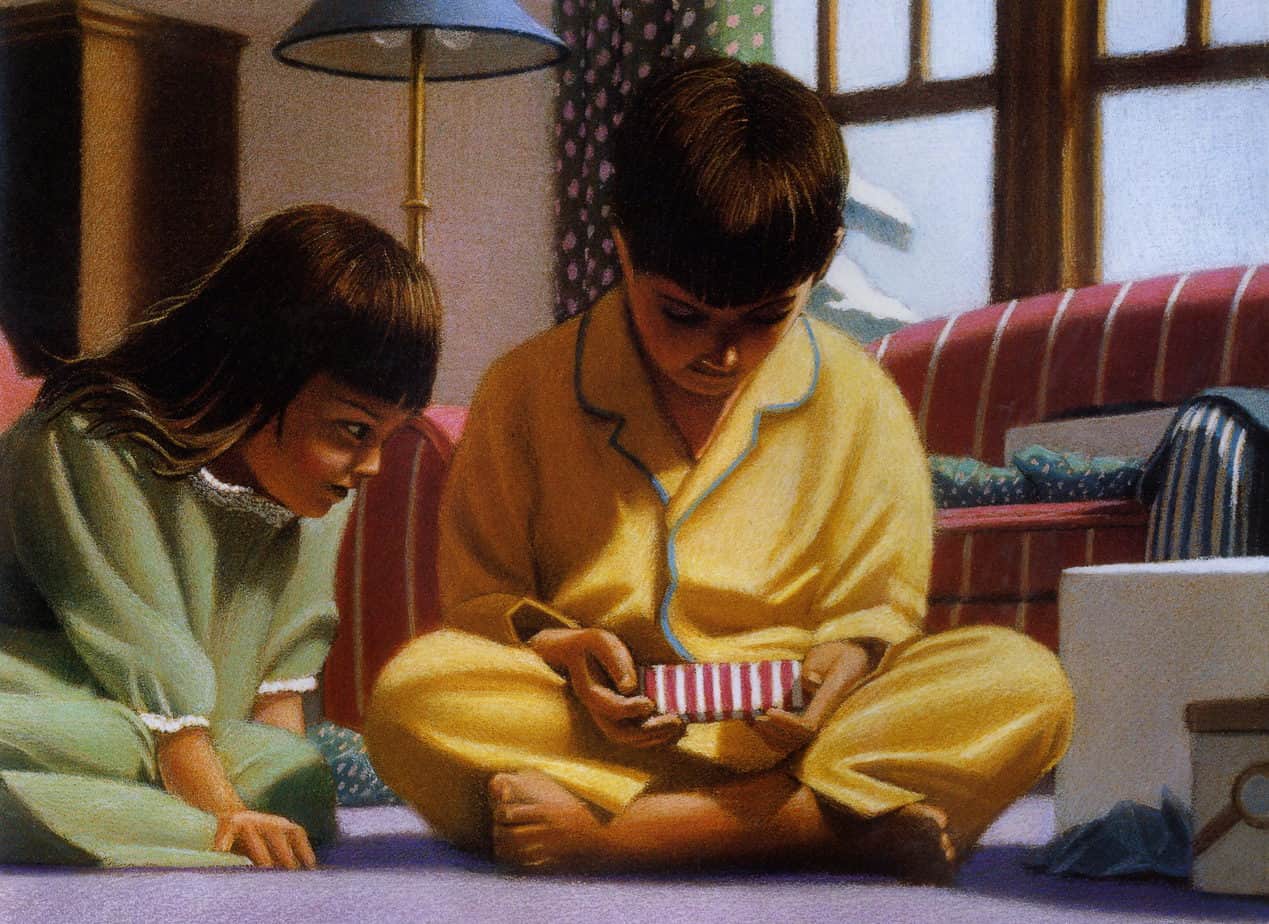
Is fairy land real? Some children’s stories would like us to think so. Their endings contain a ‘wink’, encouraging readers to carry the possibility of fantasy lands with them, even after the story draws to a close. This is one way of achieving resonance. We might argue this is a cheap trick. Enter Richard Dawkins,
-
Monster Pet! by McAllister and Middleton Analysis
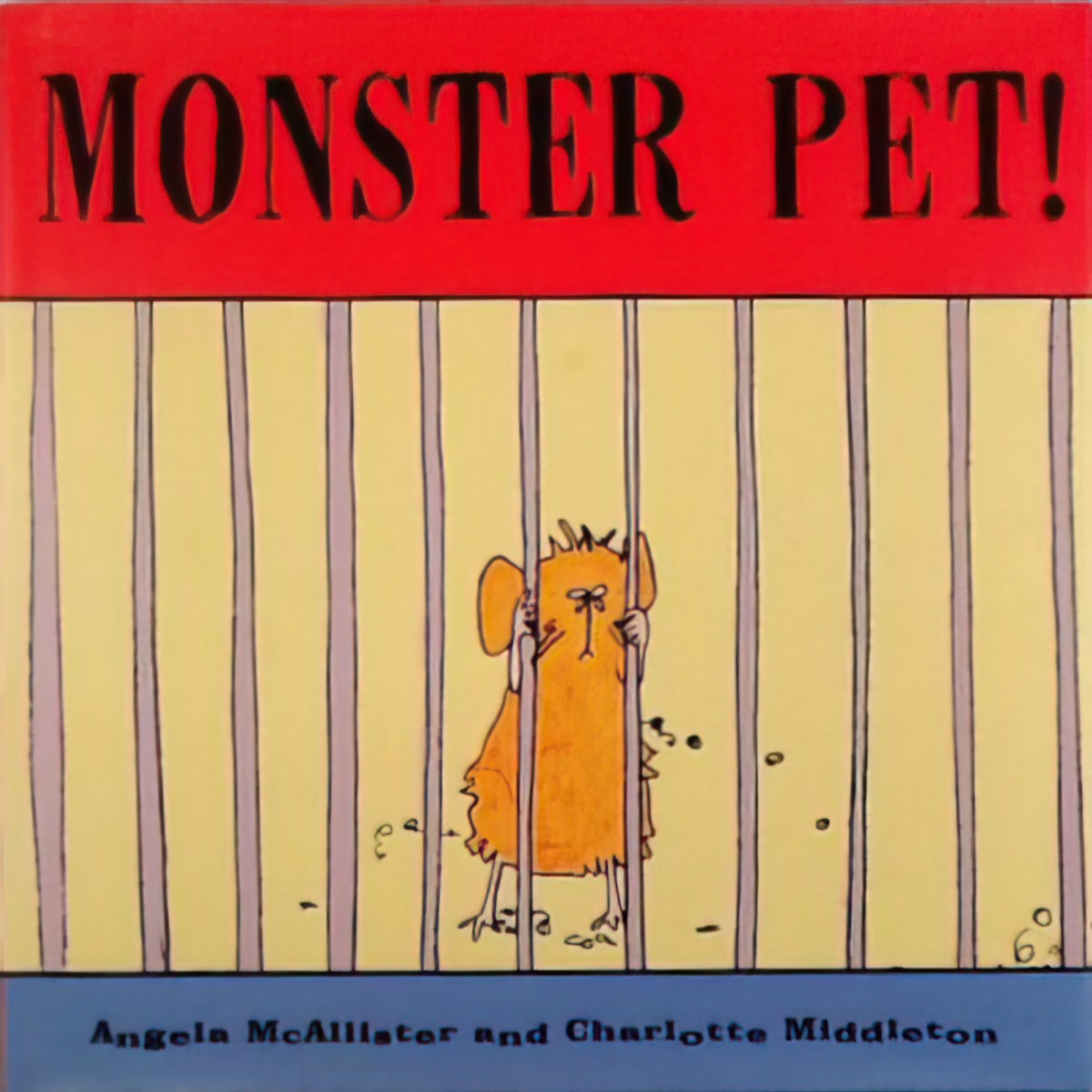
Monster Pet! is a 2005 picture book written by Angela McAllister and illustrated by Charlotte Middleton. The story is designed to get young readers thinking about the responsibility of caring for a sentient creature. A body swap plot is used to that end, though I suspect more empathy derives from the facial expressions on the…