BOBSLEIGH: (British) a mechanically steered and braked sledge, typically for two or four people, used for racing down an ice-covered run
SLED: another term for sledge
SLEDGE: (British) a vehicle on runners for conveying loads or passengers over snow or ice, often pulled by draught animals. e.g. “a dog sledge”
SLEIGH: a sledge drawn by horses or reindeer, especially one used for passengers.
TOBOGGAN: a long, light, narrow vehicle, typically on runners, used for sliding downhill over snow or ice
SLEDDING, SLEIGHS AND SLEDS IN STORYTELLING
sledding, sleighs, and sleds across storytelling — which turns out to be one of storytelling’s most symbolically loaded vehicles, carrying everything from lost childhood to national identity to the machinery of winter enchantment:
The Foundational Literary Examples
Frankenstein — Mary Shelley (1818)
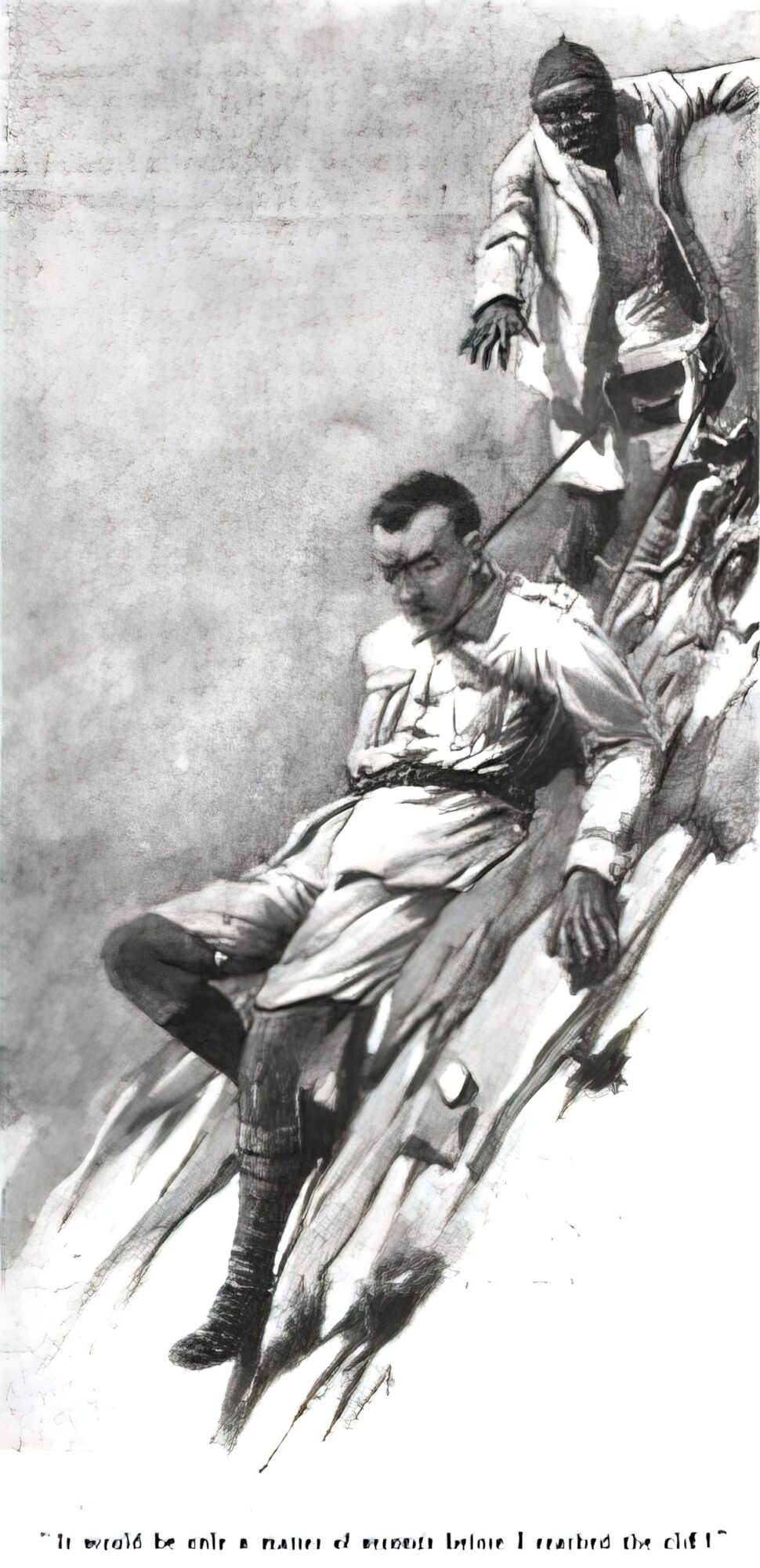
The novel’s entire framing narrative is conducted by dog sledge across the Arctic, and the image is one of literature’s most haunting: two sledges crossing an ice wilderness in pursuit of each other, one containing a monster, one a dying man, both disappearing into the polar dark.
Robert Walton, captaining an Arctic expedition, first spots a figure of gigantic stature crossing the ice on a dog sledge, heading north. The following day he finds Victor Frankenstein on another sledge, barely alive, pursuing. Victor boards the ship and tells his story. At the novel’s end, Victor dies aboard Walton’s vessel and the Creature appears at the porthole to mourn over the body — then departs on his sledge toward the north, to destroy himself on a funeral pyre somewhere in the darkness.
Shelley uses the Arctic and its sledges with precision. The pursuit of creator by creation and creation by creator across the most inhospitable landscape on Earth makes the novel’s central relationship — the grotesque intimacy of maker and made, the impossibility of separation — spatially legible. They need each other even in mutual hatred; each sledge requires the existence of the other to have direction. The Arctic is the landscape of pure extremity, the place where all social mediation has been stripped away, and the sledge is how you move across it when the world has reduced to ice and survival and obsession.
The novel also establishes the sledge as the vehicle of the sublime — not comfort or speed but endurance, the human body and animal power against an indifferent wilderness. This is the sledge as existential instrument, and it recurs throughout the polar exploration literature that follows.
Ethan Frome — Edith Wharton (1911)
The most important sled in American literature, and one of the most devastating plot mechanisms in the entire tradition. Ethan Frome is a Massachusetts farmer trapped in a loveless marriage to the hypochondriac Zeena. He has fallen in love with Mattie Silver, Zeena’s cousin, who lives with them as a helper. When Zeena sends Mattie away, Ethan and Mattie spend their last afternoon together and, as the winter dusk falls, take one last sled run down the treacherous Starkfield hill.
On the hill, rather than separating, they decide to steer the sled into the great elm tree at the bottom — a mutual suicide pact, or rather a mutual attempt to escape through death from lives that have become unliveable. They crash. They survive. Mattie is paralyzed; Ethan is crippled. Zeena, who was supposed to be the invalid, ends up caring for both of them for the rest of their lives. The escape becomes the ultimate entrapment.
Wharton’s use of the sled is a masterpiece of ironic inversion. The sled run — associated throughout the novel’s earlier passages with freedom, youth, exhilaration, and the one space where Ethan and Mattie can be near each other unchaperoned — becomes the instrument of permanent imprisonment. The hill that represented descent into pleasure becomes descent into ruin. The speed and surrender of sledding, which had been the novel’s primary image of joy, is redeployed as the speed and surrender of self-destruction.
The novel’s framing device — a narrator who encounters the three survivors years later without knowing their story, then gradually assembles it — means that we understand the ruin before we understand what caused it, and then watch the sled run with the knowledge of what it produces already sitting in our minds. The joy of the sledding scene is contaminated from the start. Wharton uses the sled to ask whether the desire for escape — even a violent, terminal escape — can be understood as a form of dignity, and refuses to answer.
Russian Literature and the Troika
The troika — a Russian vehicle pulled by three horses harnessed abreast, the center horse trotting and the outer two galloping — is one of the great symbols of Russian national identity in literature, and it appears across the tradition from Gogol through Tolstoy and Chekhov to Pasternak with a consistency that amounts to a sustained meditation on Russia’s nature, speed, and destiny.
Dead Souls — Nikolai Gogol (1842)
The most celebrated troika passage in literature comes at the end of the first part of Gogol’s unfinished comic masterpiece. Chichikov, the novel’s fraudulent protagonist, departs in his troika after a series of schemes involving the purchase of deceased serfs’ names, and the troika becomes Russia itself:
“And you, Russia — are you not speeding along like a fiery and matchless troika? Beneath you the road is smoke, the bridges thunder, and everything is left behind. At the sight of this God-sent miracle, the beholder pauses — whether it be lightning from heaven? What does this awe-inspiring motion mean? And what unknown force is in these horses, whose like is unknown to the world? Ah, horses, horses — what horses! Are there whirlwinds hidden in your manes? Is there a keen scent that burns in your every vein? Ahead they hear the familiar song — and at once the iron chains on their chests go taut, and they run almost without touching the earth, and the troika becomes all air, all inspiration!”
Gogol then asks where Russia is rushing — and does not answer. The comic rogue Chichikov is forgotten; the troika becomes the nation, racing at terrifying speed toward an unknown destination, and the surrounding nations must step aside as it passes. It is one of the great pivots in world literature: a satirical novel about fraud and provincial life suddenly opening onto a vision of national destiny, conducted entirely through the image of a vehicle in motion.
The troika passage is also deeply ironic — Gogol has spent the entire novel showing Russia’s corruption, pettiness, and stagnation, and then invokes the troika’s speed as though none of that were true. Whether Gogol believed in the vision or was mocking those who did is a question Russian readers and critics have argued about ever since.
War and Peace — Leo Tolstoy (1869)
The troika sleigh ride in Book Seven — the Rostov family’s mummers’ party and the midnight drive through the Russian winter countryside — is one of the novel’s great passages of embodied joy, and one of literature’s finest evocations of what it feels like to be young and alive and moving through a winter night.
Natasha, Sonya, and Nikolai travel by troika to their neighbors’ house for the Christmas celebrations. The description — moonlight on snow, the bells of the harness, the horses’ breath making clouds in the cold air, the sense of speed and cold and singing — creates the specific texture of a pleasure so complete it becomes almost unbearable. Natasha sings. The snow reflects the moon. Everything is simplified by winter into something pure.
The sleigh ride is important within the novel’s larger architecture because it comes at a period of Natasha’s maximum openness to experience — before her near-elopement with Anatole Kuragin, before the war’s catastrophes — and Tolstoy uses it to establish the baseline of spontaneous joy against which everything that follows will be measured. The troika at full gallop through the Russian winter night is what life can feel like when it is going well, and Tolstoy returns to that image in various forms throughout the novel as the measure of what the characters are trying to recover or preserve.
Doctor Zhivago — Boris Pasternak (novel 1957 / David Lean film 1965)
Sleighs and the Russian winter landscape are structural to both the novel and the film. The troika crossing the steppe in darkness, the frozen windows of Varykino, the sense of a vast country moving through revolution while winter remains indifferent — these are the visual and emotional vocabulary of both Pasternak’s prose and Lean’s cinematography.
In the film particularly, the sleigh sequences establish the scale of Russia — the distances, the cold, the isolation — in ways that dwarf the political drama happening within it. Maurice Jarre’s score for the winter sequences is inseparable from the cultural memory of the film. The sleigh is how you move through a country too large for walking and too cold for comfort, and Lean uses it to make Russia itself a character: inexorable, beautiful, fatal.
The sleigh also carries the novel’s central erotic charge. Lara and Zhivago’s relationship is conducted against and through the Russian winter — the cold is the condition of their intensity, the sleigh the instrument of their stolen time together. The landscape of snow and ice is not hostile to their love but somehow its natural element, as though love of that temperature requires that setting.
The Sled as Cinema’s Most Famous Symbol
Citizen Kane — Orson Welles (1941)
“Rosebud” is a sled. Specifically, it is the wooden sled that young Charles Foster Kane is playing with in the snow outside his Colorado home when his mother signs the papers that will transfer him to the care of the banker Thatcher — the moment that ends his childhood and begins the accumulation of wealth and power and loneliness that constitutes his adult life. As the adults arrange his fate indoors, Charles can be seen through the window, sledding in the snow, ignorant of what is happening. His last act before being taken away is to push the sled aside. “Rosebud” is his dying word, the mystery that drives the film’s investigation.
At the film’s end, the sled — found among the debris of Kane’s vast, unsorted possessions — is thrown into a furnace by workers clearing Xanadu. It burns. The camera finds the name “Rosebud” painted on the wood just as the flames take it, and then it is gone. The mystery is solved for the audience but not for any character in the film, because no one was watching the right thing burn.
Welles’s use of the sled is so embedded in cinema history that it can be hard to recover the original precision of the choice. The sled is not simply a symbol of childhood or innocence in the general sense — it is a specific object, at a specific moment, in a specific temperature. It is the last thing Kane touched before the world changed. It represents the exact quality of freedom and sensory pleasure — the cold, the speed, the physical competence of a child who can navigate a hill on a sled — that his subsequent life, for all its power and acquisition, never recovered. Xanadu contains everything money can buy and nothing that cannot be bought. The sled was not for sale. It was simply there, in the snow, until it wasn’t.
The sled also functions as a critique of the biographical impulse that drives the film — the reporter Thompson’s investigation of Kane’s life. The investigation finds everything except the sled (which Thompson never sees), and the sled, it turns out, is the answer, or at least the answer to the question of what Kane missed. But knowing that Rosebud was a sled doesn’t explain Kane. It only explains what he lost. The sled is a corrective to the idea that lives can be decoded, that the right key unlocks everything.
The Enchanted Sleigh
The Lion, the Witch and the Wardrobe — C.S. Lewis (1950)
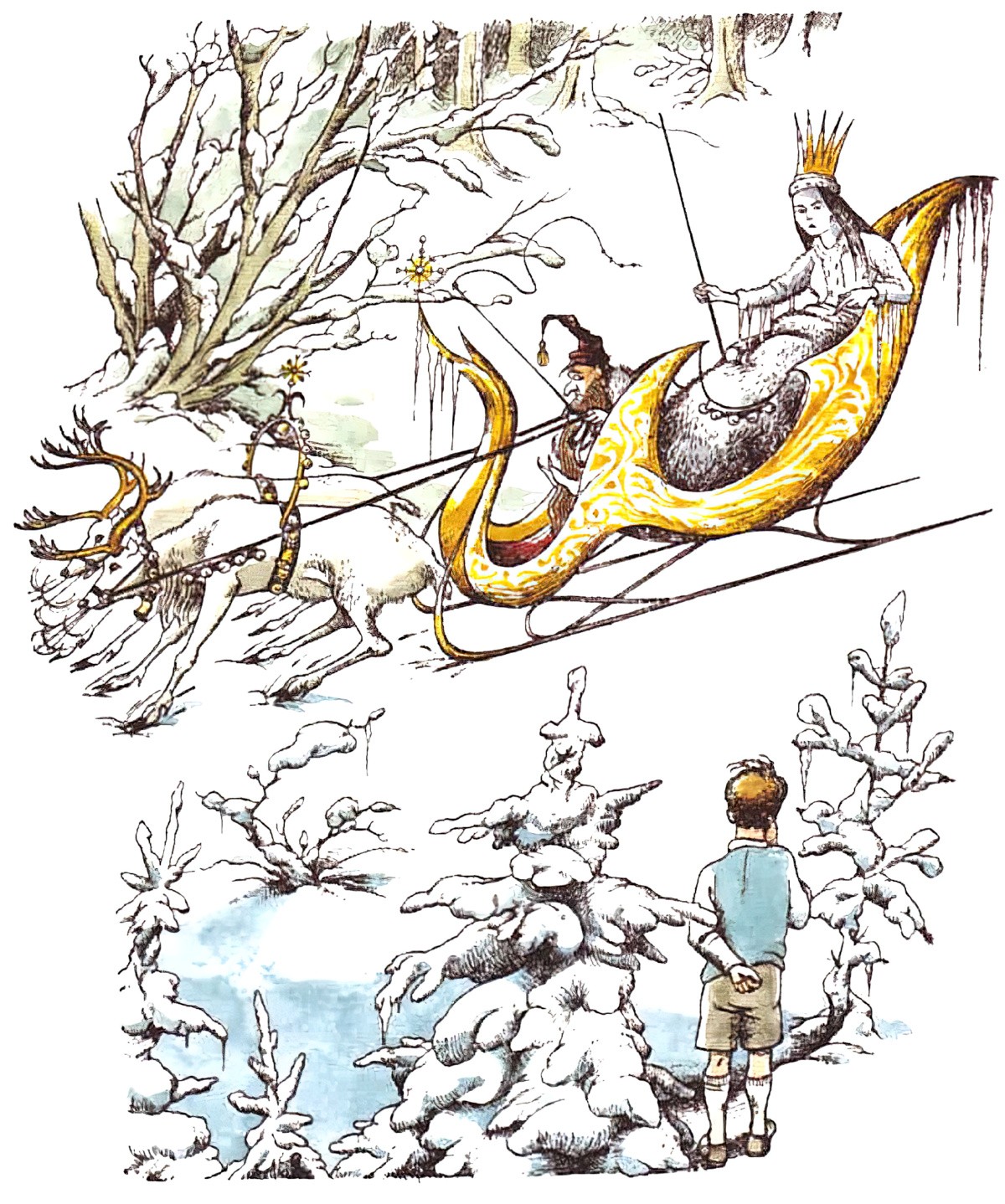
The White Witch’s sleigh is one of children’s literature’s most powerful images of sinister enchantment. When Edmund first encounters the Witch in the always-winter Narnia, she arrives in a great sleigh pulled by reindeer, wrapped in white furs, and the sleigh — its bells, its white horses, its gliding motion through snow — is presented with the full apparatus of fairy-tale beauty before its occupant’s nature becomes clear.
Lewis is doing something precise here. The sleigh is the form of the Christmas gift — the shape of Santa Claus’s vehicle, the sound of bells in the snow — displaced onto its opposite: the figure who has cancelled Christmas in Narnia, who has made the world always winter but never Christmas. The Witch’s sleigh looks like the thing it is the negation of, which is why Edmund’s seduction by it is comprehensible. He wants it to be the good thing it resembles.
When Father Christmas finally arrives in Narnia — the sign that Aslan is coming and the Witch’s power is weakening — he also arrives by sleigh, and the contrast is stark: the same vehicle, the same snow, but warmth instead of cold, gifts instead of enchanted Turkish Delight. Lewis uses the sleigh to mark the transition from false to true winter magic.
Later in the novel, the Witch’s sleigh begins to bog down as the winter thaws — the snow melting, the runners grinding on mud and grass, and finally stopping altogether. The death of her transportation is the death of her power. The sleigh is literally the vehicle of her enchantment, and when the sleigh can no longer move, Narnia is free.
The Nightmare Before Christmas — Tim Burton / Henry Selick (1993)
Jack Skellington’s seizure of Santa Claus’s sleigh and attempted delivery of Halloween-flavored Christmas gifts is the film’s central plot engine and its central thematic statement. Jack takes the sleigh because he doesn’t understand Christmas — he grasps its components (gifts, sleigh, reindeer, chimneys) without understanding the feeling they’re meant to generate, and so his attempt produces terror rather than joy.
The sleigh in this film is the instrument of Jack’s overreach — his attempt to colonize a domain that is not his. The moment when the military shoots him down over the holiday world is the sleigh’s symbolic function made explicit: the vehicle of wrong-placed enthusiasm, of genuine love expressed in entirely the wrong form. Jack’s fall from the sleigh is his confrontation with the limits of what appropriation can accomplish.
Klaus — Sergio Pablos (2019)
The Netflix animated film constructs an origin story for Santa Claus’s flying sleigh that earns it dramatically rather than accepting it as given. Klaus is a reclusive toymaker; Jesper is a lazy postman exiled to a remote arctic town. Their unlikely collaboration in delivering toys to children eventually produces the need for a vehicle that can cover impossible distances.
The moment when the sledge first lifts off the ground — Klaus and Jesper in a sled being pulled by reindeer, taking flight through sheer accumulated goodwill — is the film’s emotional payoff, and Pablos earns it by spending the entire film establishing what the flight means: that generosity, sustained over time, produces something that transcends the physical. The sled flies because it carries something that cannot be measured. It is one of animated cinema’s more elegant treatments of the sleigh’s symbolic potential.
Dog Sleds and the Literature of Survival
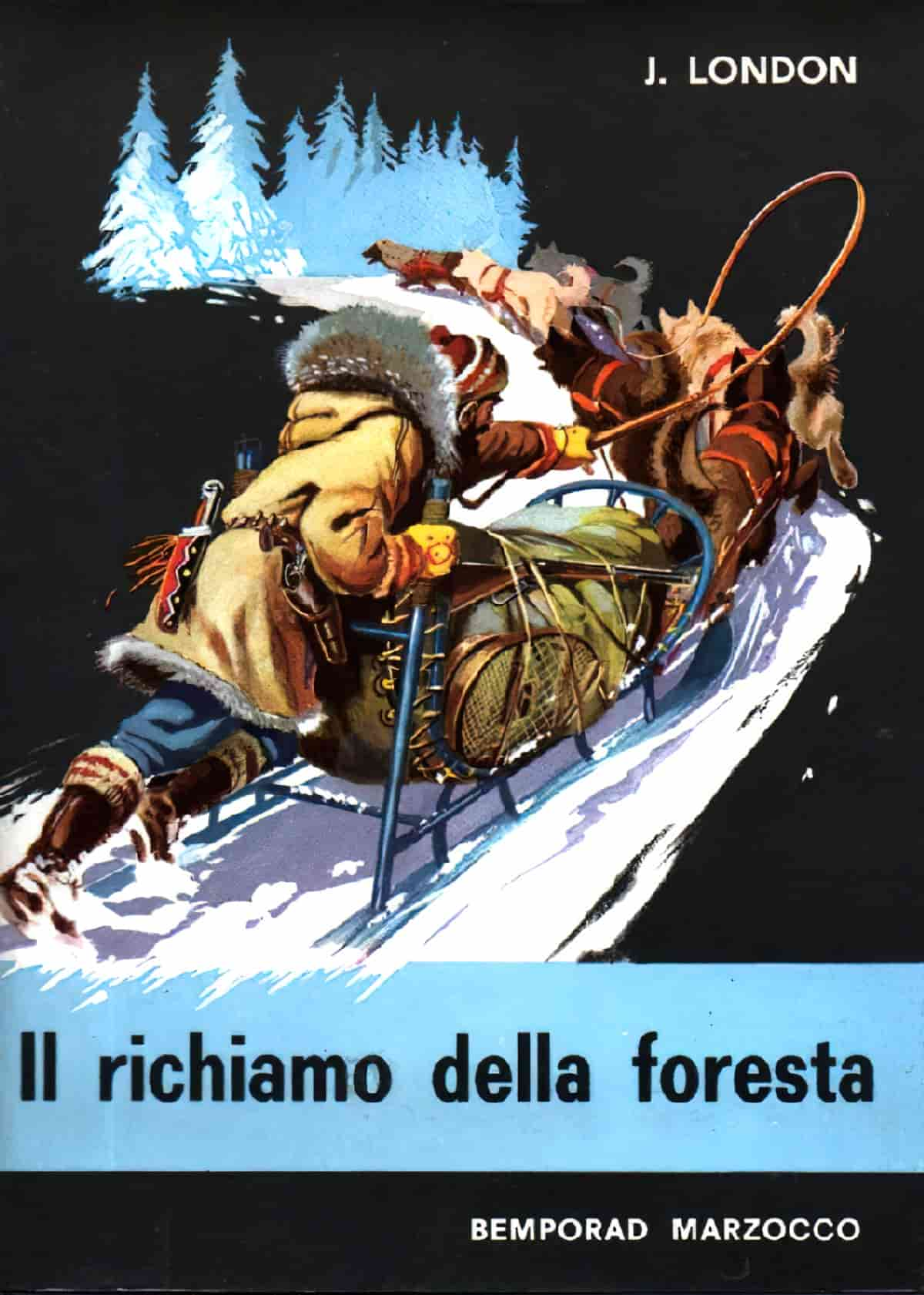
The Call of the Wild — Jack London (1903)
Buck, a domesticated California dog, is stolen and sold into service as a sled dog in the Klondike Gold Rush. The novel follows his adaptation to the brutality of sled-dog life — the hierarchy of the team, the violence of dominance, the relationship between dogs and the humans who drive them — and his eventual liberation into the wild.
The sled sequences are central to the novel’s argument about nature and civilization. Buck’s life as a sled dog is brutal but also, London suggests, more authentically alive than his pampered California existence — the cold, the hunger, the physical extremity, the direct relationship between effort and survival, strip away everything contingent and leave something essential. The sled is the instrument through which Buck discovers what he actually is, and his eventual rejection of it — his choice of the wild over the trace — is the novel’s climax.
London’s most famous individual sled scene is Buck’s feat for John Thornton: pulling a thousand-pound load from frozen ground for a hundred yards to win a bet of sixteen hundred dollars. The scene is London’s purest statement of what the working sled dog can do — an act of almost supernatural physical commitment, performed out of love for one man rather than servitude to the system. When Buck finally breaks the sled free of the ice and walks the load the required distance, the crowd that has gathered falls silent. The sled has become a measure of what love and physical excellence together can produce.
White Fang — Jack London (1906)
London’s companion novel follows the reverse trajectory: a wild wolf-dog born in the Yukon is gradually domesticated. The sled dog sequences here carry a different weight — White Fang’s experience of harness and trace is one of subjugation and confusion, a constraint imposed on wildness, and London uses it to examine what civilization costs the creatures it domesticates. The sled is the instrument of imposed order.
Frankenstein’s polar predecessor — and the polar exploration literature
The real sledge journeys of polar exploration produced some of the finest adventure writing in the English language, and the sledge is their central instrument of both heroism and catastrophe.
Apsley Cherry-Garrard’s The Worst Journey in the World (1922) — the memoir of Scott’s last Antarctic expedition — takes its title from the midwinter journey made by Cherry-Garrard, Edward Wilson, and Henry “Birdie” Bowers to collect Emperor penguin eggs. They man-haul their sledge in Antarctic winter darkness at temperatures approaching -70°F, pulling it by harness, unable to use dog teams because the terrain is impossible. The sledge runners shriek and resist on the super-cold snow; the men cannot eat enough to maintain their body heat; their sleeping bags freeze solid. Cherry-Garrard writes with extraordinary precision about the specific physical experience of man-hauling a sledge in conditions that exceed the human body’s design parameters.
The sledge in polar exploration literature is the measure of endurance — how far can a person pull a loaded sledge across ice before they die? Scott’s party man-hauled their sledges to the South Pole and died on the return journey, their progress recorded in journals that were found with their bodies. The sledge marks their route like breadcrumbs, and the distances between camps — each one requiring the sledge to be moved — are the increments of their dying.
Balto — Simon Wells (1995) / the 1925 Nome serum run
The animated film, based on the real 1925 diphtheria antitoxin relay to Nome, Alaska, uses the sled dog run as a narrative of community survival and the relationship between humans and animals that enables it. The final leg of the relay — driven through a blizzard with failing visibility — requires the lead dog to navigate by instinct when the human musher cannot see.
The sled here is explicitly the vehicle of collective survival: a town full of sick children, a serum that must arrive before they die, and the only mechanism of transport the landscape allows. The drama of the run compresses everything into the question of whether the sled can keep moving — can the dogs hold their direction in the blizzard? Can the runners find purchase on the ice? The sled’s forward motion is the community’s survival, and its potential stopping is its death.
The Christmas Sleigh and Its Mythology
“A Visit from St. Nicholas” — Clement Clarke Moore (attributed, 1823)
The poem that established the modern mythology of Santa’s sleigh — eight reindeer, named, pulling a sleigh across the sky on Christmas Eve — is the foundational document of the Christmas sleigh tradition. “Now Dasher! Now, Dancer! Now, Prancer and Vixen! On, Comet! On, Cupid! On, Donner and Blitzen!” The names, the action, the visual of the sleigh landing on a rooftop: all of this comes from Moore’s (or possibly Henry Livingston Jr.’s) 1823 text, and it has been elaborated and adapted in every possible direction since.
The flying sleigh is one of the most thoroughly domesticated pieces of supernatural machinery in Western culture — so embedded in the Christmas tradition that its impossibility is simply not questioned within the context of the story. It operates outside the physics of the real world by mutual agreement. This makes it a useful marker in storytelling: how a given narrative treats Santa’s sleigh tells you something about its relationship to the consolatory conventions of Christmas mythology. Stories that accept the flying sleigh are working within the tradition; stories that interrogate it (The Santa Clause, Klaus, various satirical treatments) are working with the tradition’s assumptions.
Alpine Sledding: The Joy of Descent
Heidi — Johanna Spyri (1881)
Heidi’s life on the Swiss Alps with her grandfather is defined partly by the physical freedom of the mountain environment, and sledding is one of its primary expressions. Peter the goatherd’s battered sled, the long runs down the mountain, the Alpine winter as a space of pure bodily pleasure — these sequences establish the mountain as a place where the body works as it should, where freedom is physical and immediate.
The contrast with the Frankfurt sequences — where Heidi is trapped in a bourgeois household, unable to breathe in the city air, homesick to the point of sleepwalking — makes the Alpine sledding retrospectively charged. What she loses is not simply her grandfather and the goats; she loses the specific physical freedom of the descent, the cold, the speed, the mountain air. The sled represents a whole mode of being in the world that civilization cannot replicate.
Clara’s eventual arrival in the Alps, and her gradual recovery of the ability to walk — inspired by the mountain environment — draws on the same framework. The sled and the mountain together are Spyri’s image of what the body can do when given the right conditions: strong, free, moving downhill through clean cold air.
The Bobsled as Unlikely Vehicle
Cool Runnings — Jon Turteltaub (1993)
The film, loosely based on the real story of the Jamaican bobsled team at the 1988 Calgary Winter Olympics, uses the bobsled with considerable thematic intelligence. The Jamaicans — sprinters who failed to qualify for the Summer Olympics — adopt bobsledding as an alternative route to the Games, learning to compete in a winter sport for which their tropical background provides no preparation.
The bobsled in Cool Runnings is primarily an instrument of dignity — a way of demanding to be taken seriously in a context that treats the Jamaicans as a joke. The comedy of the film’s first half gives way in the final act to something more earnest: when the sled crashes on the final run and the team carries it over the finish line on foot, the bobsled becomes the weight of aspiration made literal. You can carry what you cannot ride. The finish line matters even when the vehicle fails.
The film also uses the bobsled to examine the tension between authenticity and imitation. The Jamaicans are initially coached to imitate successful Swiss and German teams — to become someone else in order to win — and their coach’s eventual instruction to “be yourself” is the pivot toward their actual potential. The bobsled is the same for everyone; what differs is who is inside it, and the film argues that the inside is what matters.
His Dark Materials — Philip Pullman (1995–2000)
Lyra’s journey north in Northern Lights involves sledge travel across the Arctic as a sustained mode of transport, and the sledge sequences carry the specific atmosphere of the North — the Aurora overhead, the armored bears in their ice kingdom, the Gobbler outposts in the frozen wilderness. Pullman uses the sledge as a way of making the North’s distances palpable: this is not a landscape you cross quickly or comfortably, and the sledge’s speed is always relative to the cold and the dark and the enormous scale of what surrounds it.
The armored bear Iorek Byrnison’s natural landscape — ice, cold, enormous distances — is the landscape that the sledge makes traversable for human characters. His relationship with Lyra is partly a relationship across modes of being: she needs the sledge and the dogs; he simply moves. The sledge marks the human characters’ dependency on technology and animal labour to navigate a world that the bears inhabit with their own bodies.
Frozen — Walt Disney Animation (2013)
Kristoff’s wooden sled, pulled by his reindeer Sven, is his livelihood — he is an ice harvester — and its destruction during the film’s first act is the practical joke of the plot: he helps Anna not because he wants to but because she has broken his sled and owes him a replacement. The sled is the material basis of his existence, and its loss is the leverage Anna uses to secure his help.
The film returns to the sled at its emotional climax: Anna, in the position to save herself, instead chooses to interpose herself between Kristoff (running toward her) and Hans (about to kill Elsa). She freezes solid at the moment of choice. When she thaws, and the story resolves, the final gift from Elsa and Anna to Kristoff is a new sled — an Oakenkreuz 4000, the sled he had admired in the trading post at the film’s beginning, and more. The new sled represents the restoration of what he lost and, implicitly, his place in the family that has formed around him. The practical, functional sled — the working vehicle of an ice harvester who doesn’t expect to be given things — becomes a gesture of love.
The Pattern Across the Tradition
What is consistent across these examples is that the sled, sledge, or sleigh almost never functions as mere transport. It is always doing something additional — carrying meaning, establishing stakes, marking transitions.
The descent is the sled’s fundamental motion, and storytelling has used that consistently. You go downhill on a sled; you cannot stop easily; the direction and the speed are partly determined by forces outside your control. The surrender to the hill — and to the consequences of that surrender — is what Ethan Frome and Mattie Silver perform in Wharton’s novel, what Buck performs for John Thornton in the opposite direction (the sled as the thing pulled uphill by superhuman effort), what Chichikov’s troika performs in Gogol. The sled is the vehicle of committed, irreversible motion — once you push off the top of the hill, you find out what the hill contains.
The coldness of the setting is also always significant. Snow and ice create a landscape of purity and extremity, of stripped-down conditions where what matters is visible because what doesn’t matter has been frozen away. This is why sled narratives so consistently carry emotional intensity — the cold removes everything contingent and leaves only the essential. Rosebud burns in the furnace because Kane spent his whole life in the warmth of Xanadu, and the warmth couldn’t give him back what the snow contained.
And the sleigh’s music — the bells, the runners on ice, the particular sound of speed through cold air — is one of storytelling’s most reliable emotional triggers. You hear it in Tolstoy’s winter night, in Moore’s poem, in the Narnia stories. The sound is joy and transience simultaneously: the sleigh is moving, which means it is also passing, and the cold it moves through will remain when the bells have faded.
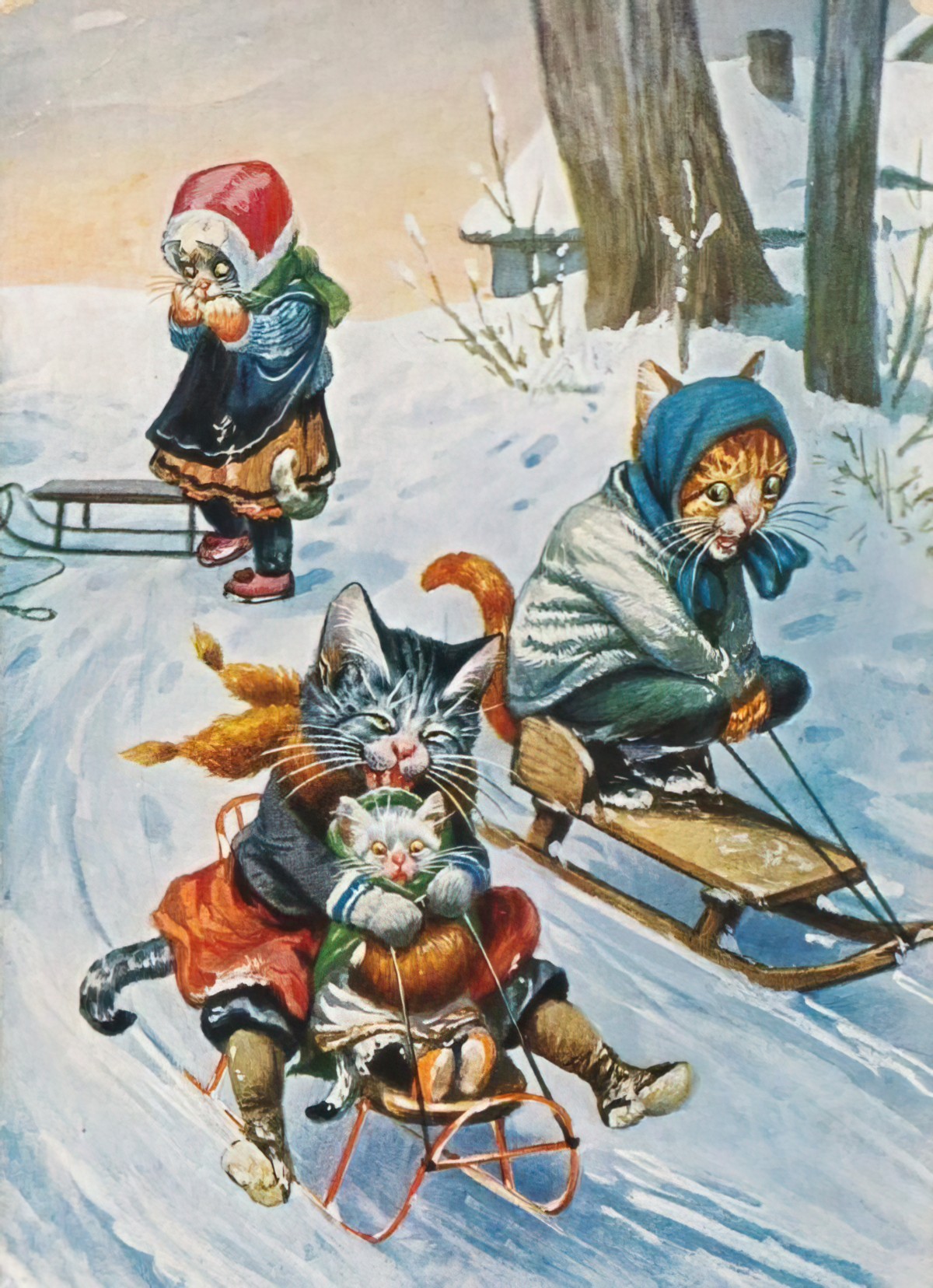
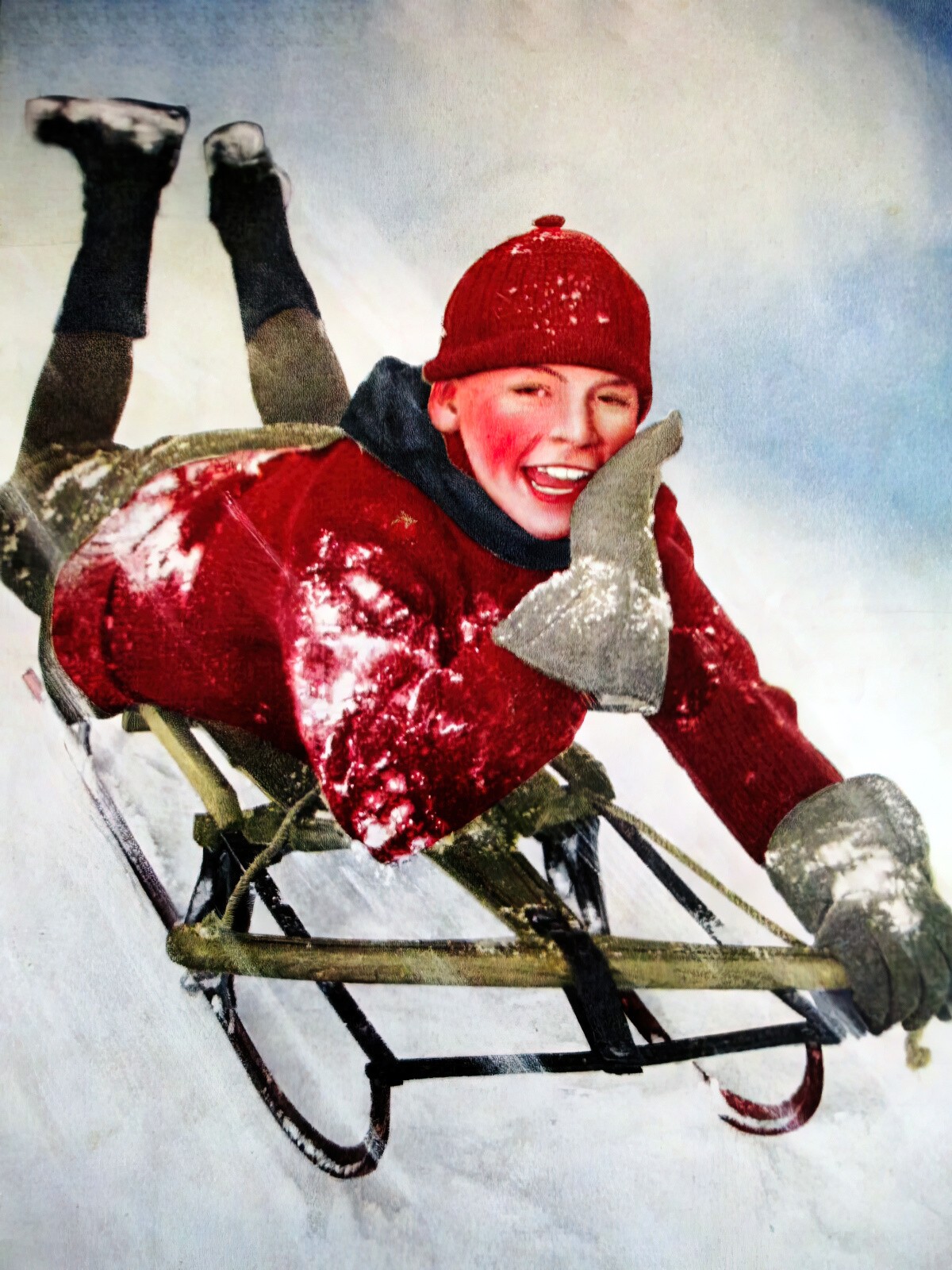
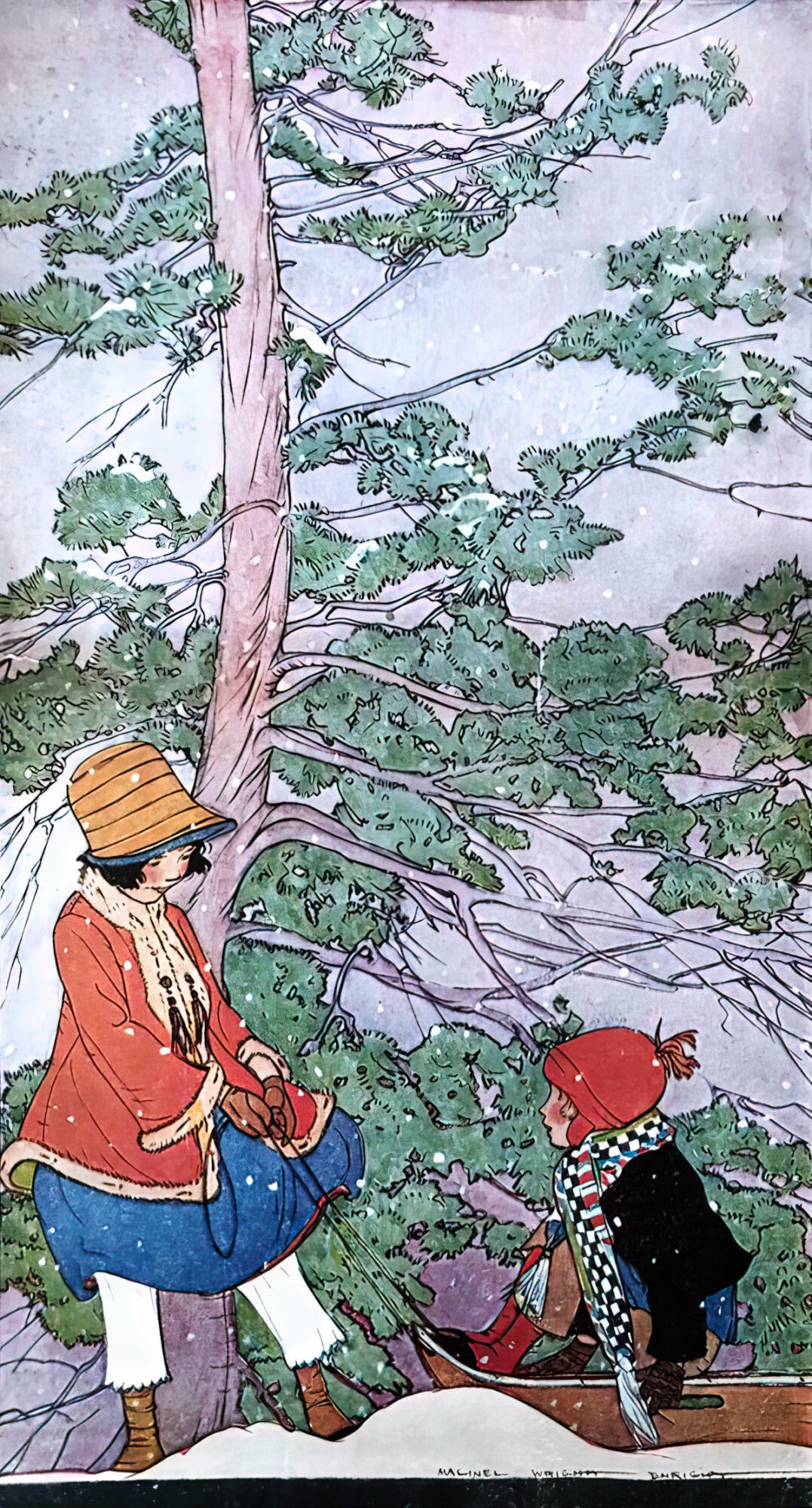
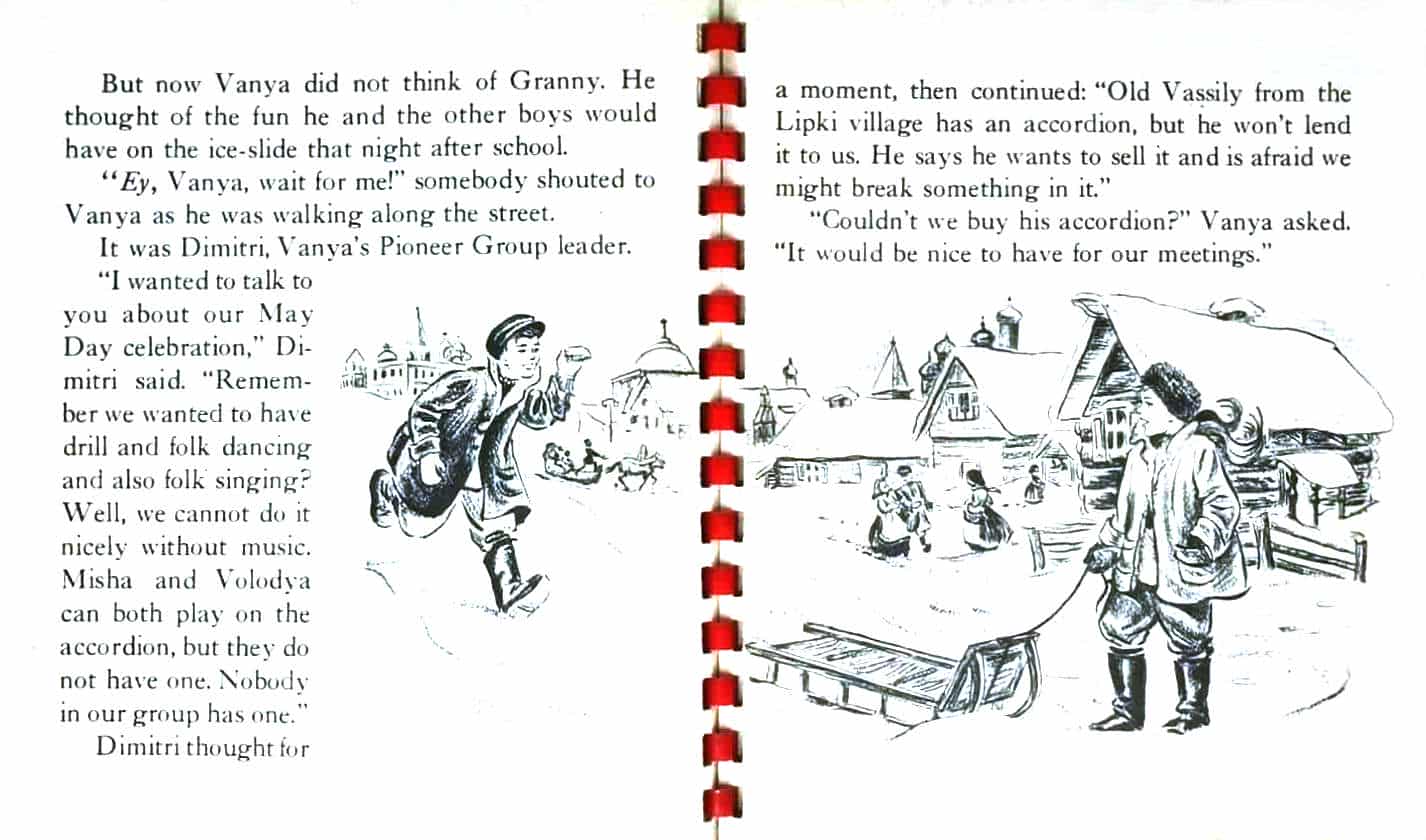
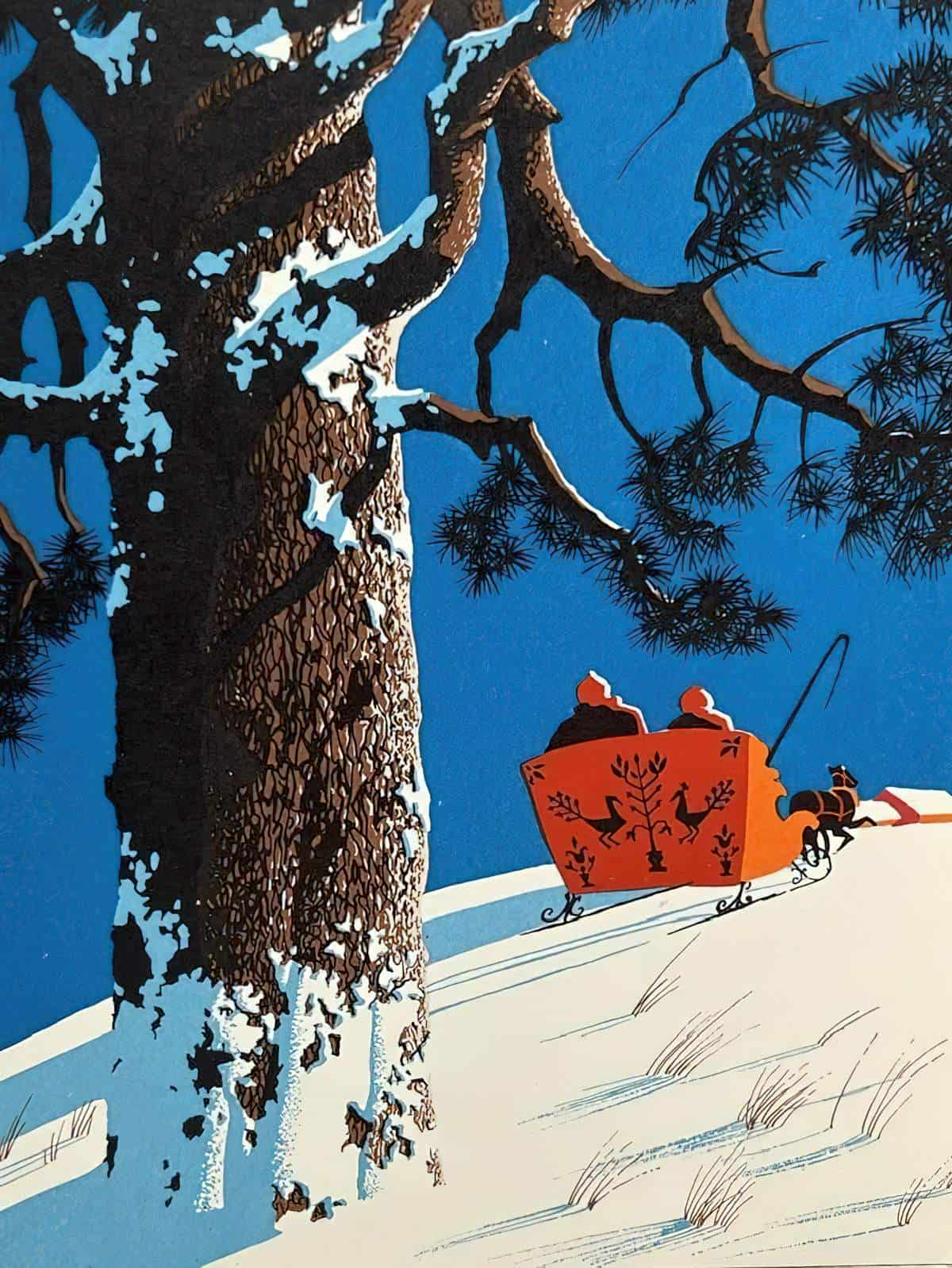
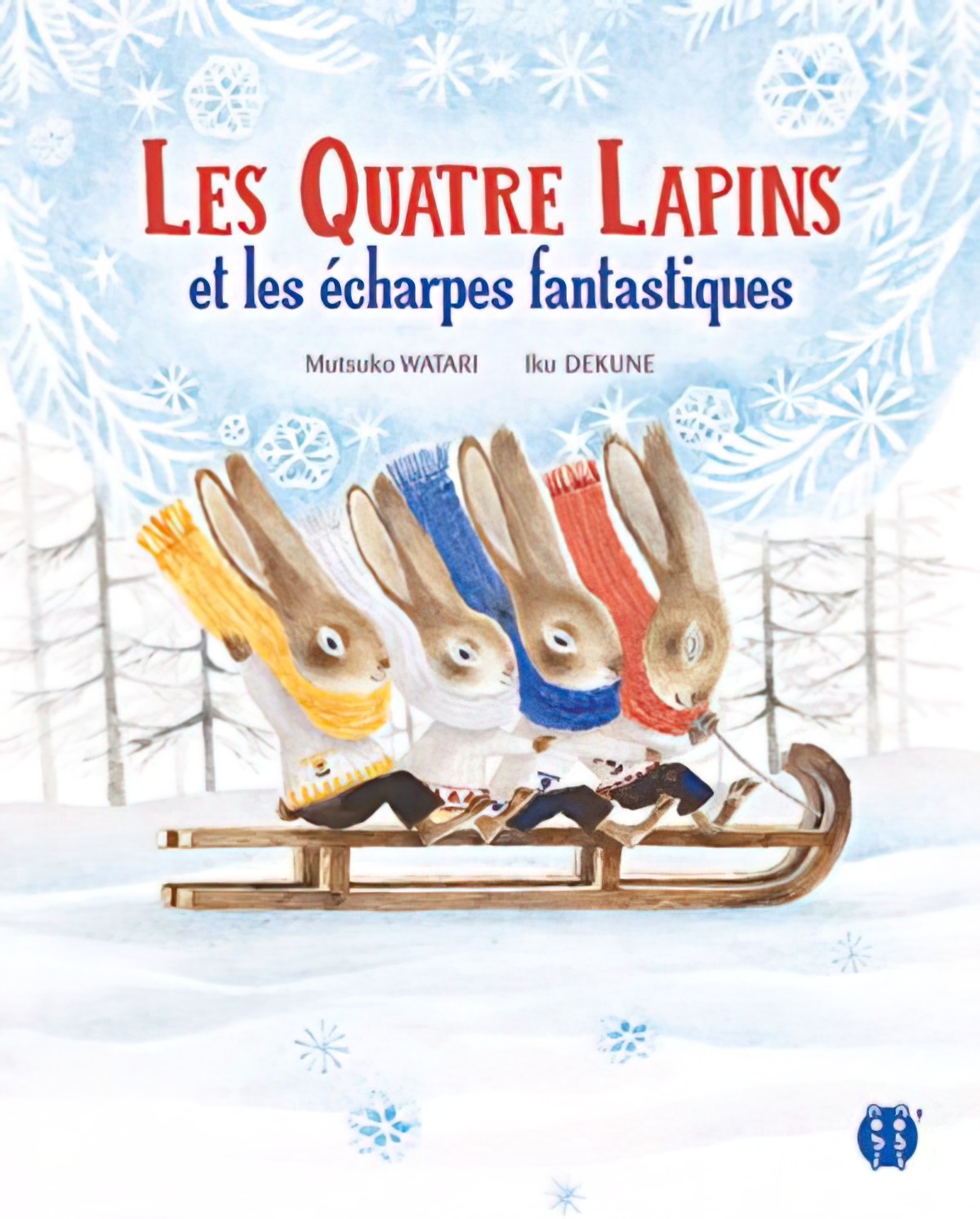
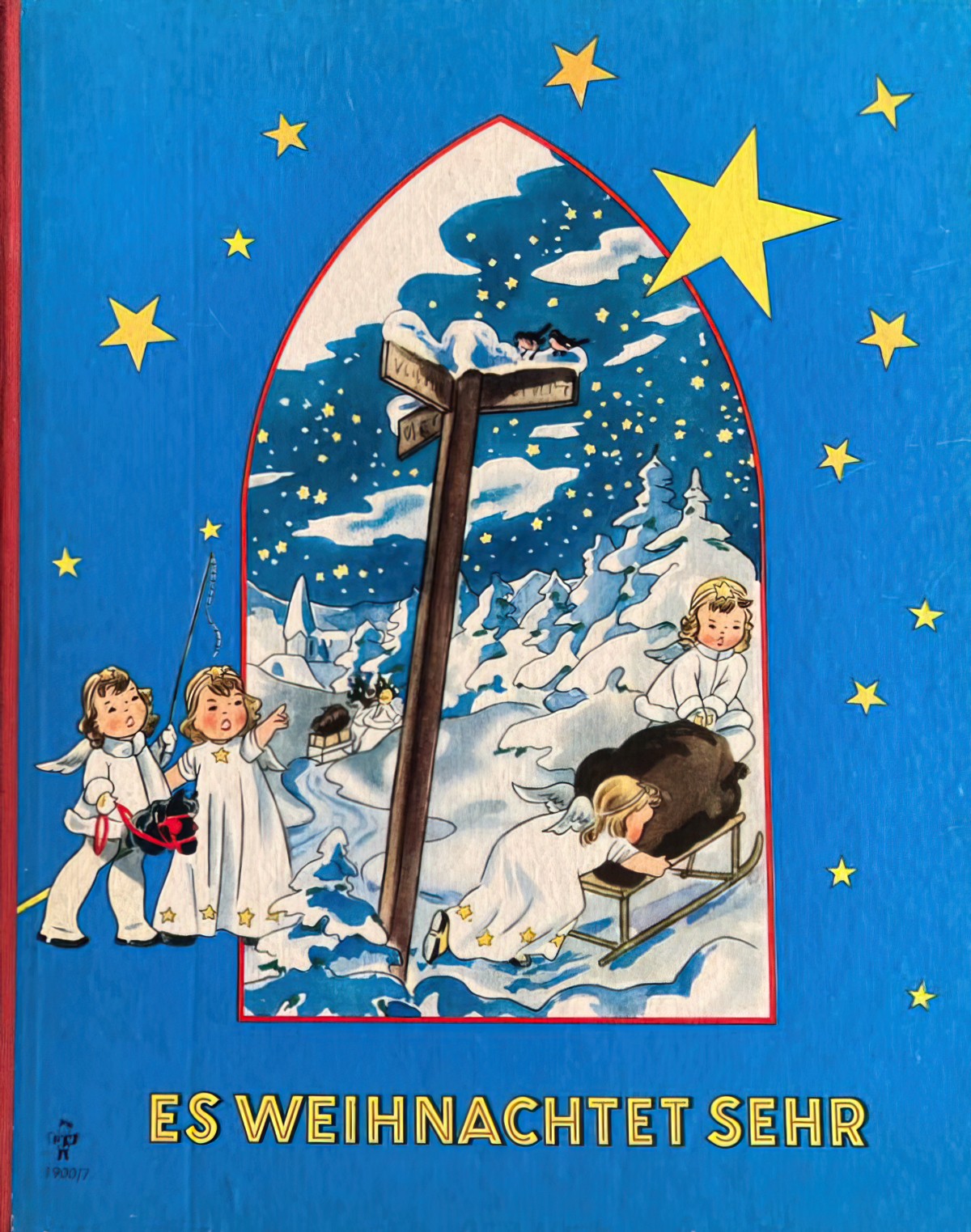
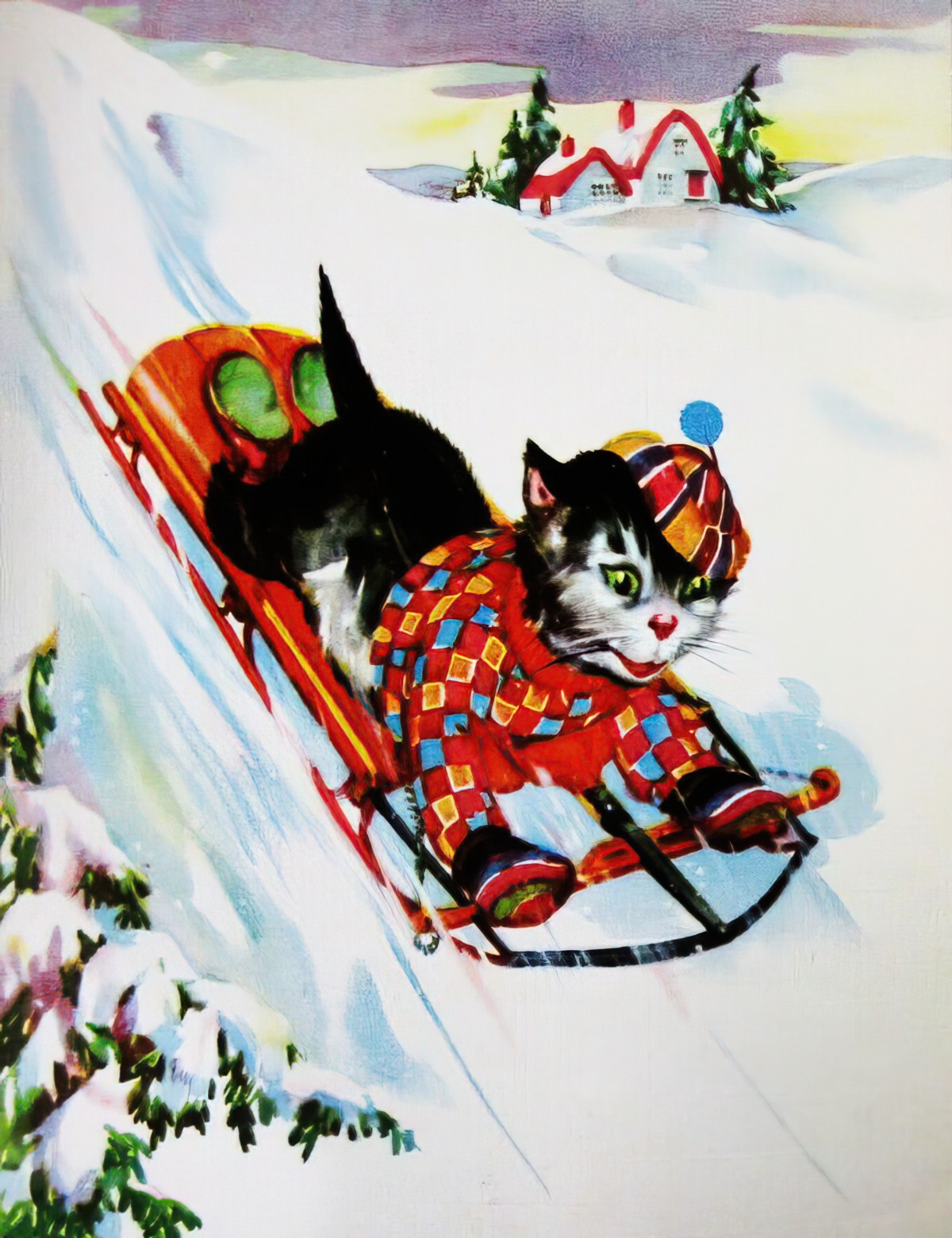
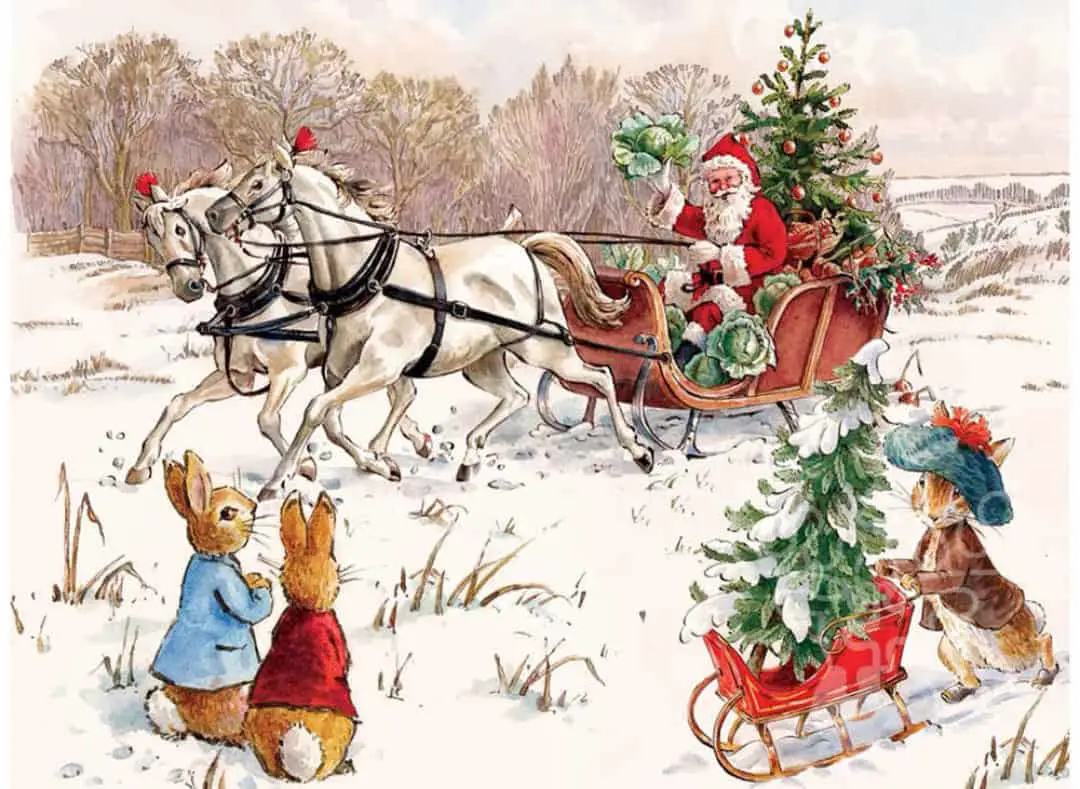
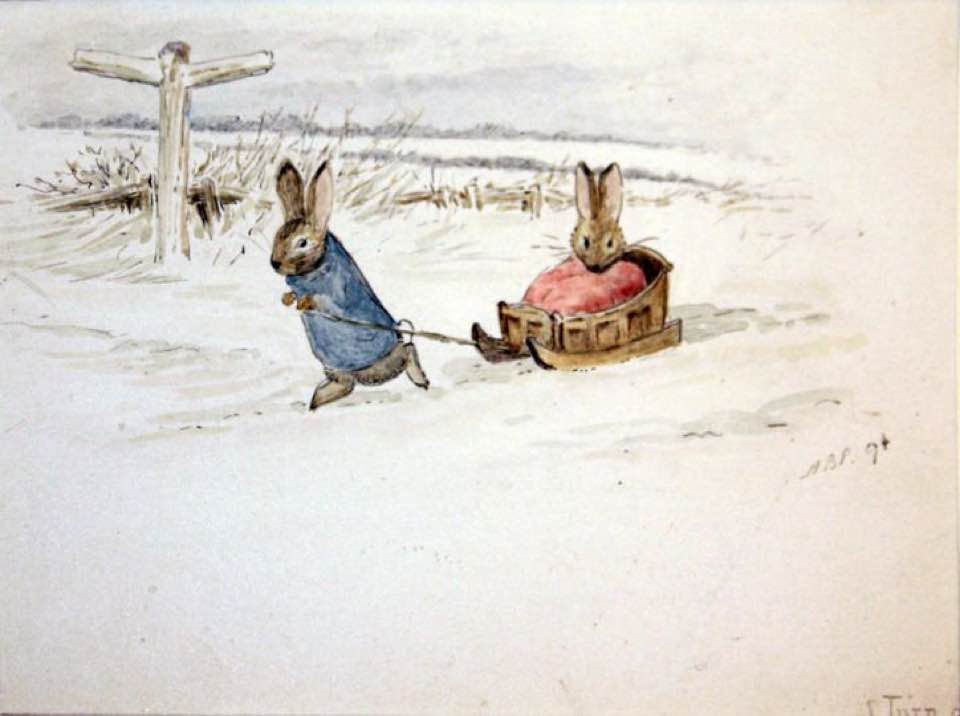
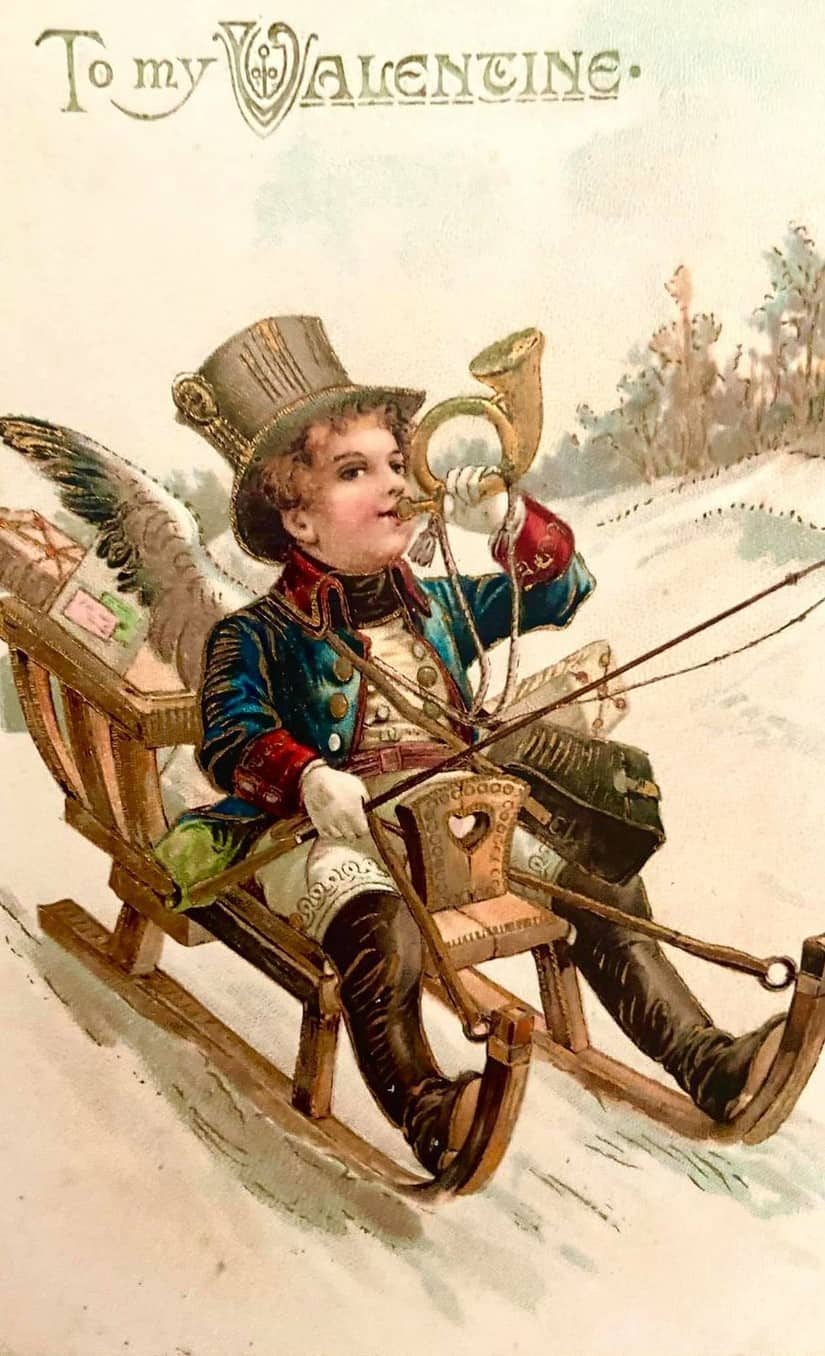
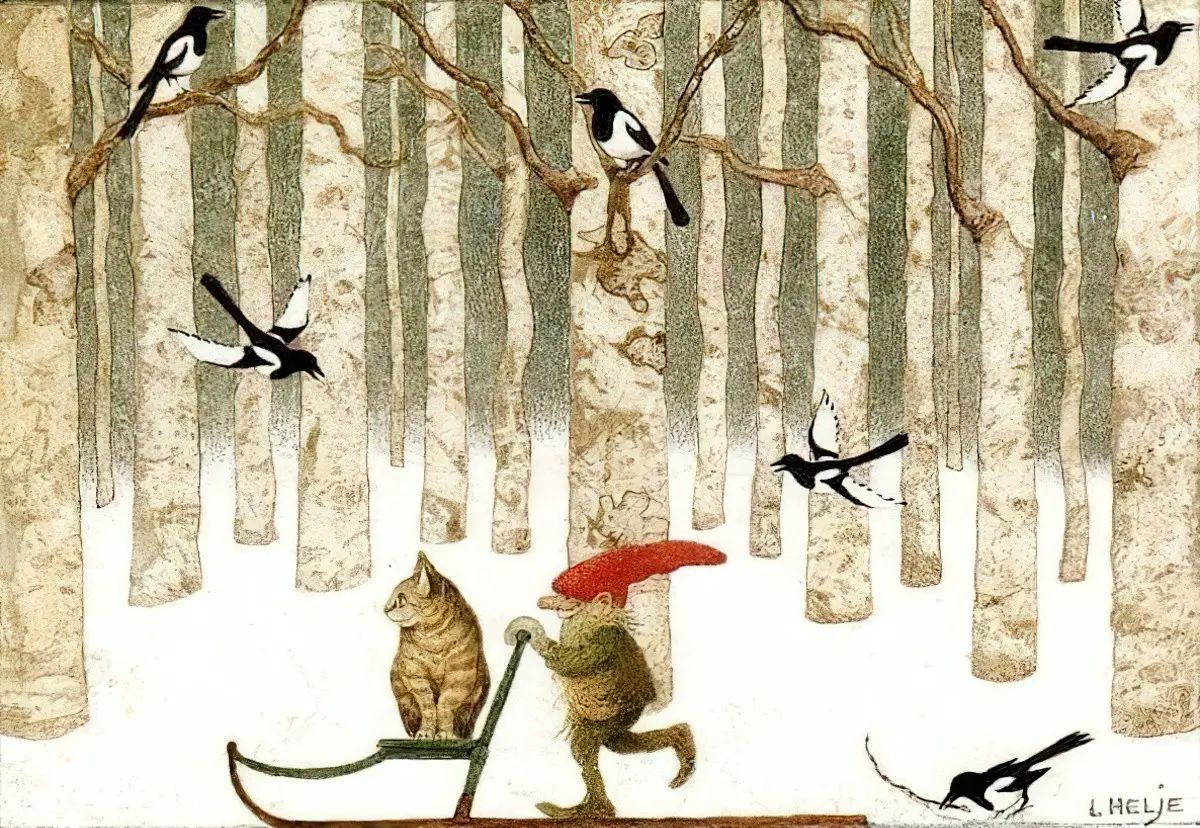
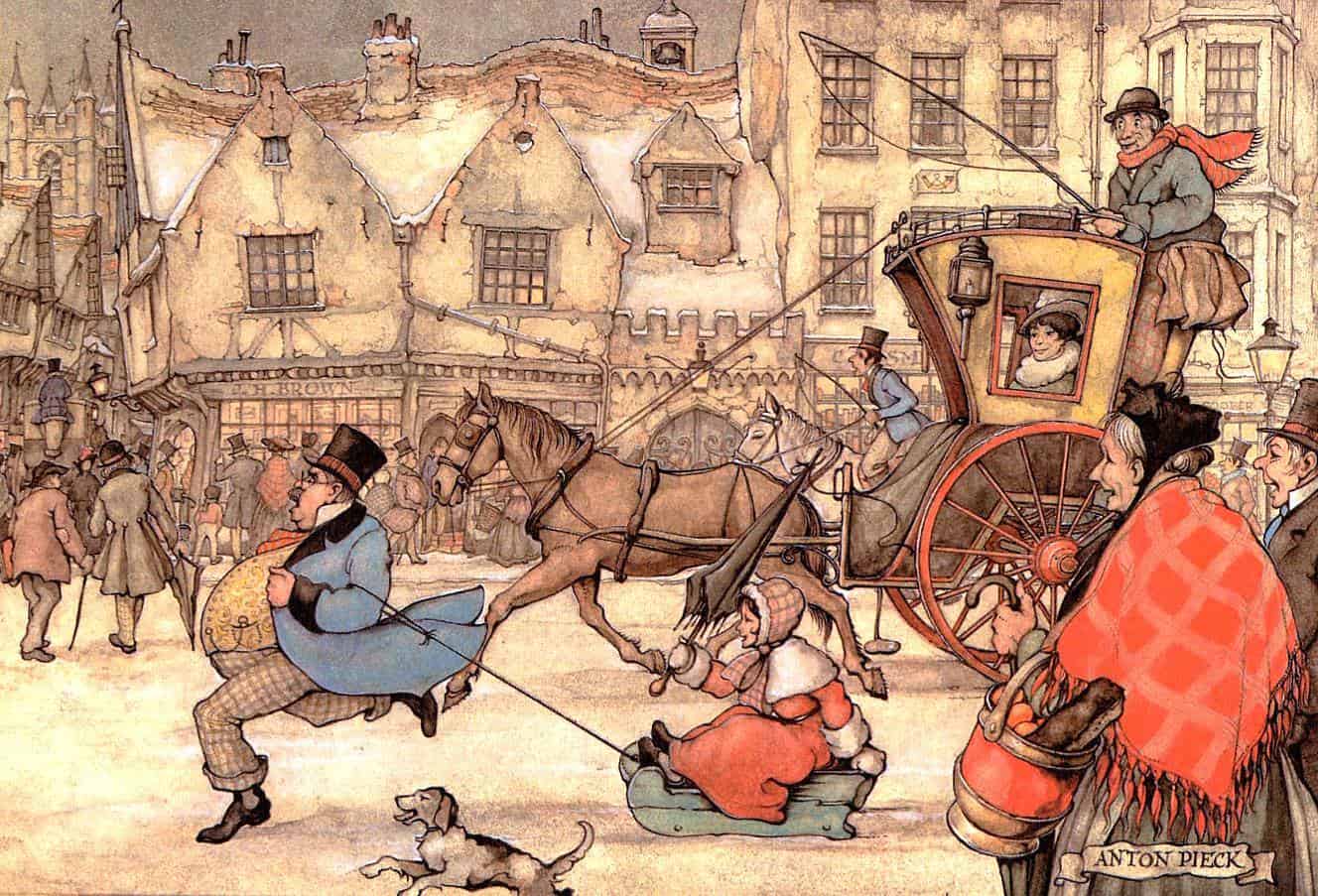
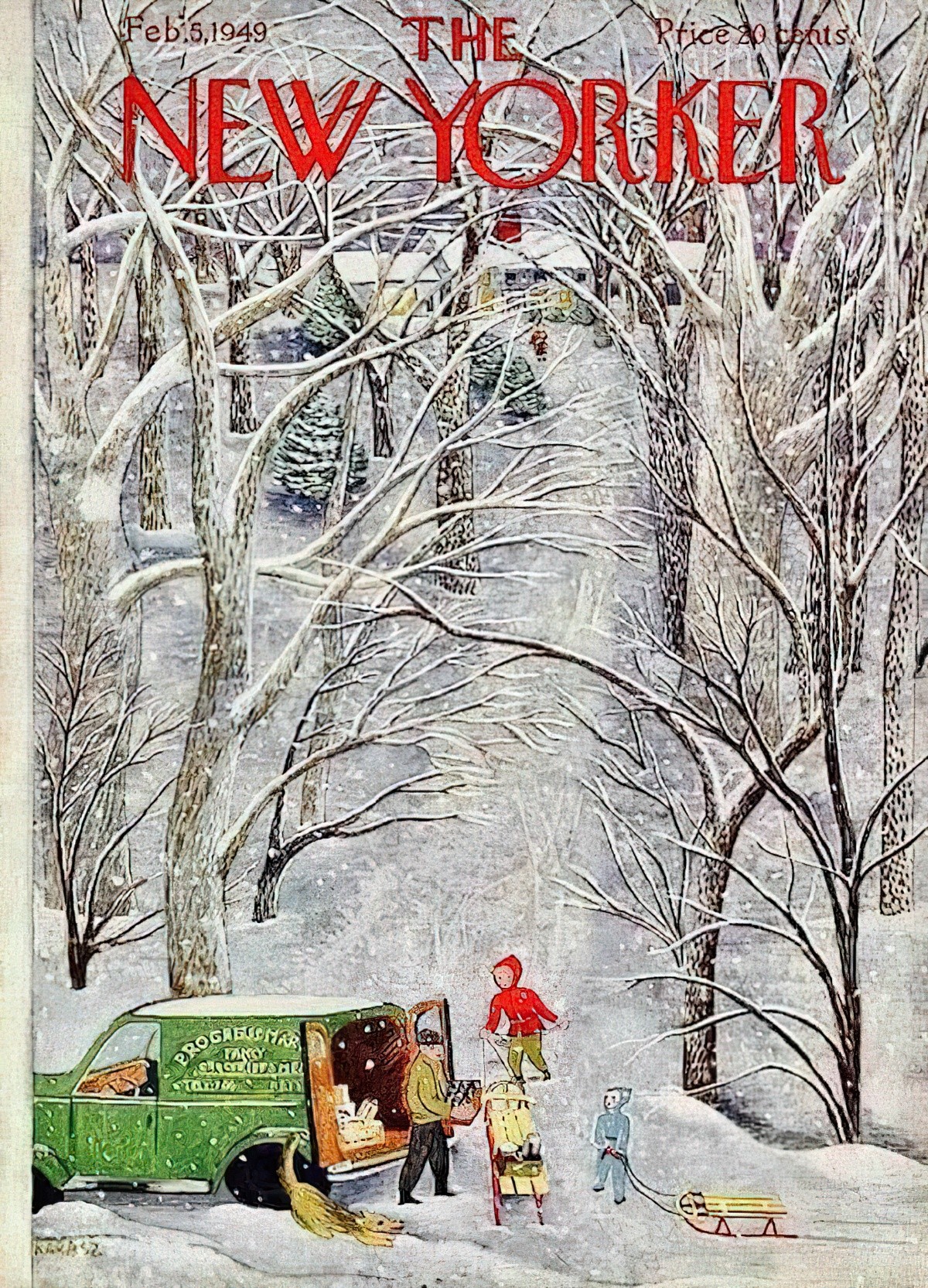
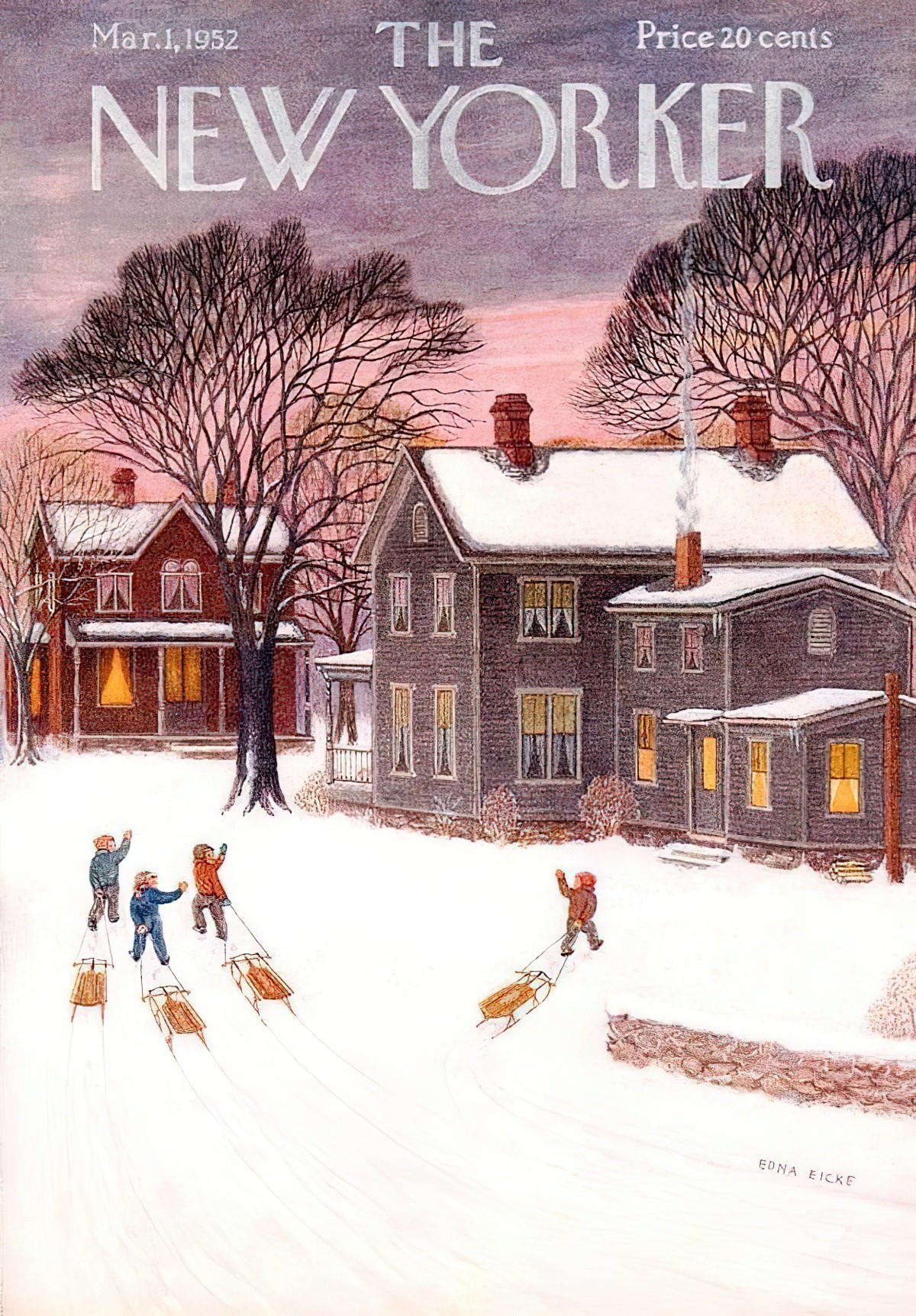
SLEDDING, SLEIGHS AND SLEDS IN ILLUSTRATION
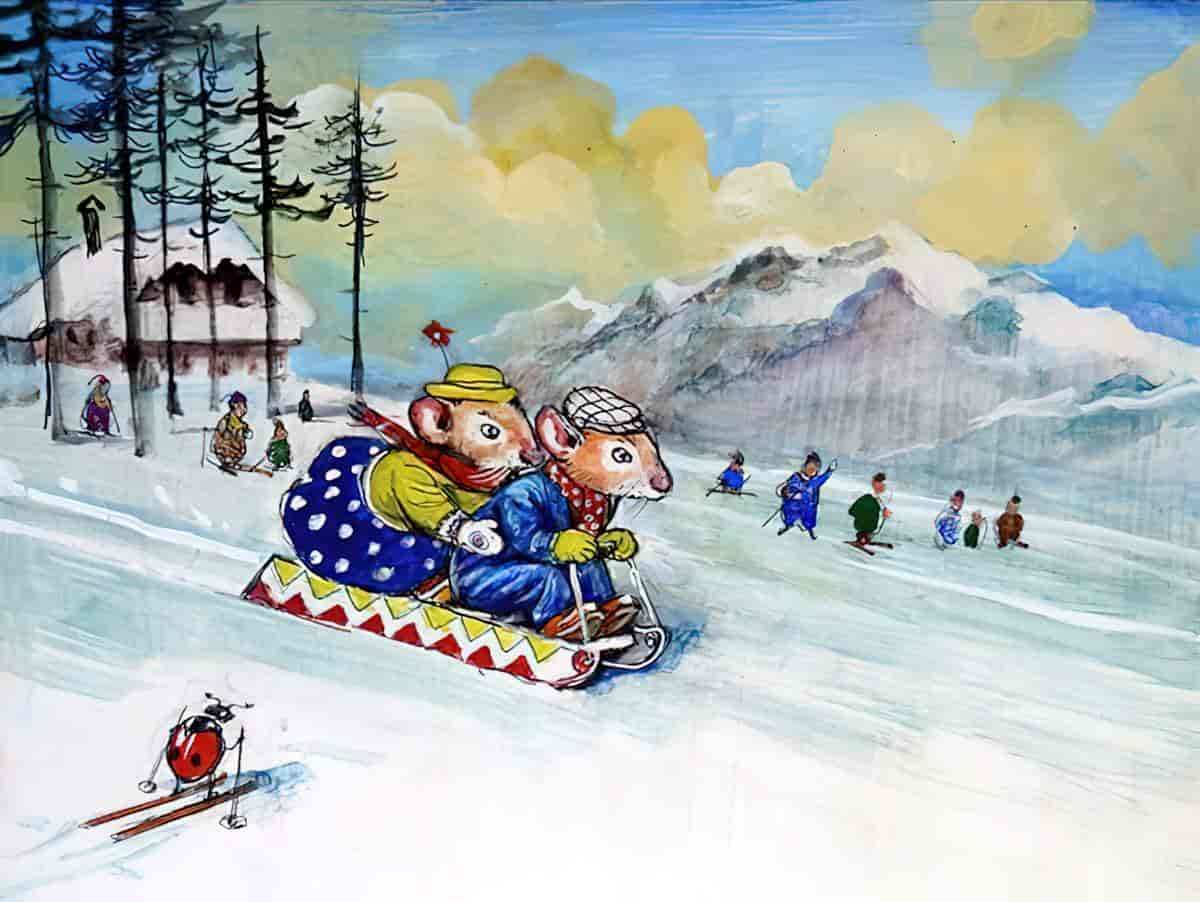
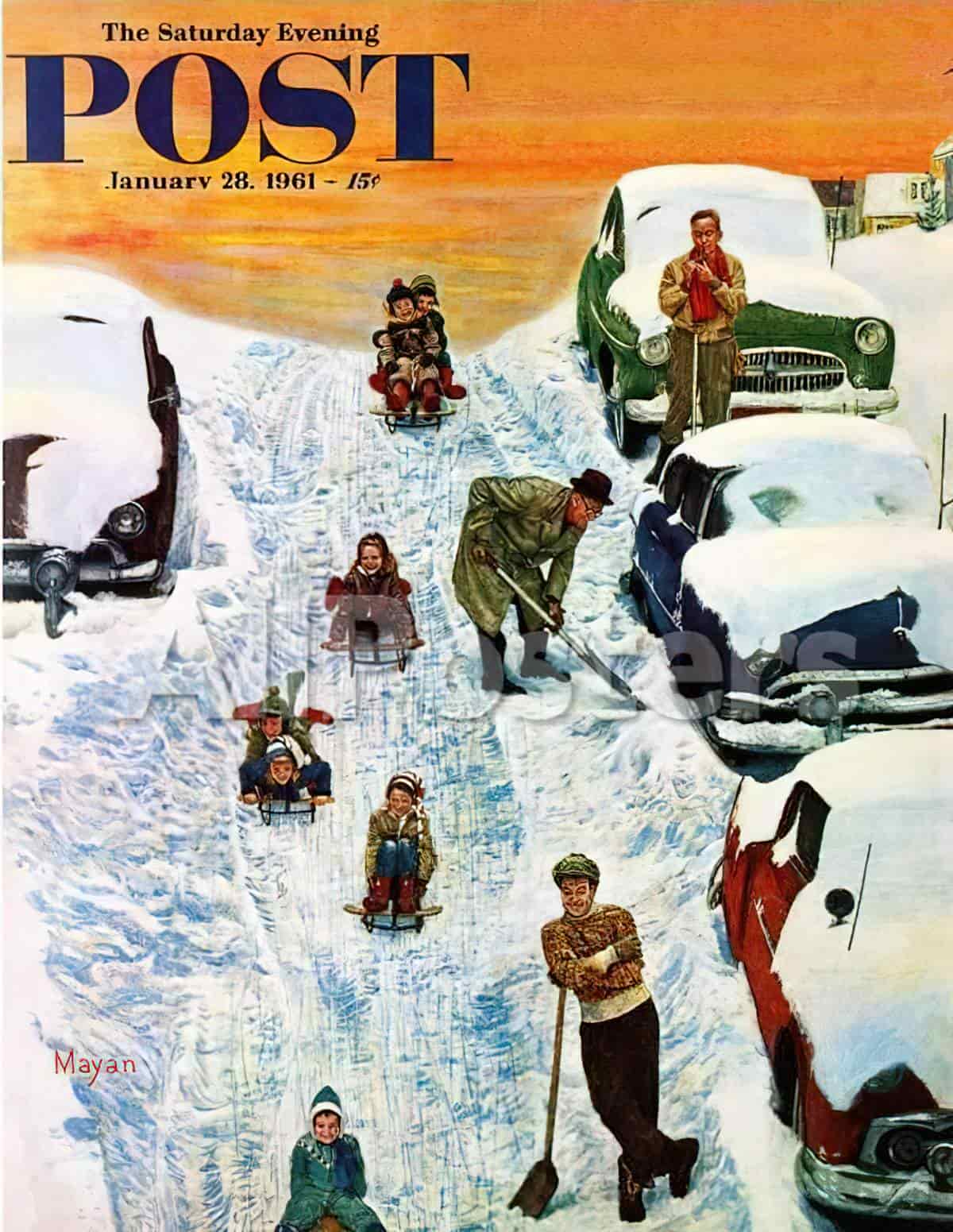
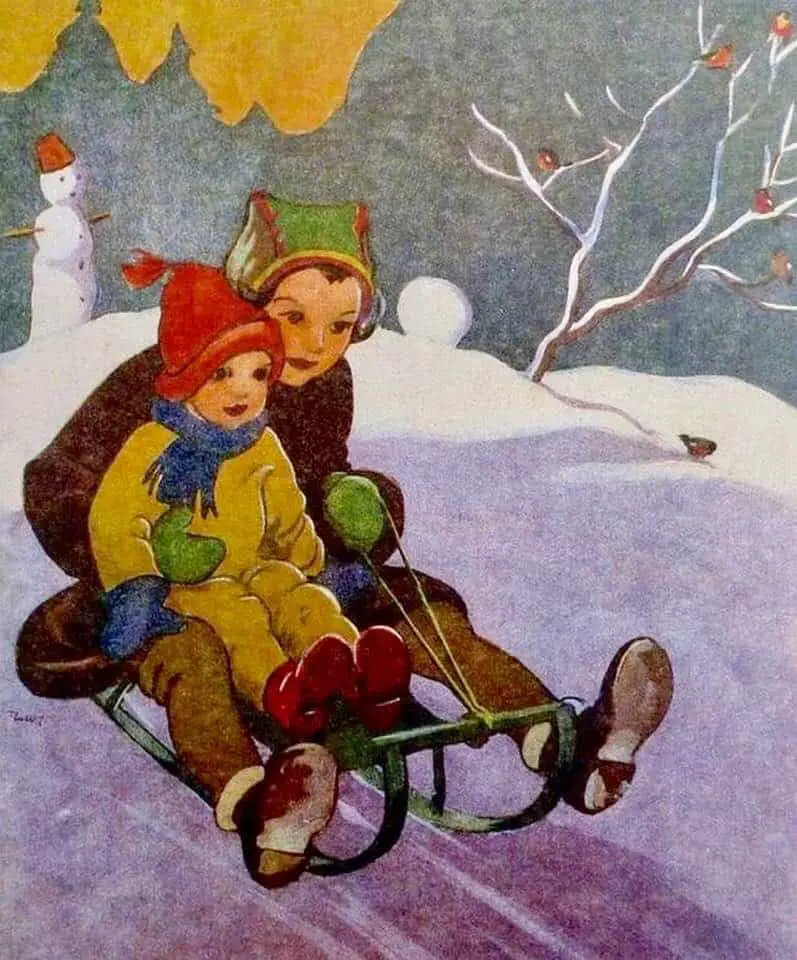
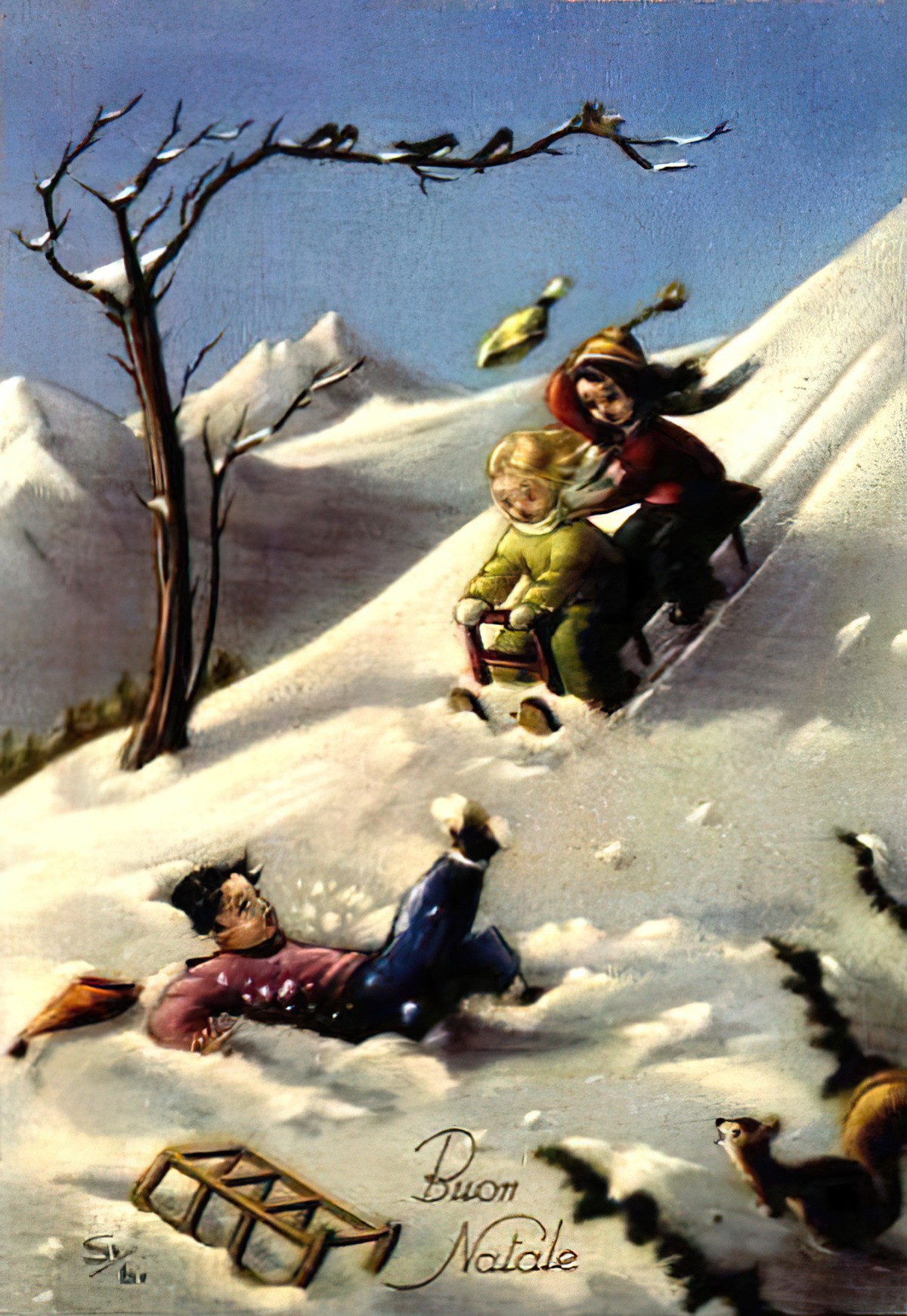
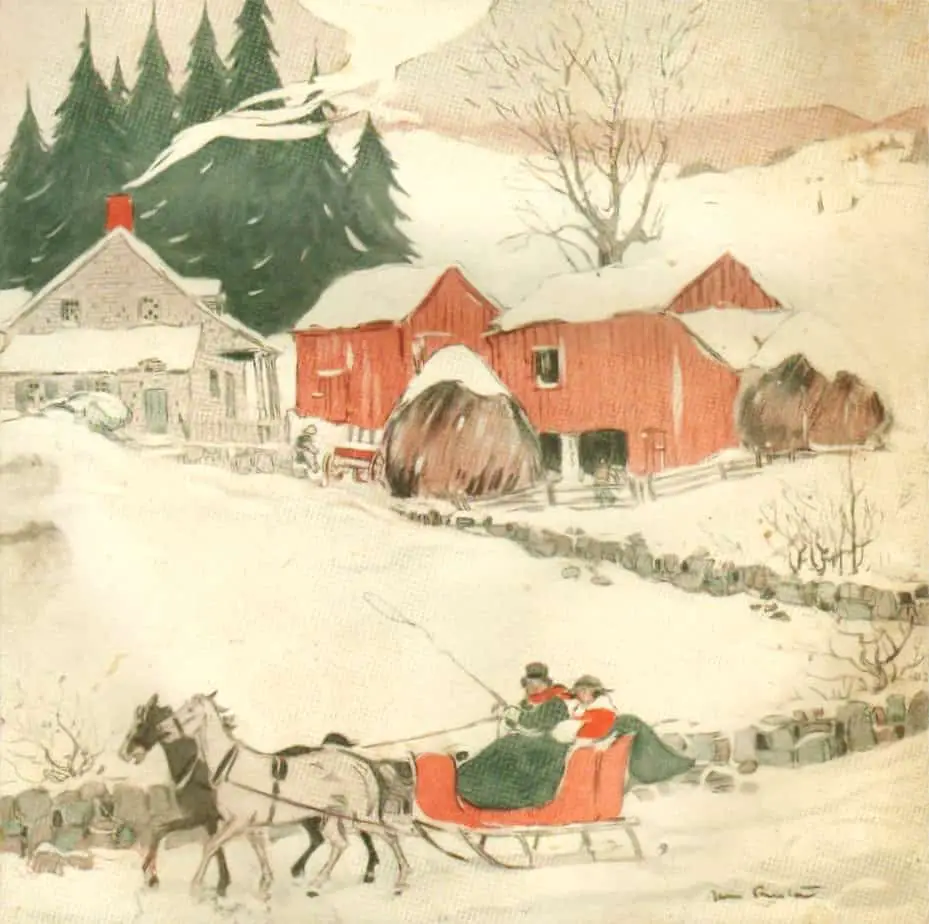
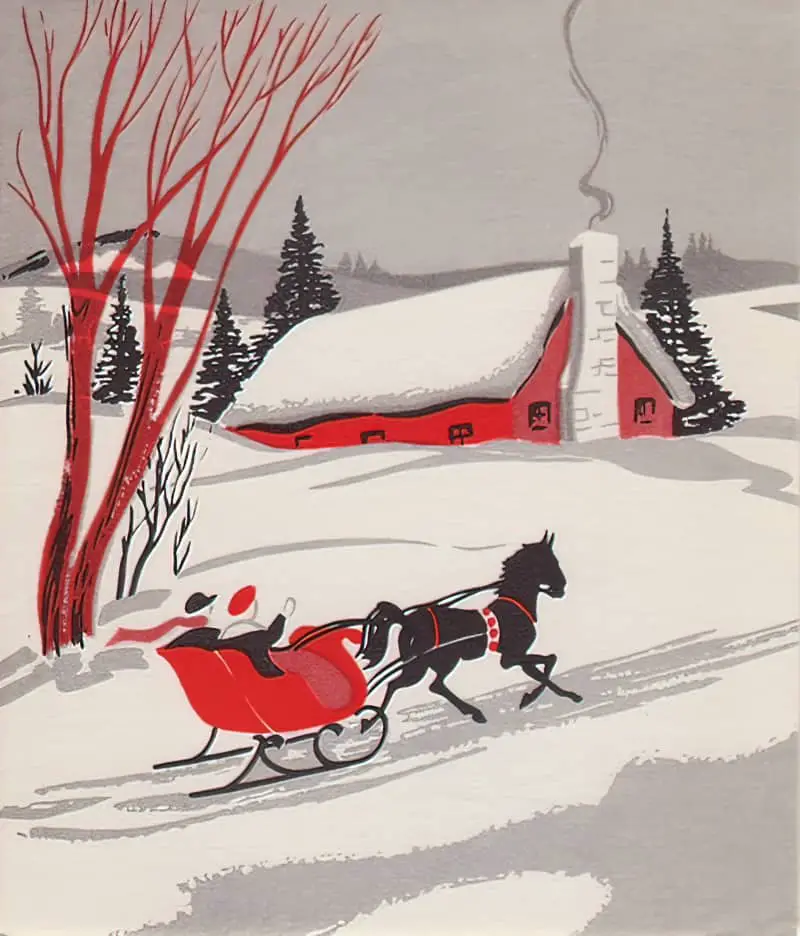
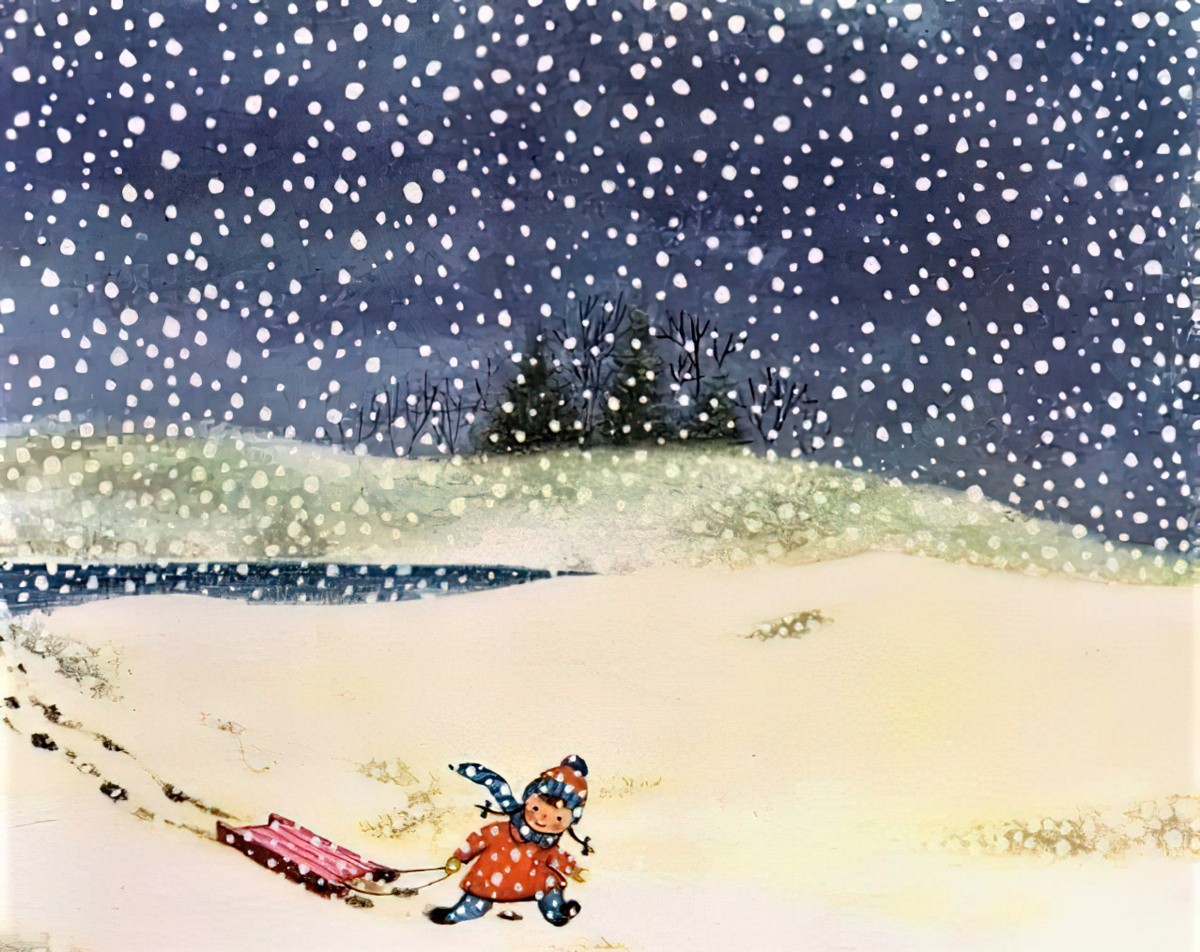
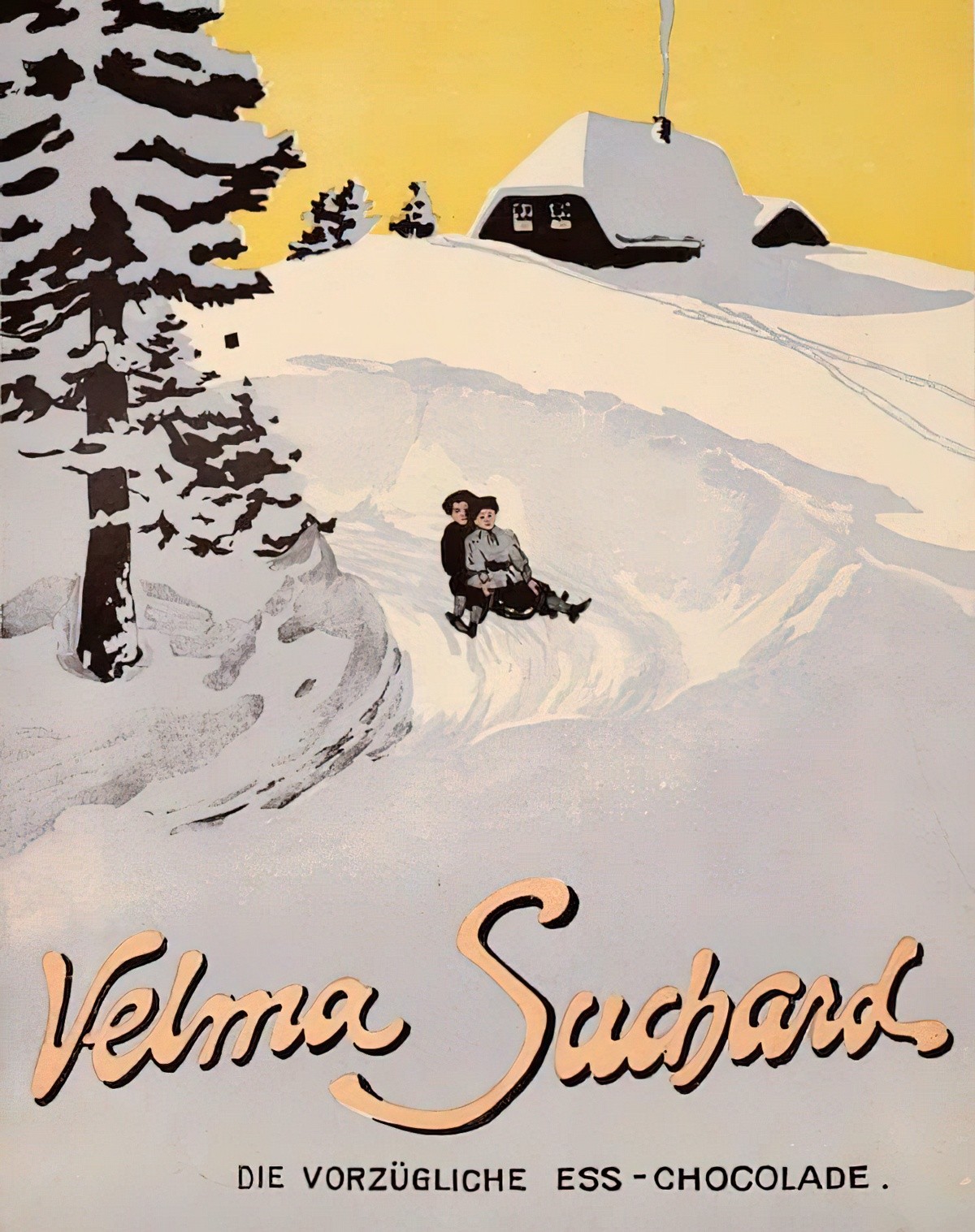
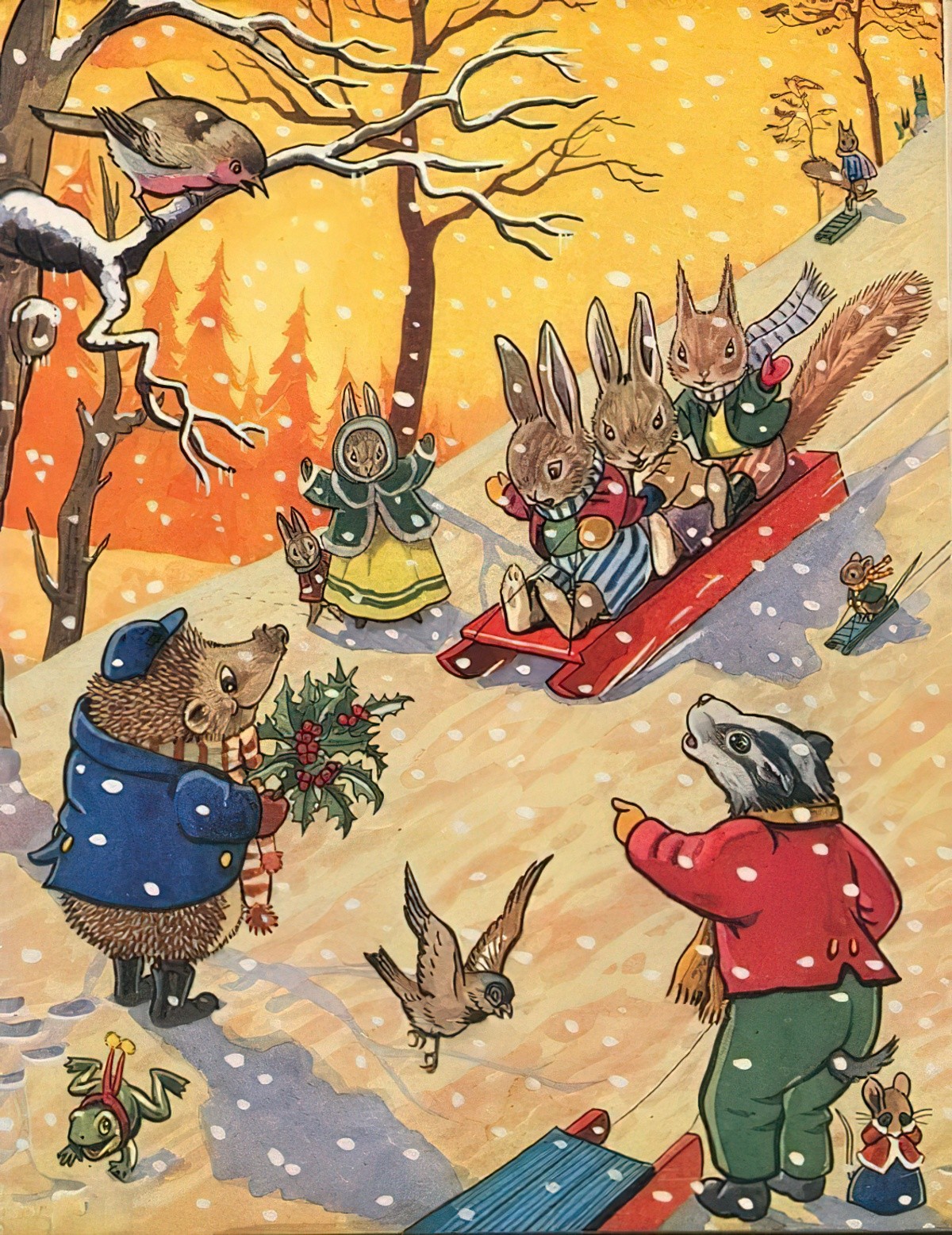
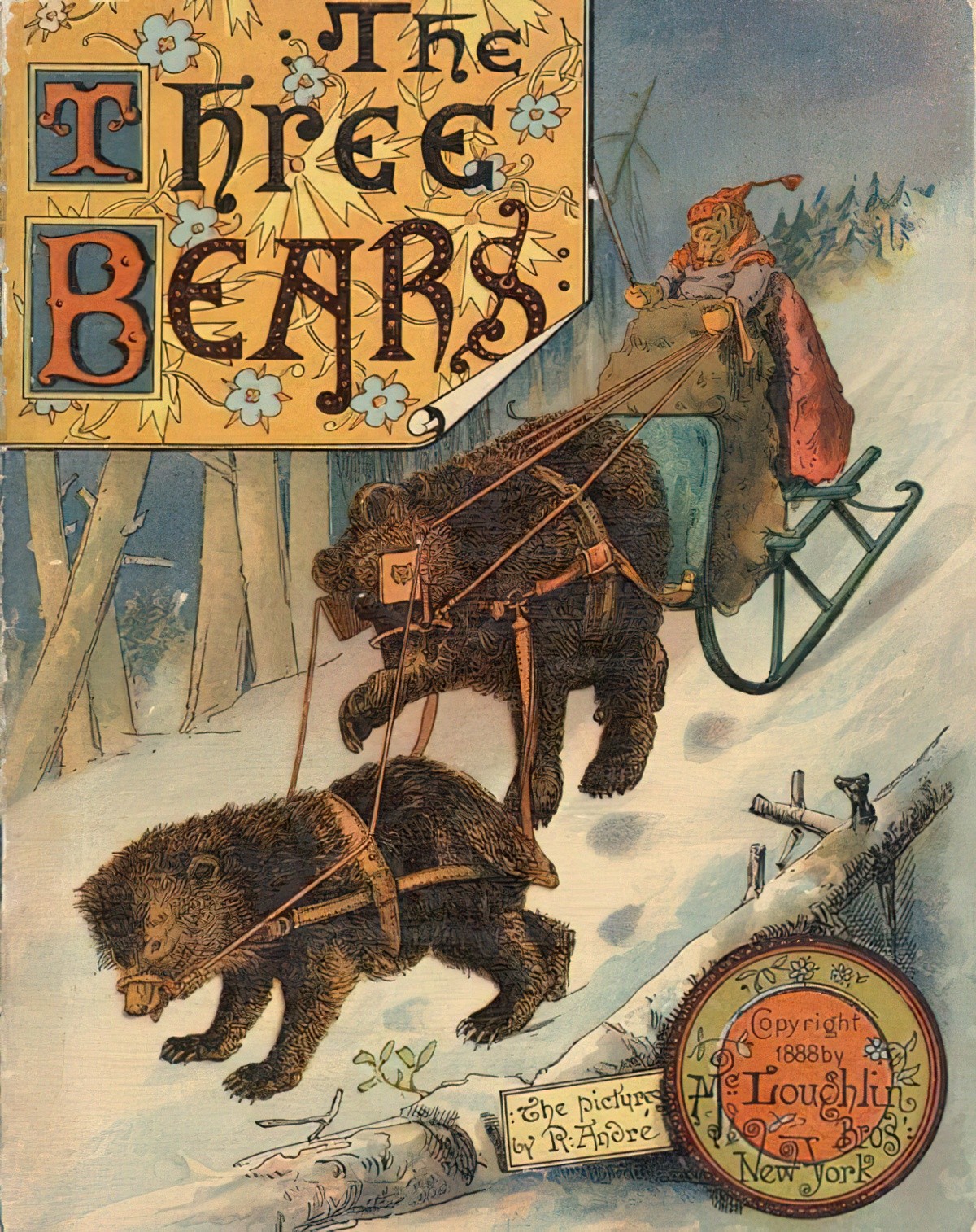
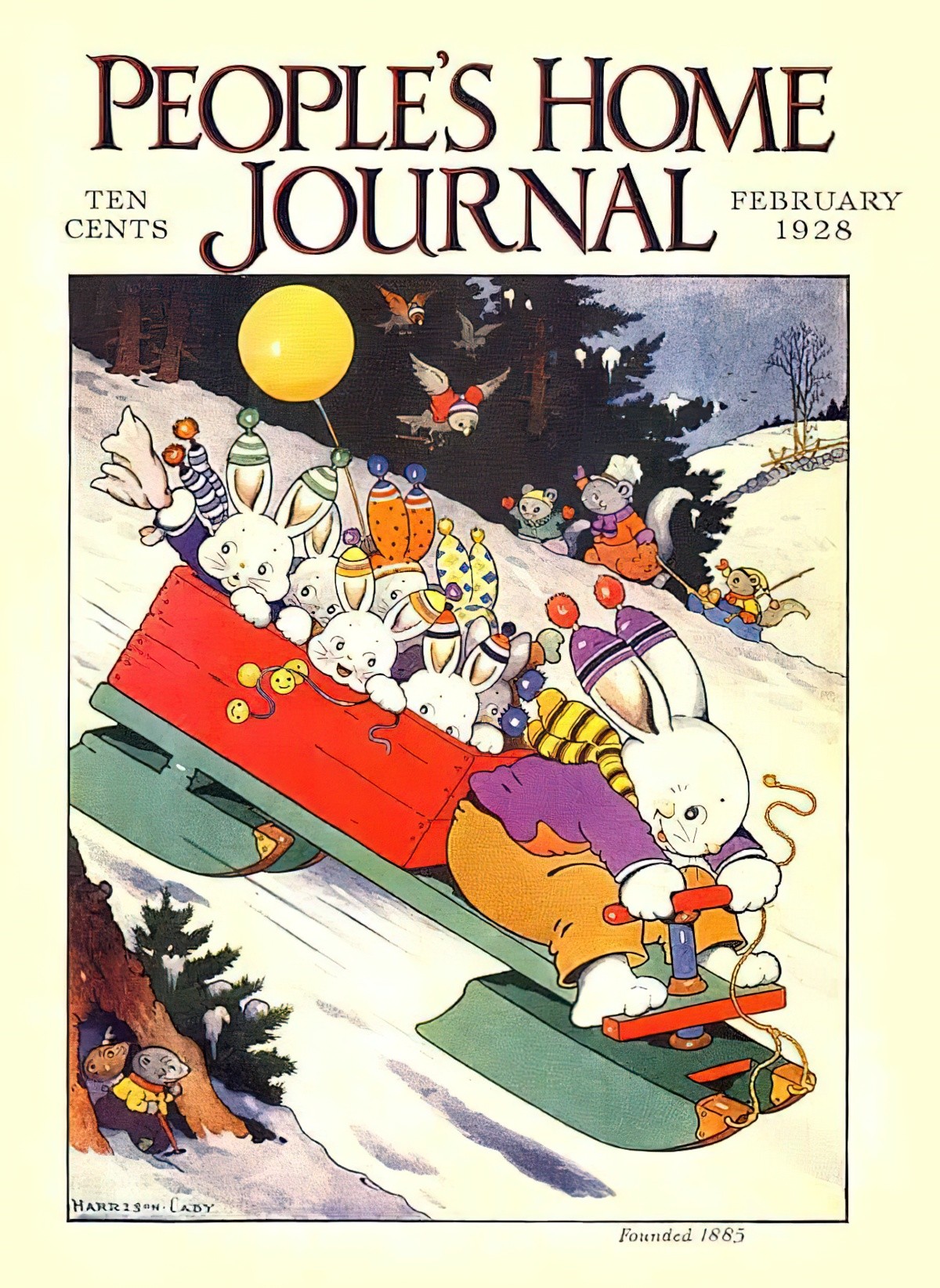
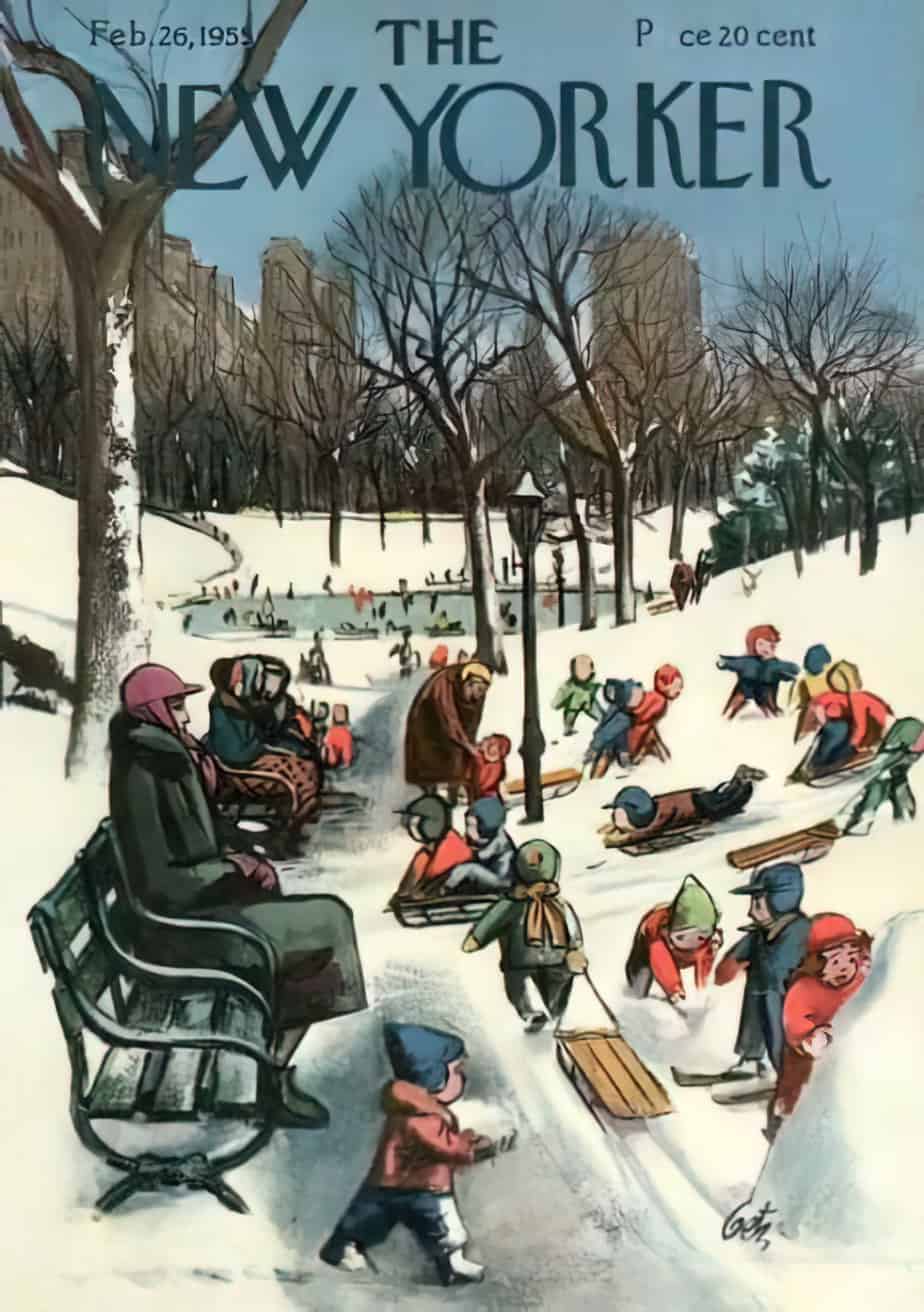
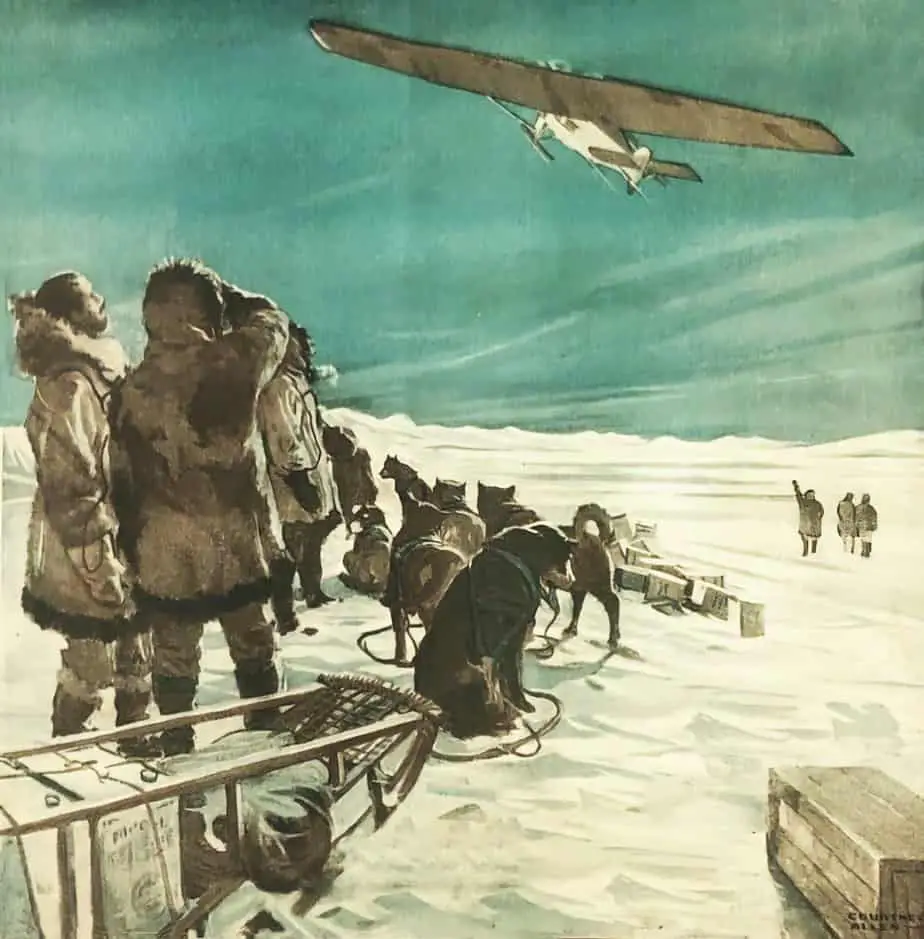
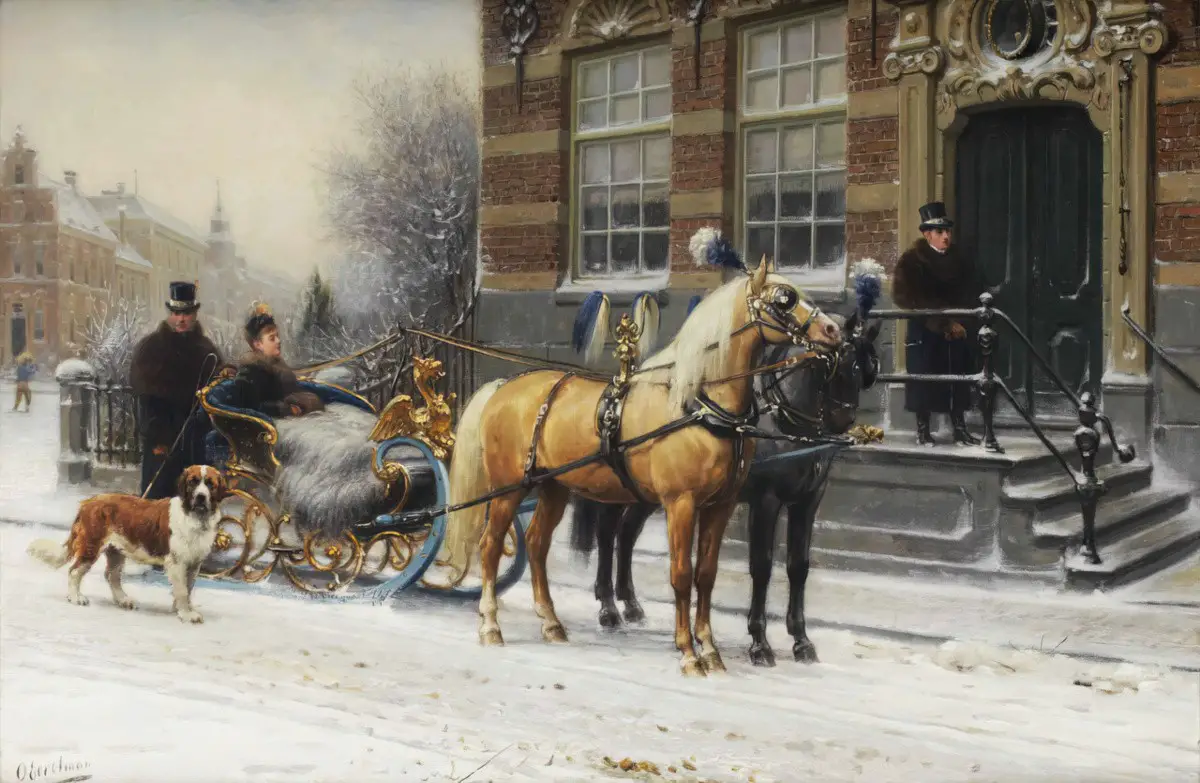
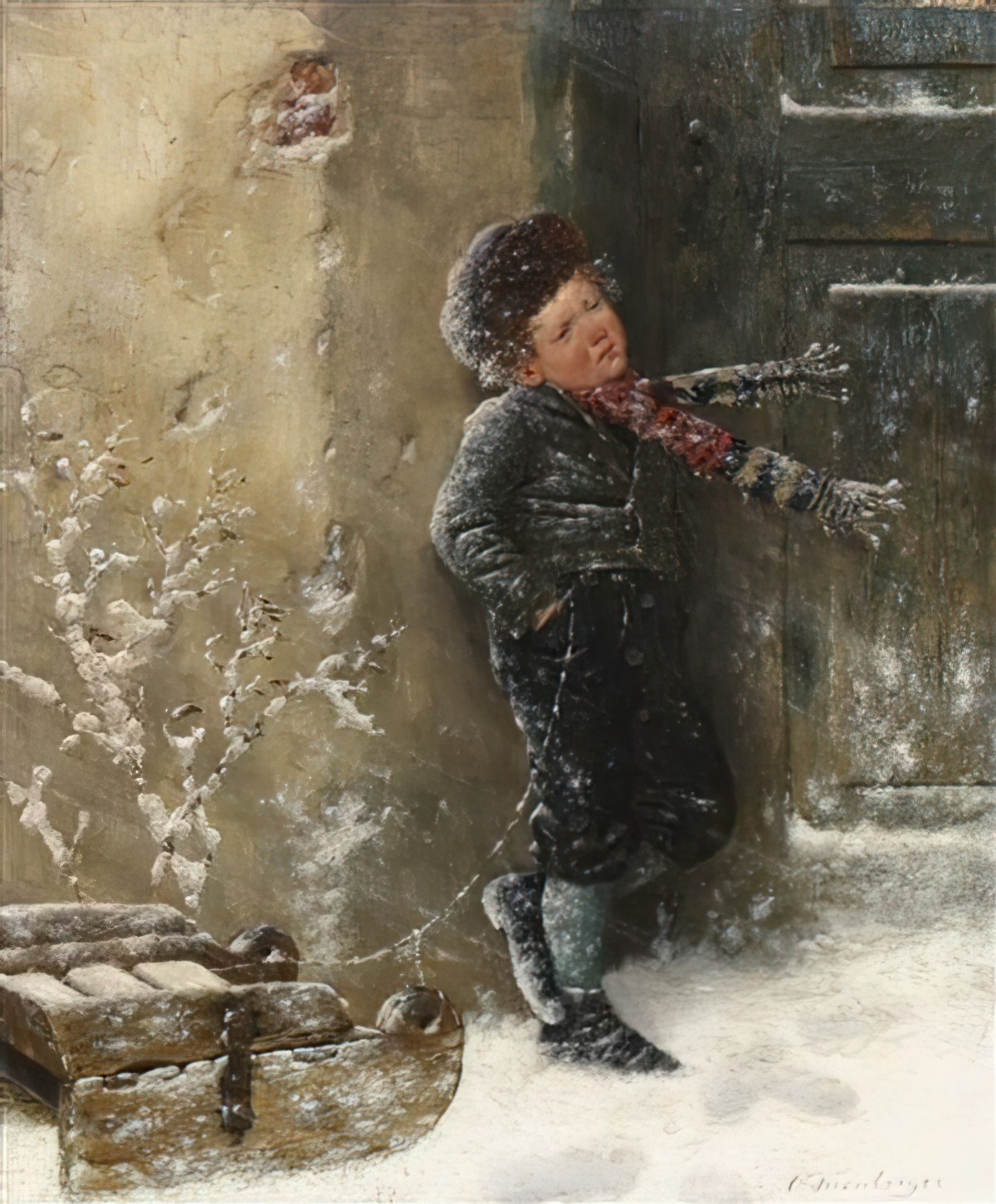
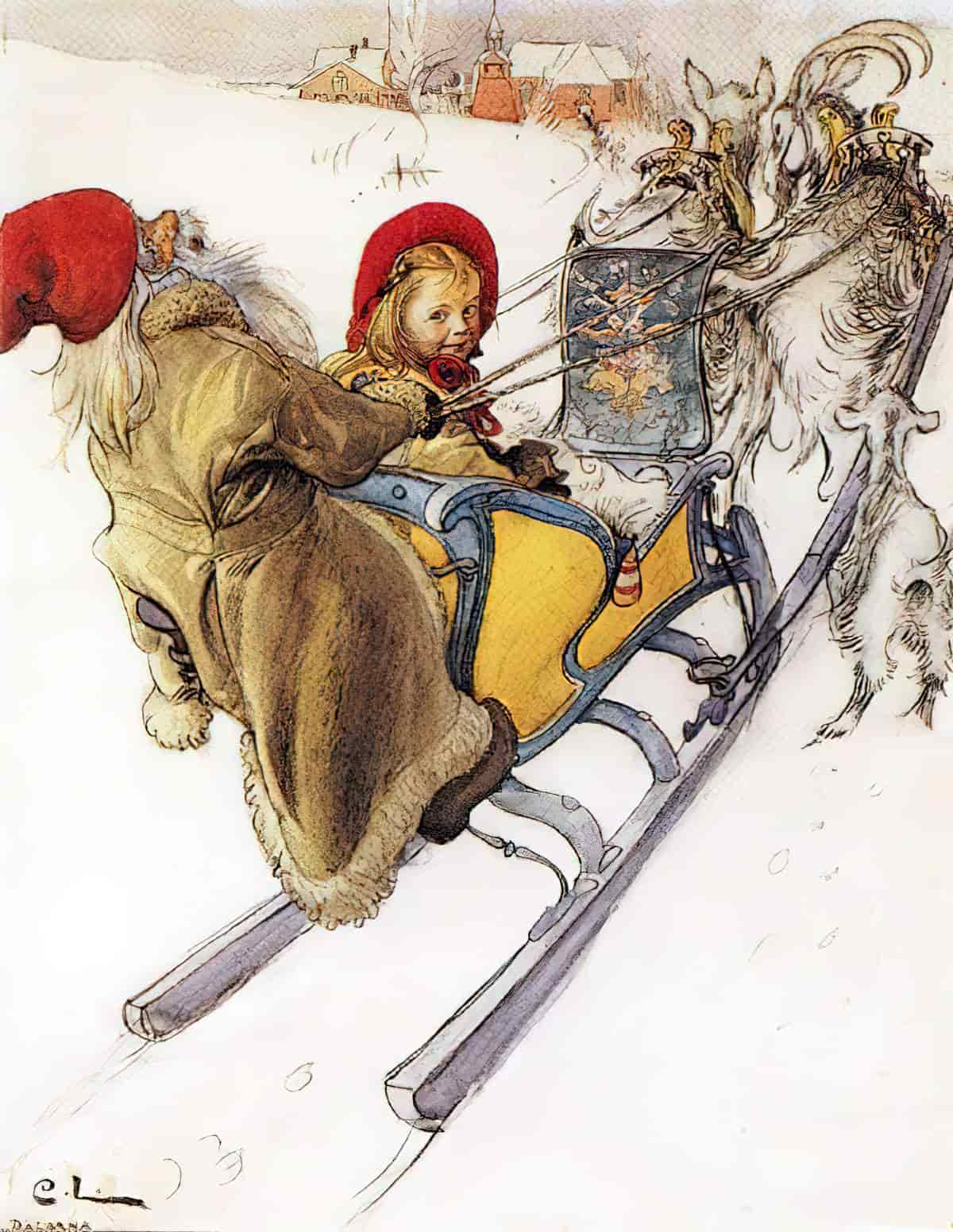
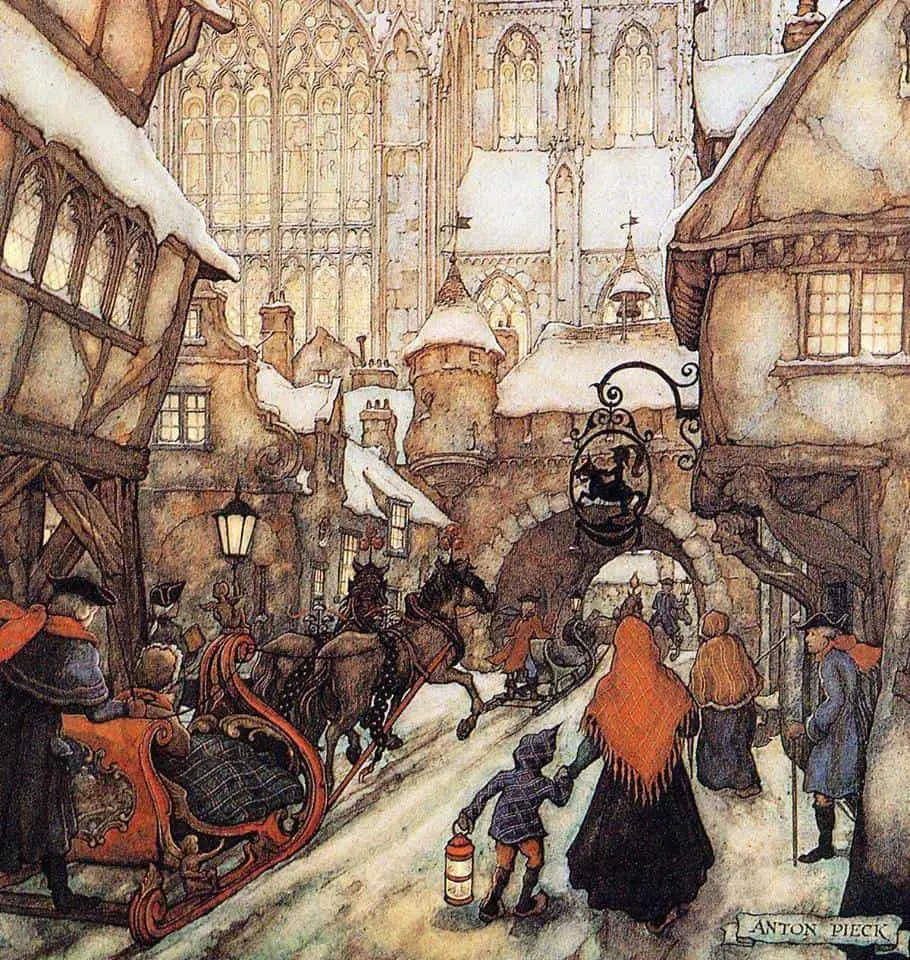
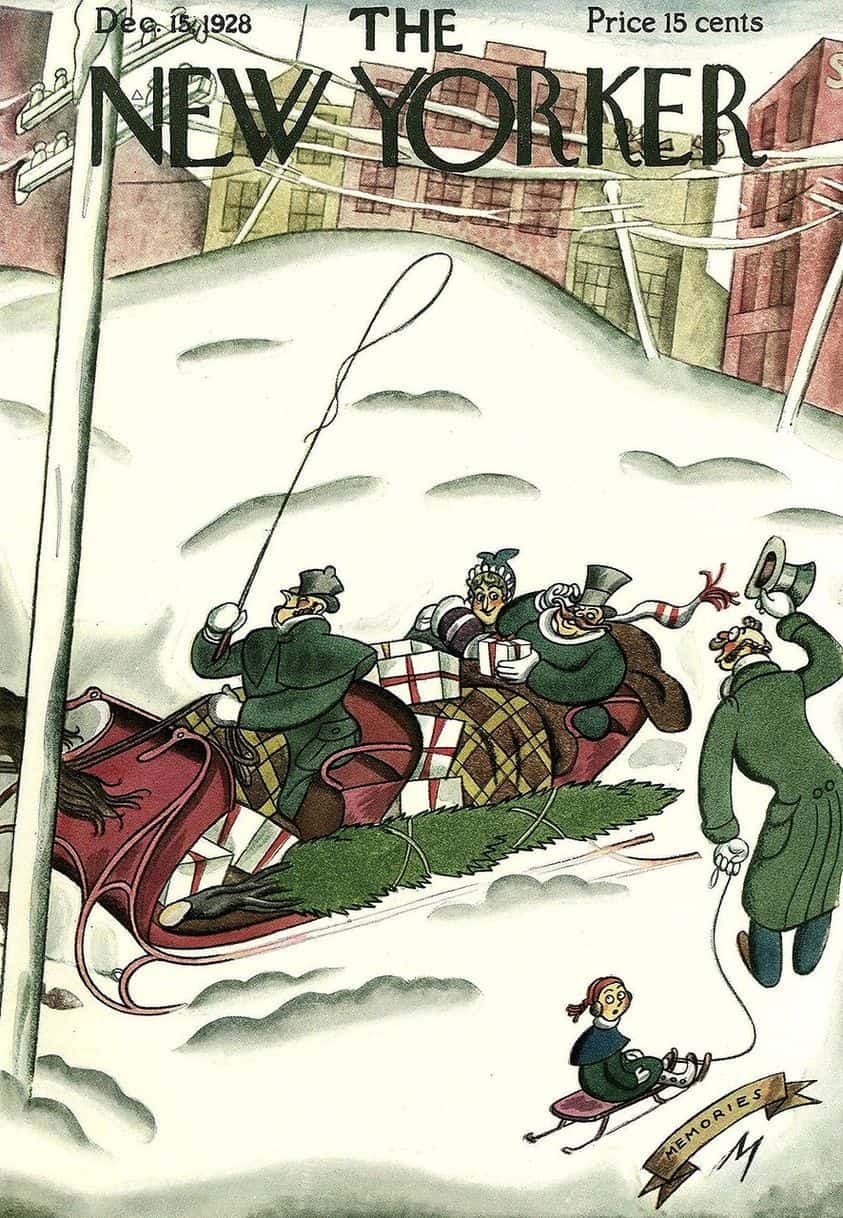
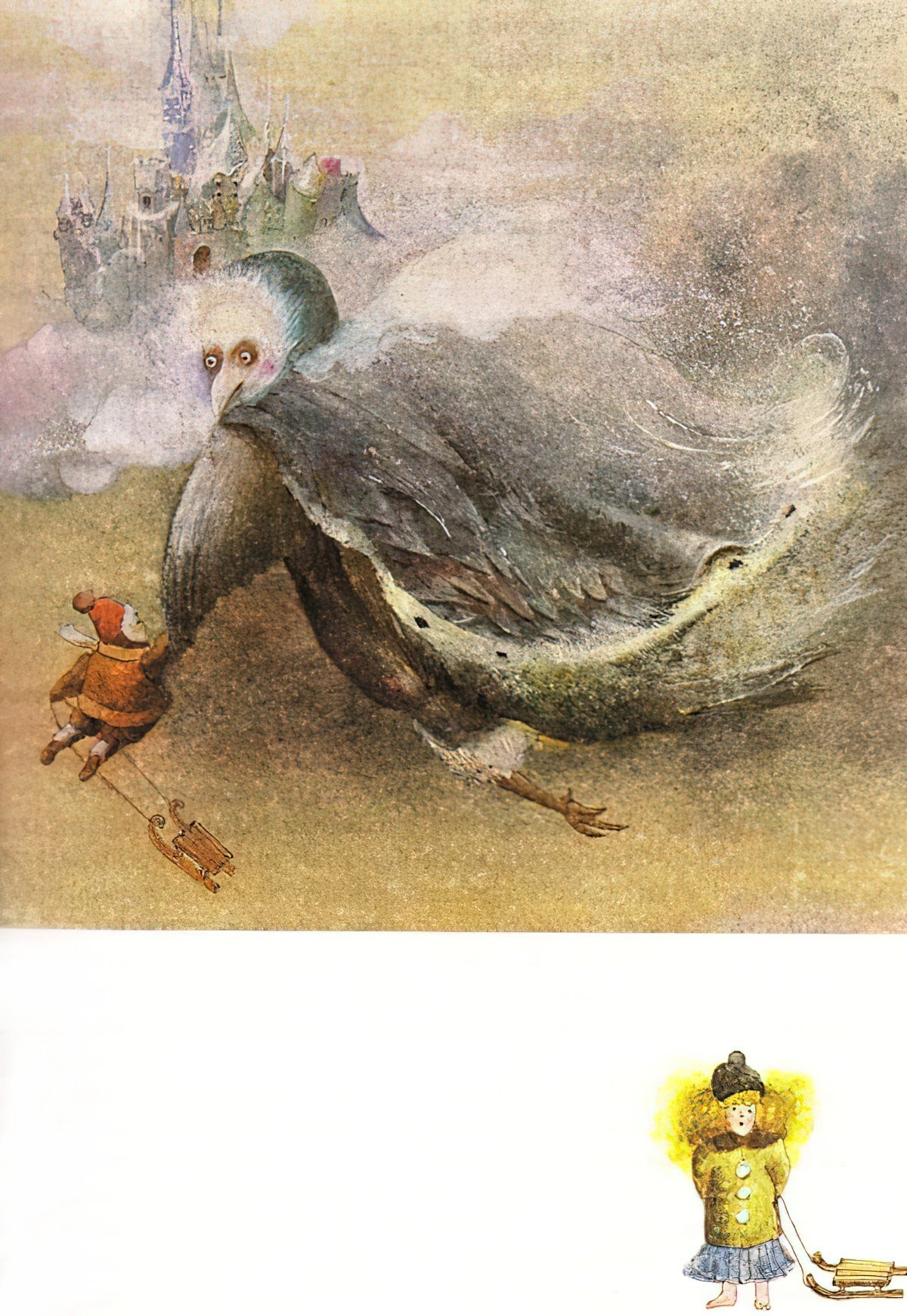
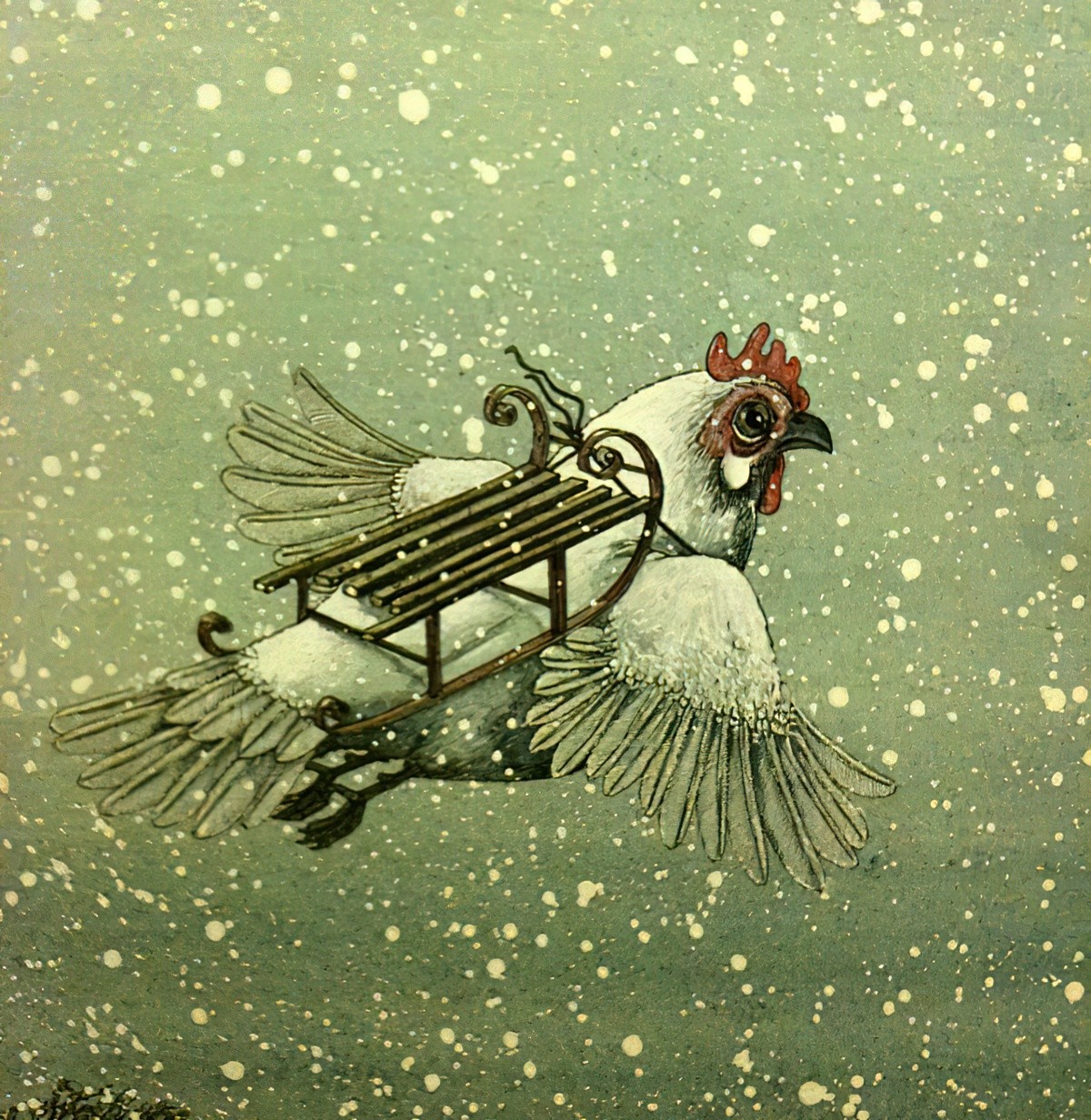
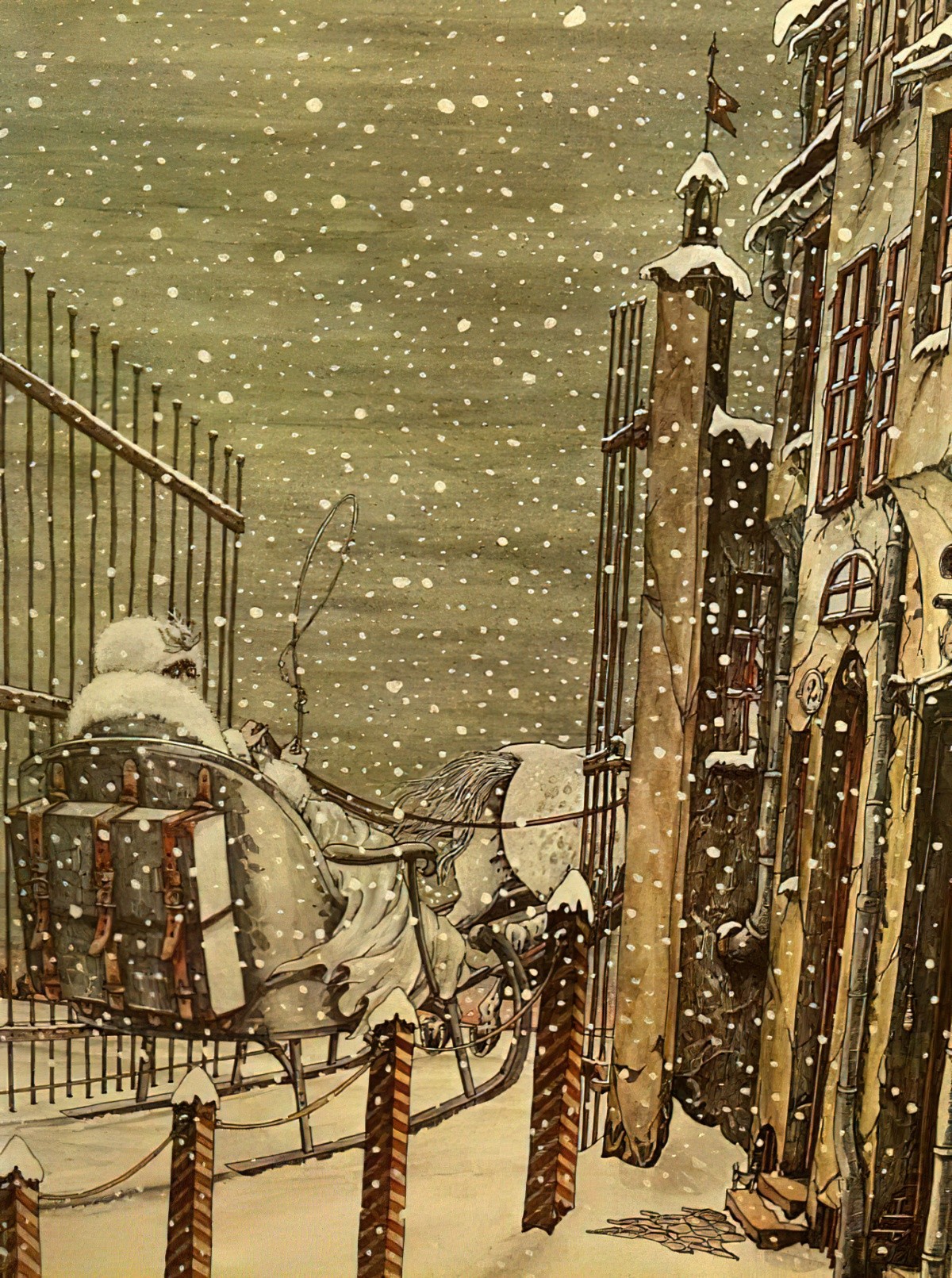
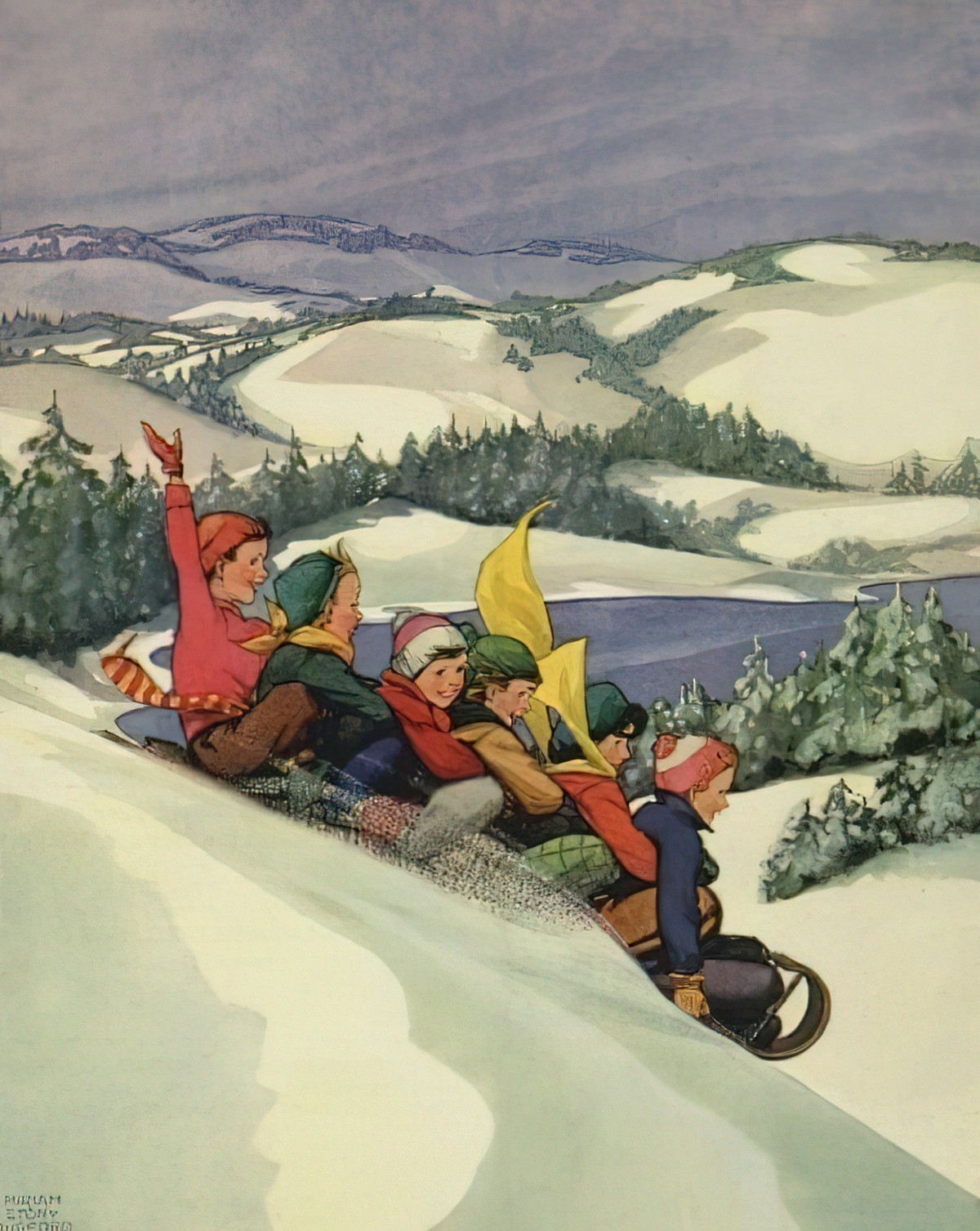
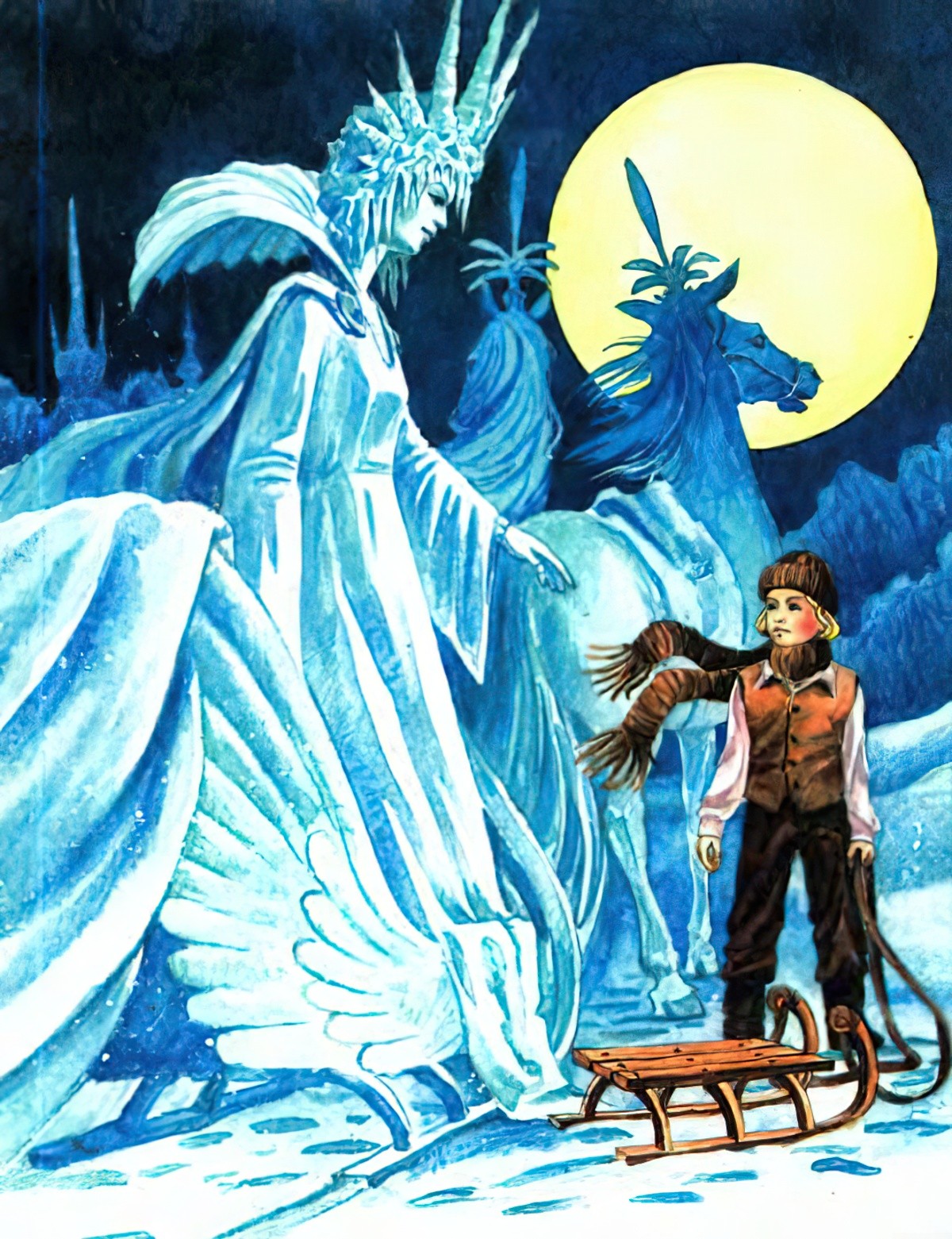
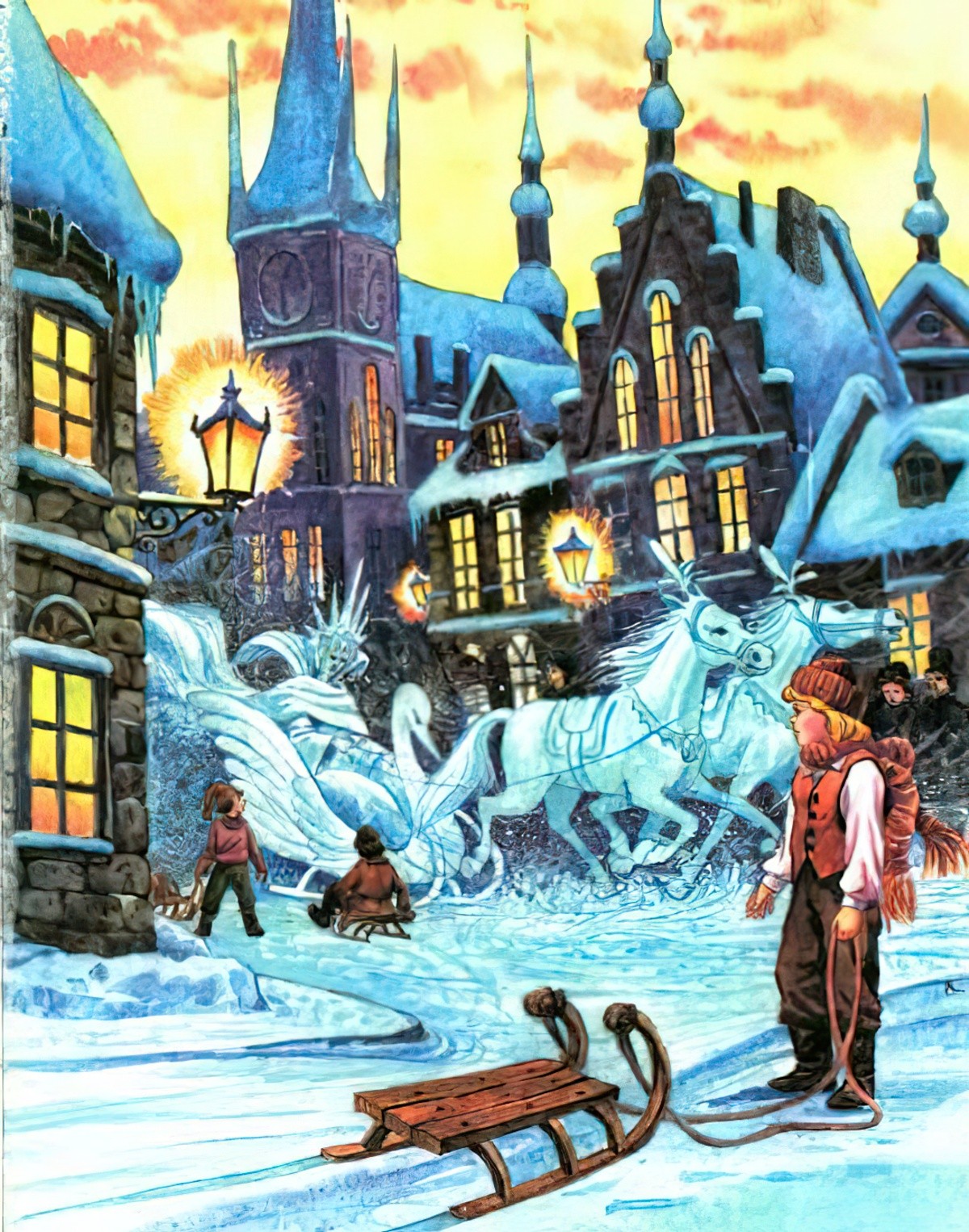
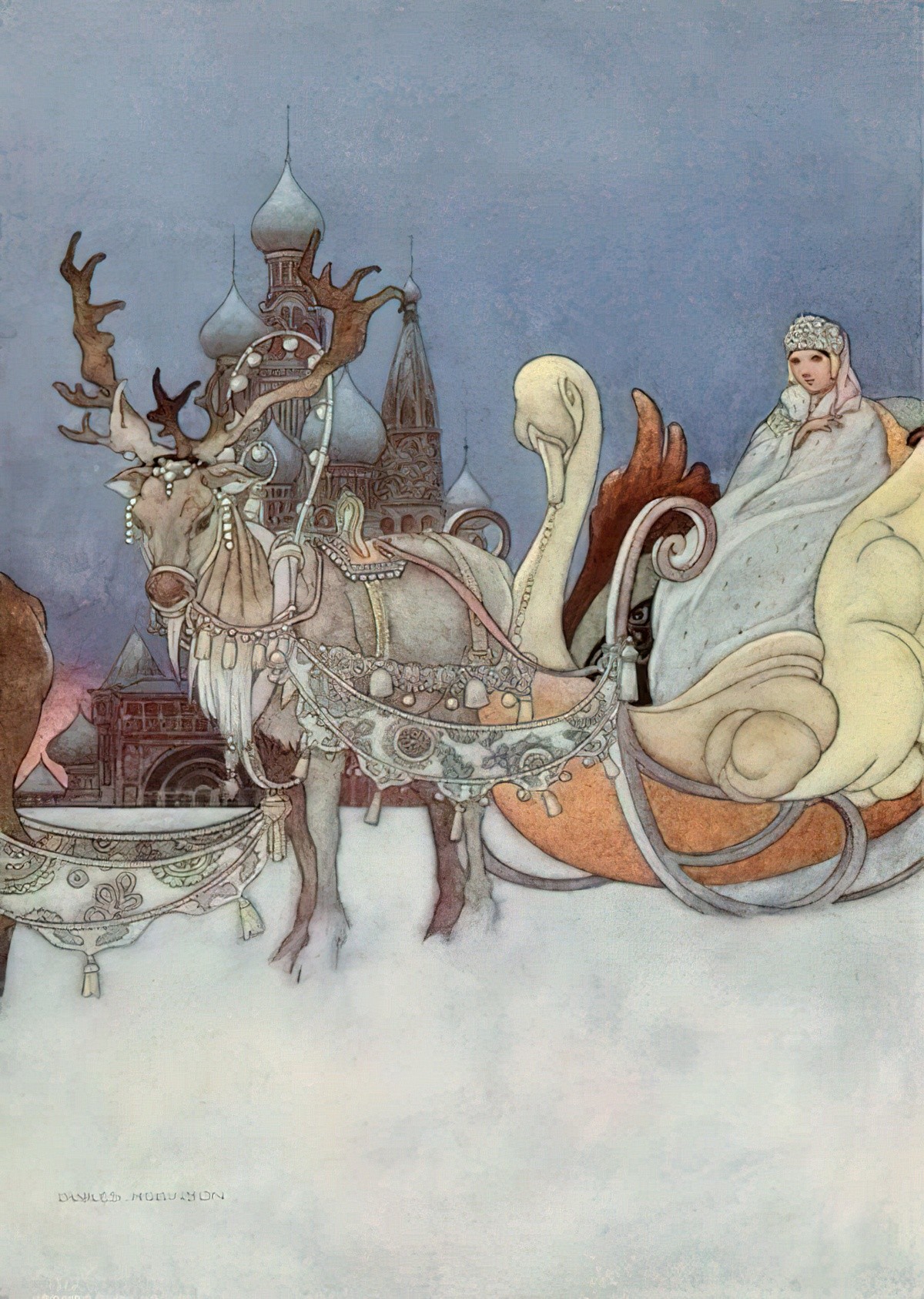
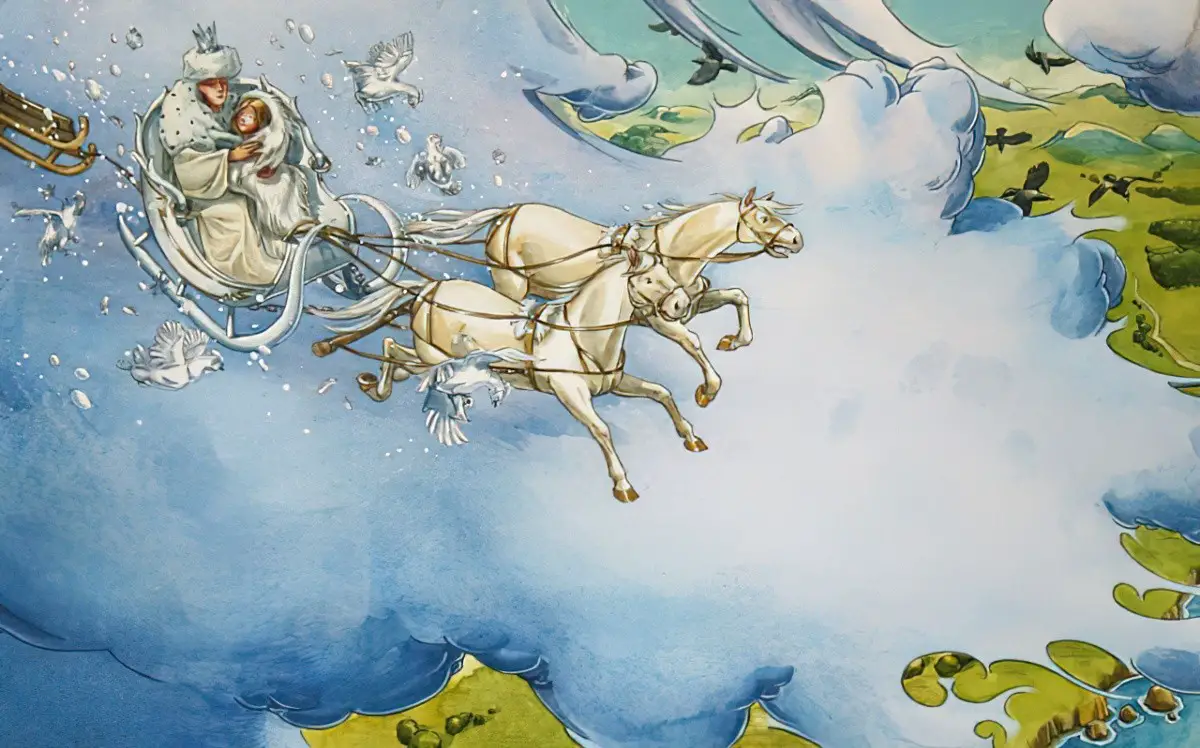
Illustrations of snowy landscapes quite often feature yellow skies.
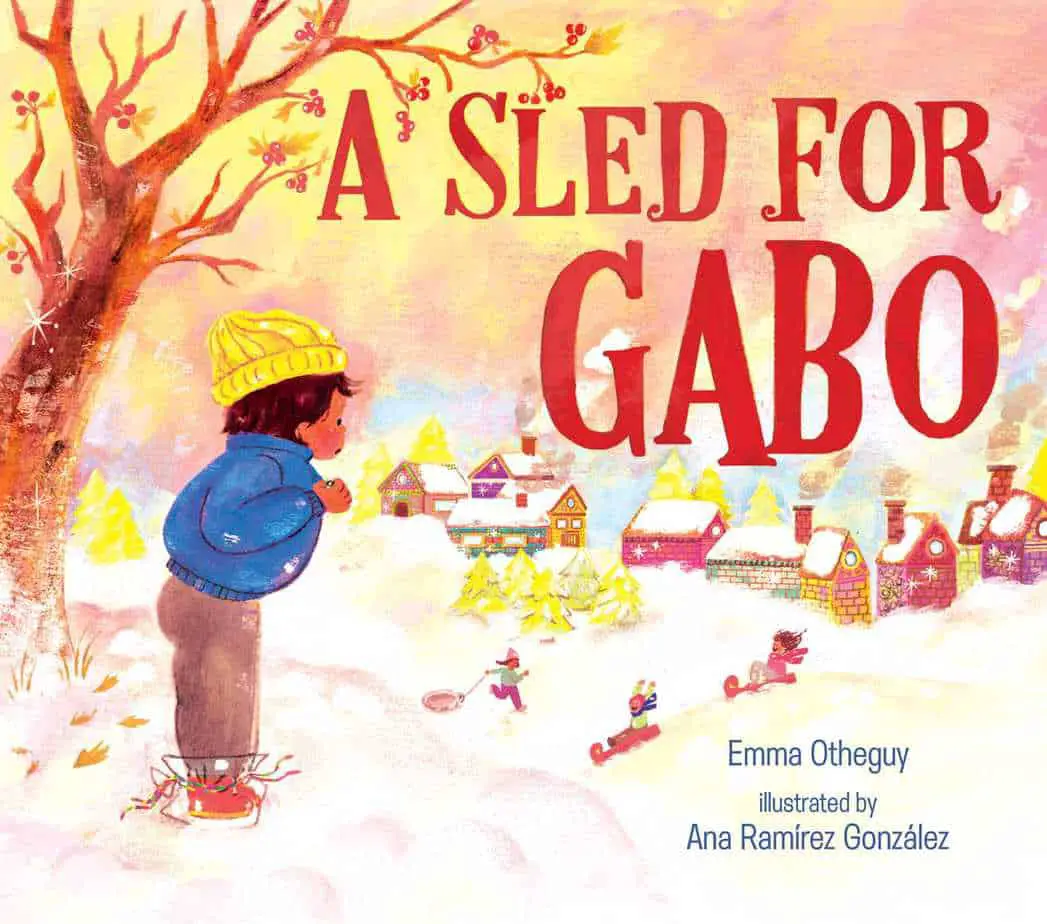
A young boy who is in a new town and doesn’t have much, but with the help of a loving community he discovers the joys of his first snowy day.
On the day it snows, Gabo sees kids tugging sleds up the hill, then coasting down, whooping all the while. Gabo wishes he could join them, but his hat is too small, and he doesn’t have boots or a sled.
But he does have warm and welcoming neighbors in his new town who help him solve the problem!
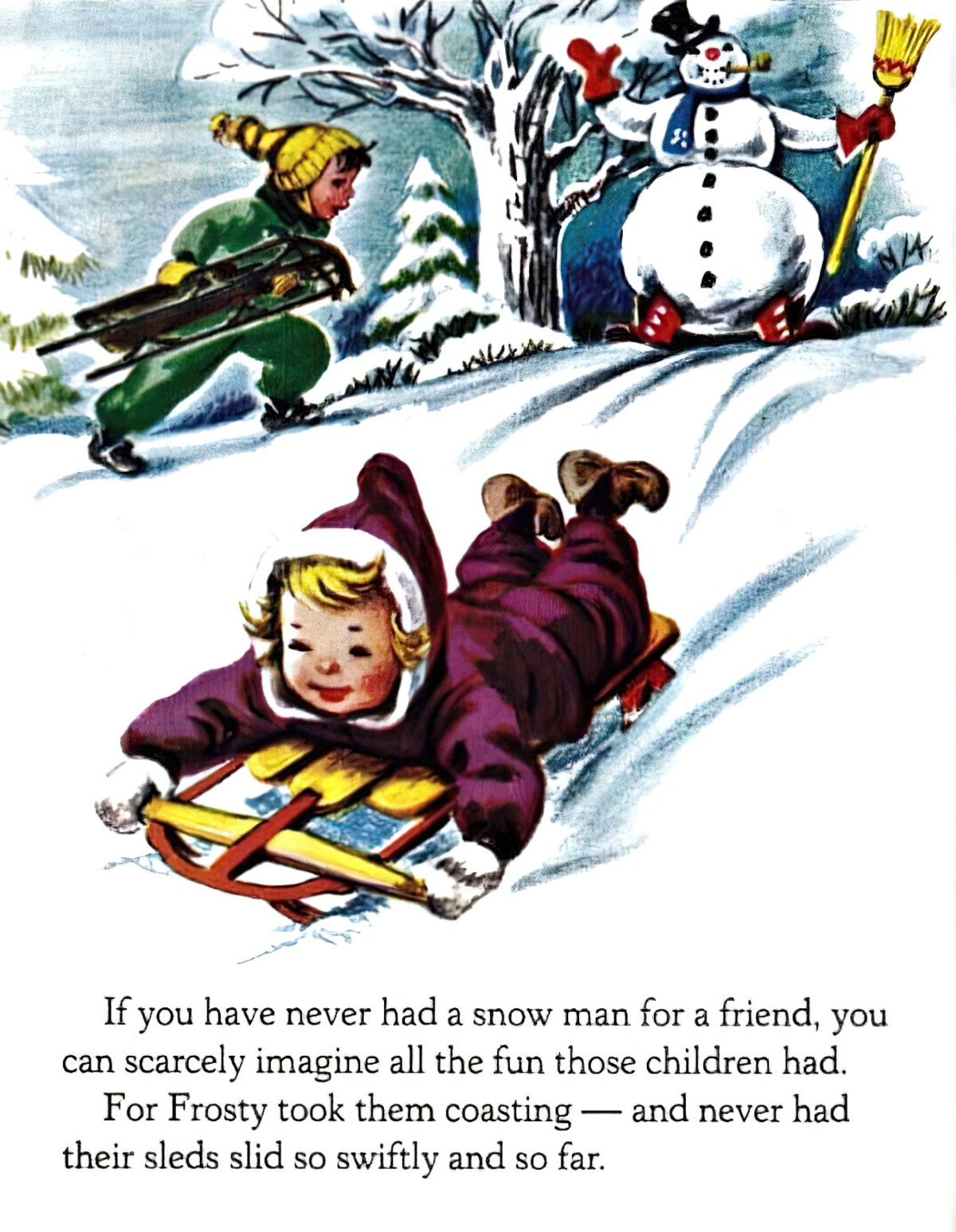
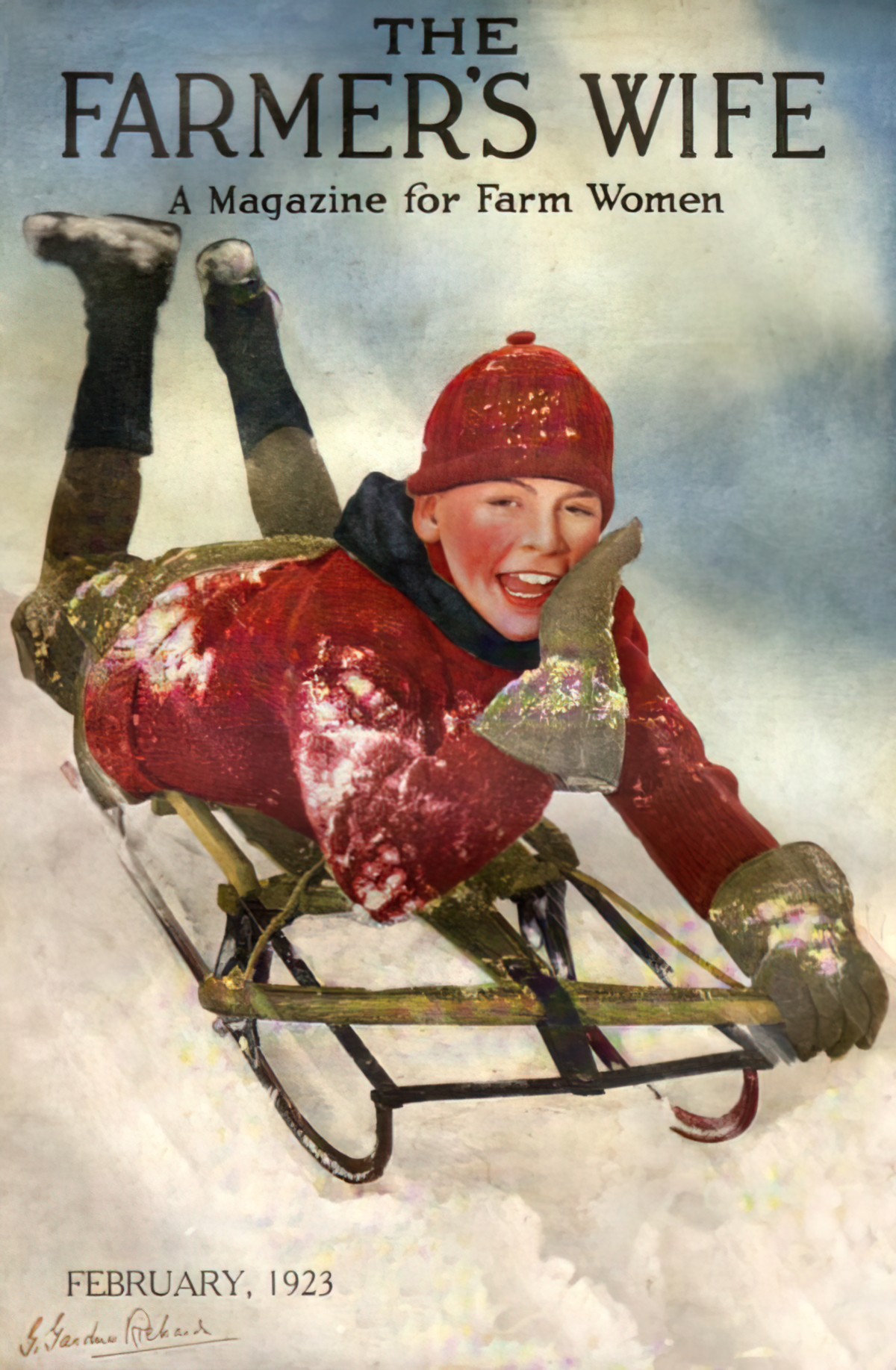
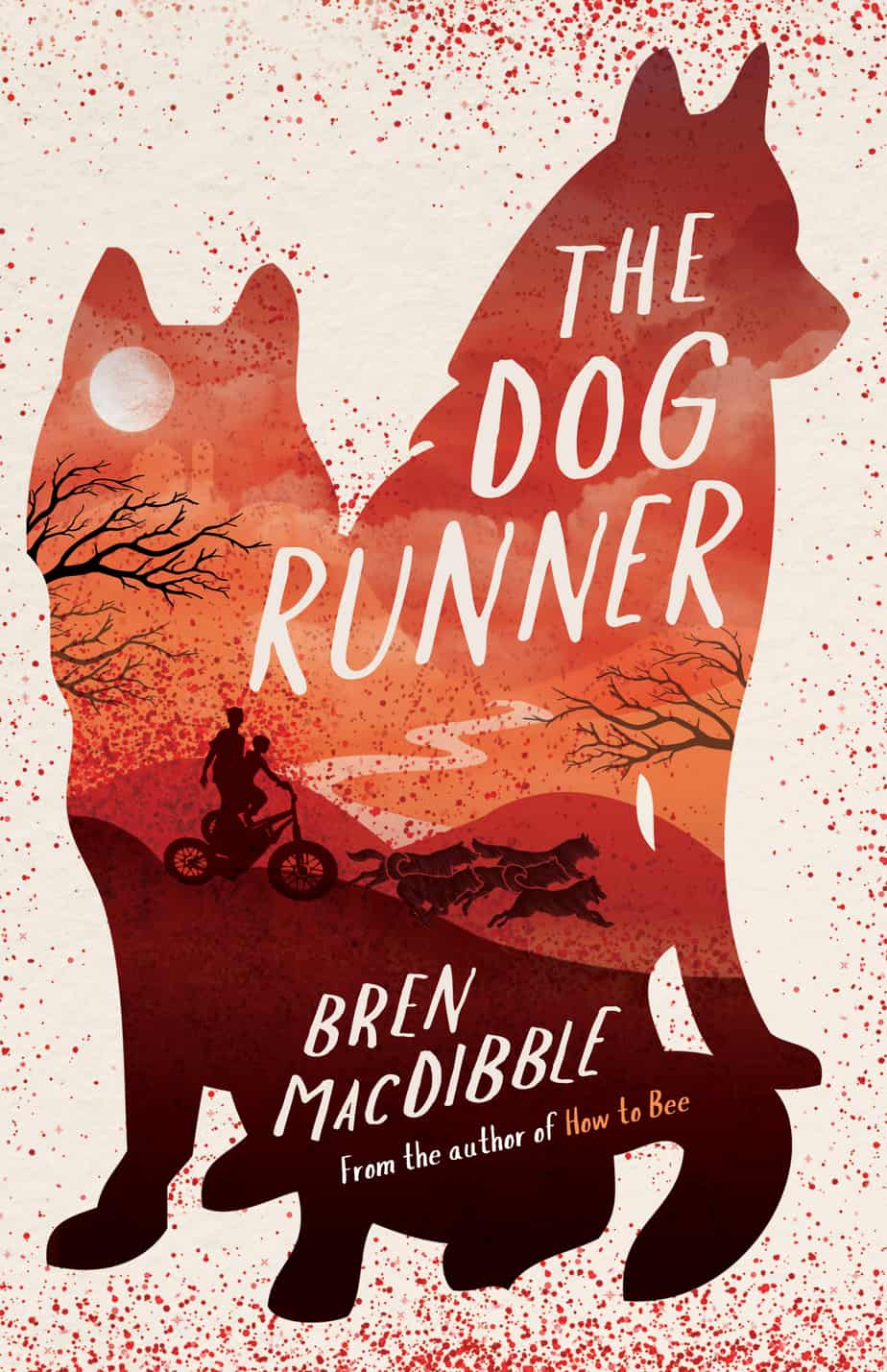
From the author of the multi-award-winning and bestselling How To Bee comes an intense and thrilling new adventure.
‘We’re gonna starve if we stay here,’ Emery said. ‘If we’re gonna go, best go now.’
And he said it like going was something easy. Like all we have to do is walk away.
Ella and her brother Emery are alone in a city that’s starving to death. If they are going to survive, they must get away, upcountry, to find Emery’s mum. But how can two kids travel such big distances across a dry, barren, and dangerous landscape? Well, when you’ve got five big doggos and a dry-land dogsled, the answer is you go mushing. But when Emery is injured, Ella must find a way to navigate them through rough terrain, and even rougher encounters with desperate people…
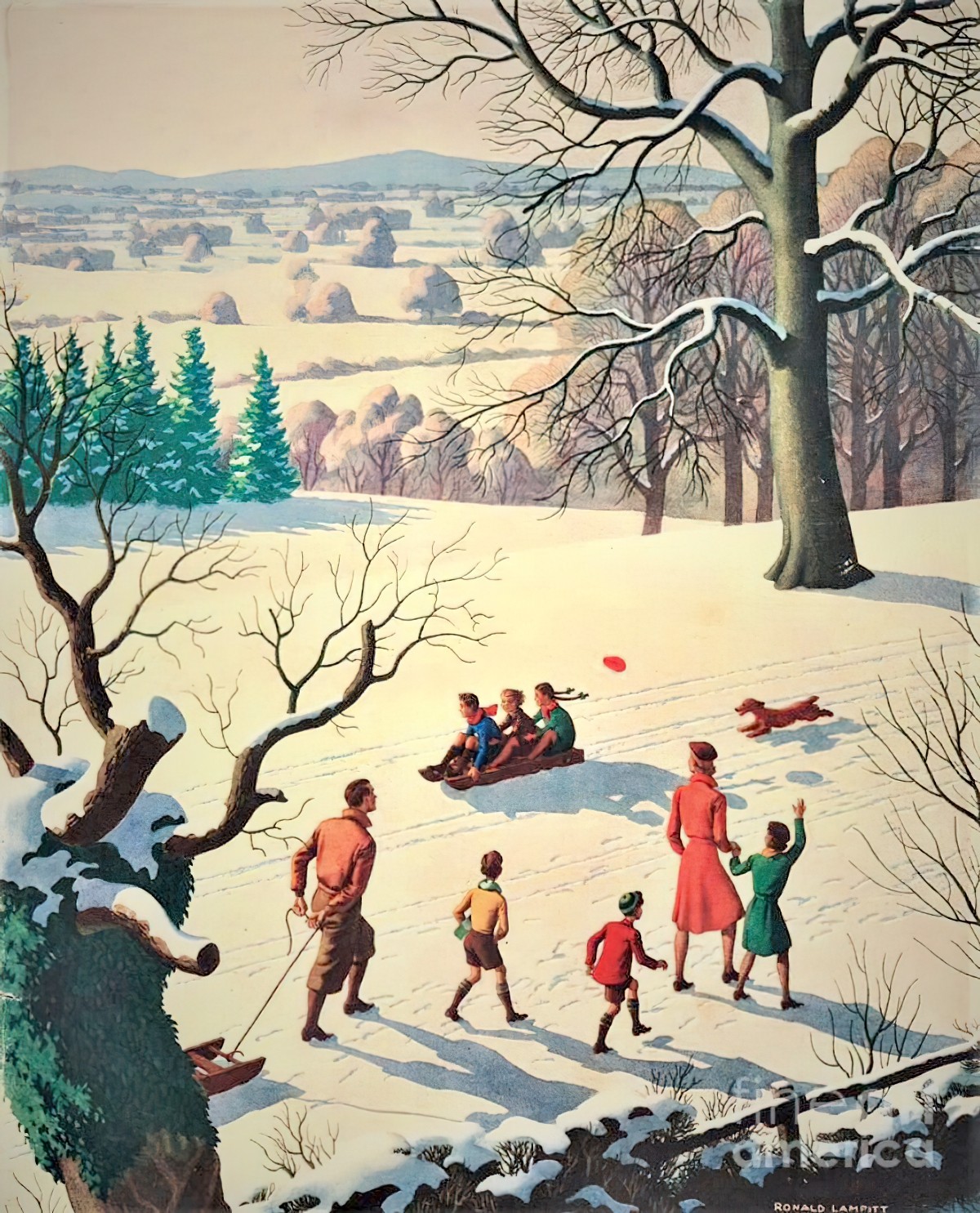
Header illustration: Ronald Lampitt for Ladybird Artists’ Advent Calendar, ‘Sledges’