-
The Shadows On The Wall by Mary E. Wilkins Freeman
There’s a subcategory of carnivalesque stories about visitors who outstay their welcome. These stories explore a deeper, broader human fear: The fear of home infiltration.
-
The Haunted Dolls’ House by M.R. James Short Story Analysis
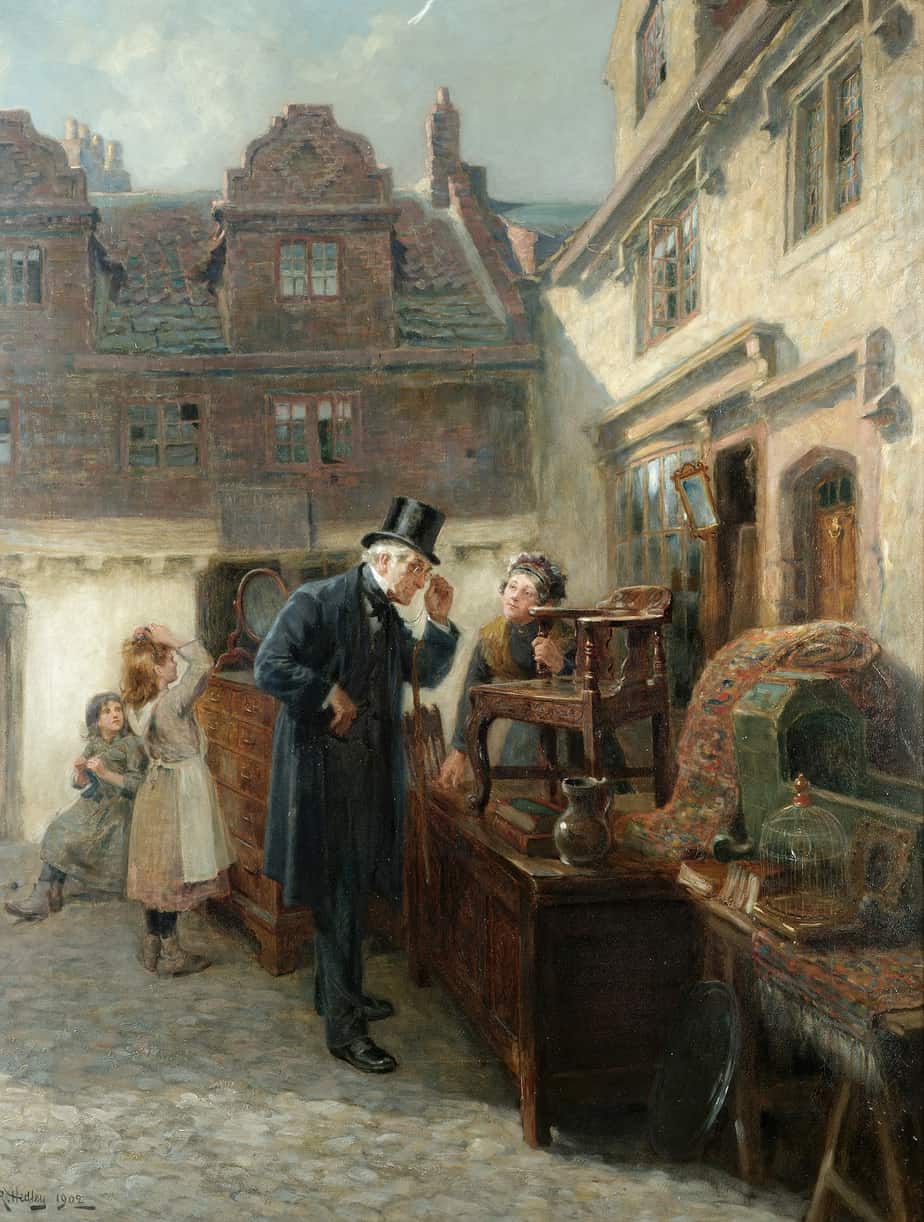
“The Haunted Dolls’ House” (1923) is a short ghost story by Montague Rhodes James. Being out of copyright, you can read it at Project Gutenberg. WHERE TO LISTEN You may be able to unearth the BBC dramatization of this short story somewhere e.g. on YouTube. “The Haunted Dolls’ House” was broadcast 1 January 1998. Here’s another version: SETTING OF THE…
-
The Tale of Tom Kitten by Beatrix Potter Analysis
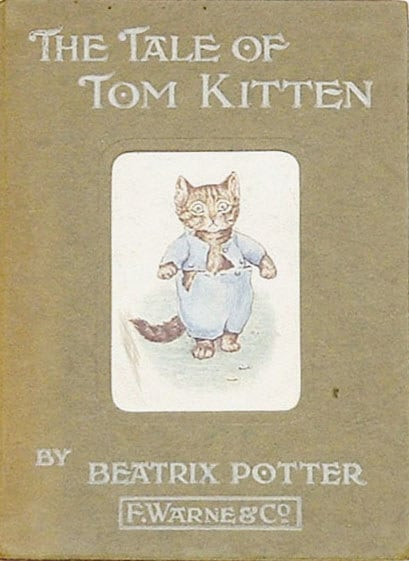
The Tale of Tom Kitten was created soon after Beatrix Potter had moved into her farm in the Lake District, which she’d bought with the proceeds earned from The Tale of Peter Rabbit. The illustrations are recognisably of Hill Top and of the farmstead’s surrounding village. The cats of the illustrations were real cats who lived there. It was Beatrix’s…
-
The Tale of Samuel Whiskers by Beatrix Potter Analysis
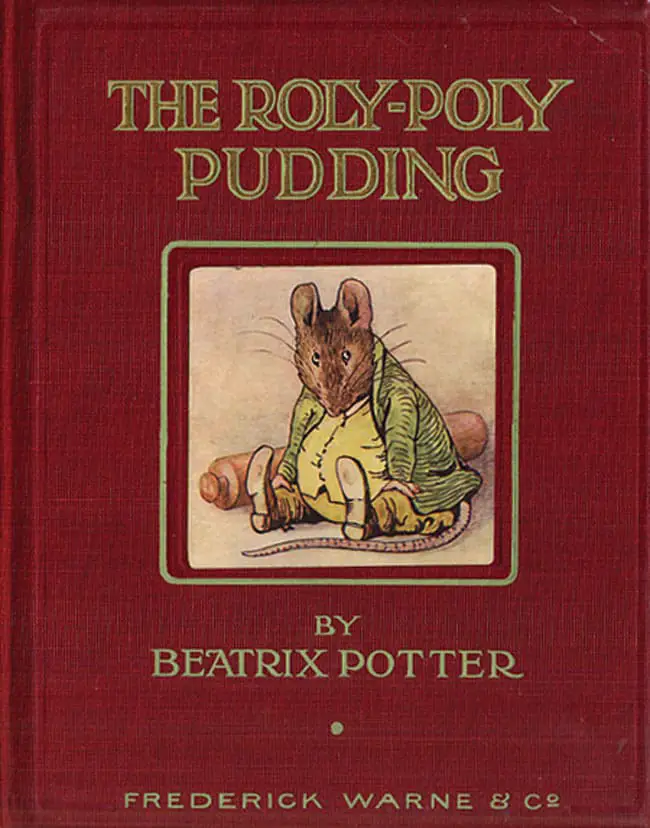
The Tale of Samuel Whiskers by Beatrix Potter was originally called The Roly-Poly Pudding and written as a Christmas present to a child. Potter’s image of the cat rolled up in dough is one of those resonant illustrations which, once seen, can never be unseen. Perhaps this image scarred you, too, as a child.
-
The Tale of Mr Jeremy Fisher by Beatrix Potter Analysis
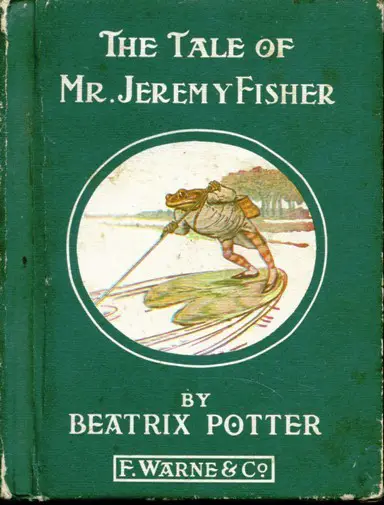
The Tale of Mr. Jeremy Fisher (1906) is one of Beatrix Potter’s more popular stories, and is an excellent example of how to write a sympathetic main character. Publishers had been telling Potter since she wrote it in 1893 for her last nanny’s son that frogs aren’t cute and fluffy enough to warrant main character status in children’s literature. This…
-
Mrs Tiggy-Winkle by Beatrix Potter Analysis
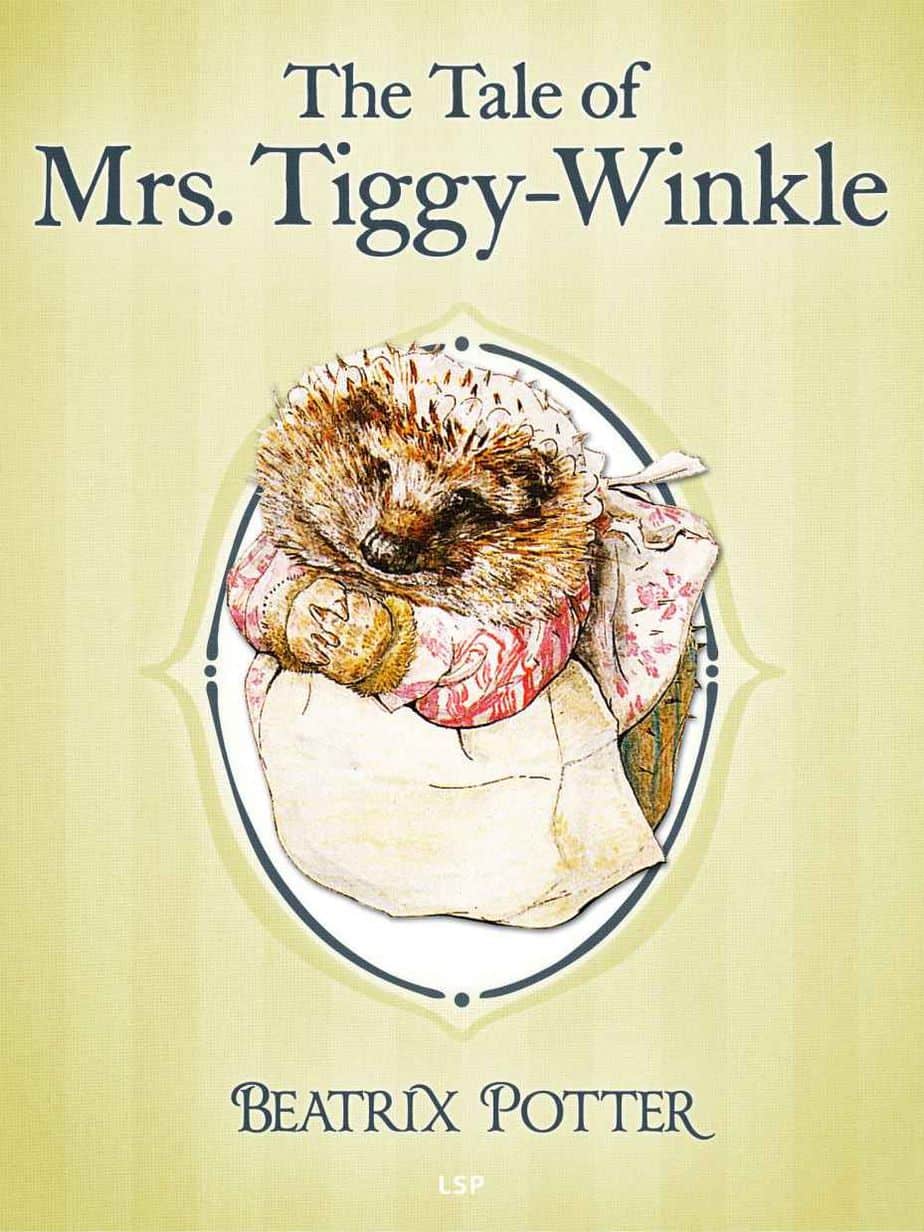
Beatrix Potter wrote Mrs. Tiggy-Winkle specifically to appeal to girls. She thought that Lucie’s feminine garb, with its emphasis on the lost clothing items (o, calamity!), would appeal to girls especially. Even today, authors and publishers are creating children’s books for the gender binary* e.g. this book will appeal to boys because X; this will appeal to girls because Y.…
-
The Tale of Ginger and Pickles by Beatrix Potter Analysis
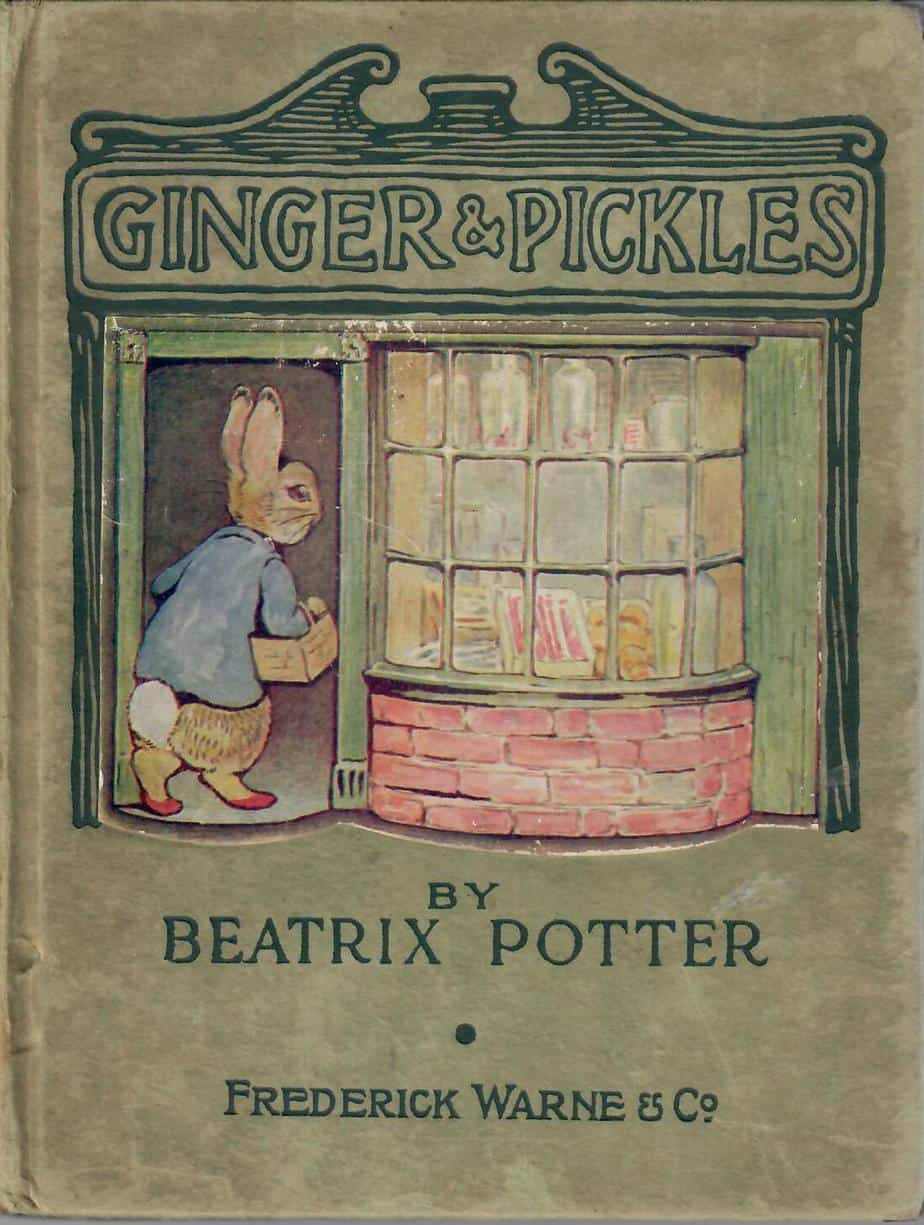
The Tale of Ginger and Pickles by Beatrix Potter is a story of utopian, idealised capitalism, first published 1909. This is how we’d all like capitalism to work — small local businesses provide goods and services; those friends providing the best goods and services win out, those ill-suited to small business find other, more suitable occupations. All is fair and…
-
The Gift Of The Magi by O. Henry Analysis
See, “The Gift Of The Magi” (1905) is why we don’t buy secret gifts. Aren’t we always told in relationships that communication is key? Yes, yes it is. Either buy your own presents, or drop strong hints in the lead up to gift giving season. Wait, that’s not what I’m meant to take away from this story, is it. For…
-
Paul’s Case by Willa Cather Analysis
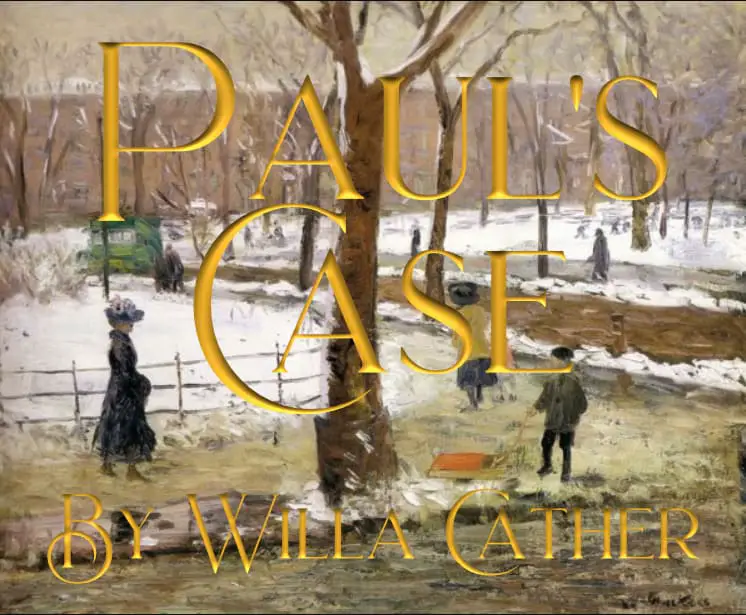
“Paul’s Case” is a short story by Willa Cather, first published in McClure’s Magazine in 1905 under the title “Paul’s Case: A Study in Temperament”. As a New Zealander, I have a longterm interest in Katherine Mansfield. I’m coming late to American Willa Cather, but the first thing I notice is that she was writing short stories in the same era…
-
The Tiredness of Rosabel by Katherine Mansfield Short Story Analysis
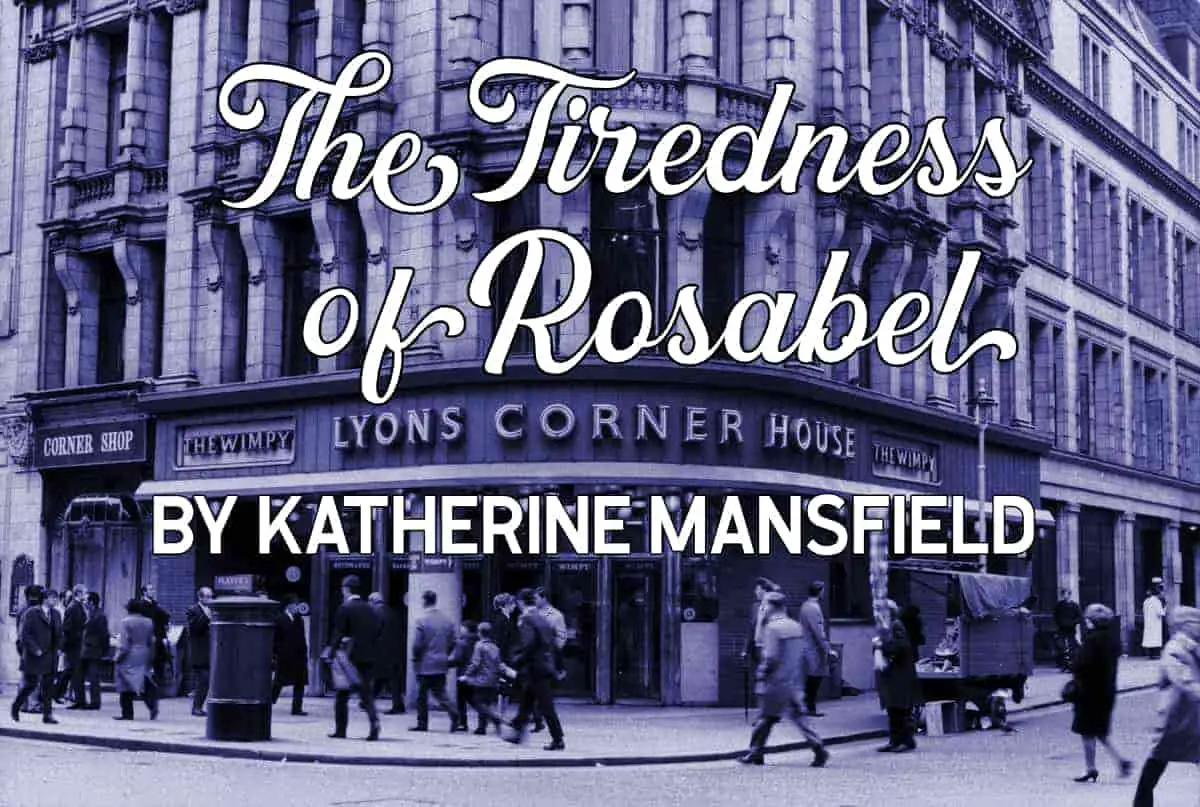
Outside school magazines, “The Tiredness of Rosabel” was Katherine Mansfield’s first published story (1908, when Mansfield was 20 years old). Already we can see features the author became known for: WHAT HAPPENS IN “THE TIREDNESS OF ROSABEL” Rosabel takes a bus home after a tiring day working in a millinery shop. She thinks of a good dinner, feeling she would…
-
The Tale of Squirrel Nutkin by Beatrix Potter Analysis
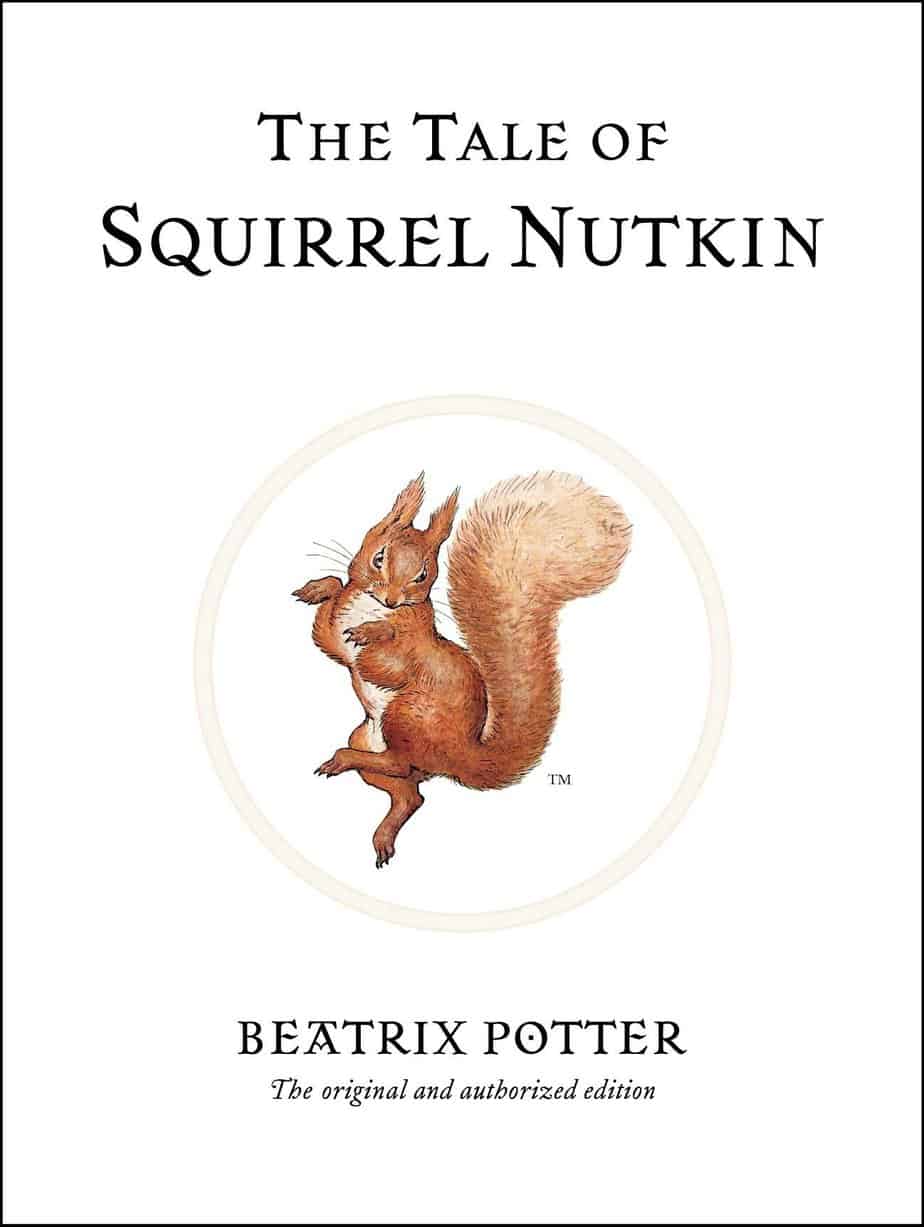
and illustrated by Beatrix Potter. Squirrel Nutkin is an example of a story from the First Age of Children’s Literature, though Beatrix Potter herself did much to usher in the more modern style of children’s story.
-
The Tale Of Peter Rabbit by Beatrix Potter Analysis
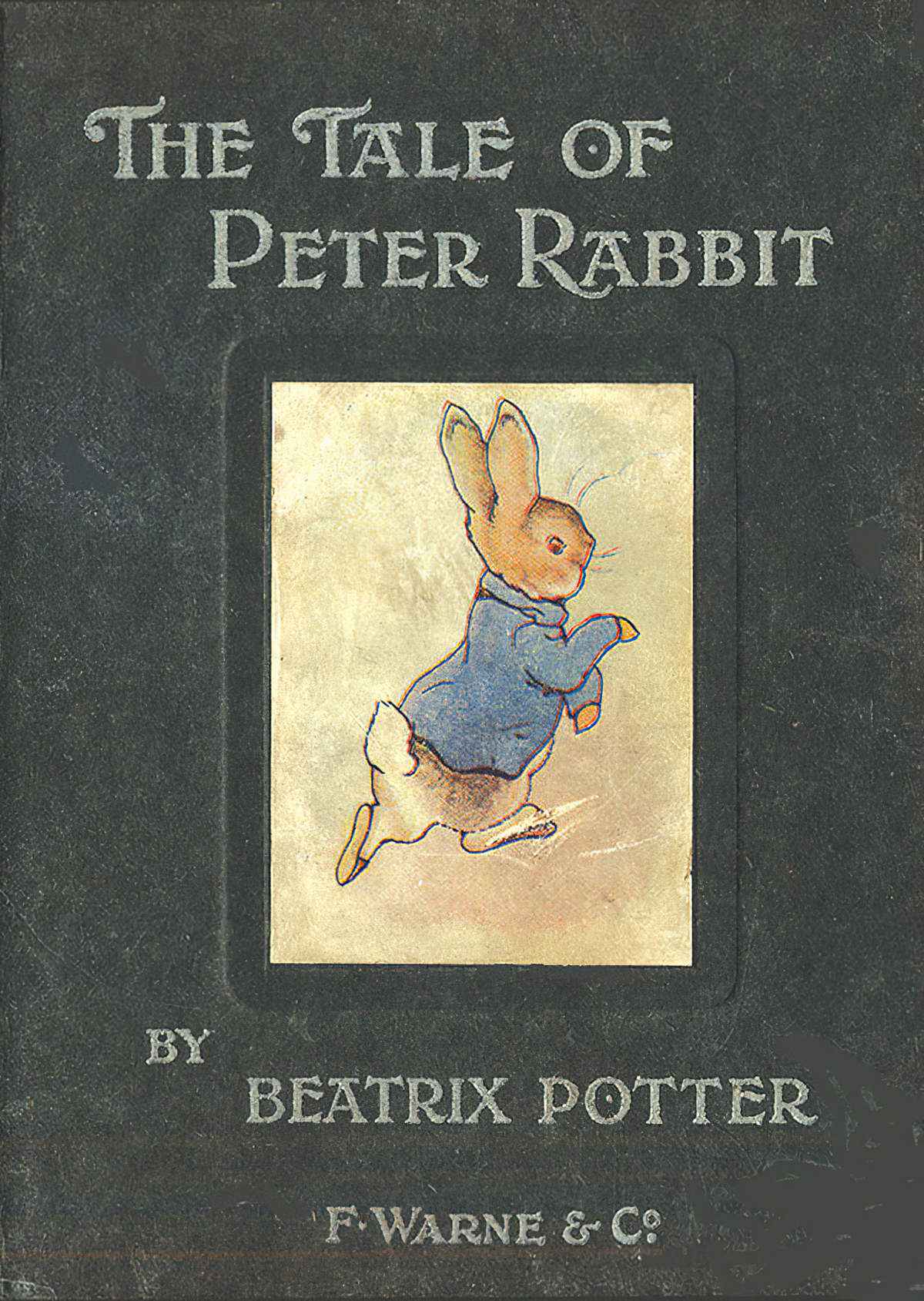
As Marjery Hourihan points out in Deconstructing the Hero, Peter Rabbit is basically an Odyssean story. A male hero goes out, has an adventure, faces death and then arrives home, changed. Beatrix Potter was following a long tradition of storytelling when she wrote this one.