-
Millie by John Marsden and Sally Rippin Analysis
Young readers love to hear about naughty children. If this were a story by Roald Dahl or Edward Gorey, the naughty Millie would definitely have met a nasty end, but this particular naughty child remains the apple of her parents’ eyes. Since all children have bad thoughts sometimes, this story is a comfort-read, and would
-
Picturebooks: Where to place words on the page?
Where to put the text in a picture book? How do the eyes of readers move across the page? What is the age of your reader? This will affect the decision.
-
Wolf Comes To Town by Denis Manton Analysis
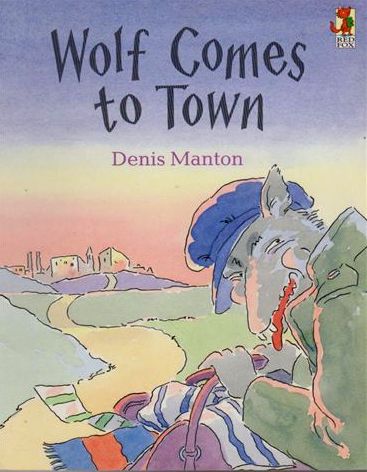
Wolf Comes To Town by Denis Manton must be one of the most underrated children’s book on the Internet. I was genuinely astonished to check out what others have said about this picture book on Amazon and Goodreads. Both sites show a 1.5 star average rating at time of writing. Can you guess what reviewers don’t like…
-
Differences Between Writing For Children and Adults
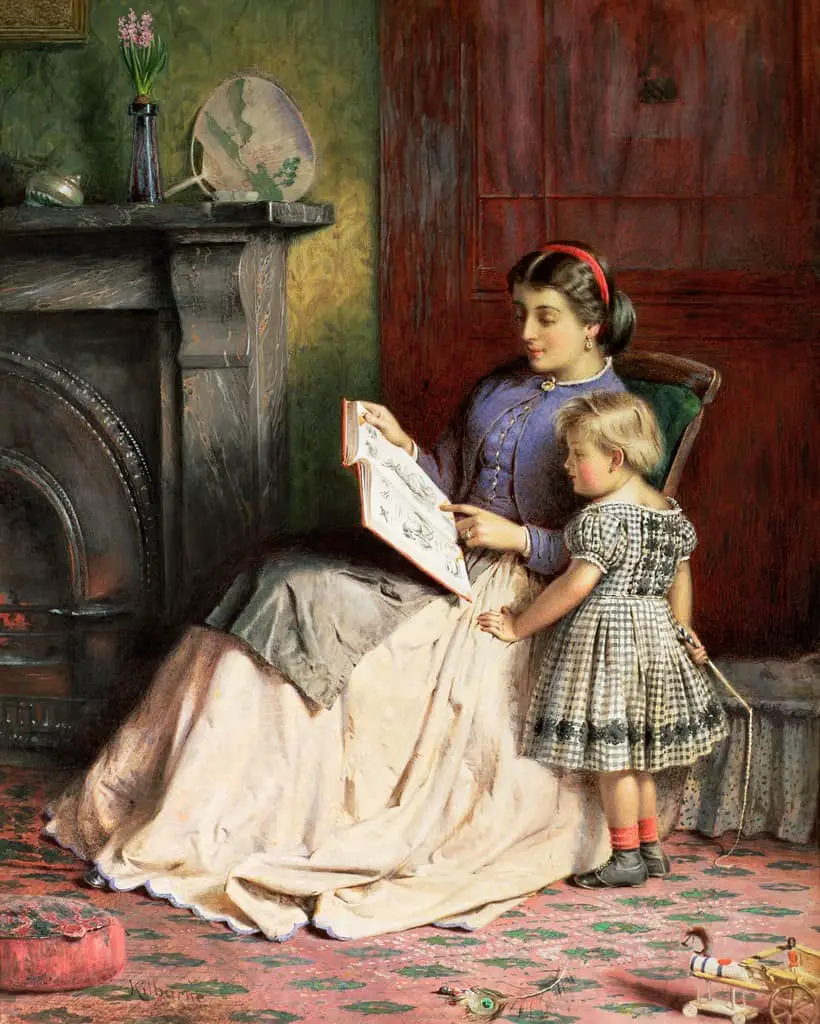
1. What can I expect of children whose understanding of language is not yet nearly as well developed as my own adult linguistic skills, without asking too much of them? 2. What ought I to expect of children without contravening educational, psychological, moral and aesthetic requirements, particularly since it is not always easy to bring
-
Wheat in the Ear by Alien
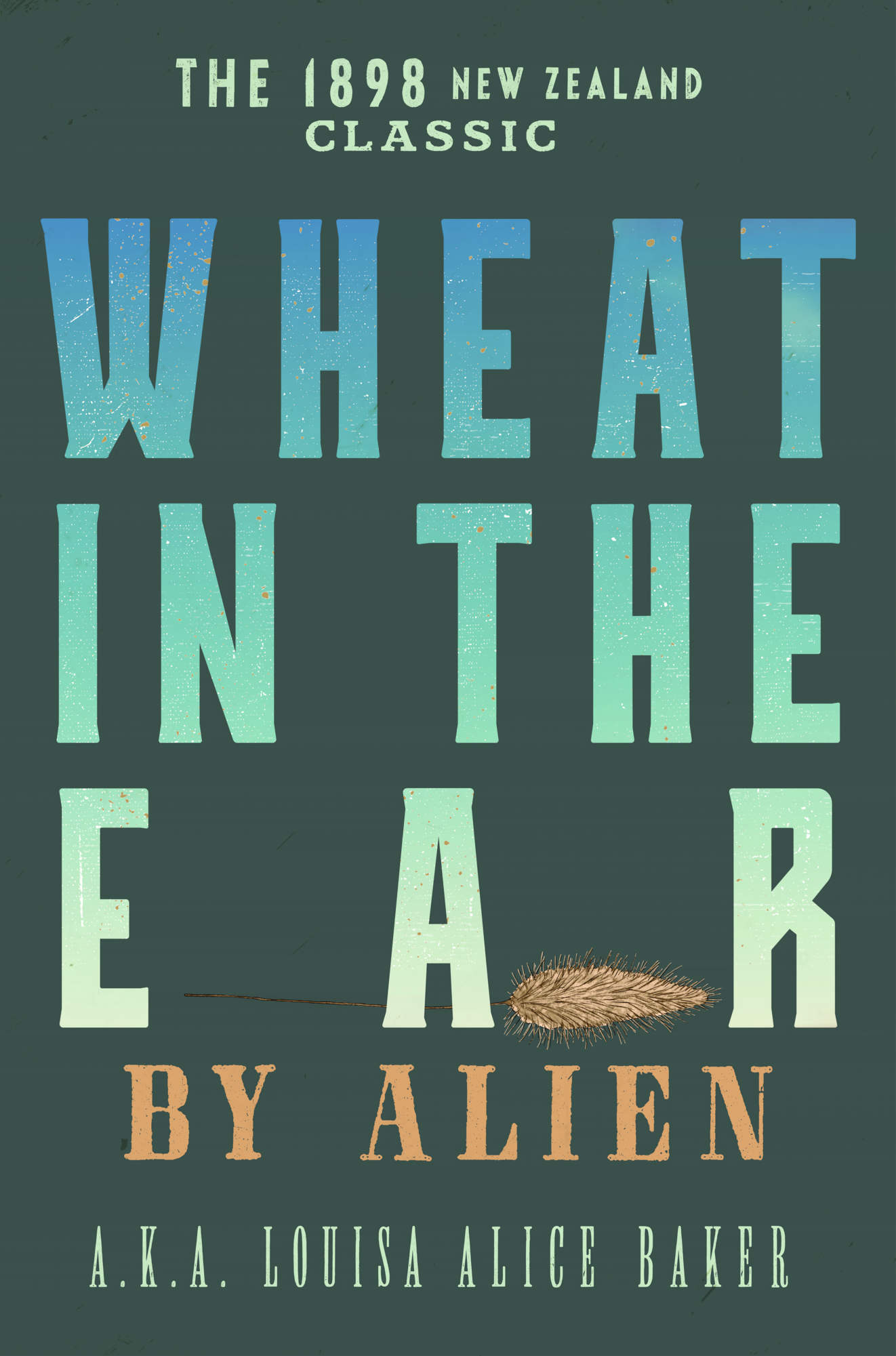
I considered recording this New Zealand classic as an audiobook, and set about simplifying the text for a contemporary listening audience–and also, to help myself concentrate on it. But I gave up the idea. I’m not sufficiently in love with it. However, it’s still interesting to read some 1800s Aotearoa melodrama. Below you’ll find the
-
The Castaways of Disappointment Island
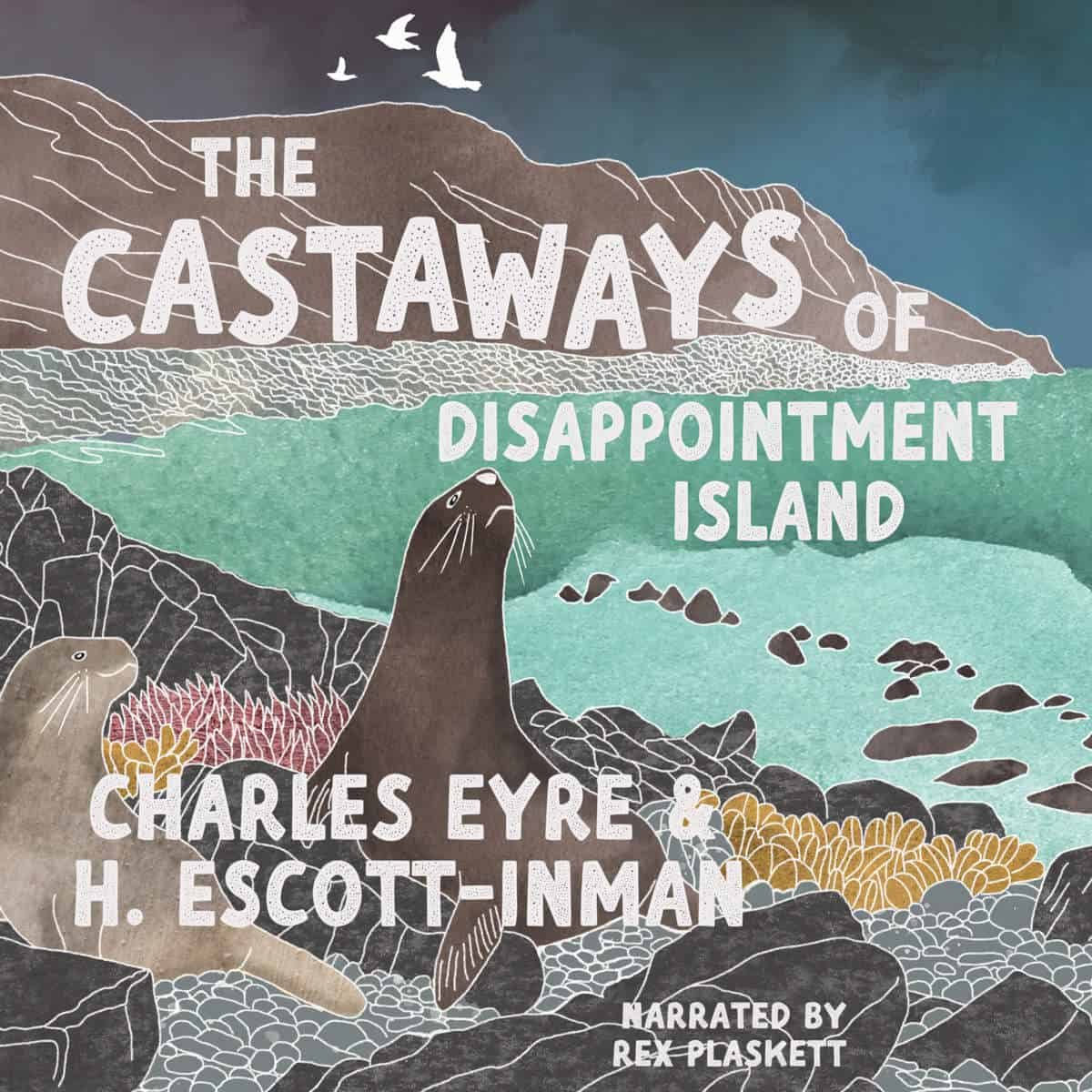
In the 1970s and 80s, Ōtautahi Christchurch was home to a small publishing company called Capper Press. They reprinted significant cultural New Zealand works, and The Castaways of Disappointment Island was one of them. My pop, himself a Southlander born in the 1920s, had grown up with this story, and was very pleased to get
-
The Symbolism of Tea in Literature
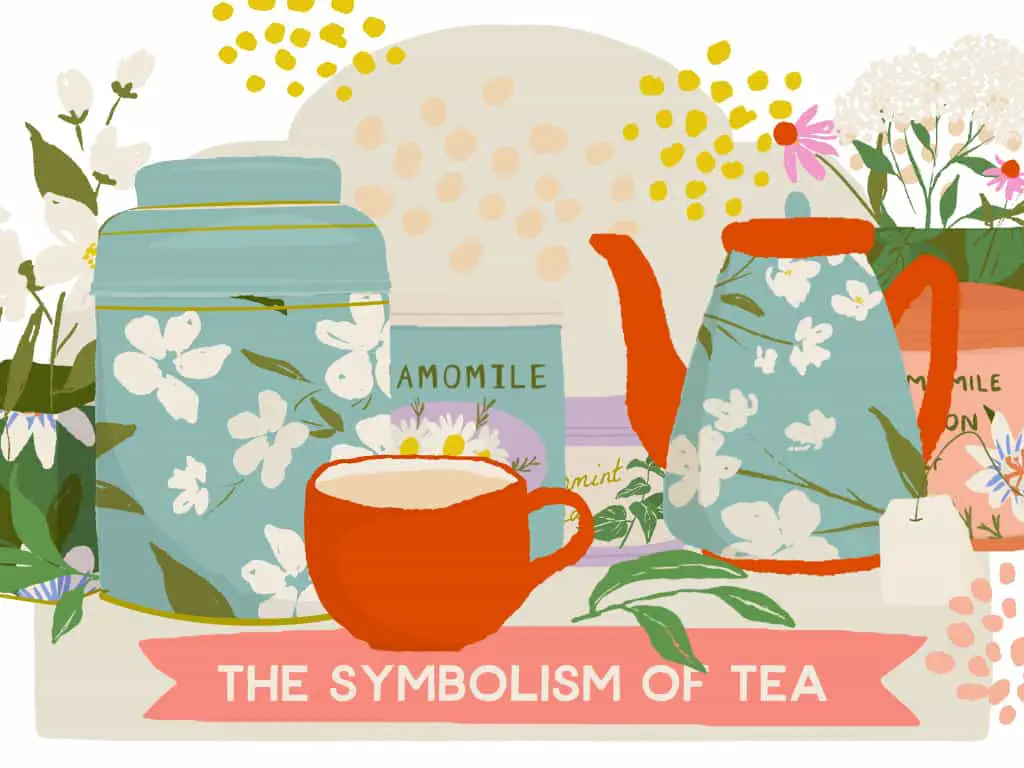
COLONISATION AND IMPERIALISM Get Out (2017), a film by Jordan Peele An Australian example: “We were slaves to white families,” she said. Aunty Lorraine worked as a servant in rural New South Wales, from age 15. “The final part of your training was how to serve high tea to white families that you going to
-
Disgust
Why would a storyteller or artist want to elicit disgust in their work? And if they want to do it, how do they typically do it?
-
Writing Consumer Book Reviews
What is the function of consumer reviews? Should we feel bad for posting negative takes on other people’s books? Do consumer reviews have a real impact on sales? To what extent? Is a review a work of art in its own right?
-
Getting Lost And Storytelling
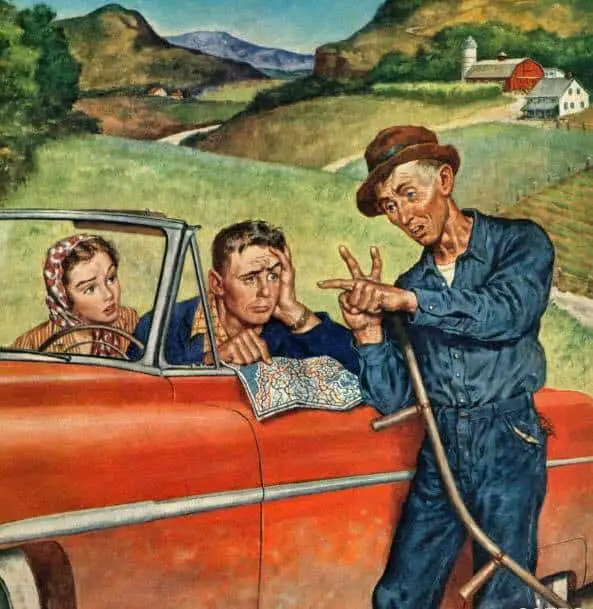
Stories that scare me the most often involve getting lost. The scariest Australian stories are, to me, the ones where a little boy goes out into the wilderness and dies in the heat, unable to find his house.
-
Overcoming Perfectionism
Perfectionism can be a superpower but can hinder us in getting things done. Framing perfectionism as fear is one way to harness it.
-
Evangelical Christianity: Non-mainstream concepts

Aotearoa New Zealand elected an Evangelical Christian Prime Minister. Relying on stats a decade old, in 2013, there were only 15,000 evangelical Christians in a population of 4.4 million (~0.34%).
-
Material by Alice Munro Short Story Analysis
“Material” is a short story by Canadian author Alice Munro. Find it in Something I’ve Been Meaning To Tell You (1974
-
Petunia’s Christmas by Roger Duvoisin
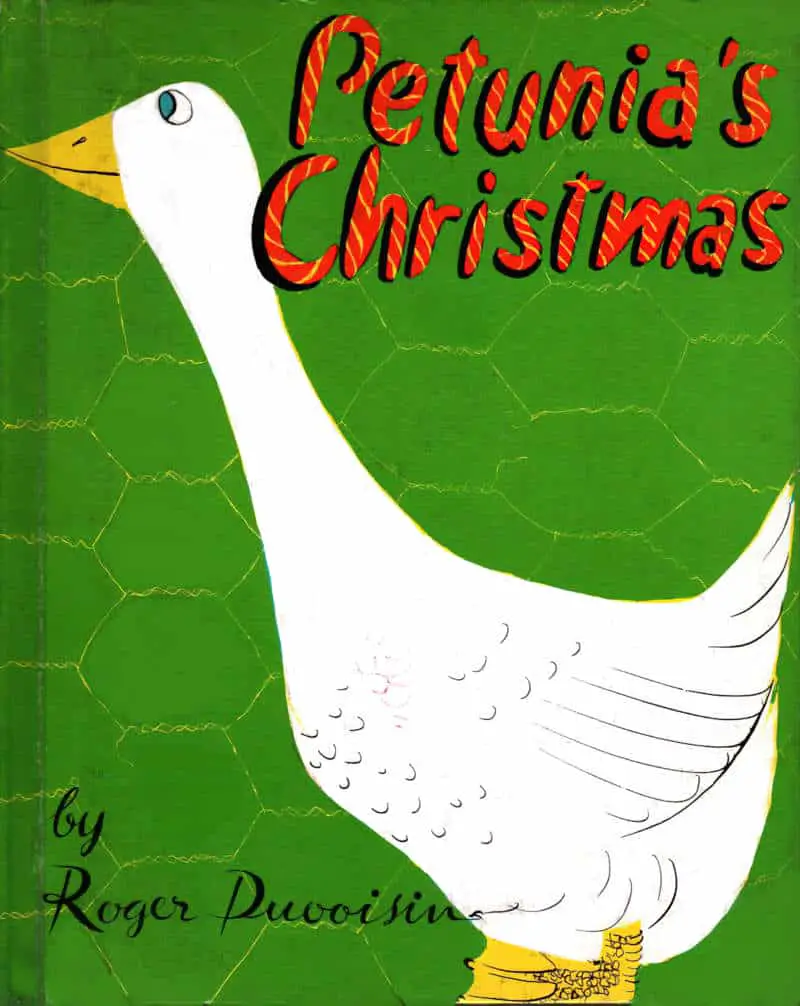
The first of Duvoisin’s Petunia series was published in 1951. Petunia’s Christmas came along the following year.
-
I Stand Here Ironing by Tillie Olsen Short Story Analysis
“I Stand Here Ironing” is a 1950s short story by American feminist and activist author Tillie Olsen (1912 – 2007). This is one of those stories which will likely hit differently if you’re a parent, especially a mother.