-
Literary Dogs
I almost always hate when pets are described in books. Unless they’re like Vincent from Lost & integral to plot, I prefer to ignore them. Maybe it’s because I didn’t grow up w/ pets, but I mean – everyone likes their pet & they’re all the same, so why bother pointing them out? It’s like “flowers are
-
Z Is For Moose by Kelly Bingham and Paul O. Zelinsky Picture Book Analysis
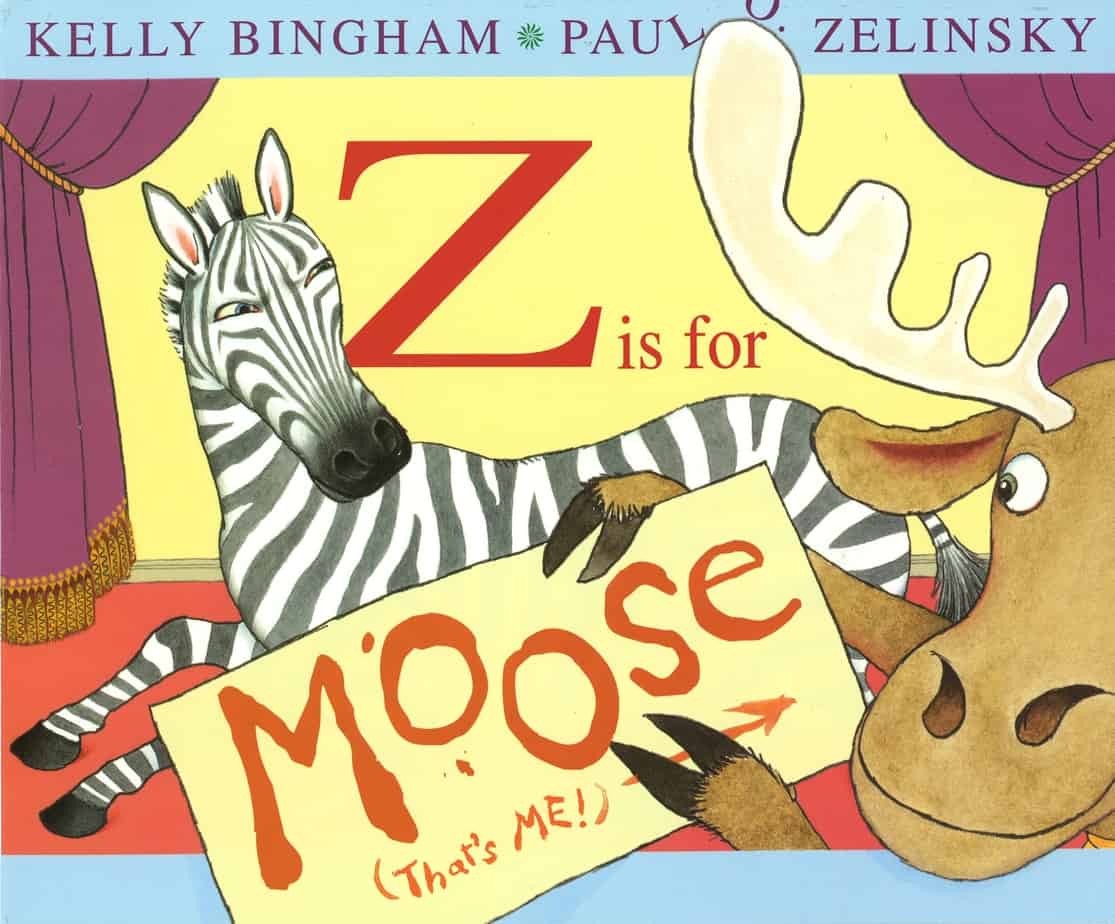
Kate de Goldi discusses Z Is For Moose on Radio New Zealand and has trouble not laughing. (This is what made me buy the book.) There is something inherently funny about a moose. Is it the bulbous snout, or the slightly onomatopoeic name? (I’m not sure what real-world sound the word ‘moose’ makes, but it
-
The People Across The Canyon by Margaret Millar Analysis
Hear “The People Across The Canyon” (1964) read by Douglass Greene at Alfred Hitchcock’s Mystery Magazine.
-
Mr Chicken Goes To Paris by Leigh Hobbs Analysis
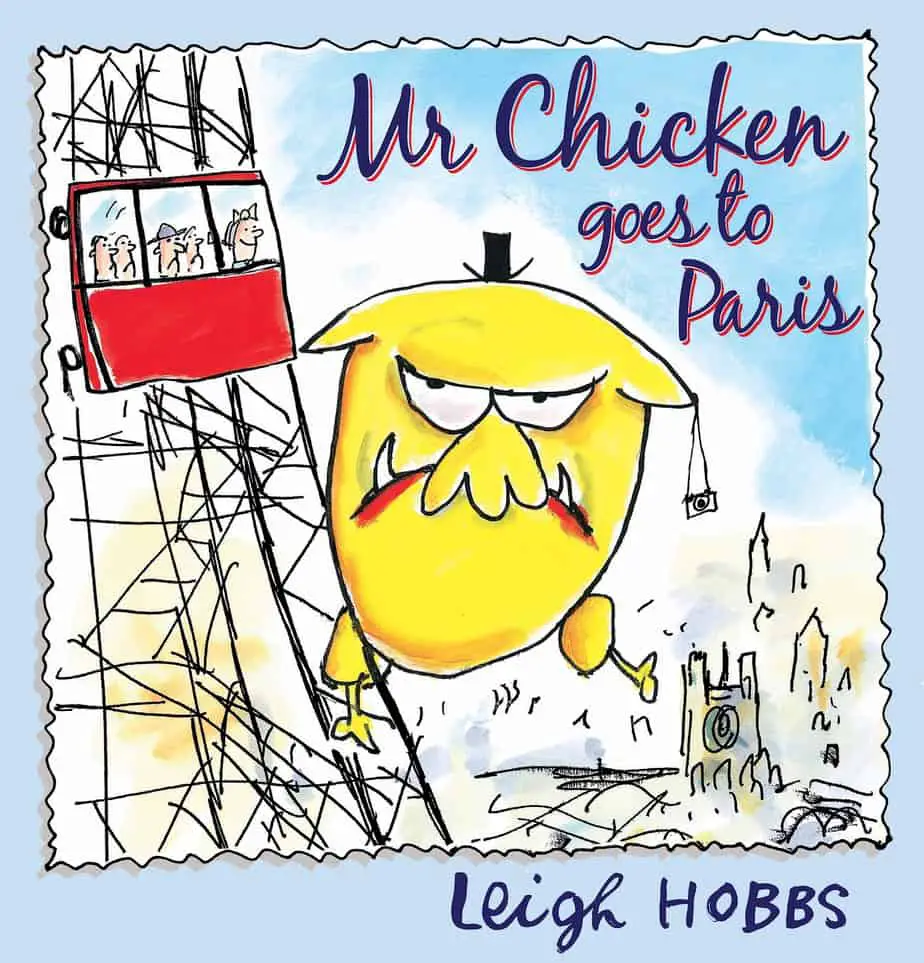
Mr Chicken Goes To Paris is a carnivalesque picture book about a chicken who goes to Paris on holiday. For a whiff of the Foreign, film makers often turn to France and especially Paris. The same is true in children’s films, from “Ratatouille” to “Hunchback of Notre Dame.” And the same is true in children’s
-
Shirley Jackson’s Louisa, Please Come Home Analysis
“Louisa, Please Come Home” is a short story by Shirley Jackson, first published in Ladies Home Journal, 1960.
-
How To Structure A Subplot
When most people talk about subplot they’re talking about a minor story which exists to bulk out the ‘main’ story. If the subplot doesn’t affect the main plot in any way, and simply shares setting/characters, we might be better off calling it a related short story. Alternative Opinion: Subplot Is Not A Useful Concept ‘Subplot’
-
Gorilla by Anthony Browne Picture Book Analysis
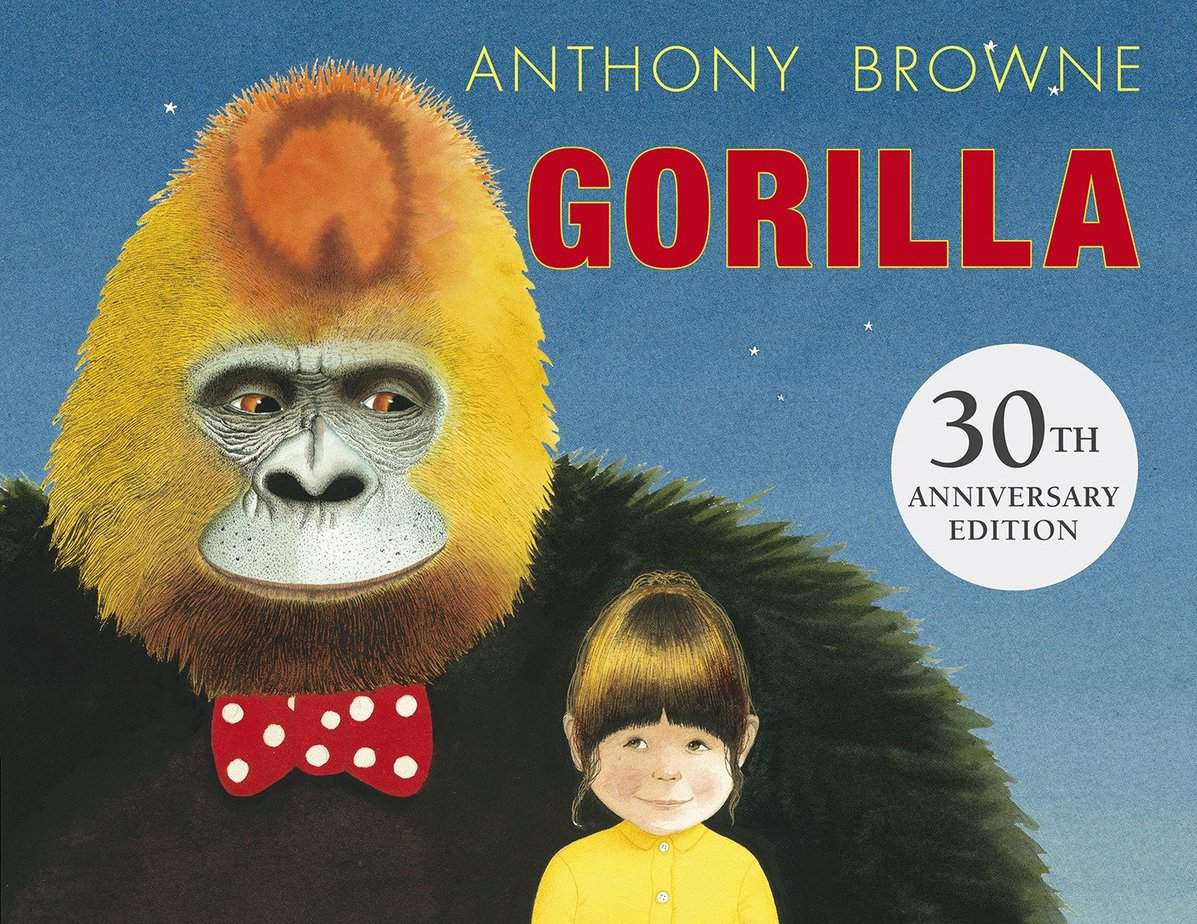
Gorilla is the book that made Anthony Browne’s name as a creator of postmodern picture books. It was awarded the Kurt Maschler Award (1982-1999), which specifically rewarded British picture books demonstrating excellent integration between words and pictures. WHAT HAPPENS IN GORILLA? A girl called Hannah — about 6 or 7 years old — feels that
-
The Tiger’s Bride by Angela Carter Short Story Analysis
“The Tiger’s Bride” is a short story in Angela Carter’s The Bloody Chamber collection. Marina Warner writes of stories in The Bloody Chamber, published during the post-war feminist movement which largely denounced fairytales and everything they stood for: [Carter] refused to join in rejecting or denouncing fairy tales, but instead embraced the whole stigmatised genre,
-
The Influence Of King Arthur
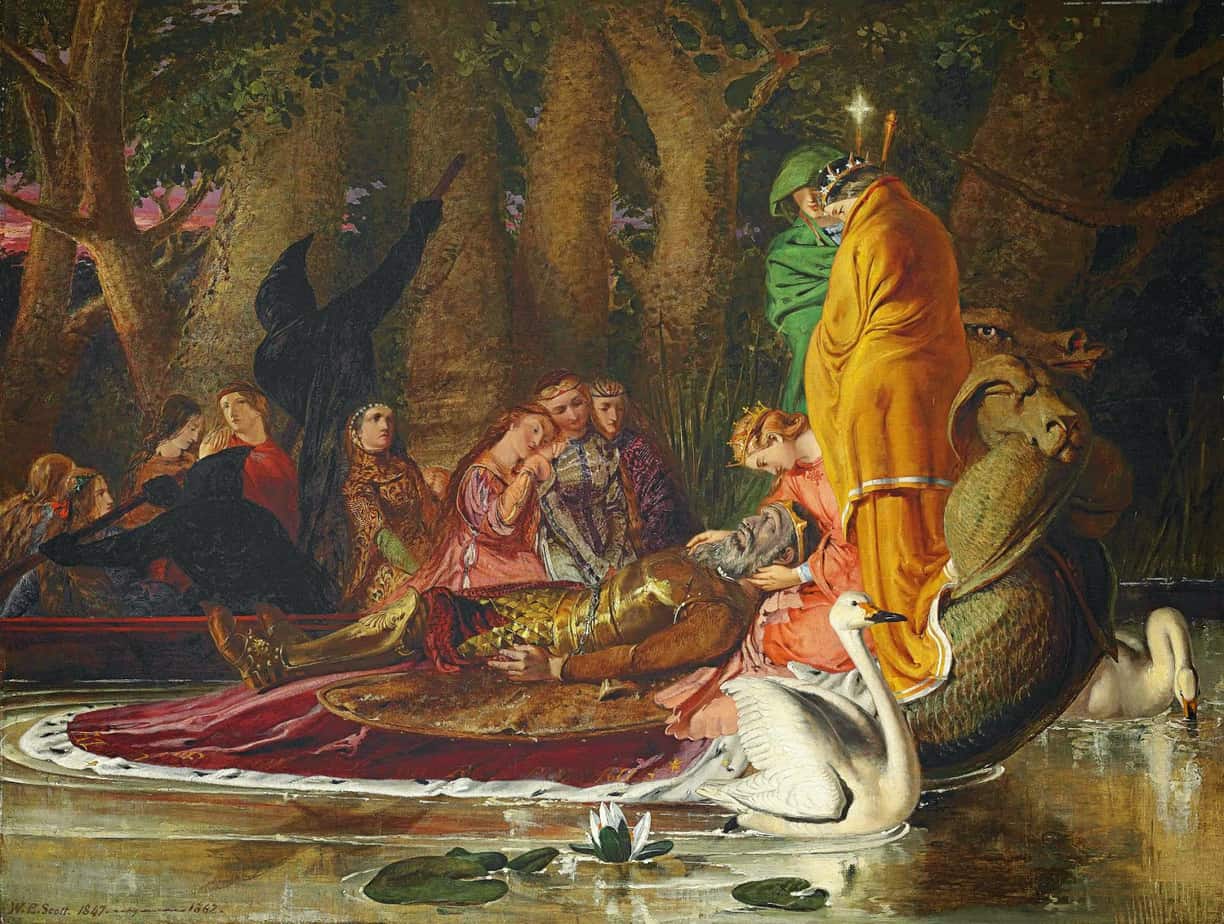
Was King Arthur real? People have been hoping so for 1500 years. And how similar was he to the historical Jesus? See: In Search of the Historical Arthur by C. Dal Brittain, professor of medieval history and fantasy writer Another good place to start with a King Arthur story is with “The Legend of King
-
Telling A Story Over The Course Of A Single Day
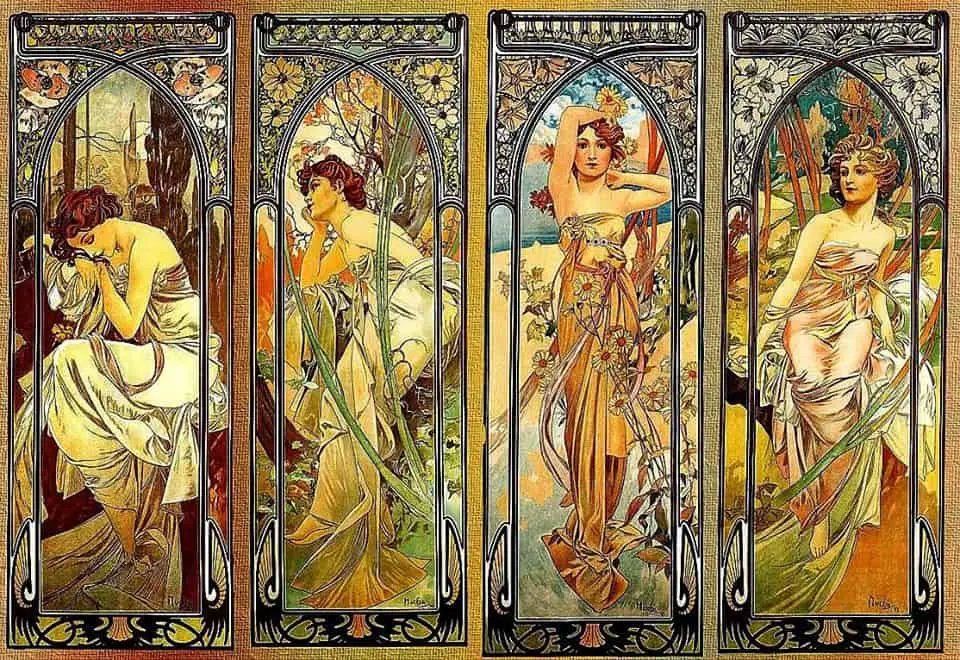
12 HOUR CLOCKS IN PICTURE BOOKS Anyone who has read books to children will already know which of these single-day stories is more popular in children’s books. Some common clocks in picture books: The main character wakes up in the morning, goes on an adventure, comes home to safety and sleeps happily in bed. These
-
The Symbolism of Seasons

In stories for children, as in stories for adults, emphasis on the seasons and the circular nature of time gives a story a feminine feel. Each season carries its own symbolism, but it’s not a clear delineation. Why do we associate cycles and seasons with femininity? Who better to teach us something than Dwight Schrute?
-
The Company Of Wolves by Angela Carter Short Story Analysis
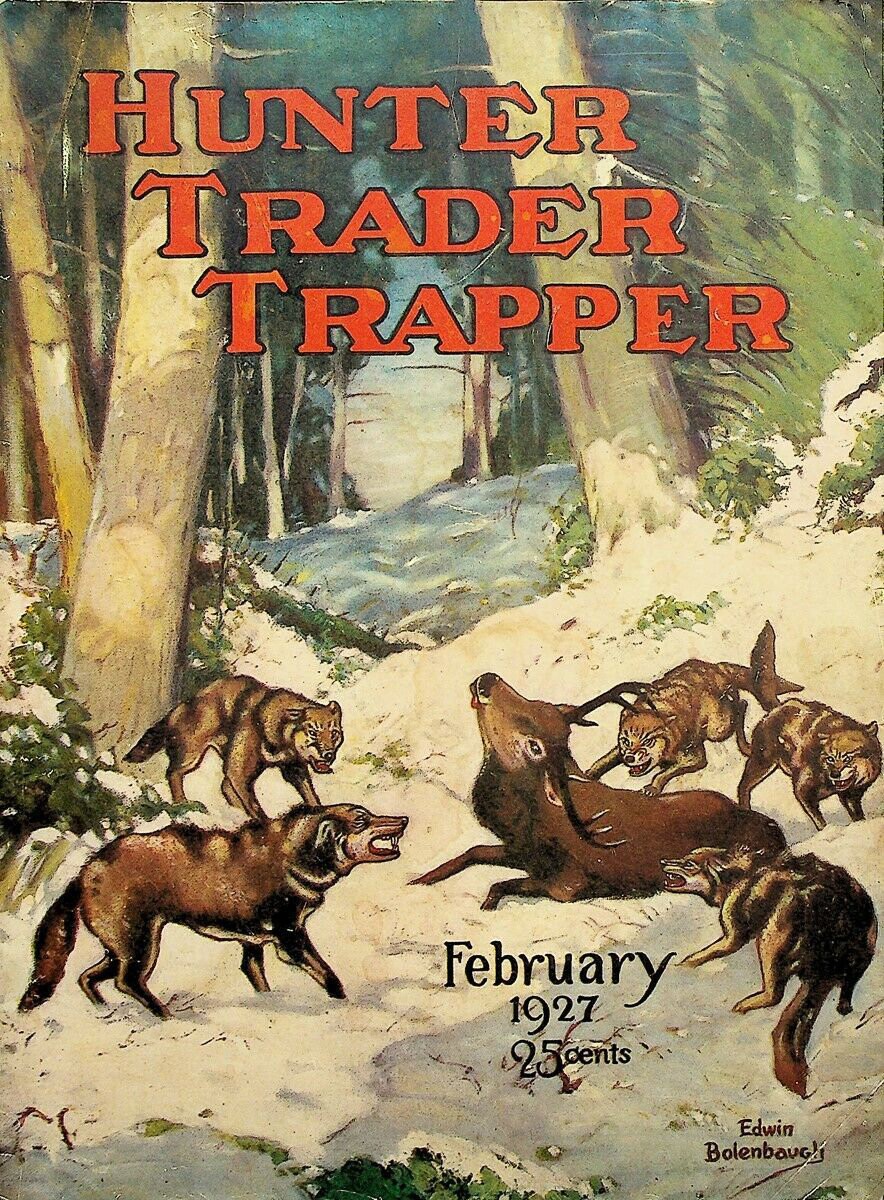
Even if you’ve not heard much of Angela Carter, “The Company of Wolves” and other subversive stories have probably influenced some of your other favourite authors.
-
Guess Who’s Coming For Dinner? Picture Book Analysis
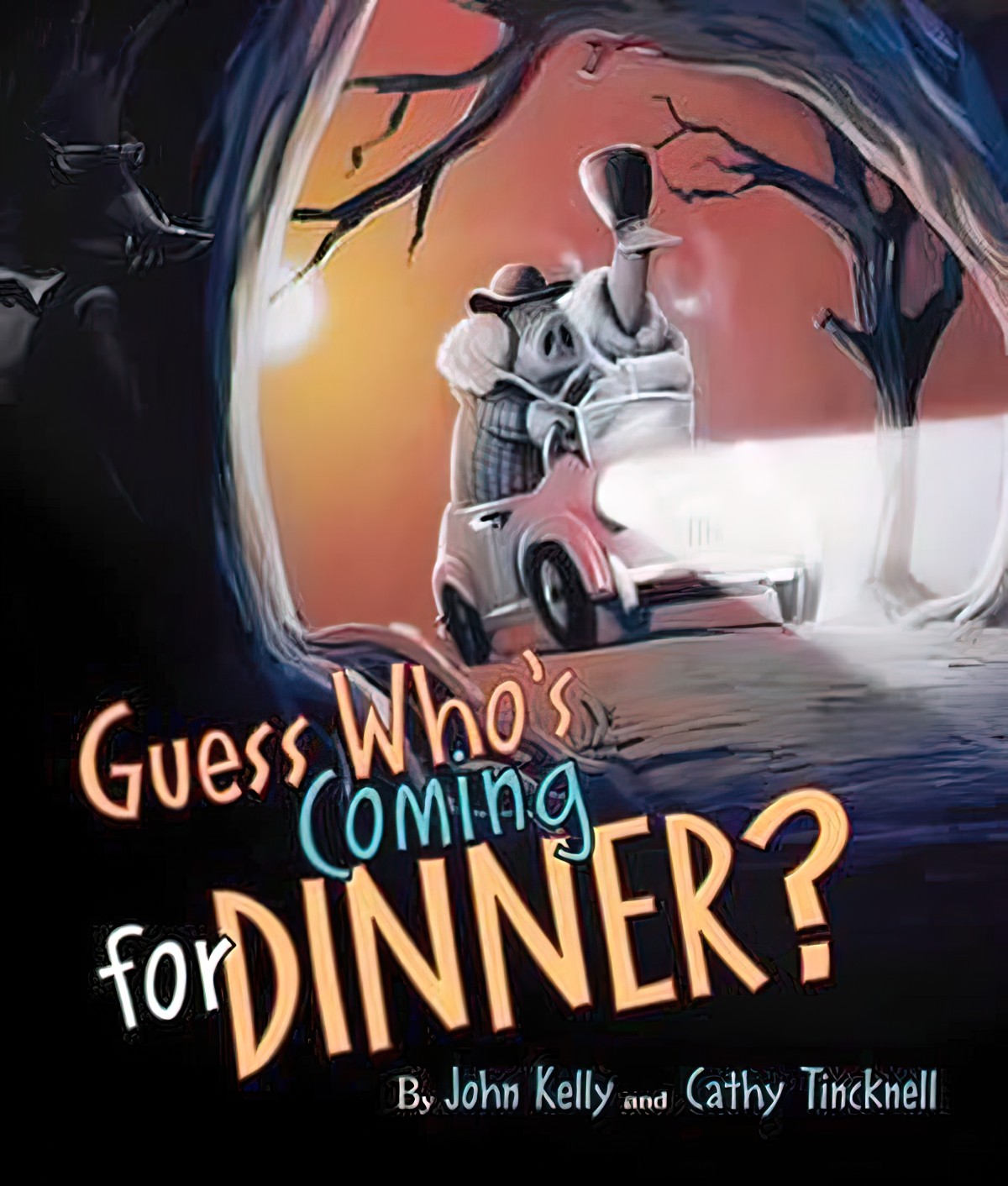
Guess Who’s Coming For Dinner is one of my all-time favourite picture books and funnily enough, it has been created by a husband and wife team. Some of the very best picture books are obviously created with a lot of collaboration between writer and illustrator, and it amazes me that so many (also good) picture…
-
The Bloody Chamber by Angela Carter Short Story Analysis
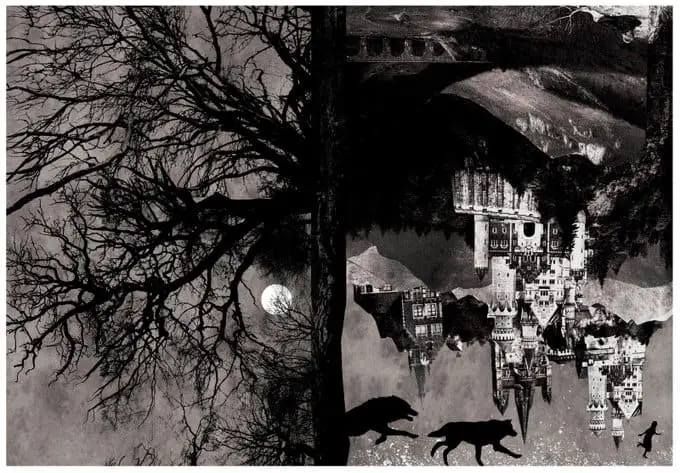
“The Bloody Chamber” is a feminist-leftie re-visioning of Bluebeard, written in the gothic tradition, set in a French castle with clear-cut goodies and baddies. The title story of The Bloody Chamber, first published in 1979, was directly inspired by Charles Perrault’s fairy tales of 1697: his “Barbebleue” (Bluebeard) shapes Angela Carter’s retelling, as she lingers
-
The Magical Life Of Mr Renny by Leo Timmers Picture Book Analysis
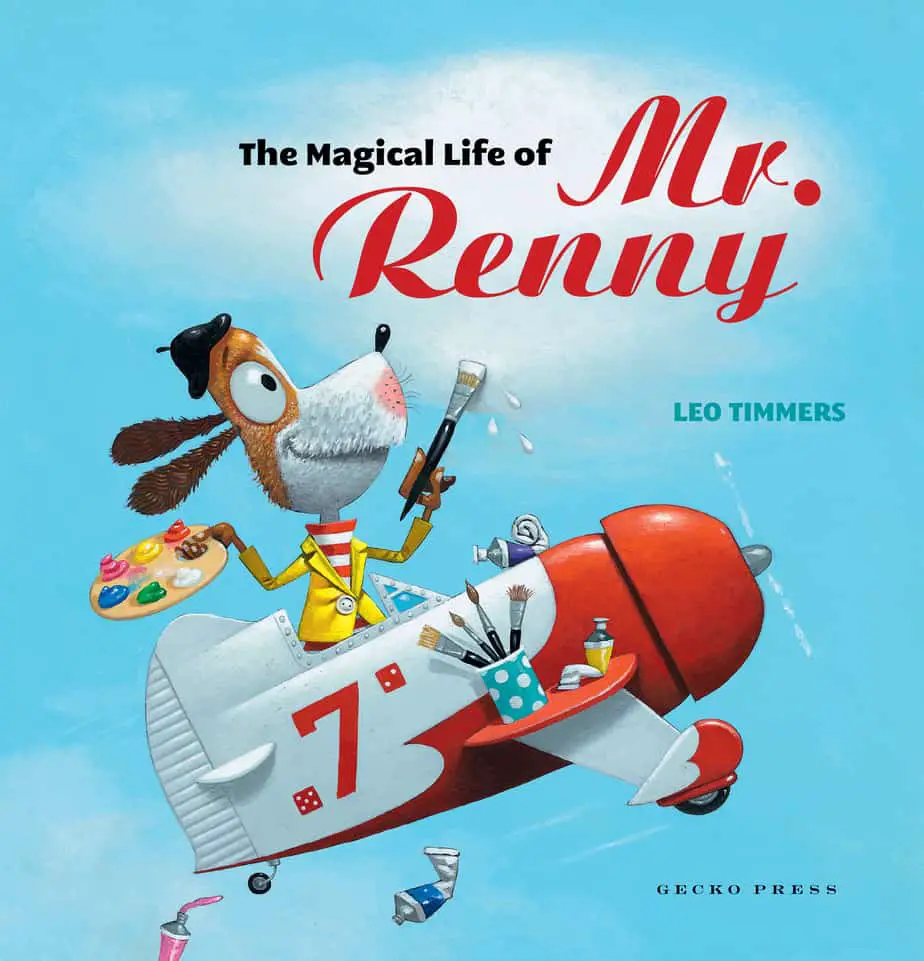
The Magical Life of Mr Renny by Leo Timmers is a modern Magic Paintbrush story in which a central dog character can paint anything he likes. Timmers adds a romantic subplot. PLOT OF THE MAGICAL LIFE OF MR RENNY A ‘starving artist’ (represented by a dog called Renny) can’t sell any paintings at the market.