-
Scarecrows In Children’s Stories and Horror
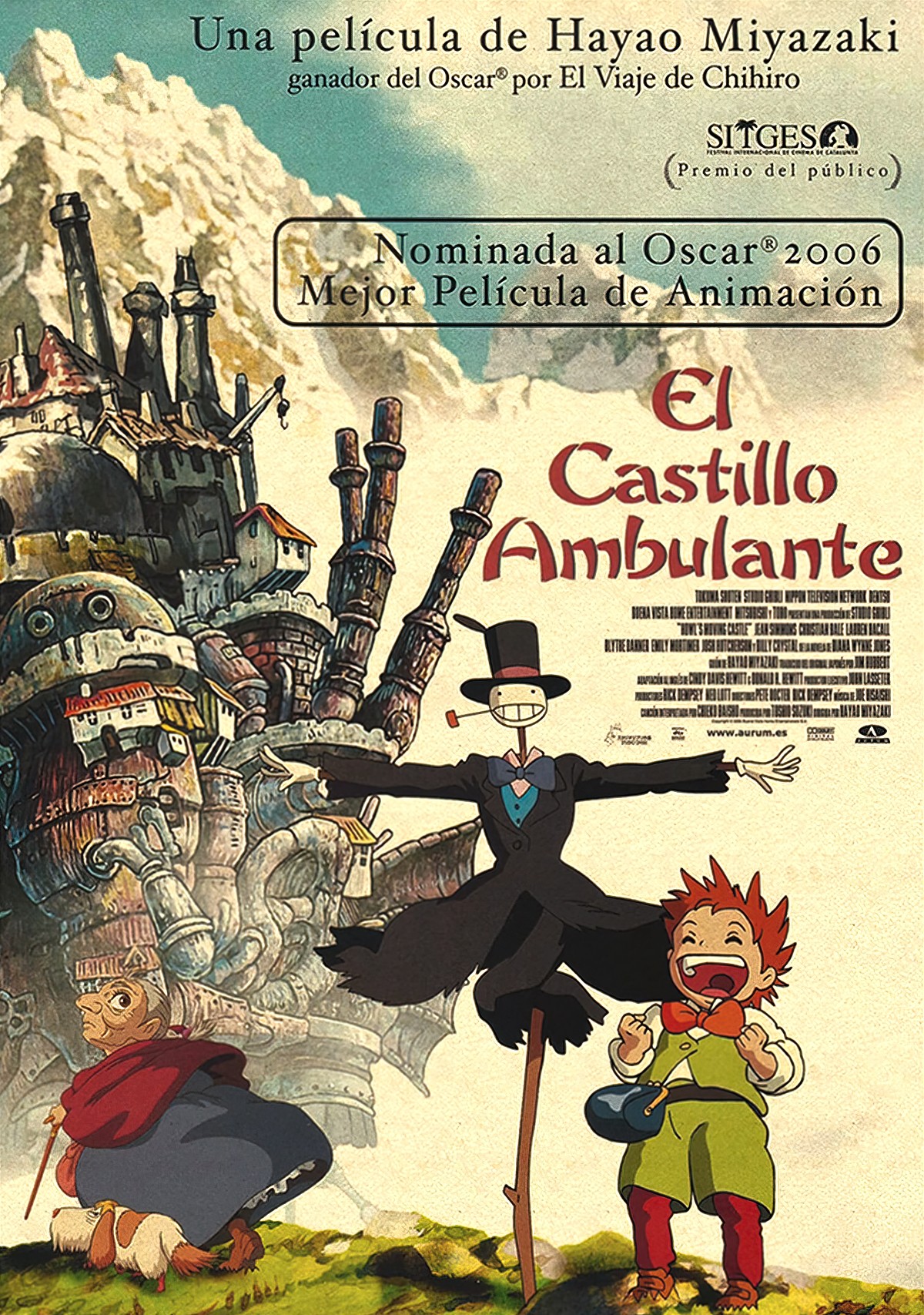
The best horror objects and settings are those you’ll also see peppered throughout cosy stories for children: Circuses, playgrounds, chants and lullabies, hide and seek… scarecrows.
-
Twist Endings, Reversals and Reveals In Storytelling
Reversals and reveals are vital for creating momentum and suspense in a story. Certain genres are required to be more page-turny than others, and all children’s literature must be page-turny. So you’ll find reversals and reveals everywhere in children’s literature.
-
Mr Big by Ed Vere Picture book Analysis
STORY STRUCTURE OF MR BIG Mr Big is a tale told by a storyteller narrator, who we meet on the very first page and then soon forget. Almost all picture books have third person narrators but most often we don’t consider who that might be, so there must be a good reason for introducing Mr Big’s
-
The Pied Piper of Hamelin: Legend Or Fairytale? Analysis
The Pied Piper is not technically a fairytale. It is at least part legend. Hamelin was a real place, and it is believed that once, in this German town, all of the children really did disappear in a short space of time.
-
Rapunzel The ur-Story Of Young Female Sexuality
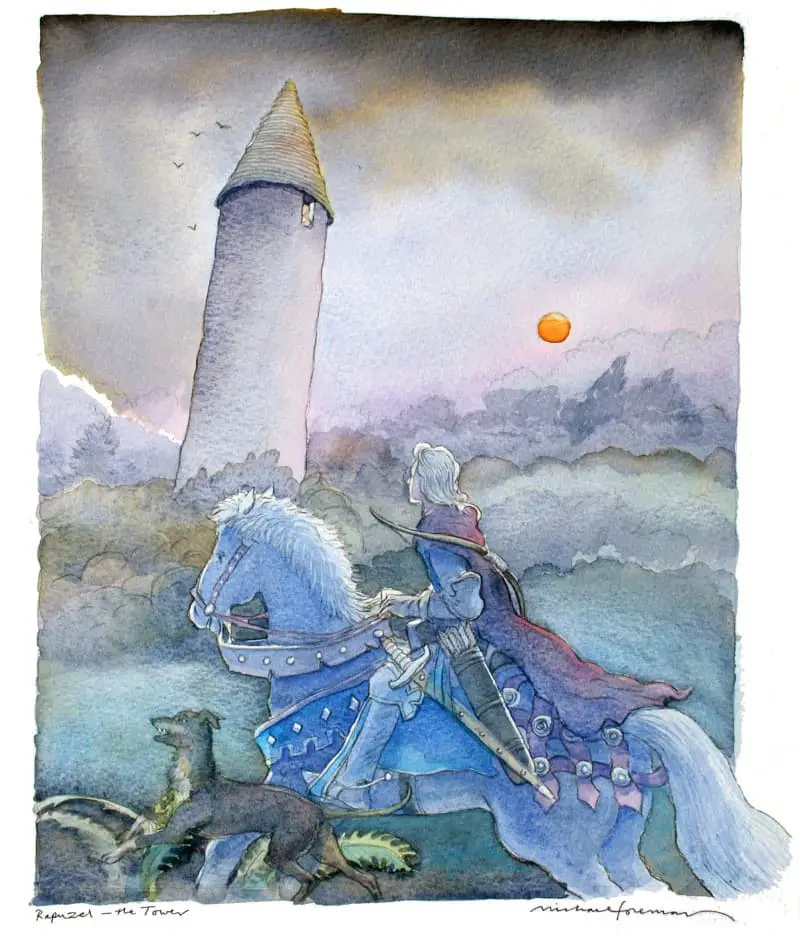
Whether it’s women locked in attics, teenage girls protected by their fathers, children living in gated communities, missing girls or dead mothers, Rapunzel is a significant ur-story. THE HISTORY OF RAPUNZEL The life of a fictional woman hasn’t diversified much over the years. Rapunzel is not the only girl who was locked up — take the
-
Rumpelstiltskin Analysis
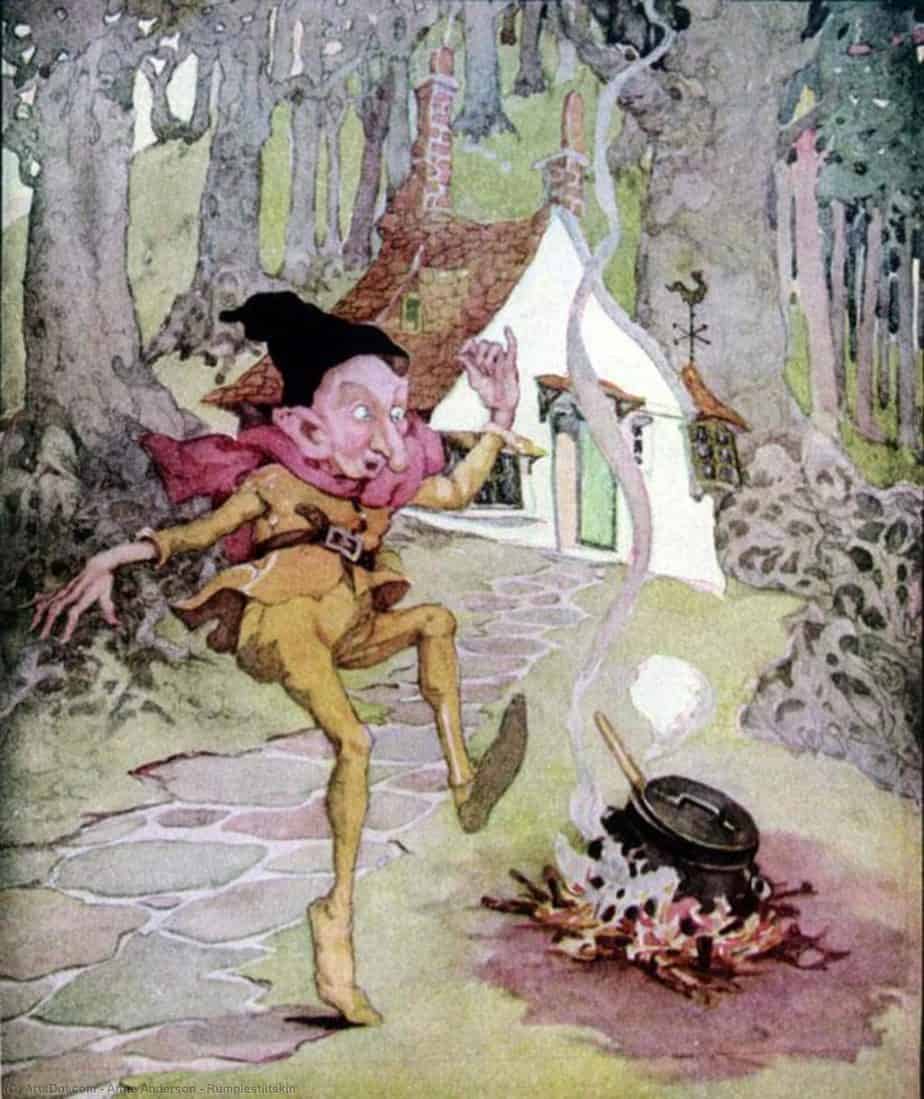
The tale of Rumpelstiltskin asks a moral question: Who is the worst of the three men? The lying father who gives away his own daughter, the greedy King who threatens death, or the proto-men’s rights activist dwarf? Or is it the daughter herself? This is my all-time favourite fairy tale because it’s so twisted. It’s
-
Badjelly The Witch by Spike Milligan (1973)
“Badjelly The Witch” is better known as a radio play than as a picture book, at least to any New Zealand child of the 80s. There wasn’t much in the way of media entertainment back then, and I looked forward to Radio New Zealand’s Sunday morning children’s show with Constable Keith and Sniff the German
-
I Don’t Feel At Home In This World Anymore
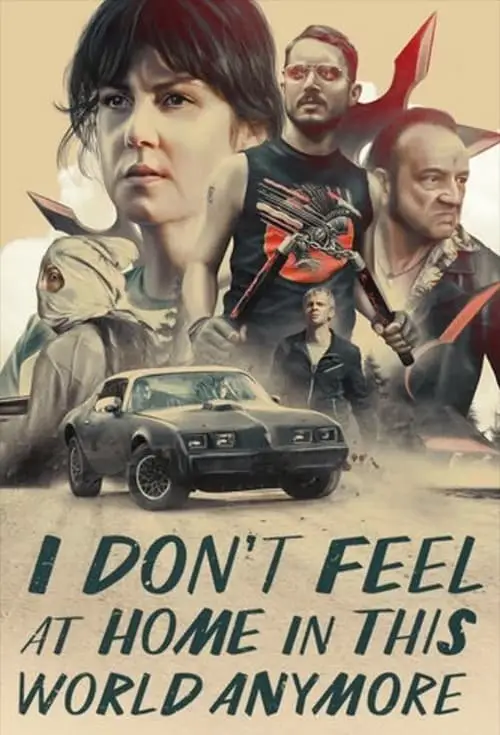
Here’s what happens in the 2017 indie American film I Don’t Feel At Home In This World Anymore: When a depressed woman is burgled, she finds a new sense of purpose by tracking down the thieves alongside her obnoxious neighbour. But they soon find themselves dangerously out of their depth against a pack of degenerate
-
The Enormous Crocodile by Roald Dahl and Quentin Blake
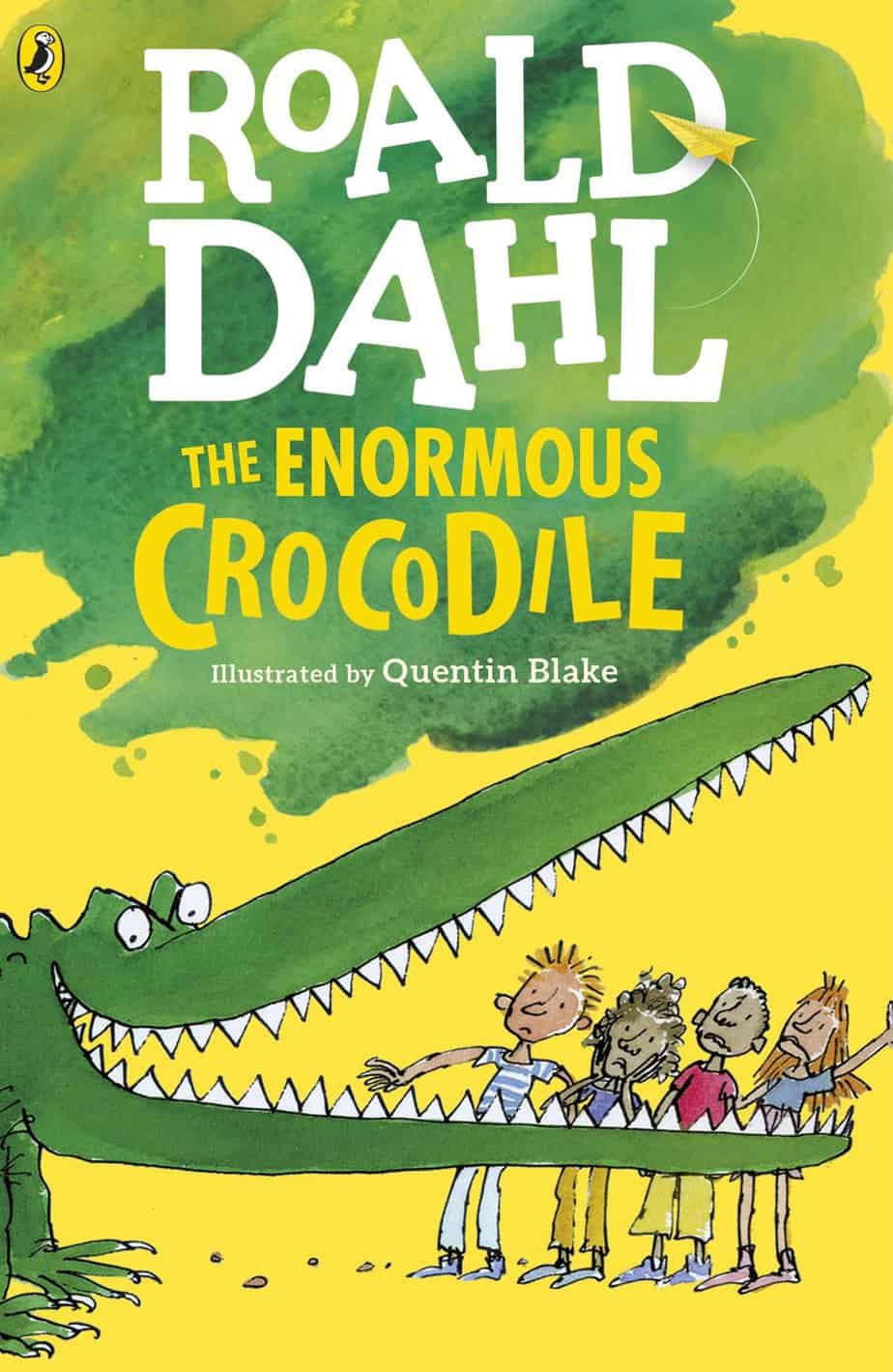
For fans of Into The Woods by John Yorke, The Enormous Crocodile is an example of a story which mirrors itself perfectly. PARATEXT The Enormous Crocodile is incredibly hungry-and incredibly greedy. His favourite meal is a plump, juicy little child, and he intends to gobble up as many of them as he can! But when
-
Character Study: Walter White
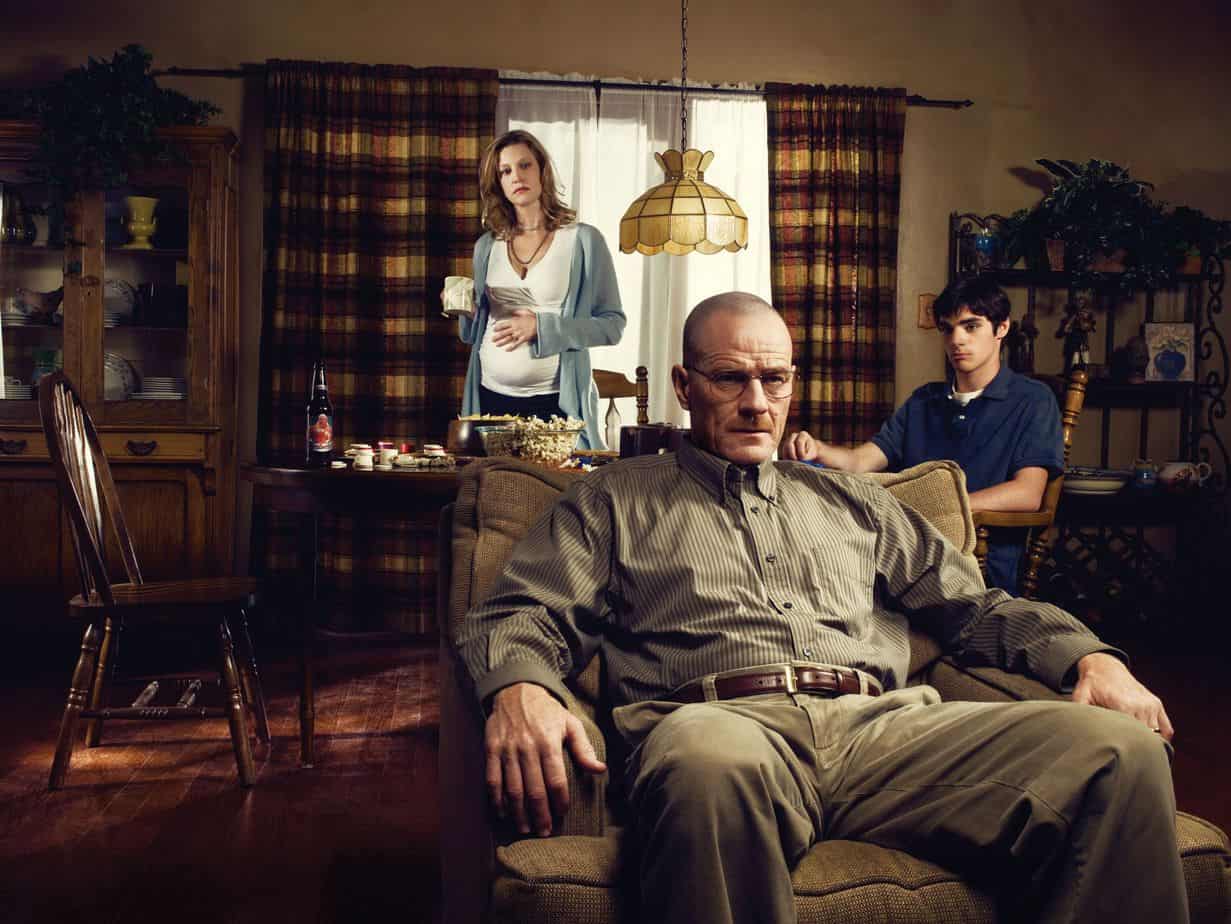
Following a television trend started by The Sopranos, Walter White of Breaking Bad is an engaging example of a modern antihero. Like Tony Soprano, Walter White indulges in amoral familism — both Tony and Walt wreak havoc on the general public while justifying their own terrible behaviour under the delusion that they are doing it
-
Must Fictional Heroes Be Likeable?
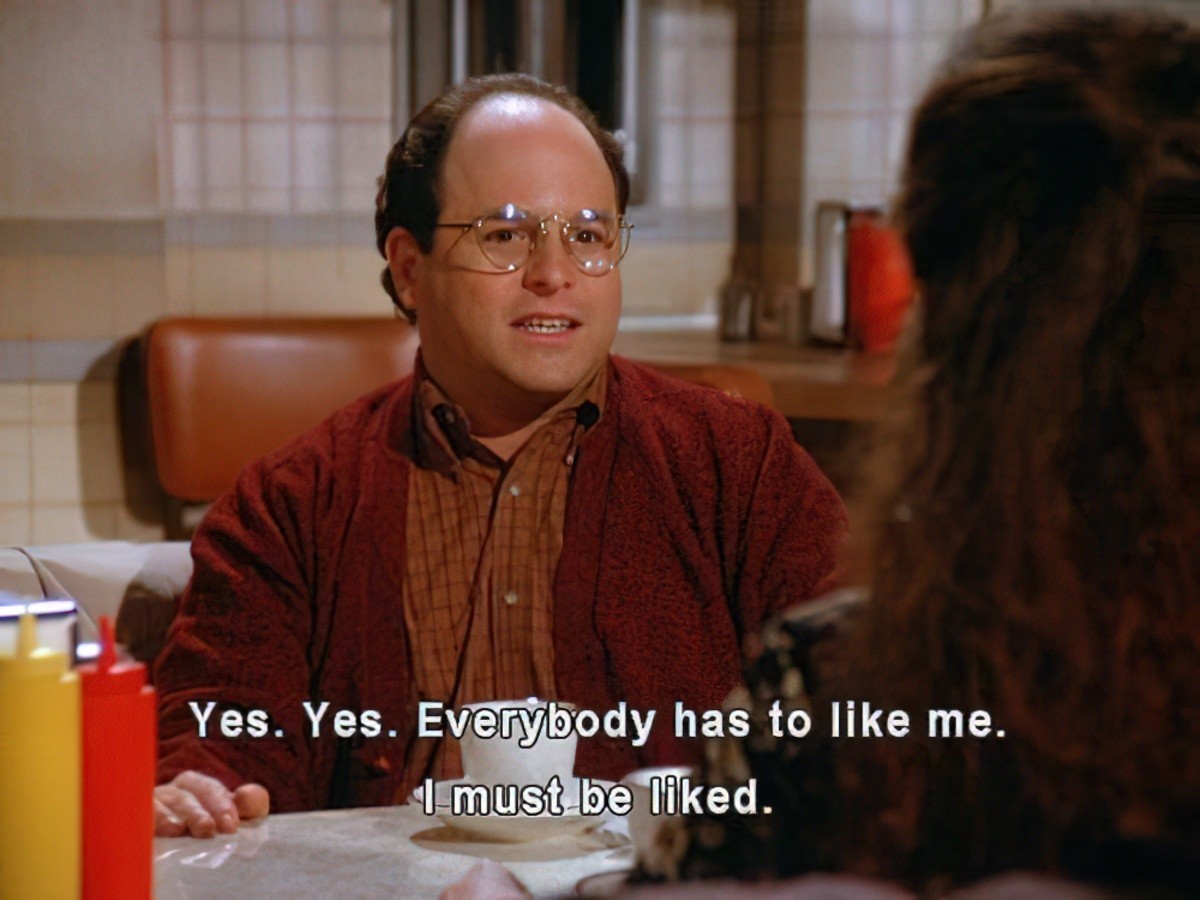
Short answer: Main characters don’t have to be likeable. But they do need to be interesting.
-
The Homesman (2014) Film Study
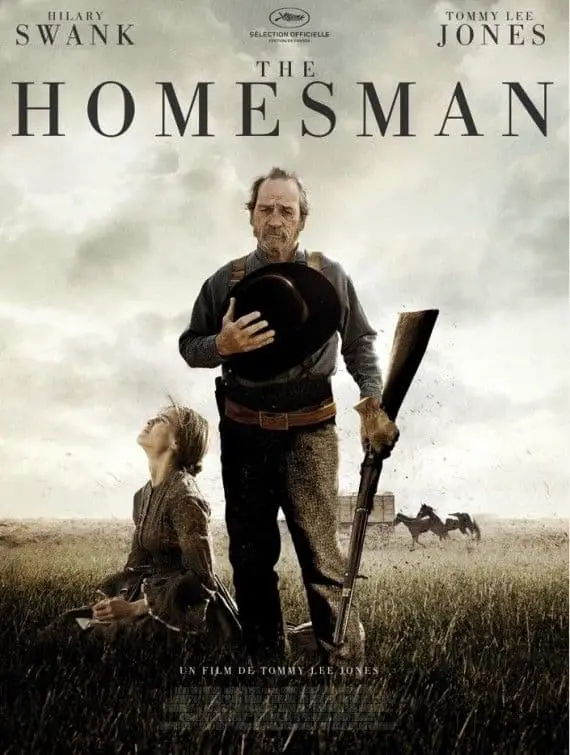
With similarities to Million Dollar Baby, The Homesman is a film about an old man who has regrets but no character arc after meeting a young woman in desperate circumstances. The 2014 Homesman film is closely based on the novel by Glendon Swarthout, first published 1988. Glendon Swarthout died just four years after this novel
-
Storytelling Tips from Northern Lights by Phillip Pullman
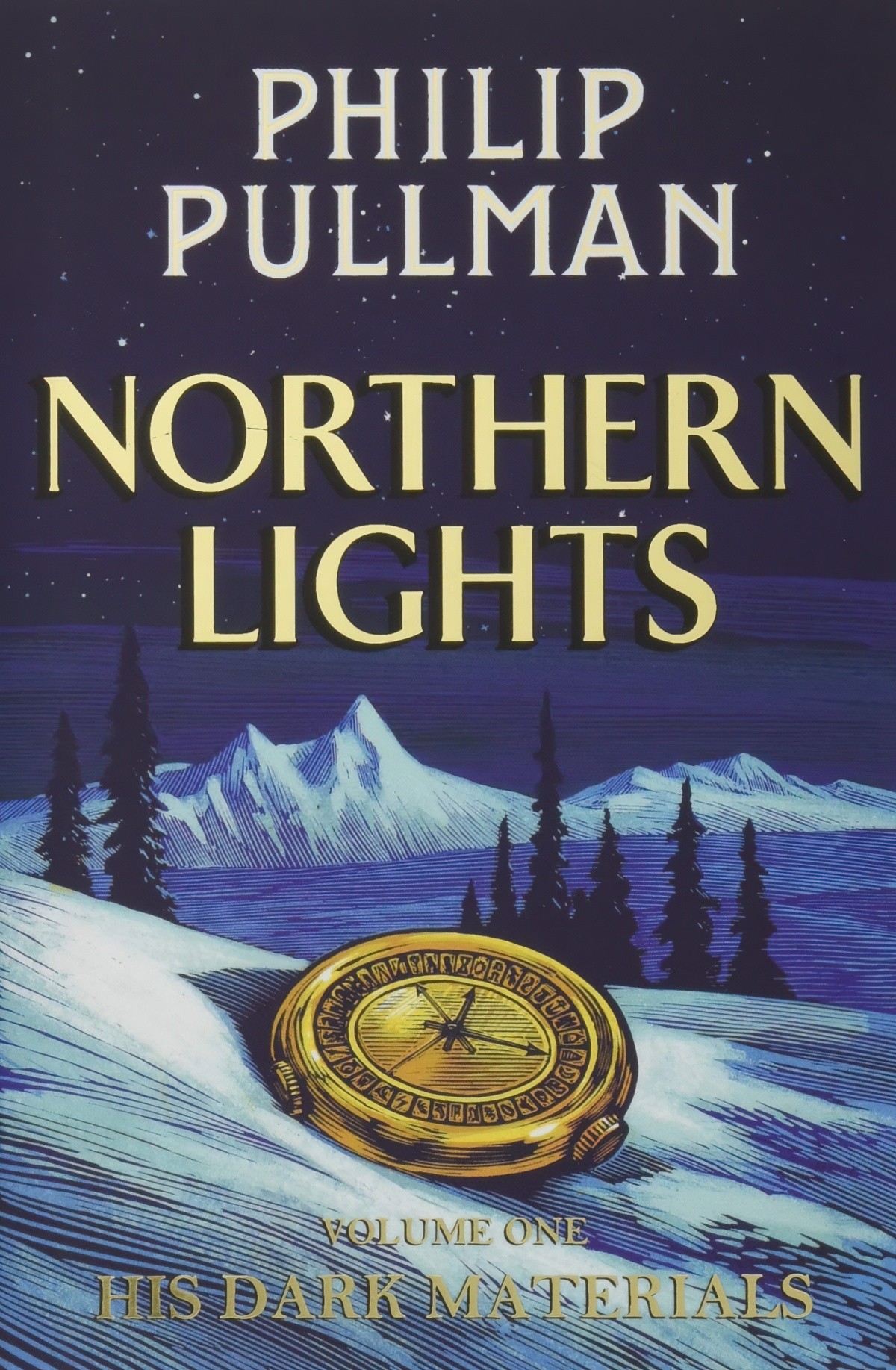
Northern Lights is a young adult story with broad appeal for adults. The plot follows mythic structure.
-
Teachers In Children’s Literature
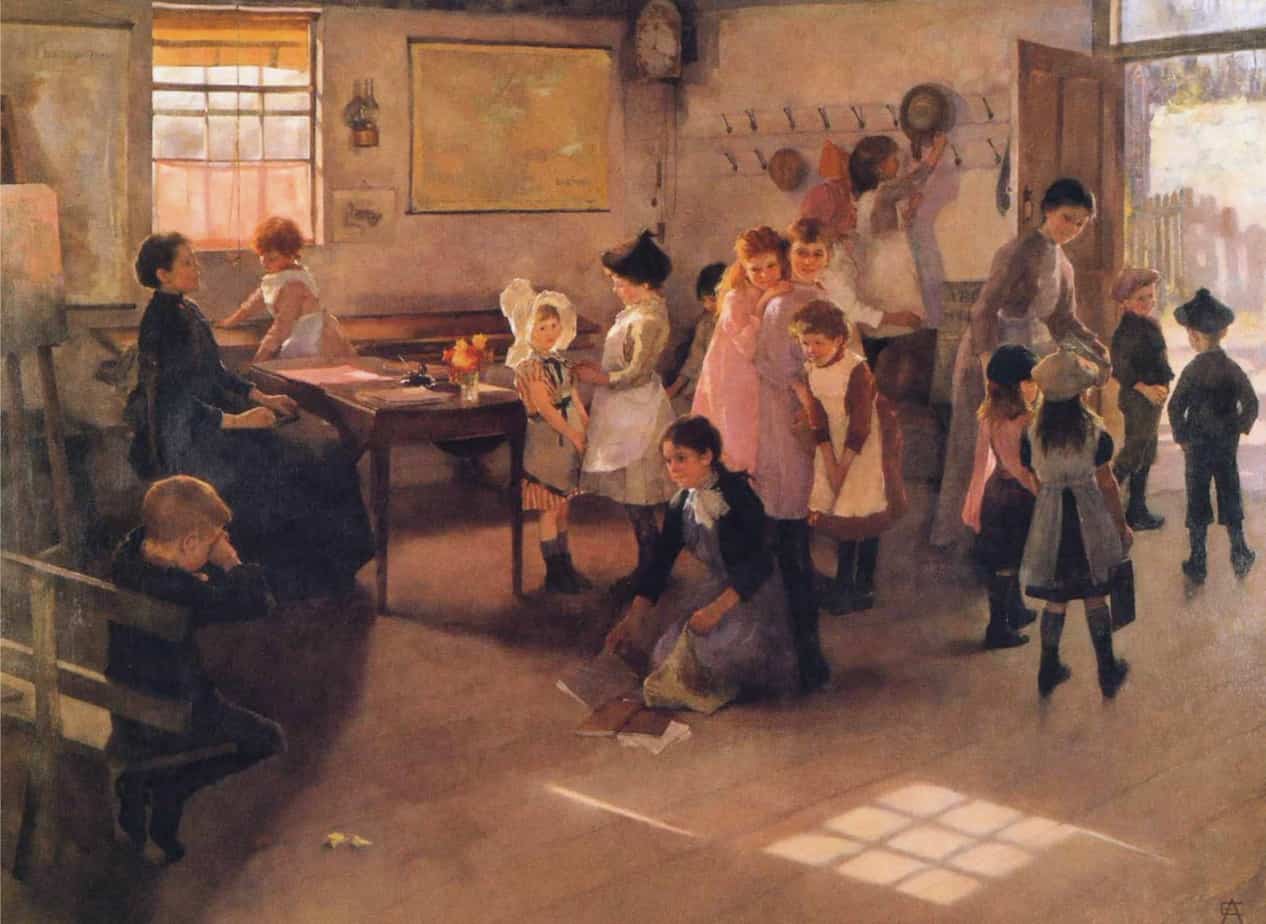
Teachers in children’s stories can be mentors, opponents, fake opponents, or very much background characters. In young adult literature, teachers can (problematically) be love opponents. Why is it that English, drama and music teachers are most often recalled as our mentors and inspirations? Maybe because artists are rarely members of the popular crowd. Roger Ebert
-
Carrie by Stephen King Film Study
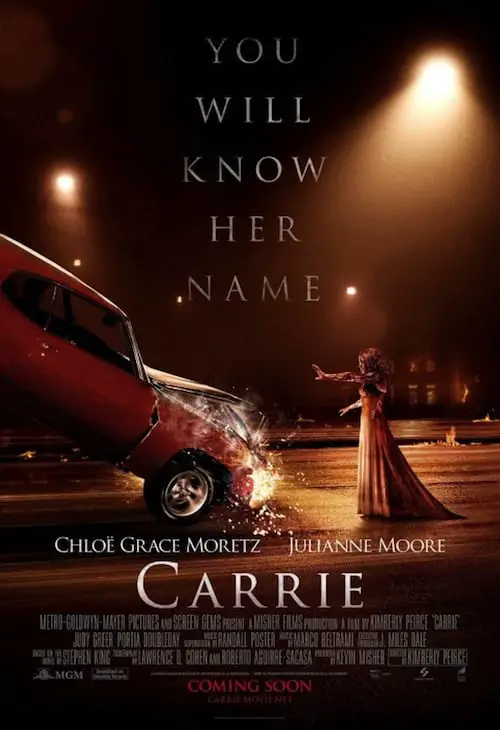
I want to talk about the 1976 movie based on Stephen King’s 1974 (breakout) novel, Carrie. Critics don’t like the new one much. The criticism is mostly that the remake was unnecessary because the first adaptation was so good. The original has a slower, more sinister pace and the main thing the reboot did was